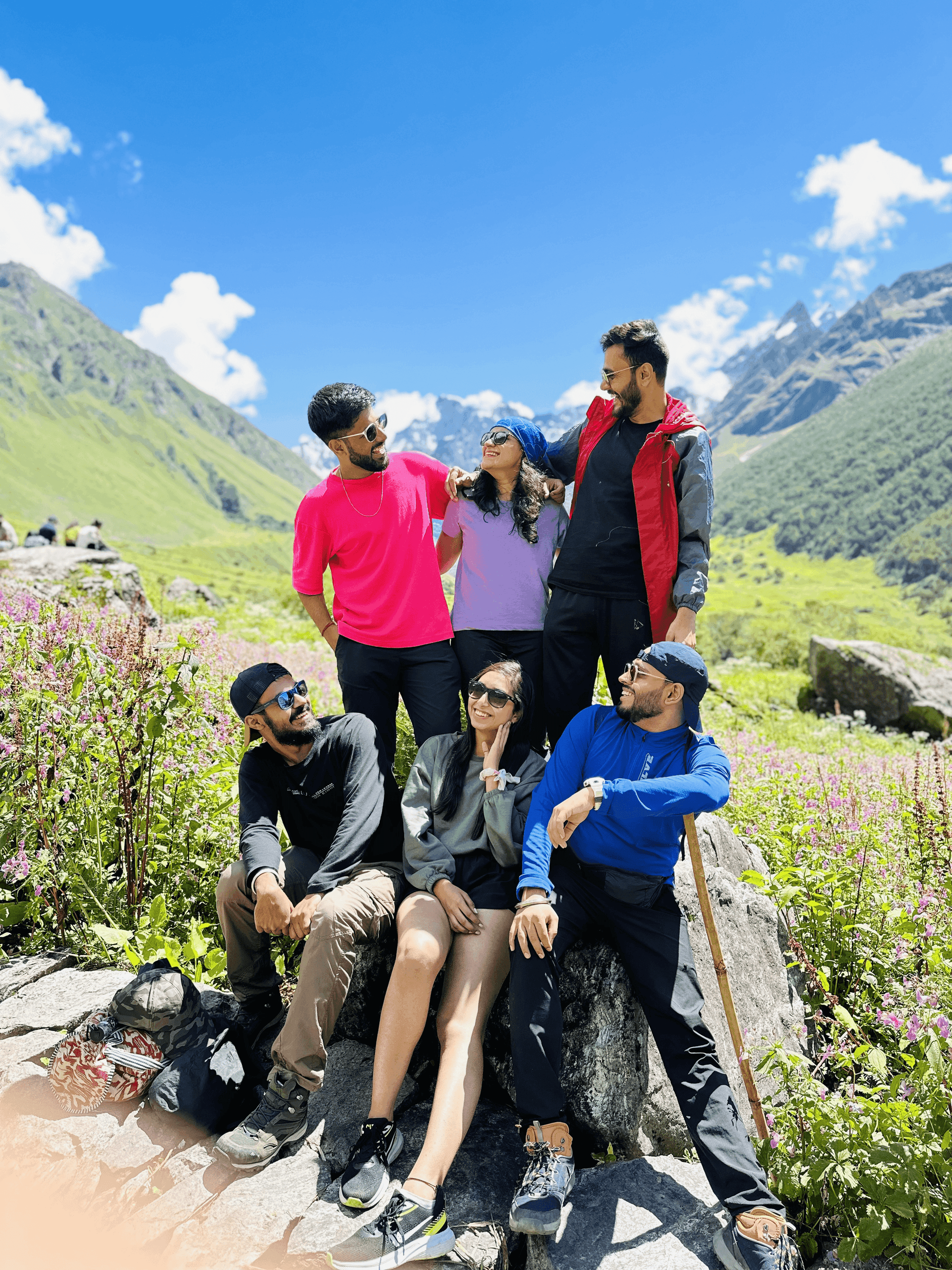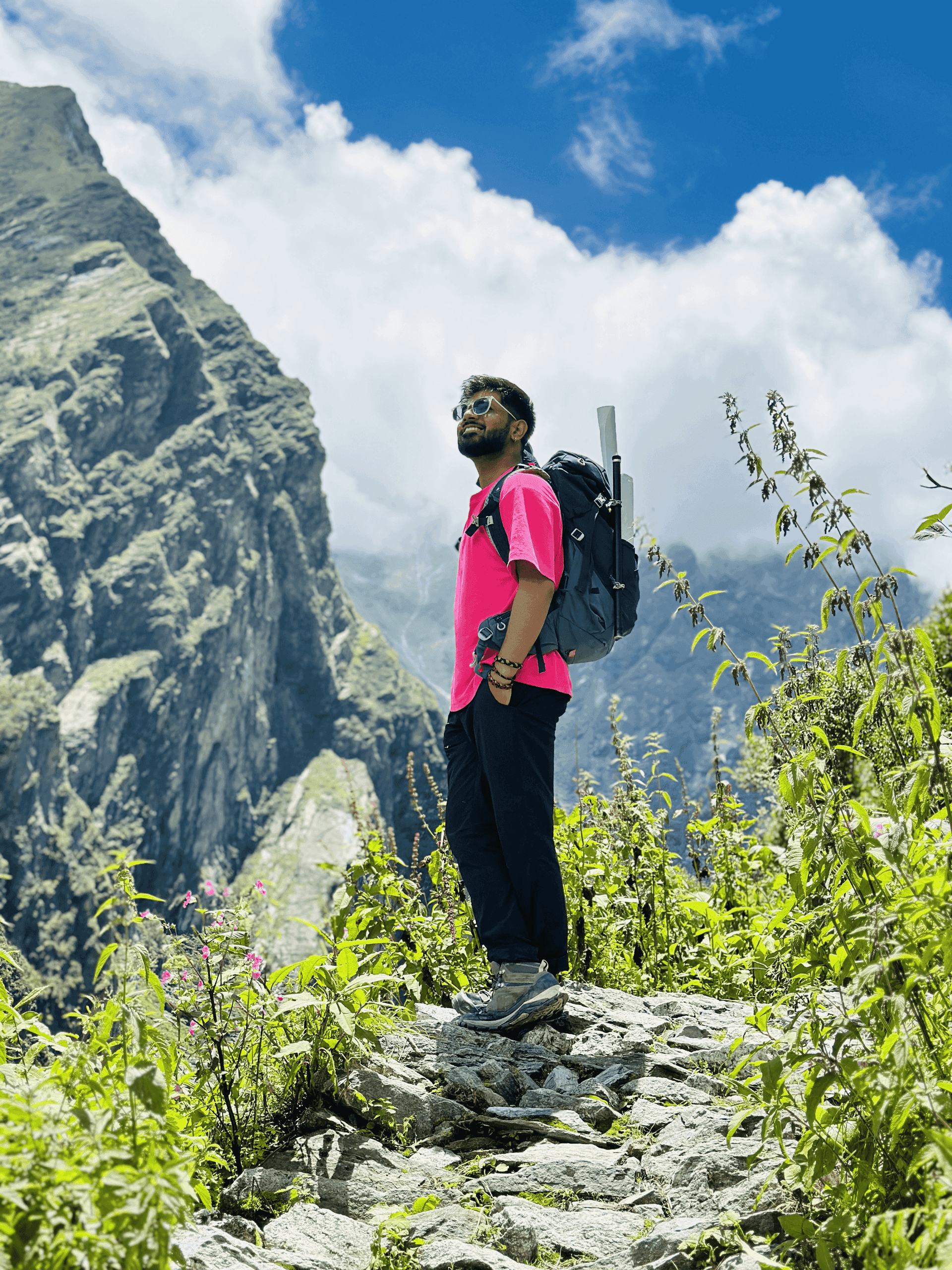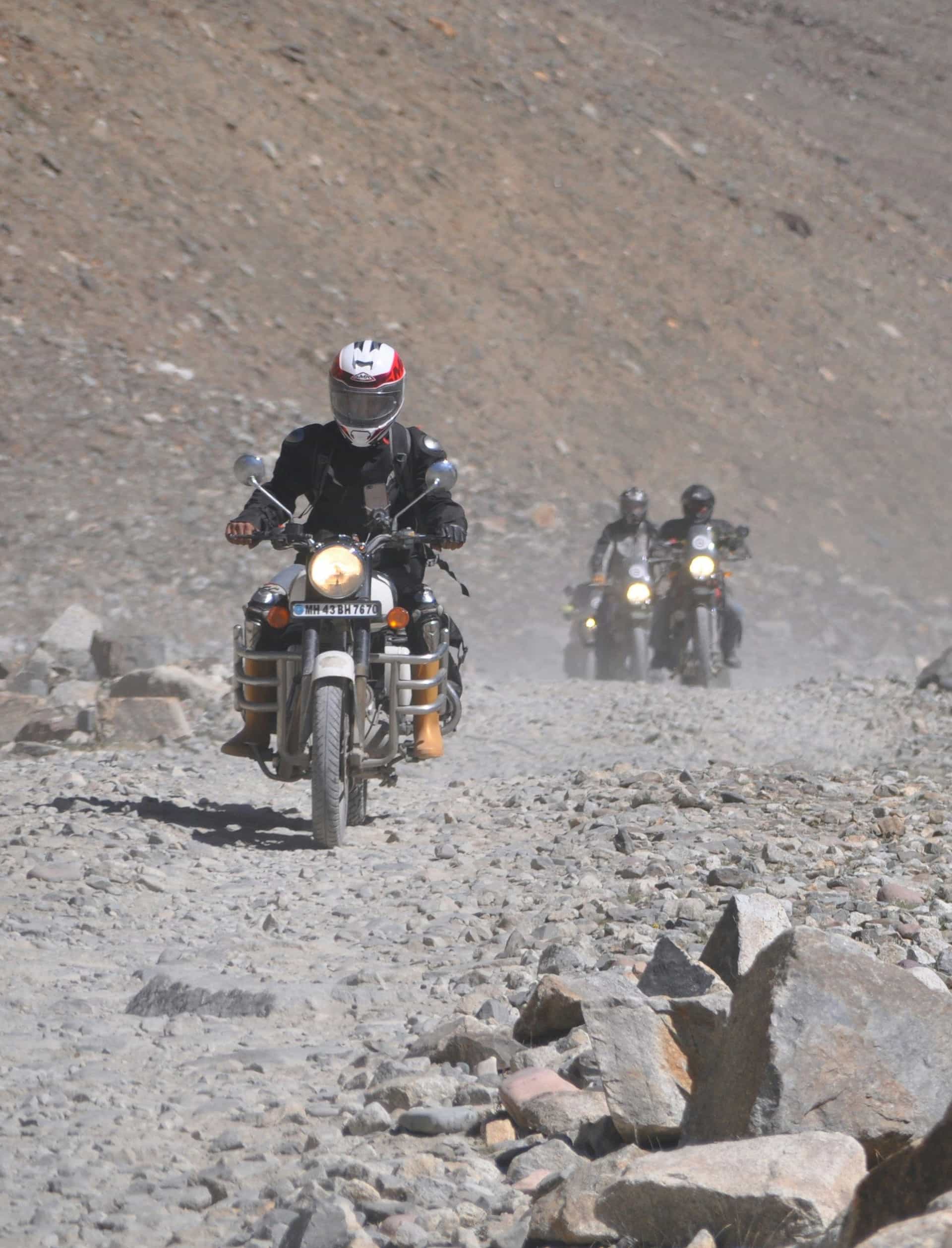
Planning a trip to Zanskar Valley is very different from planning a typical mountain getaway. Distances are long, road conditions vary and the experience depends heavily on how you pace your journey.
This itinerary is designed to help you travel to Zanskar without rushing. Instead of trying to cover everything, it focuses on building a route that balances travel, acclimatization and experience. For a complete understanding of routes, travel challenges and on-the-ground realities, you can also refer to your Zanskar travel guide.
Quick Answer
- Ideal duration → 7 to 10 days
- Start point → Srinagar or Manali
- Best route → via Kargil (more stable)
- Difficulty → moderate to challenging
- Style → slow, experience-focused travel
Quick Planning Facts
- minimum days → 7
- best route → Kargil side
- toughest section → high passes like Shinku La
- easiest plan → Kargil round-trip itinerary
Why a Loop Itinerary Works Better in Zanskar
Most travelers plan a return journey to Zanskar using the same route. While that works, it often leads to long backtracking and repeated landscapes.
A loop itinerary, where you enter from one side and exit from another, offers a more complete experience. It reduces repetition, improves route efficiency and allows you to see different parts of the region in a single trip.
In recent years, routes connecting Zanskar to Leh and Manali have improved, making loop-style travel more practical than before. However, road conditions can still vary, so flexibility remains important.
7-Day Zanskar Itinerary (Most Practical Plan)
Day 1: Srinagar to Kargil
- Distance → ~200 km
- Travel time → 6 to 8 hours
Start your journey from Srinagar and reach Kargil. This helps your body begin gradual acclimatization and avoids sudden altitude gain.
Day 2: Kargil to Padum
- Distance → ~230 km
- Travel time → 8 to 10 hours
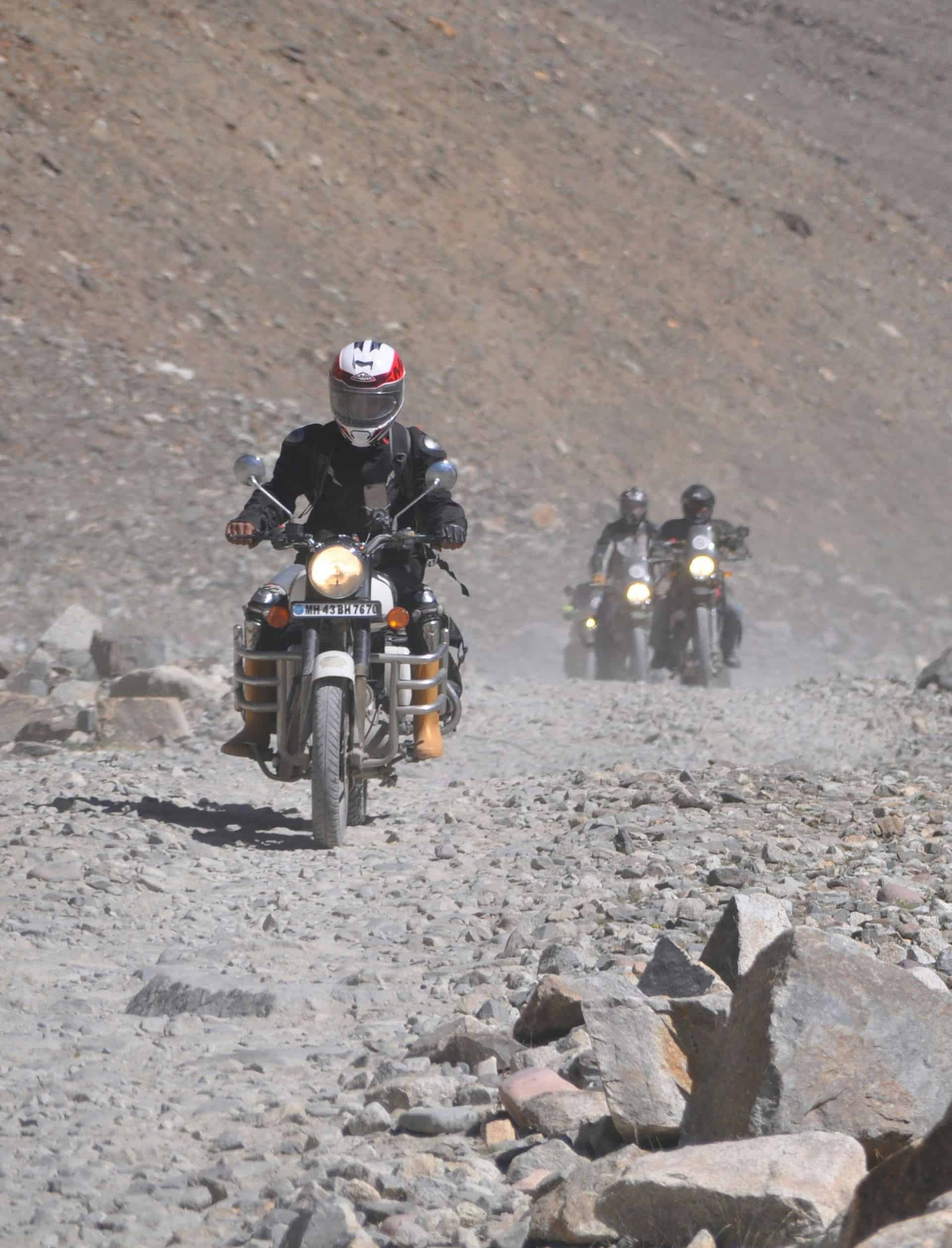
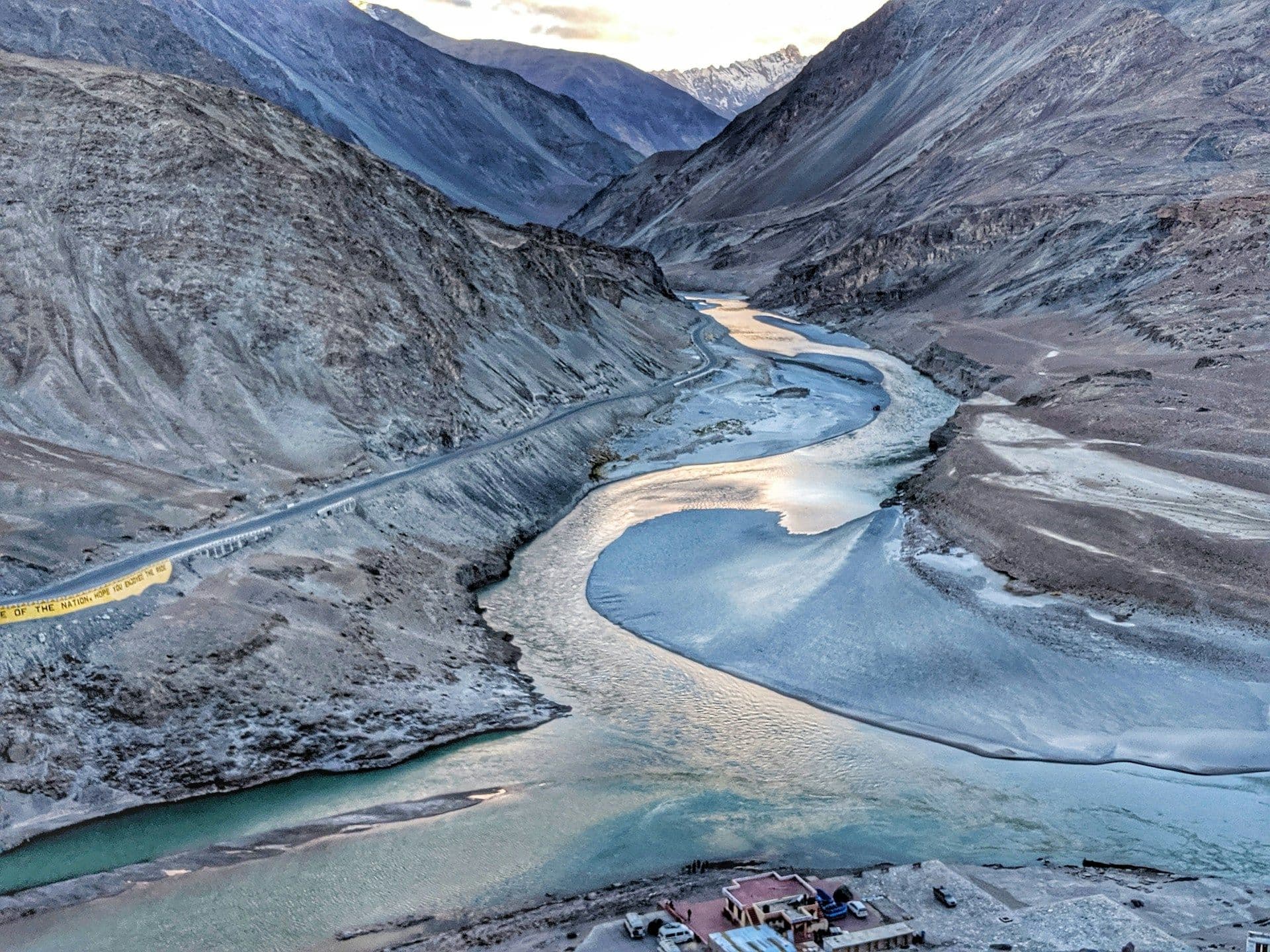
This is one of the longest travel days. The journey introduces you to the remote landscape of Zanskar.
Reach Padum by evening and rest.
Day 3: Padum Acclimatization + Local Exploration
Take this day slow.
- explore monasteries
- walk around villages
- adjust to altitude
This day plays an important role in how you experience the rest of the trip.
Day 4: Padum to Karsha & Nearby Areas
- Visit Karsha Monastery
- explore nearby settlements
This gives you a closer look at local life and culture.
Day 5: Padum to Phugtal (Drive + Hike)
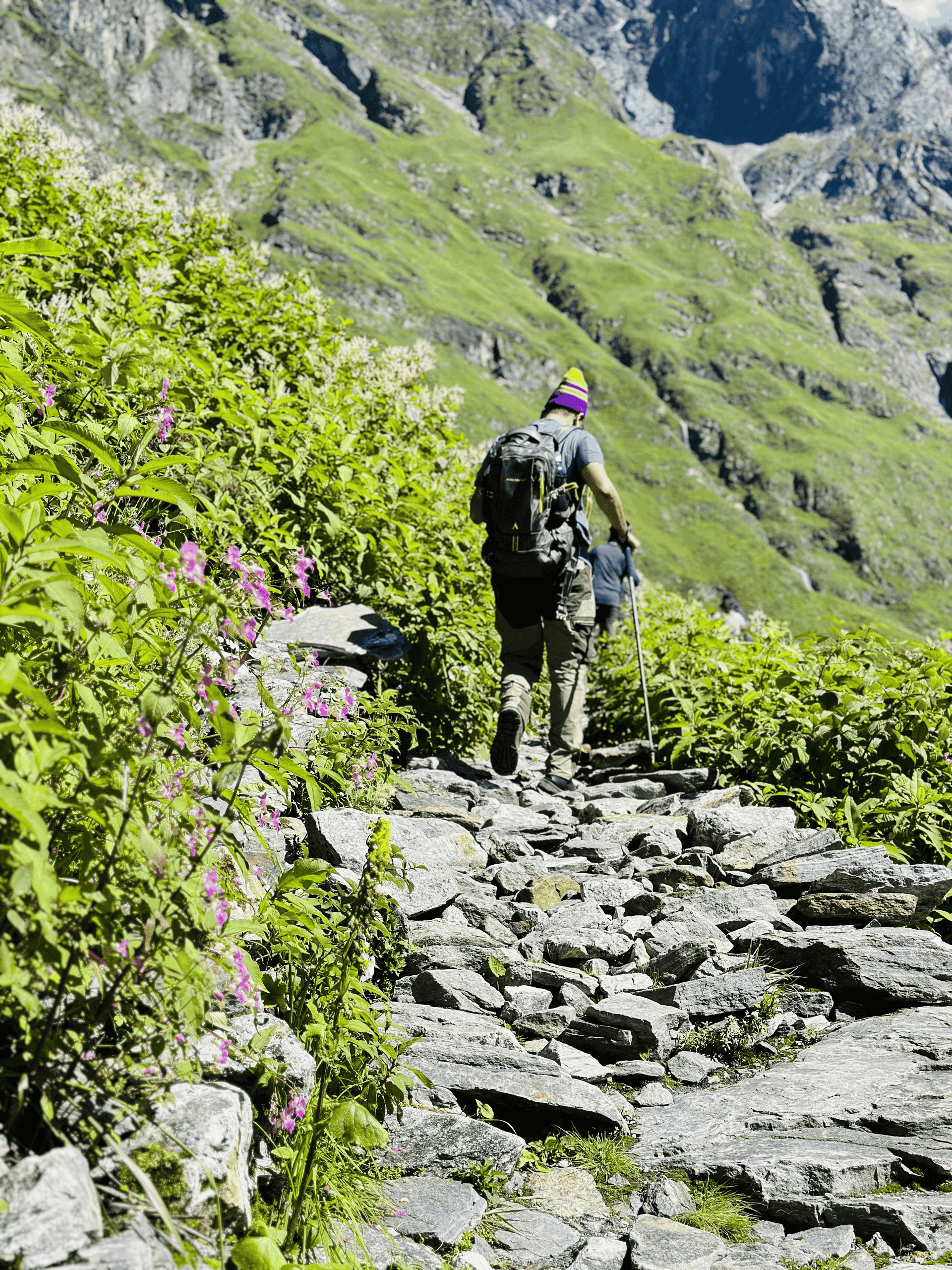
Start early and drive towards the last accessible point near Purne. From here, you continue on foot toward Phugtal Monastery.
The trek is shorter than older routes but still requires effort. The walk to Phugtal is not just a trek; it feels like entering a space completely cut off from the rest of the world, where silence and scale take over.
Day 6: Padum to Rangdum
- scenic drive
- multiple photo stops
The landscape begins to shift as you move away from Padum.
Day 7: Rangdum to Kargil/Exit
Return toward Kargil and prepare for your exit.
9-Day Zanskar Itinerary (Smart Loop Experience)
If you want a deeper and more efficient experience, a loop itinerary works better.
Day 1–2: Srinagar to Kargil
Gradual acclimatization.
Day 3: Kargil to Padum
Entry into Zanskar.
Day 4: Padum Local Exploration
Slow travel day.
Day 5: Padum to Phugtal
Drive + hike experience.
Day 6: Padum to Purne/Nearby Stay
Stay closer to remote regions instead of returning immediately.
Day 7: Explore Gonbo Rangjon Area
A unique landscape and a quieter experience compared to the main routes.
Day 8: Exit via Shinku La or Leh Side
Depending on road conditions, exit toward Manali or Leh. Travelers who enjoy remote Himalayan road journeys are often drawn toward regions like Spiti as well.
Day 9: Final Exit
Complete your journey without rushing.
Route Options
Route | Best For | Difficulty |
| Kargil Route | First-time travelers | Moderate |
| Manali Route | Adventure travelers | High |
| Nimmu Route (Leh Side) | Shorter exit option | Variable |
If you are still deciding between destinations, your Zanskar vs Ladakh guide can help you choose the right experience.
What Most People Get Wrong in Planning
- underestimating travel time
- skipping acclimatization
- overpacking itinerary
- expecting strong connectivity
Zanskar rewards slower and more flexible travel.
Key Planning Insights
- Fuel availability is limited, especially beyond Padum
- Network connectivity is inconsistent
- Delays are common due to terrain and weather
- Always keep buffer time in your plan
Budget Snapshot (Itinerary Level)
- budget → ₹2,500 to ₹4,000/day
- mid-range → ₹4,500 to ₹7,000/day
- premium → ₹10,000+
Transport remains the biggest cost factor. For a detailed breakdown, you can also check your Zanskar trip cost guide.
Who This Itinerary Is For
- offbeat travelers
- road trip enthusiasts
- People are comfortable with basic infrastructure
Who Should Skip This Plan
- short-trip travelers
- comfort-focused travelers
- first-time mountain visitors
Is 7 Days Enough for Zanskar?
Yes, but only if you follow a structured plan and avoid rushing.
For a more relaxed and complete experience, 9 to 10 days works better.
Final Verdict
Zanskar is not a place you rush through. A well-planned itinerary makes a significant difference in how you experience the region.
If you prefer not to manage routes, stays and logistics on your own, you can also consider a structured Zanskar Valley trip through Desh Videsh Travels for a smoother and more organized journey.