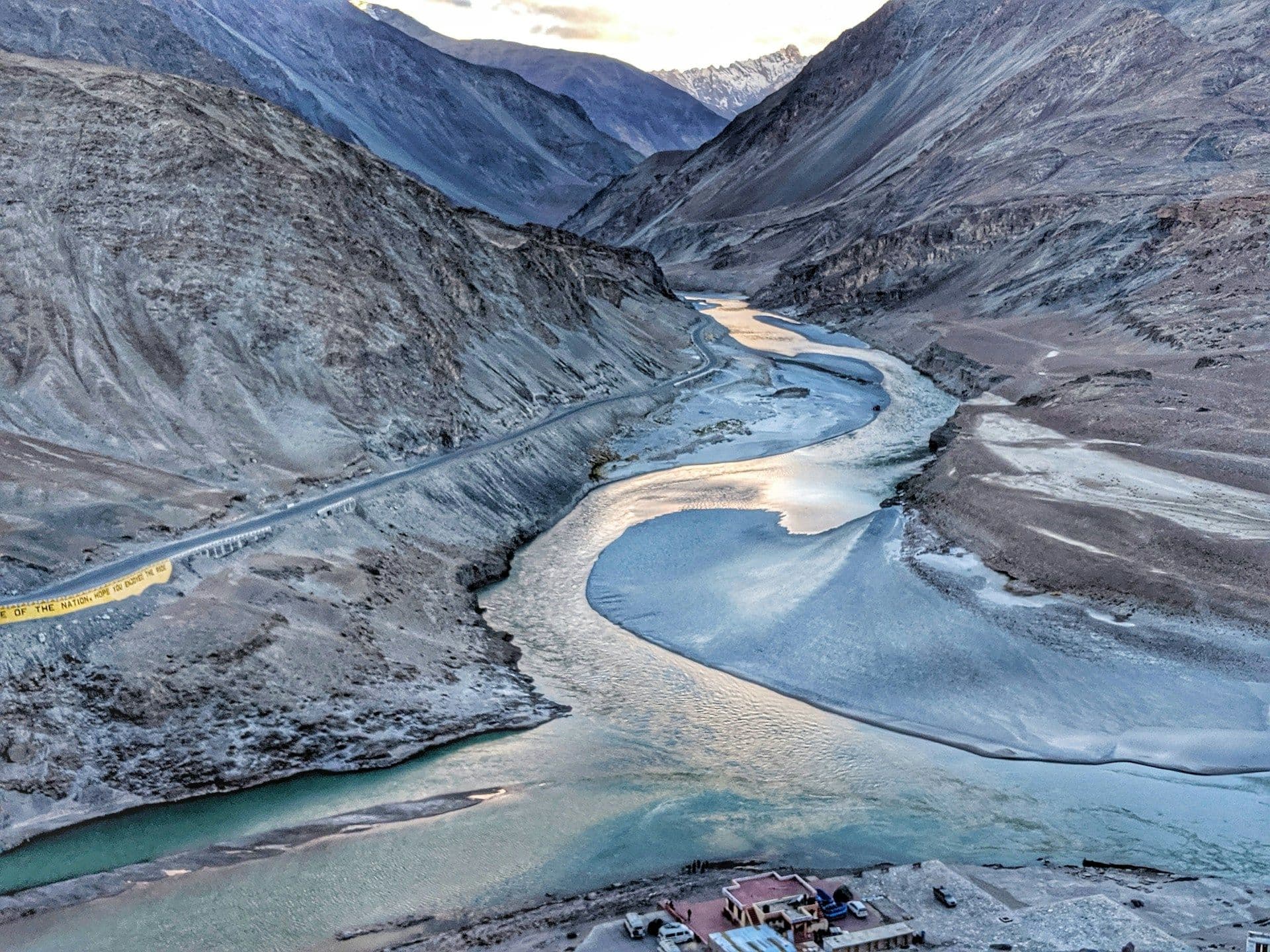
Zanskar Valley is not a place you casually visit. It is one of the most remote and least commercialized regions in the Indian Himalayas, where the journey itself often feels more demanding than the destination.
Unlike mainstream circuits in Leh or Manali, Zanskar is quieter, harsher and far less forgiving. Roads are longer, connectivity is limited and plans often depend more on weather than schedules.
This guide is not about selling the destination. It is about helping you understand whether Zanskar is actually for you.
Quick Answer
- Best for → offbeat travelers, road trip enthusiasts, slow travel
- Ideal duration → 7 to 10 days
- Best time → June to September
- Difficulty → moderate to challenging (due to terrain and remoteness)
- Connectivity → very limited
What Makes Zanskar Different
Zanskar is often compared with Ladakh, but the experience is fundamentally different.
While places like Leh have become more accessible and structured, Zanskar still feels largely untouched. The roads are longer, villages are more spread out and the landscape feels raw rather than curated.
There are fewer cafes, fewer crowds and fewer conveniences. What you get instead is space, silence and a sense of distance from everything familiar.
Why Visit Zanskar Valley
Zanskar is not for everyone and that is exactly why it stands out.
- remote landscapes with minimal tourist movement
- authentic village life without heavy commercialization
- long road journeys that feel like expeditions
- slower, more immersive travel experience
If you are looking for curated travel, this may not work. If you are looking for something less structured, it becomes one of the most rewarding regions to explore.
Route Guide: Choosing the Right Way to Reach Zanskar
Reaching Zanskar is part of the experience and you have three main routes to consider.
Via Kargil (Most Stable Route)
- Srinagar → Kargil → Padum
- relatively better road conditions
- ideal for gradual acclimatization
This is still the most reliable route for most travelers.
Via Manali (Most Raw Route)
- Manali → Darcha → Shinku La → Padum
- rugged terrain with high-altitude crossings
- more unpredictable conditions
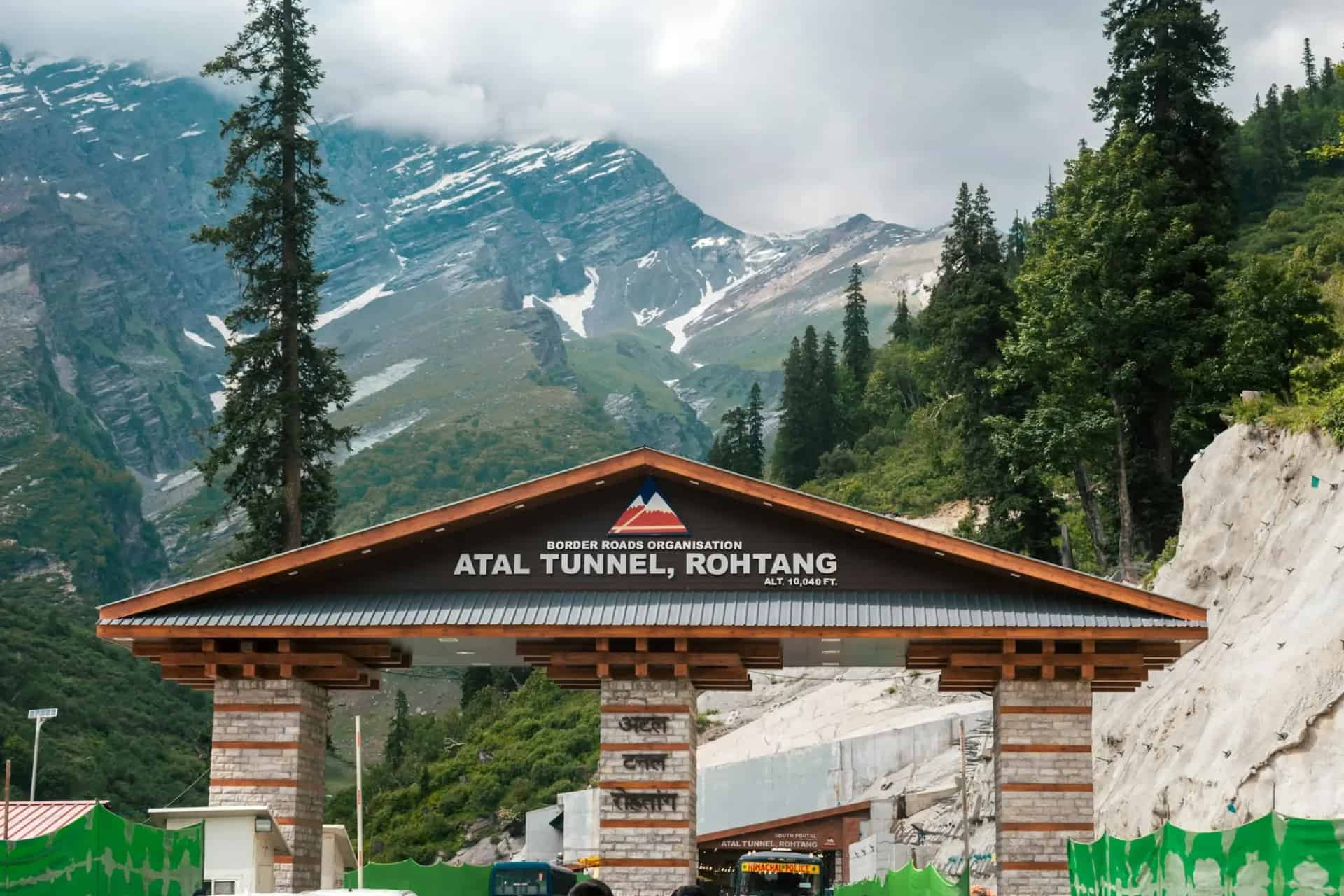
This route feels like an expedition and is better suited for experienced road travelers. Many travelers crossing this side of the Himalayas also halt around Jispa for acclimatization.
Via Nimmu (Newer Route from Leh)
- Leh → Nimmu → Padum
- shorter on paper, but still developing
- follows the Zanskar River for long stretches
This route is gaining popularity, but conditions can vary, so planning flexibility is important.
Key Insight
Distances in Zanskar can be misleading. What looks like a short drive on a map can take several hours due to terrain and road conditions.
If you are planning a broader mountain trip, you can also explore routes connected through Manali, which often acts as a starting point for high-altitude journeys.
The “Padum Reality” (Base of Zanskar)
Padum is the main hub of the region.
Do not expect a developed town.
- limited hotels and homestays
- simple food options
- minimal social or nightlife scene
Padum is a functional base, not a highlight destination.
What to Do in Zanskar Valley
Zanskar is not about ticking off places, but there are still meaningful experiences.
Monastery Circuit
- Karsha Monastery
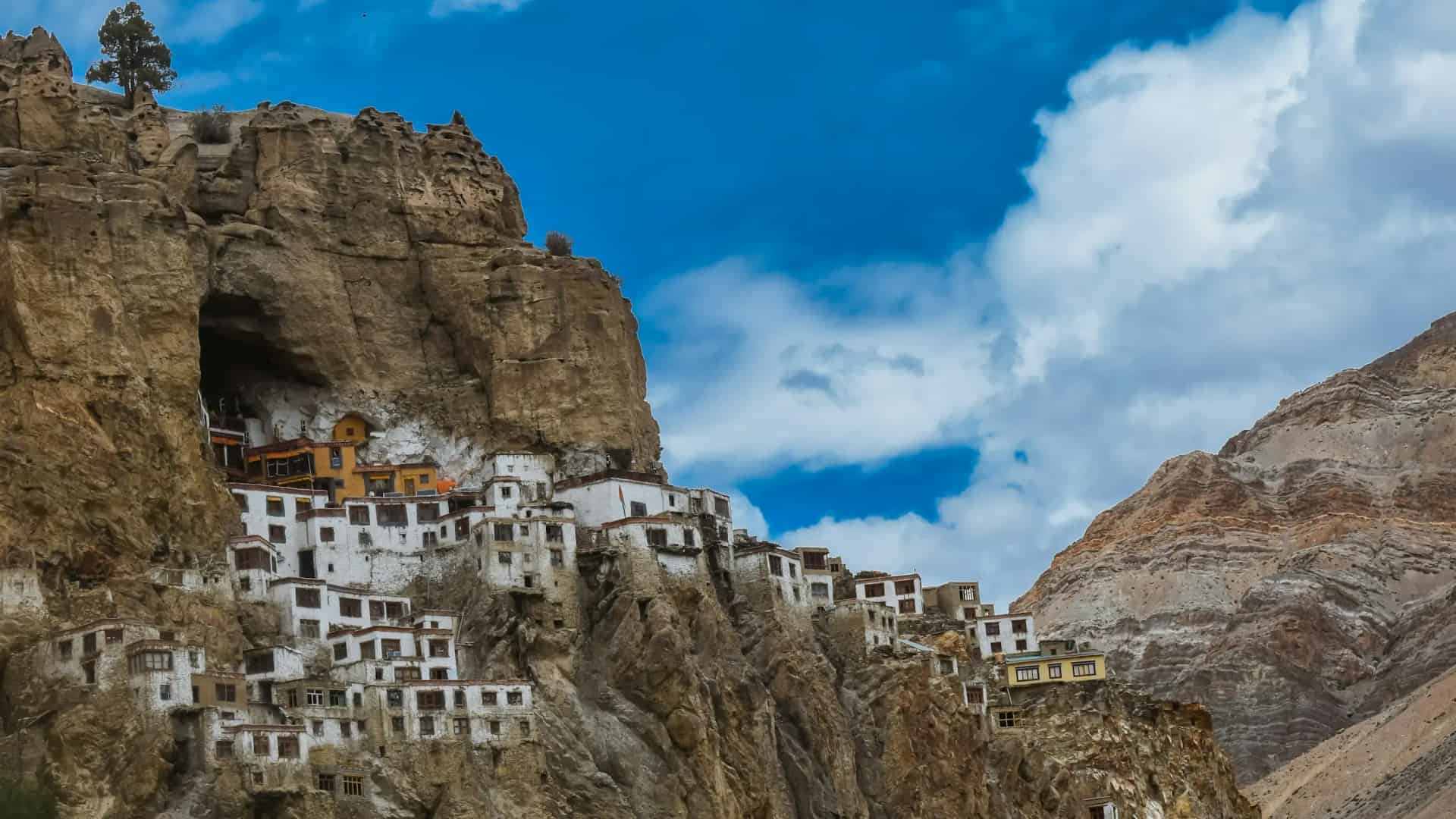
- Phugtal Monastery
These are not crowded tourist spots. Visits feel quiet and immersive rather than rushed.
Phugtal Monastery (Updated Access)
Reaching Phugtal is still a highlight, but access has improved over time. You can now drive closer than before, reducing the trek distance. However, the final stretch still requires a walk, and the experience remains remote and rewarding.
Village Exploration
Villages around Padum offer a glimpse into daily life that still feels largely untouched by tourism.
Gonbo Rangjon (Emerging Highlight)
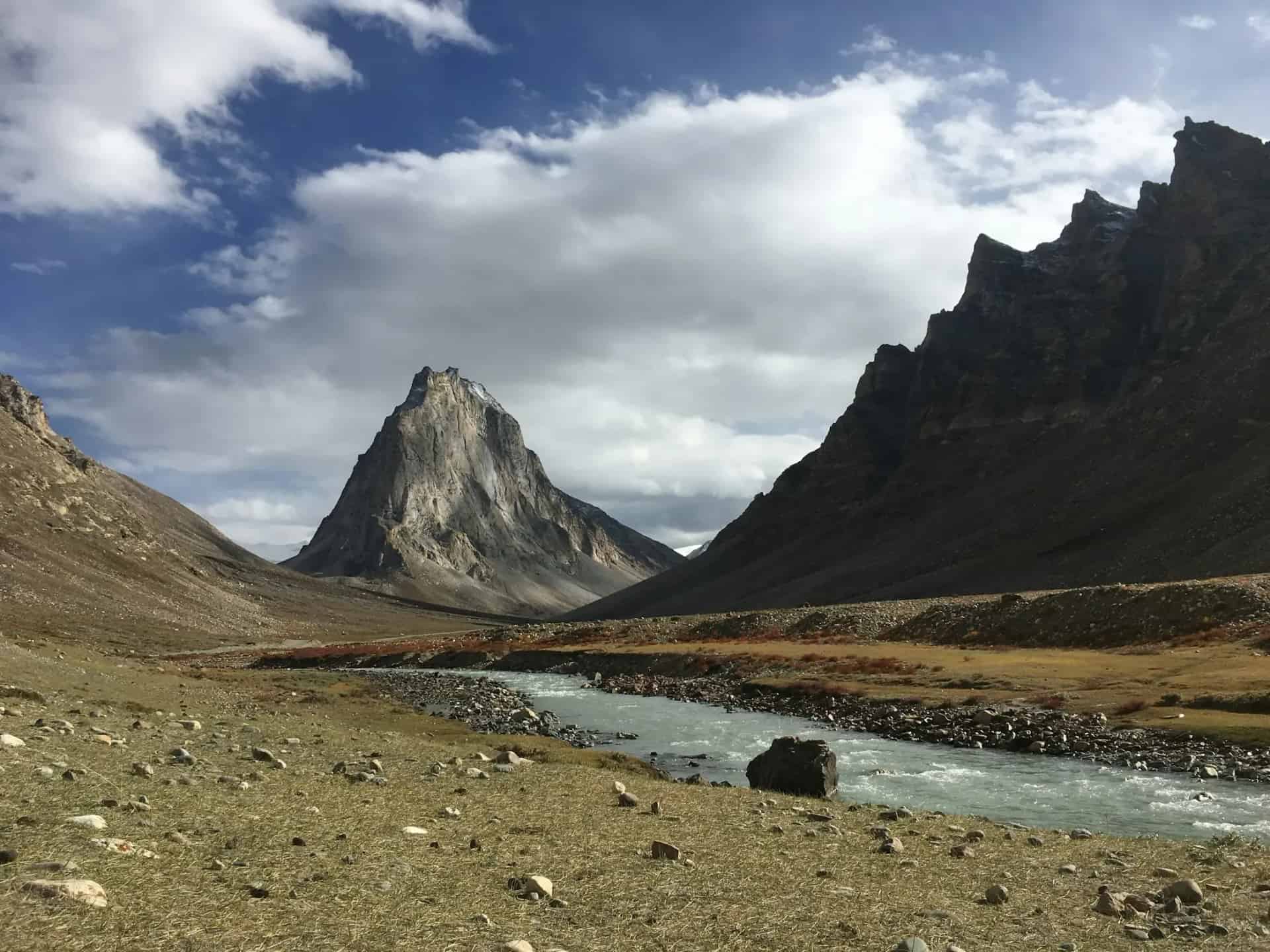
Gonbo Rangjon is gaining attention as a unique landscape feature. It is a massive isolated rock formation surrounded by open terrain, making it a strong spot for photography and night sky viewing.
Trekking & Remote Trails
Zanskar is known for treks like:
- Chadar Trek (winter)
- Phugtal trek
These are not casual treks and require preparation.
Zanskari Soul Food: What to Eat When the Cafés End
Food in Zanskar is simple but deeply rooted in local culture.
- Skyu and Chutagi are traditional dishes made with wheat dough and vegetables, often compared to Himalayan-style pasta
- Khambir is a local bread usually eaten with butter or jam
- Butter tea is a staple drink, and it may be refilled frequently as part of local hospitality
Meals are usually home-cooked, especially in homestays and the experience is more about warmth than variety.
Eco-Homestays vs Basic Hotels: Where to Stay
Zanskar is moving toward small-scale, sustainable stays rather than large hotels.
Most travelers stay in homestays, where you get simple rooms, home-cooked food and a closer connection to local life. A few guesthouses in Padum offer slightly more comfort, but overall, accommodation remains basic compared to mainstream destinations.
The Digital Reality: Connectivity, Power & Survival
Connectivity in Zanskar is improving slowly but remains limited.
- Mobile networks work inconsistently in Padum
- Most remote areas have no signal
- Some stays may offer Wi-Fi, but it is not always reliable
Electricity is available in Padum for longer hours than before, but outages can still happen. Carrying a power bank is essential.
Best Time to Visit Zanskar Valley
June to September
This is the only practical window for most travelers.
- Roads are open
- The weather is relatively stable
- accessibility improves
Winter (November to February)
Extreme conditions with limited access.
Only suitable for specialized experiences like the Chadar Trek.
Ground Reality: What to Expect When Traveling in Zanskar Valley
This is where most travelers miscalculate.
Long Travel Hours
Even short distances can take several hours.
Limited Connectivity
Mobile networks are unreliable or unavailable in many areas.
Basic Infrastructure
Accommodation and food options are limited compared to Leh or Manali.
Weather Dependency
Plans can change quickly due to road or weather conditions.
High-Altitude Risk: What You Should Know
Zanskar involves high-altitude travel, and this is something you should take seriously.
Routes that involve crossing high passes, especially from the Manali side, can increase the risk of altitude sickness if done too quickly.
A better approach is to break the journey and spend a night at a lower altitude before moving higher. Gradual acclimatization makes a significant difference in how your body responds.
Budget Overview
Zanskar is not cheap due to logistics.
- budget → ₹2,500 to ₹4,000 per day
- mid-range → ₹4,500 to ₹7,000 per day
- premium → ₹10,000+ per day
Transport remains the biggest cost factor. For a more detailed breakdown of transport, stays and logistics, refer to this Zanskar trip cost guide.
Who Should Visit Zanskar
- travelers seeking offbeat destinations
- road trip enthusiasts
- people are comfortable with basic conditions
Who Should Skip It
- first-time mountain travelers
- people expecting comfort and convenience
- short-trip planners
Is Zanskar Valley Worth It?
For the right traveler, yes.
Zanskar is not about comfort. It is about experience.
Travelers who enjoy remote Himalayan regions are often drawn toward places like Spiti as well and journeys that feel meaningful. Zanskar offers something very few places still do.
Planning Tip
Do not over-plan your itinerary.
Keep buffer days, stay flexible and prepare for slower movement.
If you prefer a structured experience, it is better to travel with a planned itinerary rather than managing logistics entirely on your own.
Final Verdict
Zanskar Valley is not a destination you visit casually. It demands time, patience and adaptability, and the experience depends as much on your preparation as it does on the place itself.
But if you are willing to accept that, it offers one of the most raw and unfiltered Himalayan experiences left in India.
If you prefer not to manage complex routes, stays and logistics on your own, you can also consider a structured Zanskar Valley trip with Desh Videsh Travels, designed to make the journey smoother without taking away the raw experience.