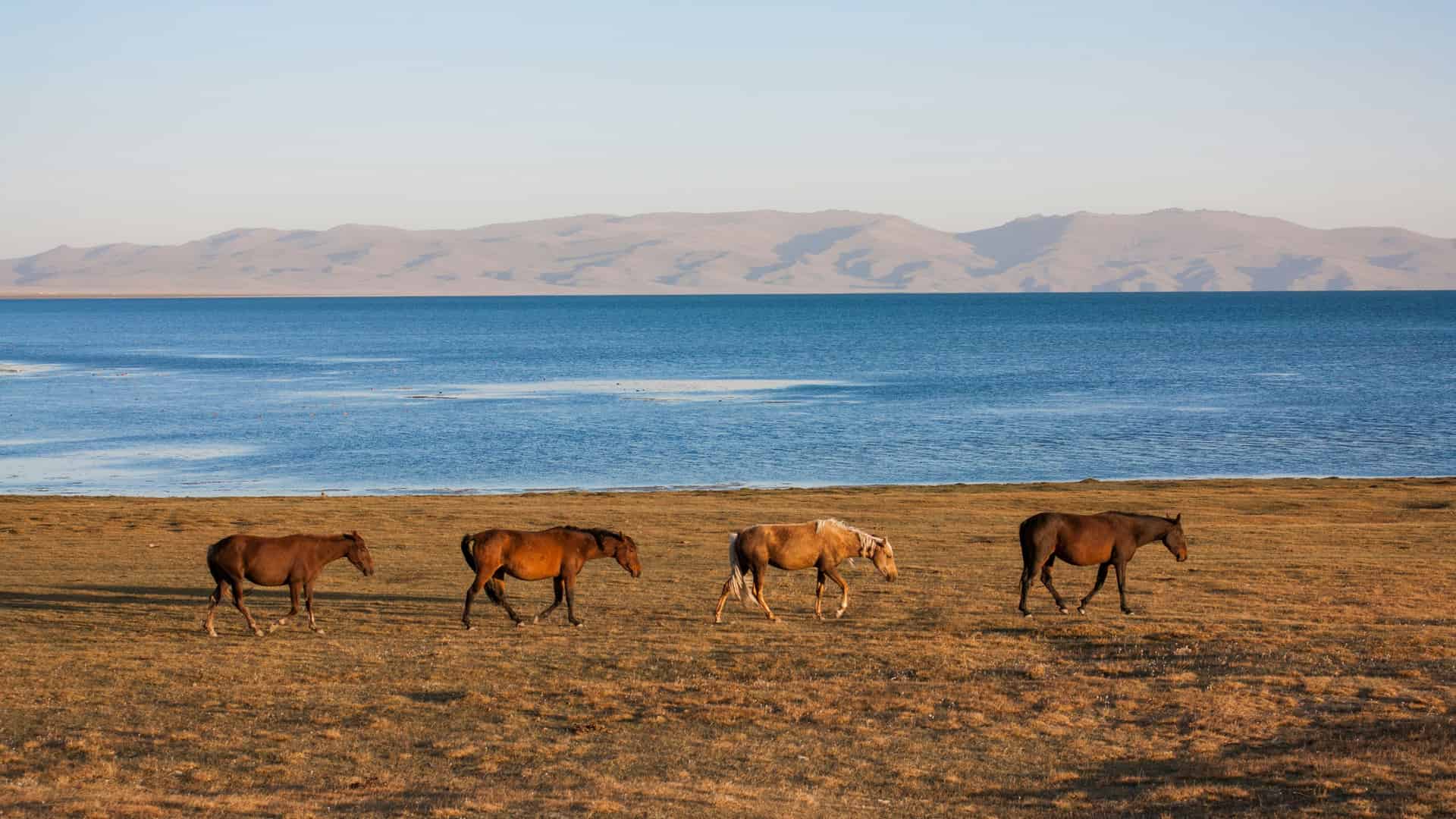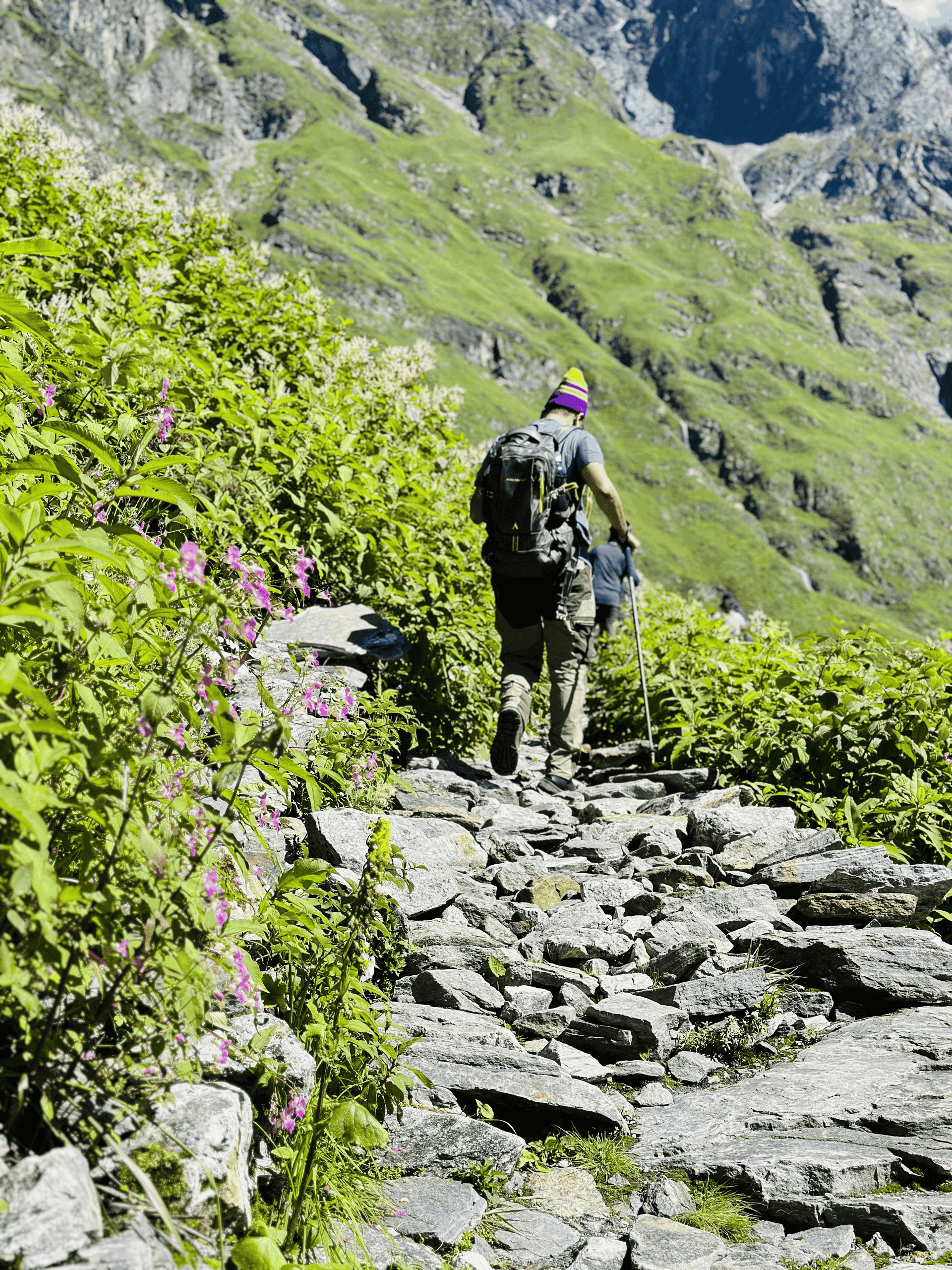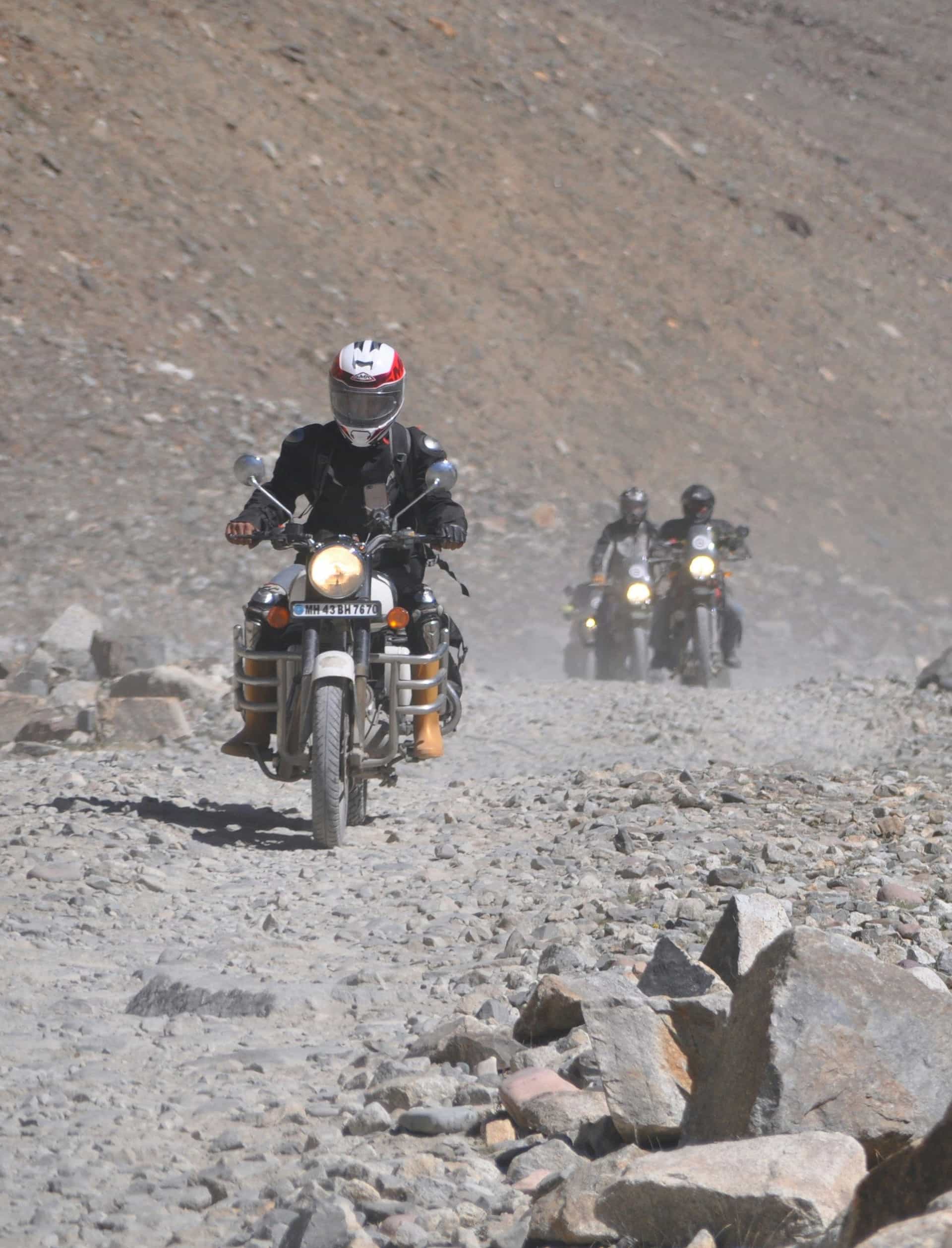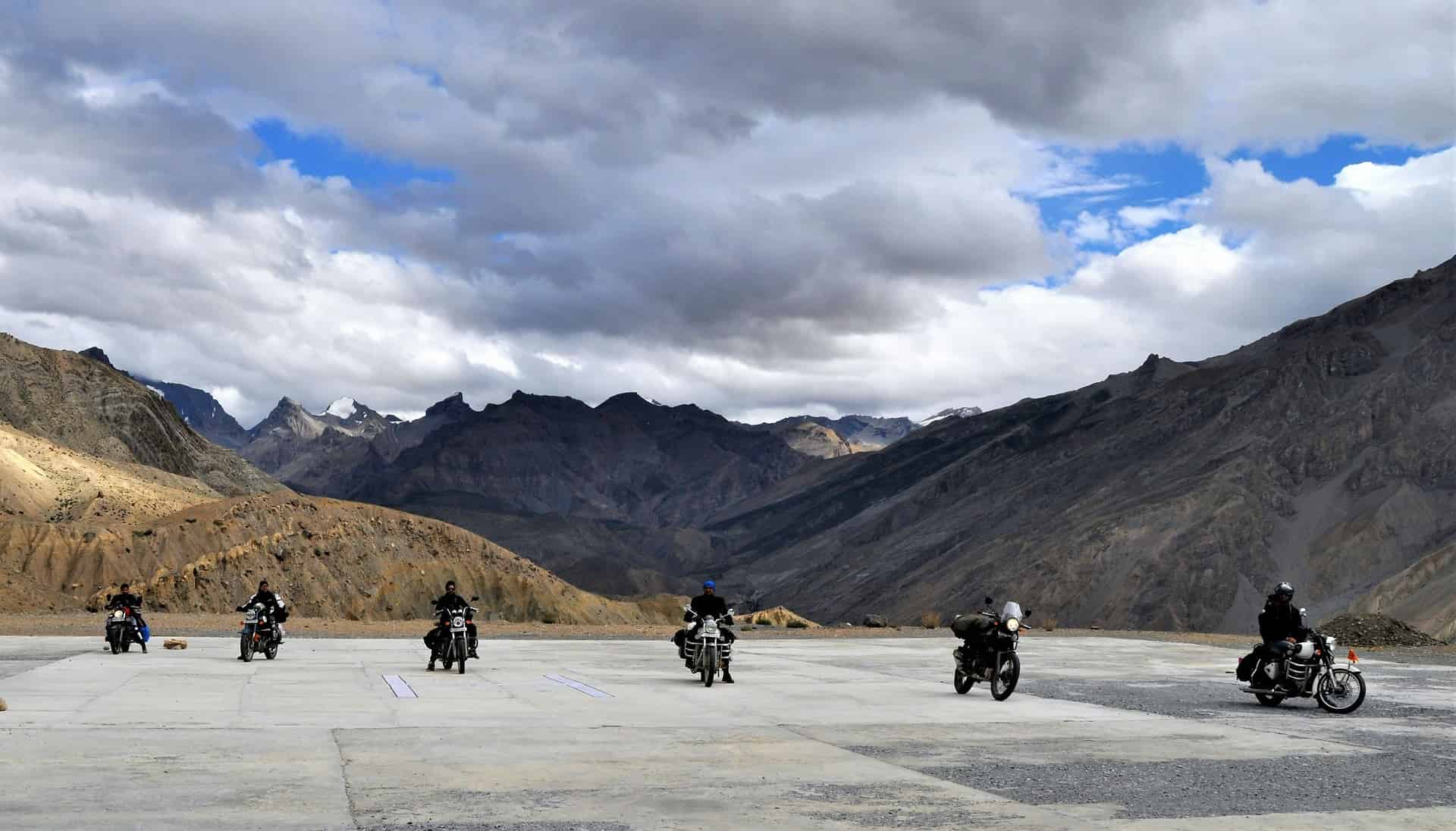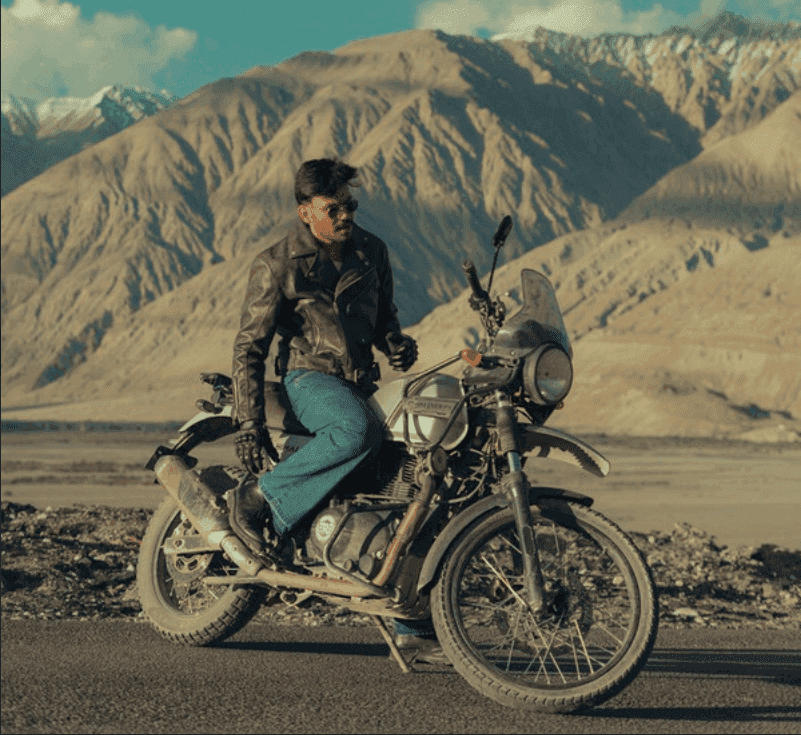
Somewhere after crossing the Atal Tunnel, Himachal slowly starts ending.
The cafés disappear, the mountains become emptier, the roads feel harsher and the journey begins feeling less like a vacation and more like a real Himalayan expedition.
That transition is exactly where Jispa sits.
Located along the Manali–Leh highway, Jispa is one of the most important overnight stops for travellers heading toward Ladakh and Zanskar are known for acclimatization, riverside camps, high-altitude landscapes and long Himalayan road journeys.
Why Travellers Stay in Jispa Before Leh & Zanskar
One of the biggest mistakes travellers make on Himalayan road trips is gaining altitude too quickly.
That’s where Jispa becomes extremely important.
Located at a much safer altitude compared to Sarchu, Jispa is considered one of the best acclimatization stops for travellers heading toward:
- Leh
- Zanskar
- Higher Ladakh circuits
Instead of attempting extremely long highway drives in a single day, many experienced travellers now prefer slowing down and spending a night in Jispa before moving deeper into higher-altitude terrain.
Compared to rushed itineraries, this approach usually feels:
- safer
- less exhausting
- more comfortable
- better for acclimatization
The colder mountain atmosphere, quieter roads and slower pace also make Jispa feel far more immersive compared to quick highway stopovers.
Many experienced Himalayan travellers now describe Jispa as the “Goldilocks zone” of the Manali–Leh highway, high enough for gradual acclimatisation, but still significantly safer and more comfortable compared to aggressive overnight halts like Sarchu.
Jispa vs Sarchu: Which Overnight Stop Is Better?
This is one of the biggest questions travellers ask while planning the Manali–Leh highway route.
Both Jispa and Sarchu are common overnight stops, but the experience feels very different.
Why Many Travellers Prefer Jispa
Jispa sits at a lower altitude compared to Sarchu.
That’s one of the biggest reasons many travellers now prefer staying here during the first phase of their Himalayan journey.
Compared to Sarchu, Jispa usually feels:
- easier on the body
- safer for acclimatization
- more comfortable for sleeping
- less physically exhausting
This becomes especially important for travellers:
- coming directly from Delhi or Chandigarh
- first-time Ladakh visitors
- families
- self-drive travelers
- bikers
who are not yet fully adjusted to high-altitude conditions.
Why Sarchu Feels More Extreme
Sarchu feels:
- colder
- rougher
- windier
- more exposed
- significantly higher in altitude
While some travellers still prefer staying there to shorten the Leh journey, altitude sickness risks generally become higher compared to Jispa.
That’s why many experienced Himalayan road-trip travellers now choose:
Manali → Jispa → Leh
instead of rushing directly toward higher overnight stops.
Why the “Snow Wall” Season (May–June) is Best for Photography
Jispa remains accessible mainly during the Himalayan highway season.
Unlike lower Himachal destinations, travel here depends heavily on:
- snowfall
- highway opening schedules
- pass conditions
- BRO road work
- weather stability
Travellers planning broader Himalayan journeys can also explore:
while planning longer mountain circuits.
Jispa During Highway Season (May to September)
This is the main travel season for Jispa.
The Manali–Leh highway gradually opens during late spring and early summer, depending on snowfall conditions near:
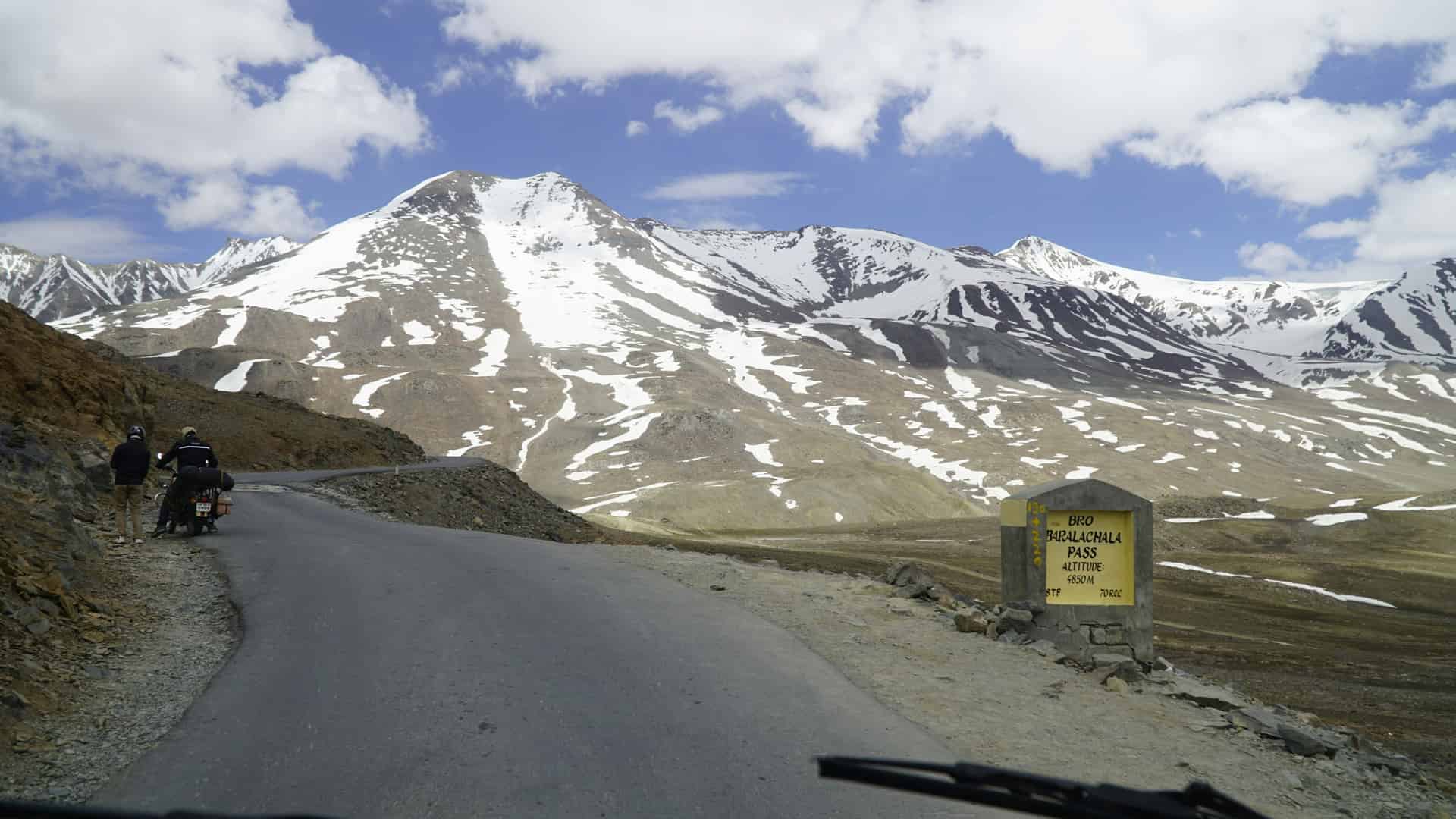
- Baralacha La
- higher mountain passes
- highway snow clearance zones
This period works best for:
- Ladakh road trips
- Zanskar routes
- self-drive journeys
- bike expeditions
- Himalayan camping
- photography
Early season road trips often include dramatic snow walls around higher pass regions, especially during May and June when freshly cleared roads pass through towering snow corridors.
This is also one of the most visually cinematic periods for Himalayan road-trip photography.
Jispa in October
October creates a very different atmosphere across Jispa and the Lahaul region.
The roads usually remain quieter, the skies become clearer and the landscapes start feeling colder and more isolated.
Compared to peak summer months, October feels:
- calmer
- less crowded
- more cinematic
- more rugged
The valleys begin feeling quieter after the peak Ladakh season fades and long highway stretches start carrying a more isolated expedition-style atmosphere.
However, temperatures begin dropping rapidly, especially during nights.
Jispa in Winter
Heavy winter snowfall usually disconnects large parts of the higher highway beyond Jispa.
The broader Leh highway route becomes inaccessible for regular road travel during peak winter periods.
While the Atal Tunnel has improved winter access into Lahaul, travellers should still realistically expect:
- road closures
- heavy snow
- extreme cold
- unpredictable mountain conditions
during the winter months.
Travelers planning broader Himalayan journeys can also check the best time to visit Himachal Pradesh, depending on snowfall, road openings and seasonal accessibility.
Navigating the Manali–Jispa Route: Atal Tunnel & Lahaul Highway Conditions
The Manali–Leh route remains one of the most dramatic road trips in India.
However, it is also physically demanding.
Large sections of the journey involve:
- rough terrain
- altitude gain
- changing weather
- water crossings
- mountain fatigue
- long driving hours
Compared to regular Himachal road trips, this route requires far more preparation.
Atal Tunnel & Highway Access
The Atal Tunnel has significantly improved connectivity to the Lahaul Valley.
Travellers can now reach regions like:
- Sissu
- Keylong
- Jispa
much faster compared to earlier years.
At the same time, once travellers move deeper toward higher passes and Ladakh-bound routes, the terrain gradually becomes more rugged and unpredictable again.
Road Conditions & BRO Work
Large stretches of the Manali–Leh highway continue seeing BRO construction, widening work, and seasonal repairs during 2026.
Travellers should realistically expect:
- broken road patches
- slush zones
- temporary delays
- mountain traffic bottlenecks
- rough sections near passes
especially during early season openings.
Compared to regular highways, average travel speeds remain much slower in high-altitude Himalayan terrain.
Construction activity linked to the future Shinku La Tunnel has also increased vehicle and BRO machinery movement around Darcha and nearby sections during daytime hours.
Travellers should realistically expect slower traffic movement between:
- 9 AM and 5 PM
across certain construction stretches.
Jispa to Padum Road Status: The New Zanskar Highway Reality
One of the biggest Himalayan road-trip developments is the rapid rise of the Nimmu–Padum–Darcha (NPD) route.
This route has transformed Jispa and nearby Darcha into major gateways toward:
- Padum
- Zanskar Valley
- remote Himalayan overland circuits
Travellers heading toward Zanskar now usually take the right turn near Darcha instead of continuing directly toward Leh.
Large sections of the newer route are now paved, making the journey significantly more accessible compared to earlier years.
However, the higher Shinku La crossing remains challenging during early-season conditions because of:
- snow walls
- slush
- unpredictable weather
- rough mountain sections
During early openings in 2026, many travellers still prefer:
- high-clearance vehicles
- 4x4 setups
- anti-skid chains
for safer movement across higher snowbound sections.
Acclimatization & Altitude Sickness Reality
This is one of the most important parts of planning a Jispa stay.
Many travellers underestimate how quickly altitude begins affecting the body after crossing deeper into the Lahaul and Ladakh routes.
Common issues can include:
- headaches
- fatigue
- dizziness
- nausea
- breathing discomfort
- poor sleep
especially if travellers rush too quickly toward higher overnight stops.
Why Jispa Helps With Acclimatization
Jispa gives travellers a much better opportunity to:
- rest
- hydrate
- sleep properly
- slow altitude gain
- adjust gradually before Leh
Compared to higher overnight halts, Jispa usually feels far more manageable physically.
This is one of the biggest reasons why experienced road-trip travellers increasingly use Jispa as an acclimatization stop instead of aggressively rushing the highway.
Travellers needing medical assistance or oxygen support can also access better facilities in nearby Keylong, which remains one of the nearest major high-altitude medical support points in the region.
High-Altitude Travel Tips
Travellers heading beyond Jispa toward Ladakh or Zanskar should:
- stay hydrated
- avoid alcohol initially
- avoid overexertion
- sleep properly
- eat lighter meals
- avoid rushing altitude gain
Travelling slowly is often one of the best ways to make Himalayan road trips safer and more enjoyable.
Jispa Stay Guide: Camps, Riverside Stays & Highway Lodges
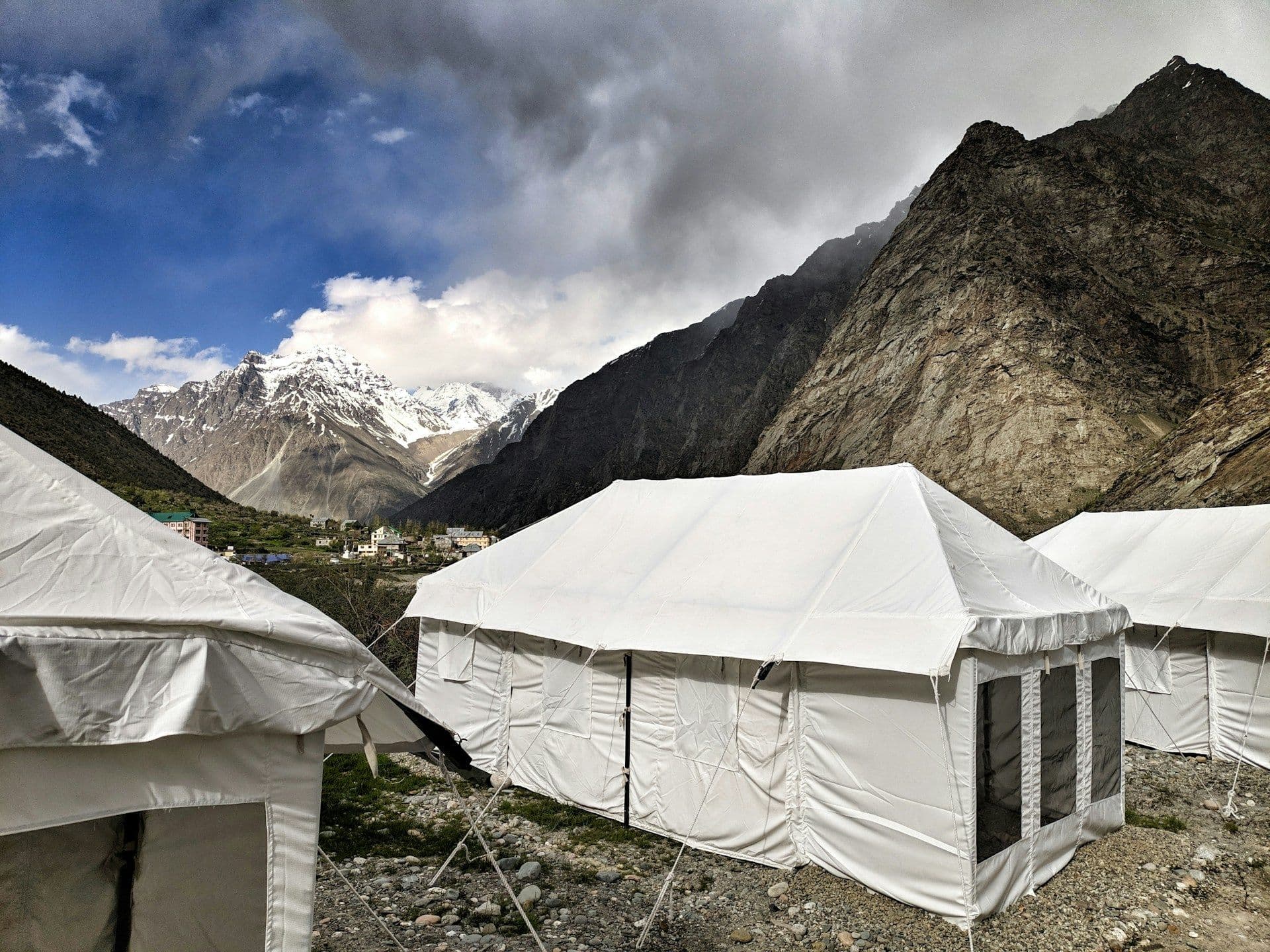
Jispa stays are less about luxury tourism and more about mountain-road atmosphere.
Compared to lower Himachal stays, accommodation here usually revolves around:
- riverside camps
- mountain lodges
- highway hotels
- scenic camping stays
- simpler Himalayan guesthouses
The atmosphere feels quieter, colder and significantly more rugged compared to café-heavy mountain destinations.
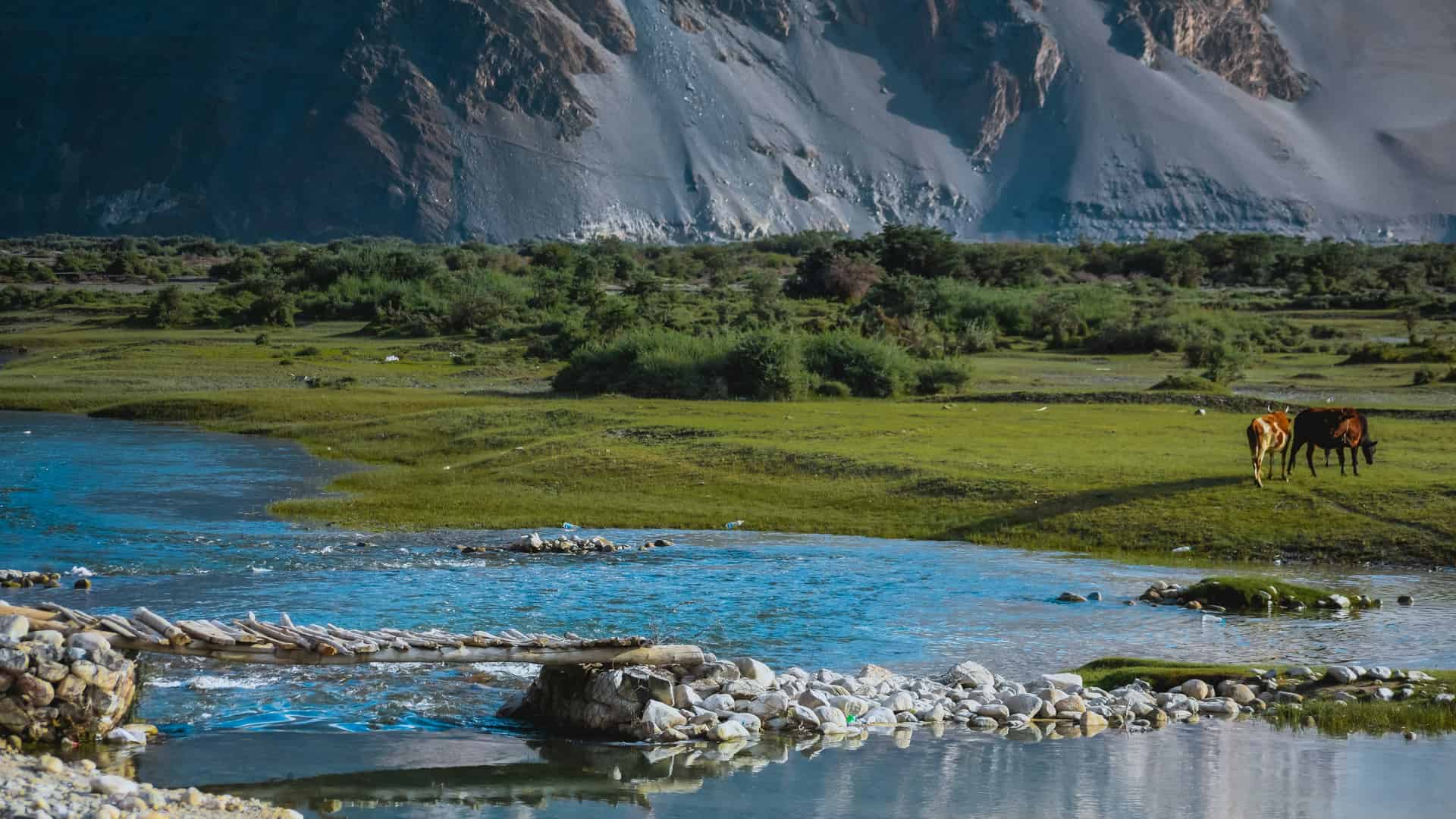
Many travellers specifically choose riverside stays because the Bhaga River valley creates one of the most scenic overnight environments along the Manali–Leh route.
Nights in Jispa usually feel:
- colder
- quieter
- darker
- more isolated
compared to regular Himachal tourist towns.
Authorities have also become stricter regarding unauthorised riverside camping near sensitive mountain zones. Travellers should prefer registered eco-camps and legal camping properties instead of random roadside camping setups.
Beyond the Stopover: Deepak Tal, Suraj Tal & Darcha Bridge
Even though most travellers use Jispa as a transit stop, the surrounding region still offers some incredibly scenic Himalayan landscapes.
Deepak Tal
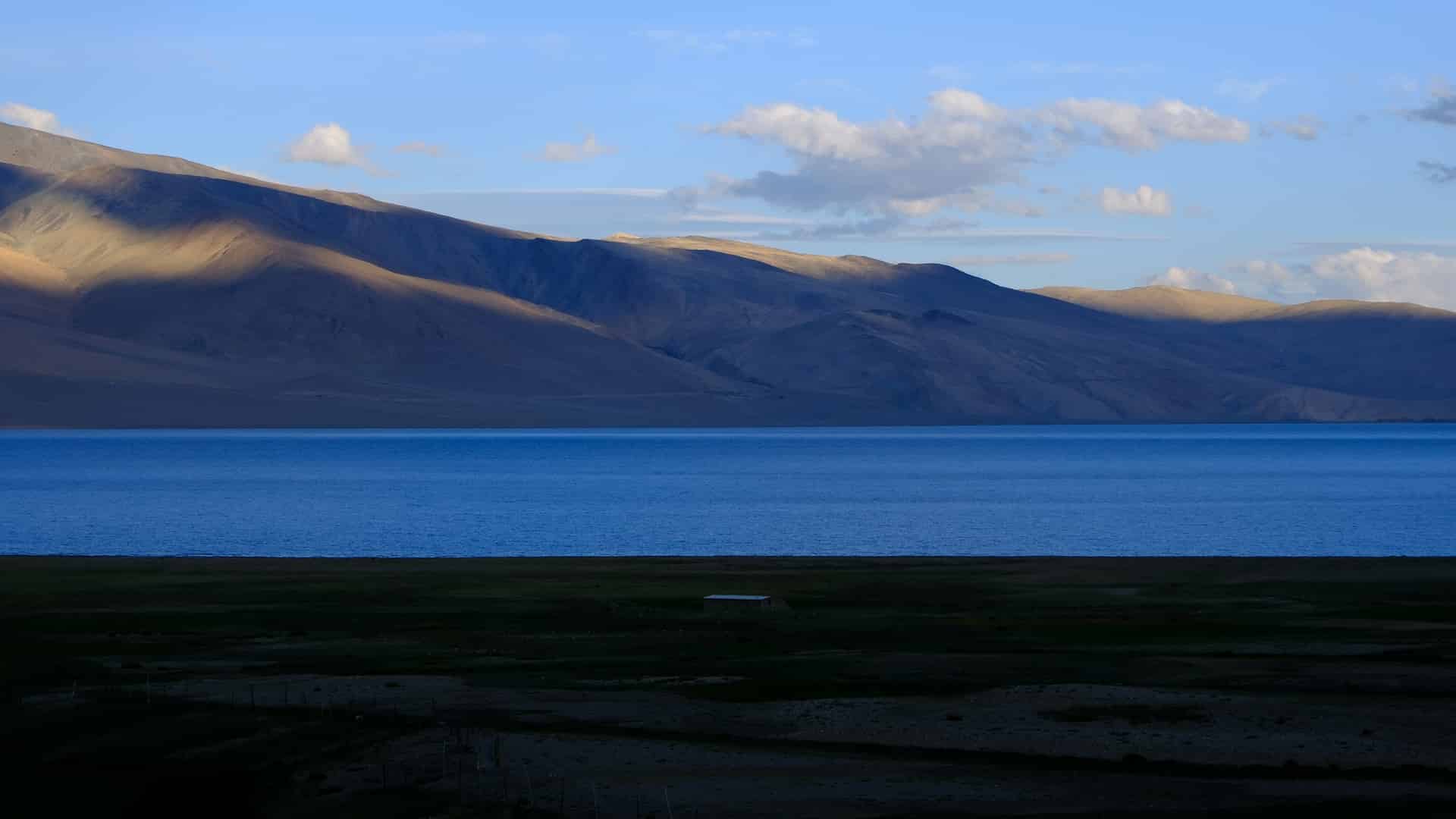
Deepak Tal is one of the most beautiful high-altitude lakes near the Manali–Leh highway.
The lake is known for:
- reflective mountain scenery
- calmer surroundings
- dramatic Himalayan landscapes
- highway photography stops
Early mornings usually offer the clearest reflections and calmer weather conditions.
Suraj Tal
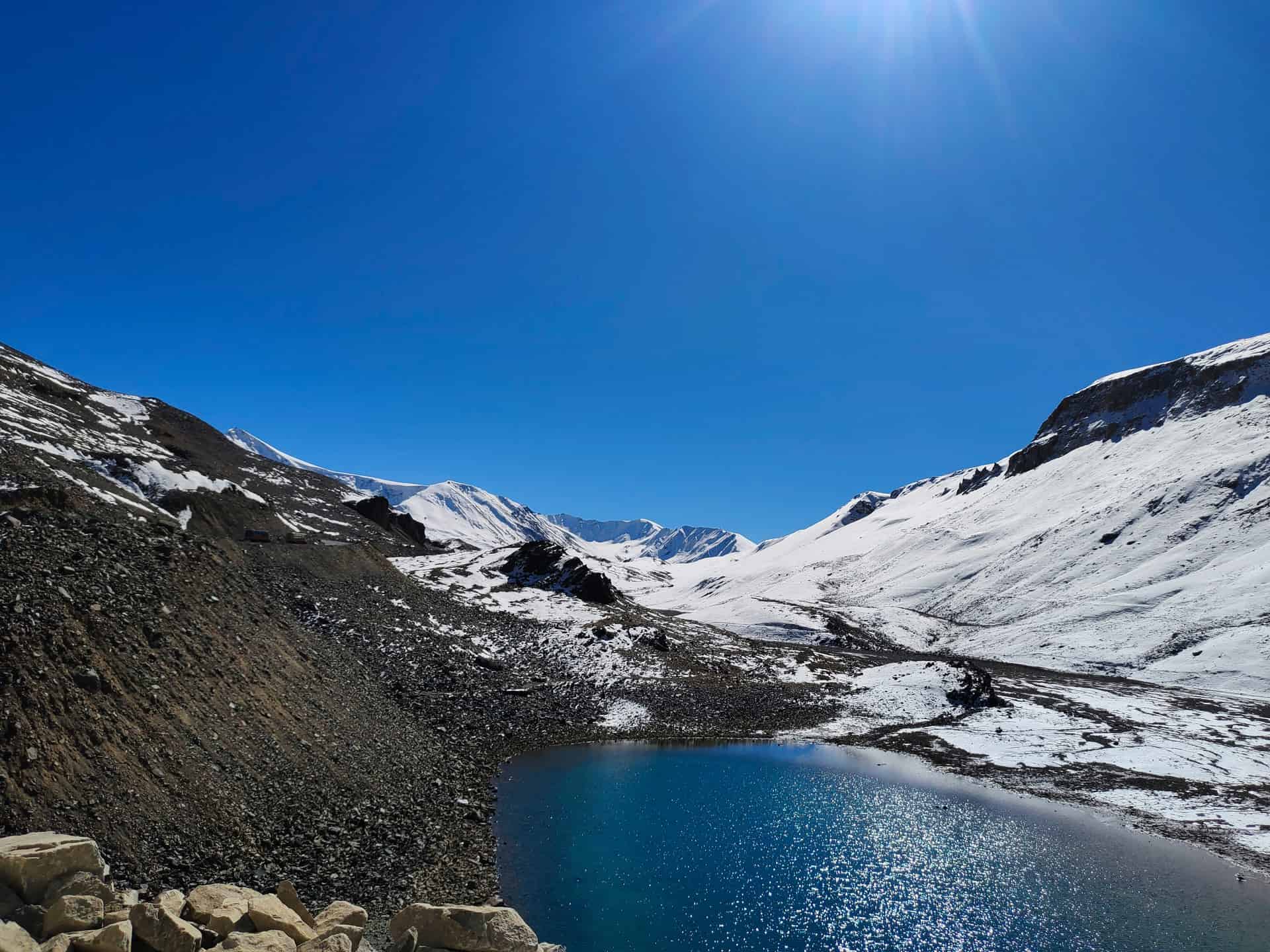
Located higher toward Baralacha La, Suraj Tal feels colder, harsher and significantly more dramatic compared to the lower valleys.
The lake remains surrounded by:
- barren mountains
- snowbound terrain
- rugged Himalayan scenery
making it one of the most cinematic sections of the highway.
Darcha Bridge & Zanskar Transition
Darcha has become increasingly important because it now acts as the major transition point toward the Zanskar route.
Travellers moving toward:
- Padum
- Zanskar Valley
- Shinku La
usually branch away from the main Leh highway near this section.
This shift has made Jispa and Darcha far more strategically important in Himalayan road-trip planning.
Connectivity, Fuel & Cash Reality in Jispa
Connectivity becomes increasingly unpredictable as travellers move deeper into the higher Himalayan regions.
Compared to lower Himachal circuits, travellers should realistically expect:
- weaker mobile signals
- slower internet
- network drops
- limited ATMs
across parts of the Manali–Leh route.
The Tandi Fuel Reality
Tandi remains one of the most important fuel stops on the entire Manali–Leh highway.
It is still the last major petrol pump before extremely long remote stretches toward:
- Leh
- Sarchu
- Padum
- Zanskar routes
During peak travel periods, fuel queues at Tandi can become extremely long because of increasing Himalayan road traffic.
Many experienced travellers now:
- fuel up completely at Tandi
- carry backup fuel cans
- avoid depending on uncertain remote fuel availability later in the route
especially during longer overland Himalayan journeys.
EV Charging Reality in Jispa
Public EV infrastructure remains extremely limited across the higher Himalayan regions.
While some camps and stays around Jispa have started offering basic overnight charging points, travellers should not expect:
- public fast chargers
- large EV infrastructure
- reliable remote charging access
across the broader highway route.
Long-range planning remains extremely important for EV travellers heading beyond Lahaul.
Jispa for Zanskar & Ladakh Road Trips
Jispa has also become an important transition stop for travellers planning:
- Zanskar expeditions
- Ladakh road trips
- overland Himalayan journeys
- bike expeditions
- long self-drive circuits
Travellers exploring broader Himalayan routes can also check:
- Zanskar itinerary
- Zanskar trip cost
- Zanskar vs Ladakh
for deeper route planning.
As more travellers move beyond traditional Himachal tourism toward longer Himalayan overland journeys, Jispa continues to become increasingly important as a high-altitude transition point.
Is Jispa Worth Visiting?
Yes, especially for travellers interested in Himalayan road journeys beyond regular tourist circuits.
Jispa works best for people who enjoy:
- high-altitude landscapes
- long mountain drives
- rugged Himalayan routes
- slower acclimatization stops
- riverside camps
- cold desert scenery
- expedition-style travel
Compared to regular Himachal destinations, Jispa feels quieter, harsher and far more connected to the broader Himalayan terrain.
That atmosphere is exactly what makes Jispa one of the most important stops on the Manali–Leh highway.
If you are planning a broader Himalayan journey, you can also explore our Himachal Pradesh tour packages and Spiti Valley tour packages for curated high-altitude mountain experiences.