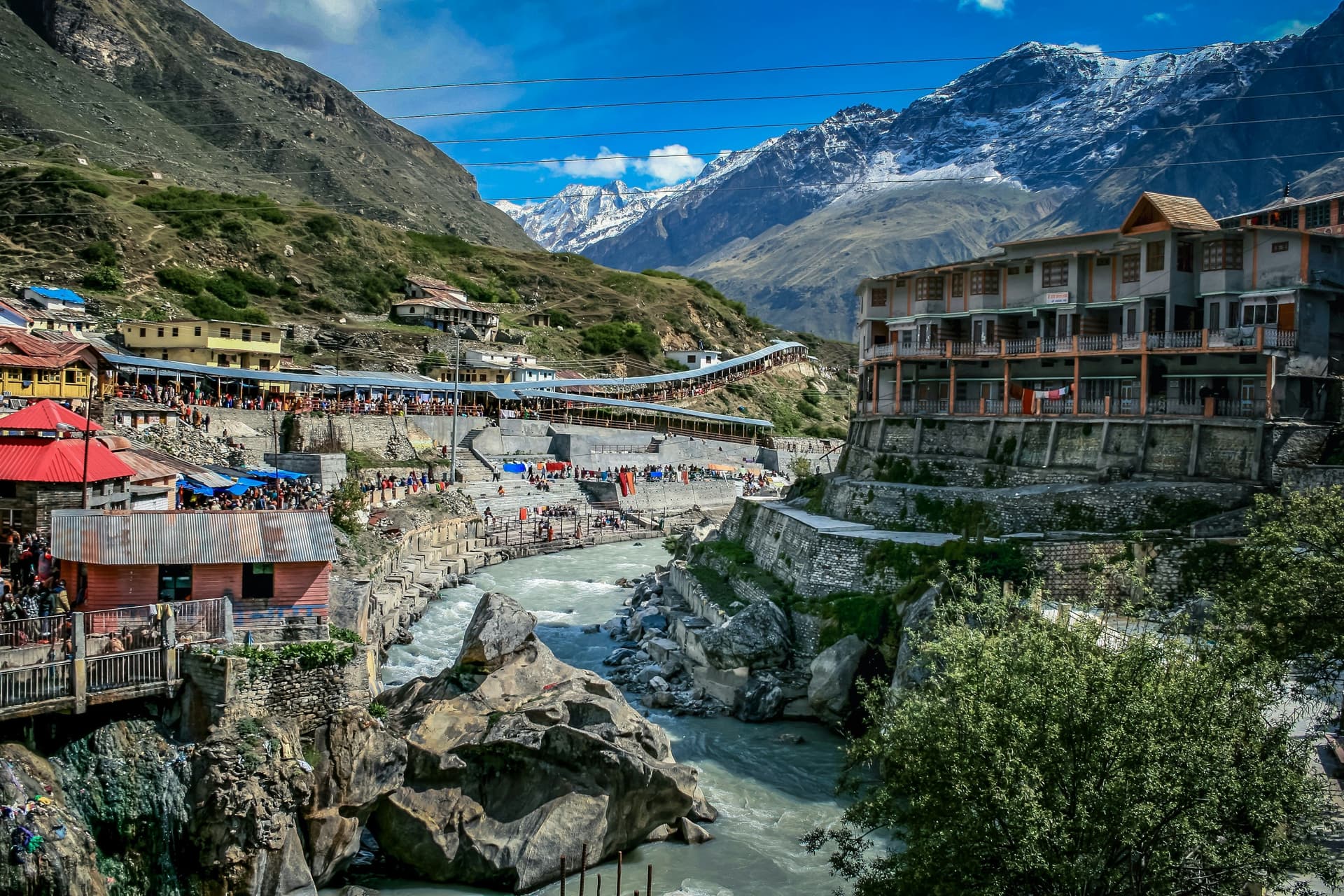
Nestled deep in the Garhwal Himalayas of Uttarakhand, the sacred Badrinath Temple is one of the most important pilgrimage destinations in India.
Surrounded by snow-covered peaks and the flowing waters of the Alaknanda River, the temple sits at an altitude of about 3,133 meters and attracts thousands of pilgrims every year. It is dedicated to Lord Vishnu and forms a key part of the sacred Char Dham Yatra.
For many travelers, visiting Badrinath is not just about reaching a temple. It is about experiencing the spiritual atmosphere of the Himalayas, traveling through mountain valleys, and witnessing one of the most revered shrines in Hindu tradition. This guide explains everything you need to know for planning a visit to Badrinath, including how to reach the temple, the best time to visit, nearby places to explore and useful travel tips.
Travelers exploring the region can also read our Uttarakhand travel guide to discover more destinations across the state.
Badrinath Temple Opening Date & Darshan Timings
The temple follows a strict seasonal schedule because of heavy snowfall during winter. For example, the temple is scheduled to open on April 23 during the 2026 pilgrimage season.
Typical temple schedule:
Opening Season: April / May – October / November
Darshan Timings
Time | Activity |
| Morning | 4:30 AM – 1:00 PM |
| Afternoon | Temple closed for rituals |
| Evening | 4:00 PM – 9:00 PM |
Pilgrims should check official announcements each year for exact opening and closing dates.
Why Badrinath Temple is Spiritually Important
Badrinath Temple is one of the holiest shrines dedicated to Lord Vishnu. According to Hindu tradition, Lord Vishnu meditated here for thousands of years while Goddess Lakshmi protected him from the harsh Himalayan climate by taking the form of a Badri tree, which gave the region its name.
The philosopher-saint Adi Shankaracharya revived the temple in the 8th century and has remained one of the most revered pilgrimage sites in India. Badrinath is also the most important shrine among the Panch Badri temples, a group of sacred Vishnu temples located across the Garhwal Himalayas.
The temple is part of the sacred Char Dham pilgrimage circuit, which includes:
- Yamunotri
- Gangotri
- Kedarnath
- Badrinath
Travelers planning the pilgrimage can explore our Char Dham Yatra guide or read the Char Dham itinerary guide to understand the traditional travel route.
Mandatory Registration for Badrinath
Pilgrims visiting Badrinath Temple must complete Char Dham registration before beginning their journey. After registering, travelers receive a QR-based Yatra pass that is verified at several checkpoints along the pilgrimage route, particularly near Joshimath and close to the temple area. Registration can be completed online through the official Tourist Care Uttarakhand portal or mobile application, allowing pilgrims to obtain their digital pass before traveling. Travelers who want a step-by-step explanation of the process can also read our Char Dham registration guide.
Distance of Badrinath from Major Cities
Most travelers begin their journey from gateway cities in Uttarakhand.
City | Distance to Badrinath |
| Rishikesh | ~295 km |
| Haridwar | ~315 km |
| Dehradun | ~330 km |
| Delhi | ~530 km |
The road journey passes through beautiful Himalayan valleys and sacred river confluences.
How to Reach Badrinath
Badrinath is the most accessible temple among the Char Dham because a motorable road leads directly to the temple town.
By Air
The nearest airport is Jolly Grant Airport, located near Dehradun.
By Train
Major railway stations include:
- Haridwar
- Rishikesh
- Dehradun
By Road
The most common route from Rishikesh is:
Rishikesh → Devprayag → Srinagar → Rudraprayag → Karnaprayag → Joshimath → Badrinath
The drive usually takes 10–12 hours, depending on road conditions.
Scenic Stops on the Way to Badrinath
The road journey to Badrinath is filled with scenic and spiritual locations.
Important stops include:
- Devprayag — the confluence where the Ganges officially begins.
- Dhari Devi Temple — a revered temple dedicated to Goddess Kali.
- Joshimath — the winter seat of Badrinath Temple.
- Pandukeshwar — associated with the Pandavas.
Best Time to Visit Badrinath
The temple remains closed during winter due to heavy snowfall. The pilgrimage season generally runs from April or May until October or early November.
Season | Experience |
| May – June | Pleasant weather and peak pilgrimage season |
| July – August | Monsoon season with landslide risks |
| September – October | Clear skies and spectacular Himalayan views |
Travelers can also explore our Best Time to Visit Uttarakhand guide to plan the ideal travel season.
Temple Rituals and Darshan Experience
Pilgrims visiting Badrinath Temple traditionally begin their visit by bathing in the hot waters of Tapt Kund before entering the temple complex. Inside the sanctum, devotees offer prayers to Lord Badrinarayan and participate in daily rituals such as Mahabhishek, Geet Govind and evening Aarti. The atmosphere during morning and evening prayers is considered one of the most spiritually powerful experiences of the pilgrimage.
Important Places to Visit Near Badrinath
Tapt Kund
Located near the temple entrance, Tapt Kund is a natural hot water spring where pilgrims traditionally bathe before entering the temple.
Brahma Kapal
Brahma Kapal is a sacred ghat where pilgrims perform pind daan rituals for their ancestors.
Mana Village
Mana Village is known as the last Indian village before the Tibet border.
Visitors can explore mythological sites including:
- Vyas Gufa
- Ganesh Gufa
- Bhim Pul
Many travelers also trek to Vasudhara Falls, located about 6 km beyond Mana Village.
Accommodation in Badrinath
Accommodation in Badrinath is generally simple but sufficient for pilgrims.
Travelers can stay in:
- guest houses
- dharamshalas
- private hotels
- lodges operated by local authorities
Nearby towns such as Joshimath offer additional accommodation options. During peak pilgrimage months, especially May and June, booking accommodation in advance is recommended.
Travel Tips for Visiting Badrinath
- Carry warm clothing because temperatures can drop significantly at night
- Start road journeys early in the morning
- Drink plenty of water to avoid altitude fatigue
- check weather and road conditions before traveling
Mobile phones and cameras may be restricted near the sanctum area during busy pilgrimage periods.
Planning Your Badrinath Journey
Traveling to Badrinath is more than simply visiting a temple. It is a journey through the spiritual heart of the Himalayas where sacred rivers, towering peaks and centuries-old pilgrimage traditions come together.
Many travelers combine their visit to Badrinath with other pilgrimage destinations such as Kedarnath Temple, another important shrine in the Char Dham circuit. You can read our Kedarnath travel guide to understand how to plan the trek and visit the temple. Surrounded by snow-covered mountains and ancient temples, the journey often becomes one of the most memorable spiritual experiences in the Indian Himalayas.