Imagine spending Christmas beneath dazzling city illuminations, enjoying Japan's famous strawberry shortcake and welcoming the New Year with the sound of temple bells echoing through historic streets. Japan offers a festive holiday unlike any other, blending modern celebrations with centuries-old traditions.
For Indian travellers planning a year-end getaway, the experience goes beyond winter sightseeing. Christmas Eve is often associated with romantic dinners and festive outings, while New Year brings traditional foods, shrine visits and cultural celebrations.
From Tokyo's illuminated streets to Kyoto's historic temples and Hokkaido's snow-covered landscapes, discover the best places to celebrate Christmas and New Year in Japan, along with winter experiences, estimated trip costs, weather and essential travel tips for 2026–2027. If you're planning your first visit, our guide to things to know before travelling to Japan can also help you prepare for the journey.
Best Places to Celebrate Christmas and New Year in Japan
The best places to celebrate Christmas and New Year in Japan depend on the experience you want. Tokyo is ideal for festive illuminations and city attractions, Osaka combines winter lights with a lively food scene, Kyoto offers traditional New Year customs, and Sapporo is a strong choice for snow. Hakone and the Mount Fuji region are better suited to scenic winter escapes.
For a broader overview of the country's destinations, explore our guide to the best places to visit in Japan.
1. Tokyo – Best for Christmas Illuminations and City Celebrations
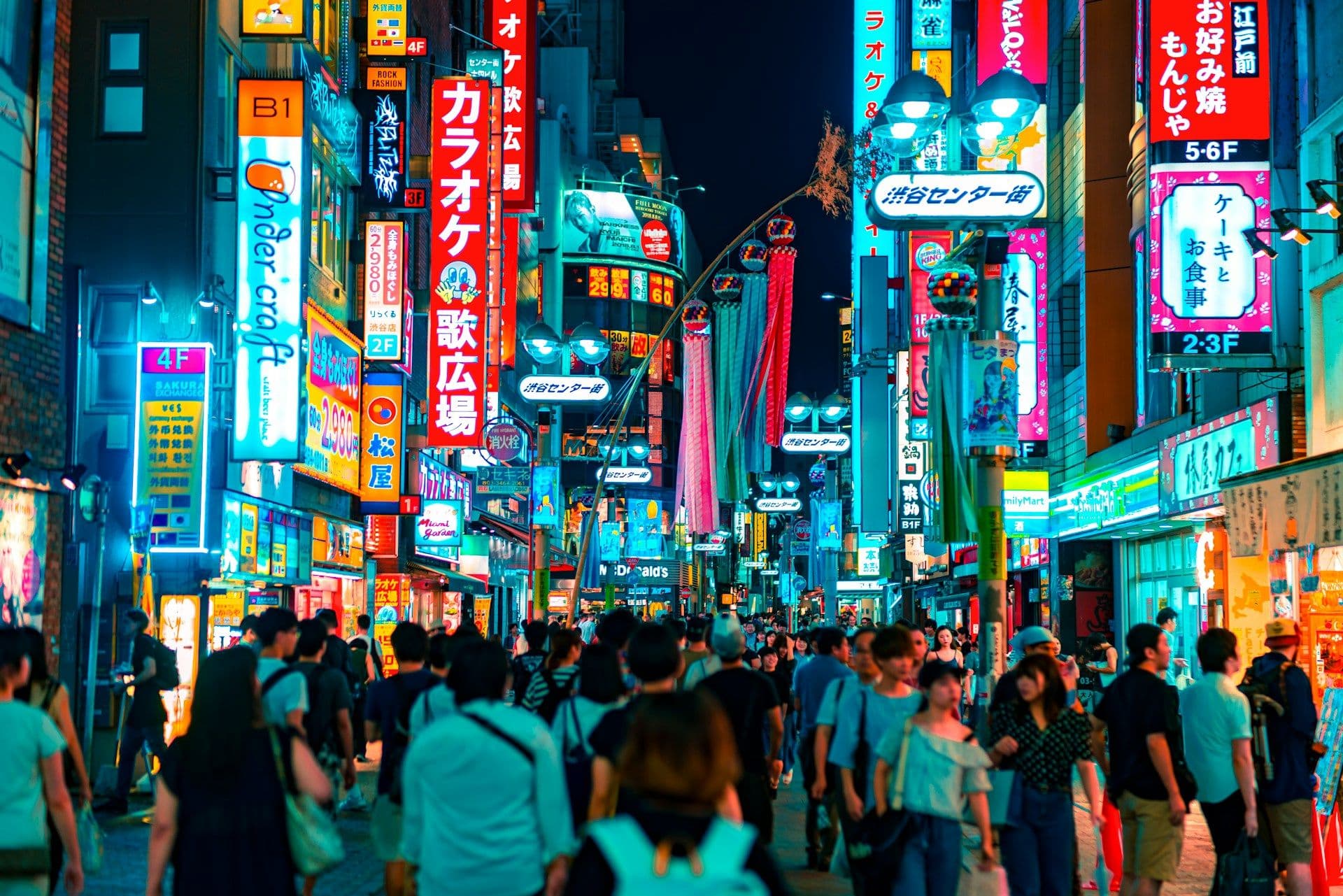
Tokyo is one of the best places to experience Japan's Christmas atmosphere, with illuminated streets, festive shopping districts and seasonal dining. The Marunouchi area is worth visiting for its elegant winter illuminations, while Roppongi Hills offers seasonal light displays alongside restaurants and city views.
For the 2026–2027 season, Marunouchi Illumination is scheduled to run from November 12, 2026, to February 14, 2027. This makes it an option for travellers visiting either side of Christmas. Other displays have shorter seasonal schedules, so check dates before planning your evening.
For New Year's Eve, Tokyo offers a choice of restaurant celebrations, nightlife and traditional temple ceremonies. Visitors interested in Japanese customs can look for joya no kane, the Buddhist tradition of ringing temple bells around midnight. Popular temples may become crowded, so check access arrangements before visiting.
One important distinction: don't assume that Shibuya Crossing will host a public countdown. Check the latest official announcement before planning to celebrate there.
For more sightseeing ideas and neighbourhood recommendations, read our Tokyo Travel Guide.
Ideal for: First-time visitors, couples, Christmas lights and urban experiences.
2. Osaka – Best for Winter Illuminations and Food
Osaka combines seasonal illuminations with one of Japan's most appealing food scenes. The Midosuji Illumination is scheduled to run from November 3 to December 31, 2026, while Osaka Hikari Renaissance is scheduled for December 11–25, 2026, with light installations around Nakanoshima. Check event information before travelling, as individual programmes and timings may vary.
During the day, explore Osaka's shopping streets and try local favourites such as takoyaki and okonomiyaki. For New Year, consider a traditional shrine visit or an evening meal at a restaurant that confirms it will be open during the holiday period.
Osaka works particularly well as part of a Tokyo–Kyoto–Osaka itinerary, allowing you to combine city sightseeing, food and seasonal displays without adding a separate region solely for Christmas activities.
Food is a major part of the experience, so use our Japan Food Guide to discover more dishes to try during your trip.
Ideal for: Food lovers, friends, shopping and lively city evenings.
3. Kyoto – Best for Traditional Japanese New Year
Kyoto offers a cultural contrast to the modern celebrations of Tokyo and Osaka. Its historic temples, shrines and traditional neighbourhoods provide a setting for experiencing Japanese New Year customs.
At Fushimi Inari Taisha, visitors can experience hatsumode—the first shrine or temple visit of the year—although crowds can be substantial between January 1 and 3. Chion-in Temple is associated with joya no kane, the traditional New Year's Eve bell ceremony.
Christmas in Kyoto is generally more understated than in some major shopping districts, making the city a better choice for travellers who want historic surroundings, seasonal dining and traditional New Year experiences rather than a large-scale countdown party.
Check temple schedules and restaurant opening hours before travelling, as the holiday period can affect access and availability.
If you're interested in experiencing more of the country's customs, ceremonies and local traditions, explore our guide to cultural experiences in Japan.
Ideal for: Culture enthusiasts, history lovers and traditional New Year experiences.
4. Sapporo – Best for Snow and Winter Scenery
For travellers who want a snowy Christmas, Sapporo in Hokkaido offers a very different winter experience from Tokyo and Osaka. The city is known for its cold weather, seasonal illuminations and winter food scene.
The Munich Christmas Market in Odori Park is a seasonal attraction to look out for, alongside winter light displays. Confirm the 2026 programme and opening dates before planning around these events.
Sapporo can also serve as a base for winter activities in Hokkaido, including skiing and snowboarding where conditions permit. Snowfall can disrupt transport, so allow flexibility and pack thermal clothing, insulated layers and waterproof winter footwear.
Ideal for: Snow lovers, winter-sports enthusiasts and travellers seeking a colder holiday.
5. Hakone and the Mount Fuji Region – Best for Hot Springs and Scenic Views
Hakone and the Mount Fuji region are appealing options for travellers who want to balance busy city sightseeing with winter scenery and relaxation.
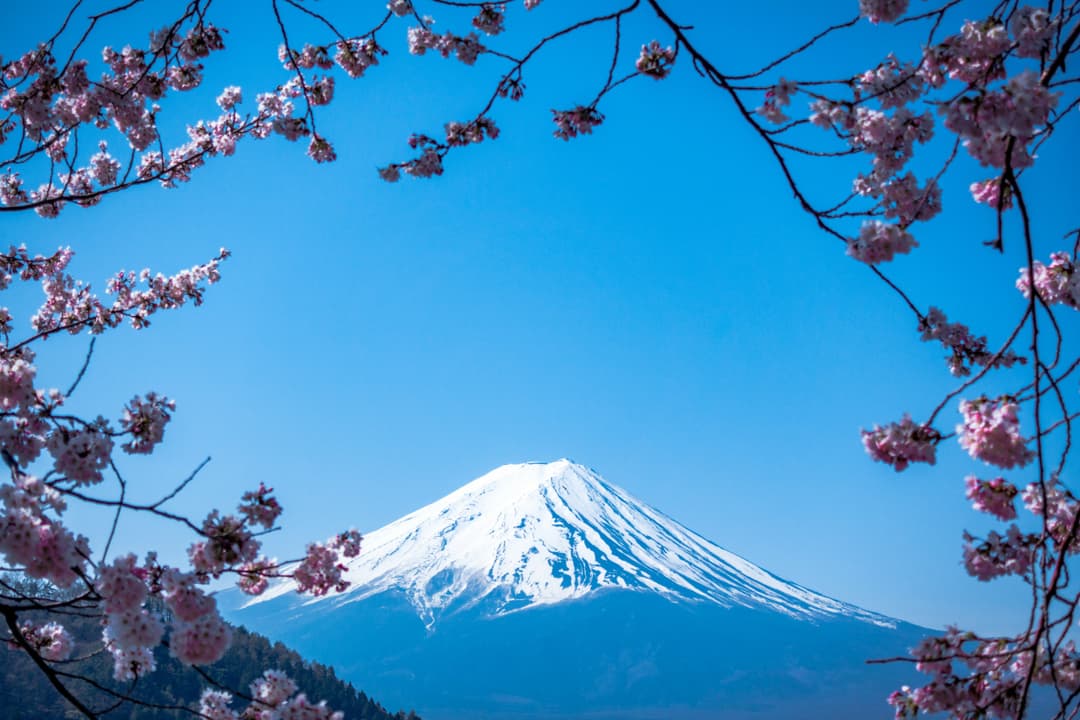
In Hakone, consider staying at a traditional Japanese inn and enjoying an onsen (hot spring bath). Around Mount Fuji, winter can offer clear views when weather conditions cooperate, making the region attractive for scenic photography and peaceful escapes.
Some travellers also plan to see hatsuhinode, the first sunrise of the year. Choose a suitable viewing location and check local transport arrangements in advance, as New Year is a busy travel period.
Rather than treating this region as another city stop, consider adding it as a relaxing break between Tokyo and other destinations, provided your itinerary allows enough time.
Ideal for: Couples, nature lovers, hot-spring stays and scenic winter escapes.
Which Destination Should You Choose?
Destination | Main festive-season experience | Best suited to |
| Tokyo | Christmas illuminations, shopping and temple ceremonies | First-time visitors and couples |
| Osaka | Winter light displays and local food | Food lovers and friends |
| Kyoto | Shrine visits and traditional New Year customs | Culture enthusiasts |
| Sapporo | Snow, winter illuminations and seasonal activities | Snow lovers |
| Hakone and Mount Fuji | Hot springs, mountain scenery and first-sunrise experiences | Relaxation and nature |
For a first visit of around seven days, Tokyo, Kyoto and Osaka offer a balanced introduction to Japan. If snow is your main priority, consider Sapporo instead—but account for the additional travel time. Hakone can be a practical scenic addition to a Tokyo-based itinerary.
To compare a classic multi-city route with less-visited destinations, read our guide to Golden Route vs Offbeat Japan.
How Is Christmas Celebrated in Japan?
Christmas in Japan is a seasonal celebration marked by festive illuminations, special meals and outings rather than a nationwide public holiday. For Indian travellers, two distinctive traditions to look out for are Japanese Christmas cake and Christmas fried chicken.
Christmas Eve: Special Dinners and Festive Outings
Christmas Eve is a popular occasion for couples in Japan to enjoy a special dinner or visit illuminated streets. Restaurants and hotels may offer seasonal menus, while shopping districts create a festive atmosphere with winter light displays.
If you plan to dine out on December 24 or 25, reserve a table in advance, particularly at popular restaurants offering Christmas menus.
Japanese Christmas Cake and Fried Chicken
Food is a distinctive part of Christmas in Japan, with two seasonal favourites worth trying:
- Japanese Christmas cake: Typically made with light sponge, whipped cream and strawberries, this cake is a popular festive treat.
- Christmas fried chicken: Fried chicken, including special Christmas meal offers from KFC, has become a familiar part of the season. Popular meal sets may require advance ordering.
These traditions offer a different Christmas experience from the festive meals many Indian travellers may be familiar with.
Christmas Illuminations
Winter illuminations are a major seasonal attraction in Japan, with streets and shopping districts decorated with elaborate light displays. Tokyo and Osaka are convenient choices for combining an evening illumination walk with shopping or dinner.
Check the dates of individual displays before your trip, as schedules vary and some installations continue beyond Christmas.
Planning tip: December 25 is not a national public holiday in Japan, so don't assume that sightseeing and shopping will stop for Christmas. If you're visiting specifically for festive dining or a popular seasonal event, check availability and book ahead.
Unlike Christmas, Japanese New Year places greater emphasis on traditional customs, family gatherings and shrine visits. These traditions offer another side of Japan's year-end celebrations.
Japanese New Year Traditions and Where to Experience Them
New Year, known as Shōgatsu in Japan, is one of the country's most important celebrations. While Christmas is associated with festive outings and seasonal food, New Year focuses on welcoming the year ahead through traditional customs.
New Year's Eve: Temple Bells and Soba Noodles
Two traditions are especially associated with December 31:
- Joya no kane: Buddhist temples traditionally ring their bells 108 times, symbolising the letting go of worldly desires. Chion-in Temple in Kyoto is particularly known for its New Year's Eve bell ceremony. Check visitor arrangements before planning your visit.
- Toshikoshi soba: These year-crossing buckwheat noodles are associated with longevity and leaving the previous year's difficulties behind. Some restaurants serve them on December 31, although availability varies.
New Year's Day: Hatsumode and Traditional Foods
Hatsumode is the first shrine or temple visit of the New Year. People pray for health, happiness and prosperity, draw fortune slips or purchase protective charms.
Popular places to experience hatsumode include Fushimi Inari Taisha in Kyoto and Meiji Jingu in Tokyo. Expect large crowds at major shrines during the first few days of January.
Traditional New Year foods also carry symbolic meanings:
- Osechi ryori: An assortment of specially prepared dishes associated with wishes for good fortune, health and prosperity.
- Ozoni: A traditional soup containing rice cakes, with ingredients and preparation styles varying by region.
These foods are commonly enjoyed during family celebrations, though visitors may find them on selected seasonal menus at hotels and restaurants.
Japan's calendar also includes many regional and seasonal celebrations throughout the year. Our guide to major festivals in Japan offers more ideas for travellers interested in local traditions.
Planning tip: New Year is a busy holiday period in Japan. Check shrine access, attraction opening hours and restaurant availability in advance, especially if your itinerary includes January 1–3.
Weather in Japan in December and January
Japan is in winter during December and January, but the weather varies considerably by region. Tokyo, Kyoto and Osaka generally experience cold days and chilly nights, while Sapporo in Hokkaido has freezing temperatures and regular snowfall.
For Indian travellers, the main consideration is whether the itinerary focuses on city sightseeing or snowy destinations. January is generally colder than December, particularly in northern Japan.
What Is the Weather Like in Different Parts of Japan?
Destination | Typical daytime temperatures | Typical nighttime temperatures |
| Tokyo | 10–12°C | 1–4°C |
| Kyoto | 8–12°C | 1–4°C |
| Osaka | 9–12°C | 2–5°C |
| Sapporo | -1–2°C | -6 to -4°C |
| Hakone and Mount Fuji region | Varies by location and altitude | Can fall below freezing |
These are approximate seasonal ranges based on long-term climate patterns, not a forecast for specific travel dates. Conditions around Hakone and Mount Fuji can vary significantly with elevation and local weather.
What Should You Pack for Japan in Winter?
Your packing list should depend on the regions you plan to visit.
- For Tokyo, Kyoto and Osaka: Pack a warm winter coat, thermal layers, sweaters and comfortable walking shoes.
- For Sapporo and snowy areas: Bring an insulated coat, thermal innerwear, gloves, a scarf and waterproof footwear with good grip.
- For evenings outdoors: Carry an extra layer, as temperatures can drop considerably after sunset.
- For changing conditions: A water-resistant outer layer and compact umbrella can be useful.
Planning tip: Check the local forecast shortly before departure and pack for your coldest planned destination. If you want to experience snow, prioritise a region such as Hokkaido rather than assuming that all of Japan will be snowy in December or January.
How Much Does a Japan Christmas and New Year Trip Cost from India?
A 7-day, 6-night trip to Japan from India may cost approximately ₹1.35 lakh to ₹2.5 lakh per person, assuming twin-sharing accommodation and economy-class return flights. Your final budget will depend on your departure city, travel dates, hotel category and the destinations you choose.
The Christmas and New Year period can be particularly busy in Japan, so booking flights and accommodation early can help you manage costs.
Estimated Budget for 7 Days in Japan
Expense | Estimated cost per person |
| Return flights from India | ₹65,000–₹1,10,000 |
| Accommodation for 6 nights, twin-sharing | ₹30,000–₹60,000 |
| Food and drinks | ₹14,000–₹25,000 |
| Local and intercity transport | ₹15,000–₹30,000 |
| Sightseeing and activities | ₹5,000–₹15,000 |
| Visa-related expenses and travel insurance | ₹5,000–₹12,000 |
| Estimated total | ₹1,34,000–₹2,52,000 |
These are indicative planning estimates, not confirmed quotes. Actual costs may fall outside this range depending on availability and travel choices. The estimates exclude shopping and personal expenses.
What Can Increase Your Japan Trip Budget?
- Peak-season bookings: Flights and popular hotels can become more expensive around Christmas and New Year.
- Additional destinations: Adding Sapporo or other distant regions increases transport costs and may require extra nights.
- Accommodation choices: Centrally located hotels and traditional hot-spring inns can cost more than budget accommodation.
- Paid experiences: Skiing, theme parks, guided tours and premium dining can increase your spending.
How Can You Manage Your Budget?
- Book early: Compare flight and hotel prices before the festive period approaches.
- Plan a practical route: For a first trip, focus on Tokyo, Kyoto and Osaka rather than trying to cover every region.
- Choose transport carefully: Compare individual train tickets and regional passes against your actual itinerary before buying a pass.
If experiencing snow is your main priority, consider a trip focused on Hokkaido rather than adding it to a packed Tokyo–Kyoto–Osaka itinerary. This lets you allocate more time and budget to the experiences you value most.
Essential Travel Tips for Japan During Christmas and New Year
- Book ahead: Reserve accommodation and important train journeys early, as demand can rise during the year-end holiday period.
- Check holiday opening hours: Some attractions, shops and restaurants may close or change their hours around New Year, particularly from December 31 into early January.
- Prepare for winter: Pack warm clothing and check weather and transport conditions if visiting snowy regions such as Hokkaido.
Plan Your Christmas and New Year Trip to Japan
From Tokyo's dazzling Christmas illuminations to Kyoto's traditional New Year celebrations, Japan offers a memorable way to end the year. Whether you're looking for festive city experiences, cultural traditions or snowy winter landscapes, choosing the right destinations can make your holiday more rewarding.
Planning a trip for December 2026 or January 2027? Explore Japan tour packages with Desh Videsh Travels to compare available itineraries and start planning your year-end getaway.