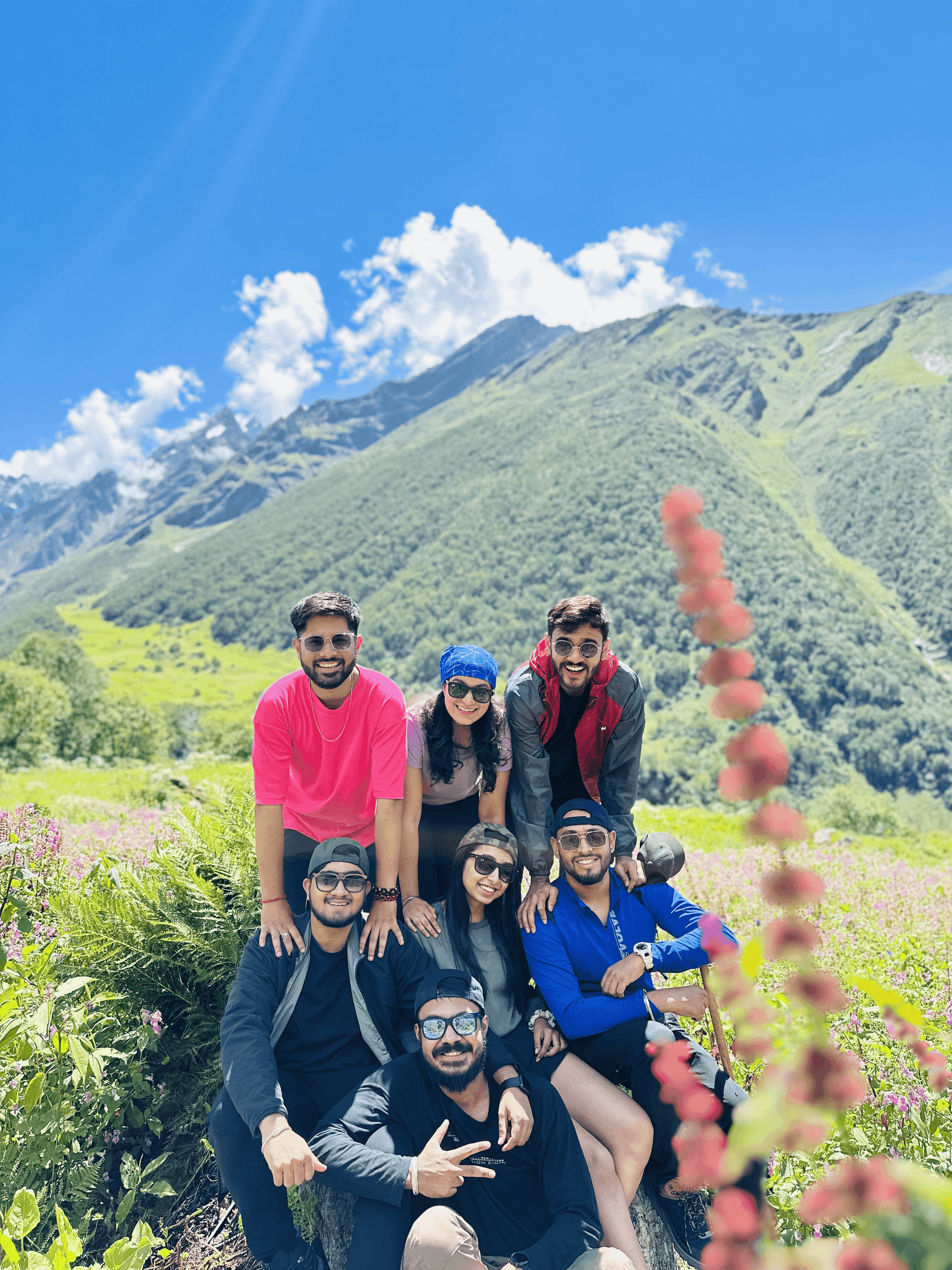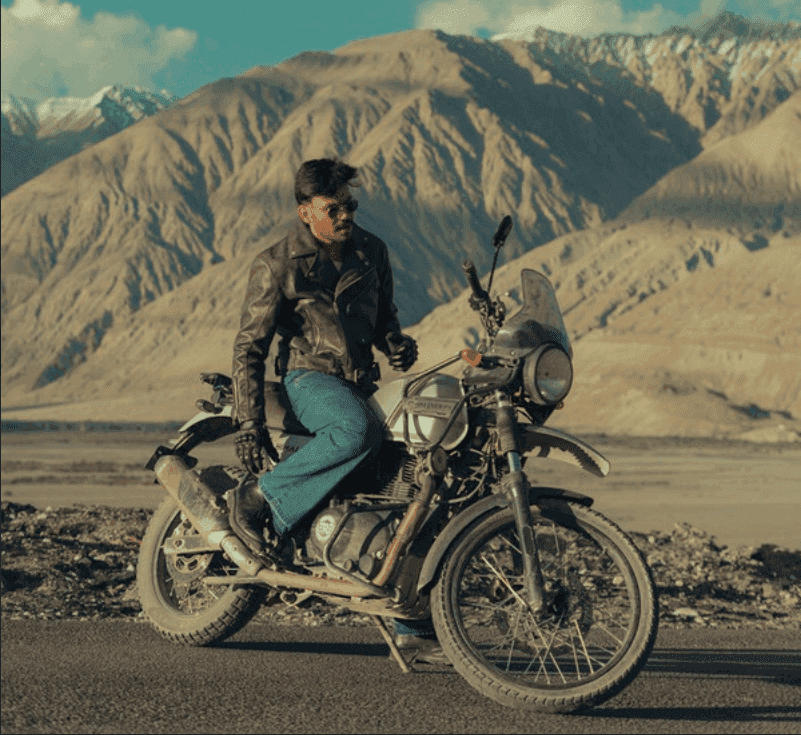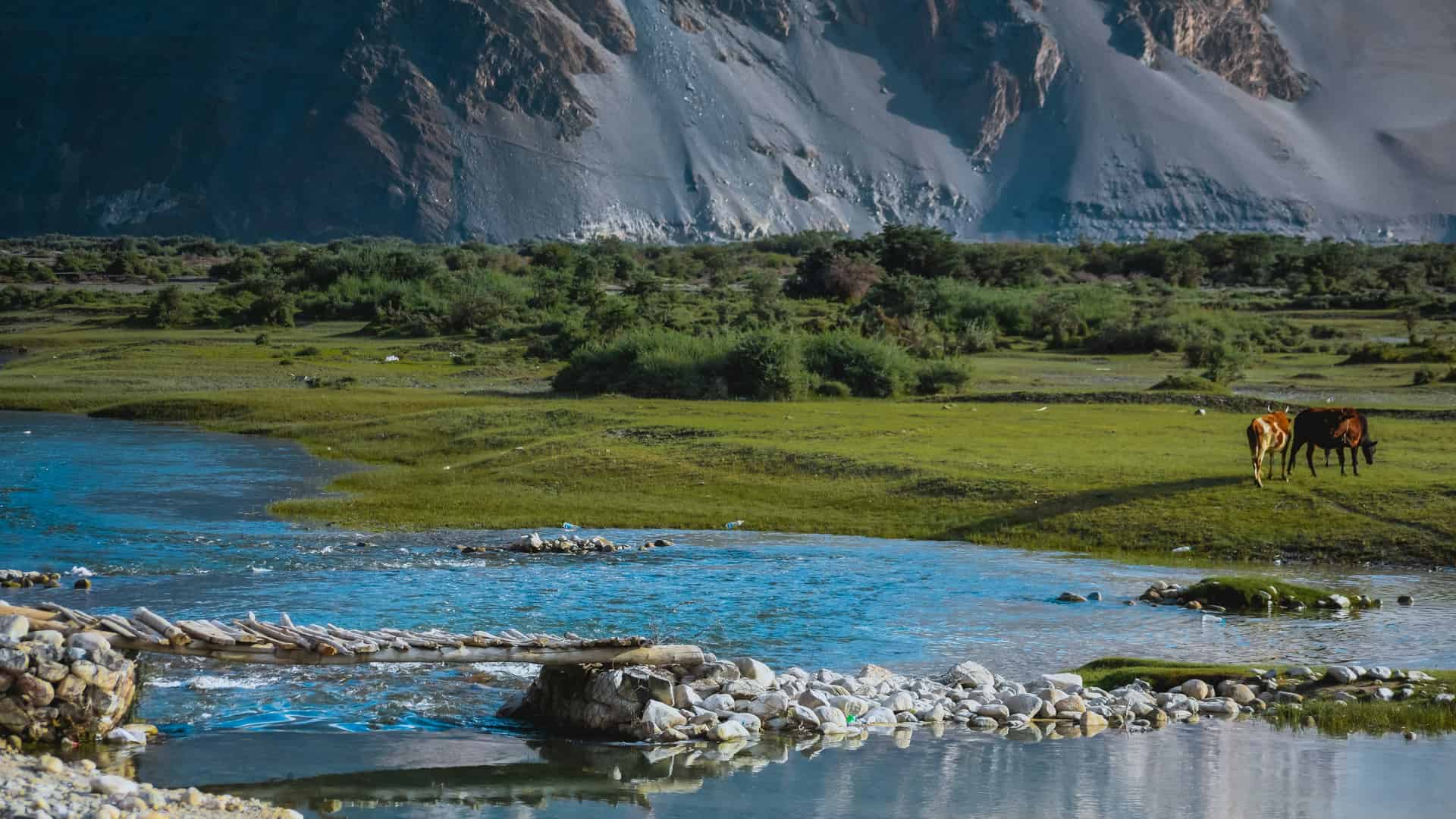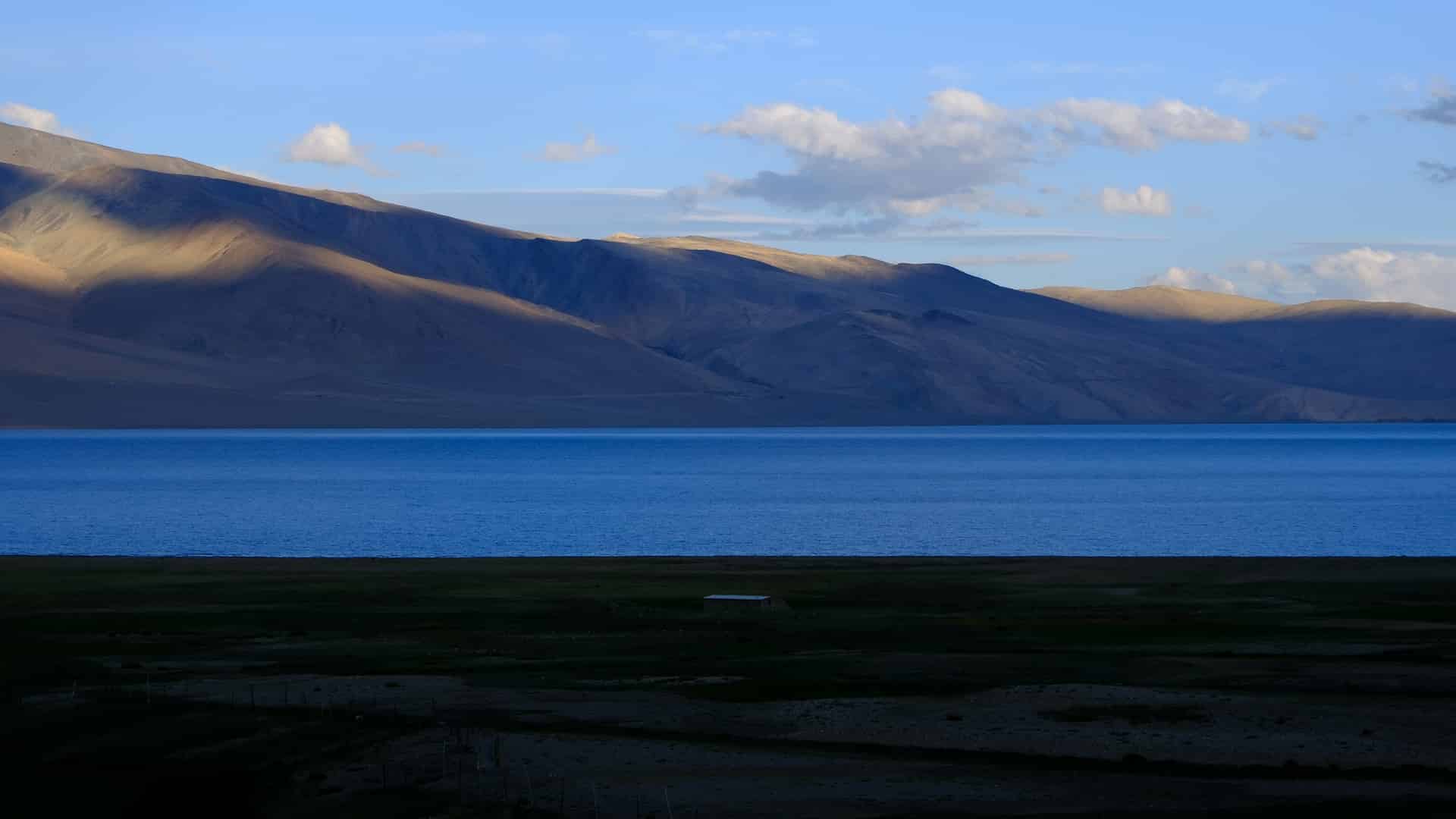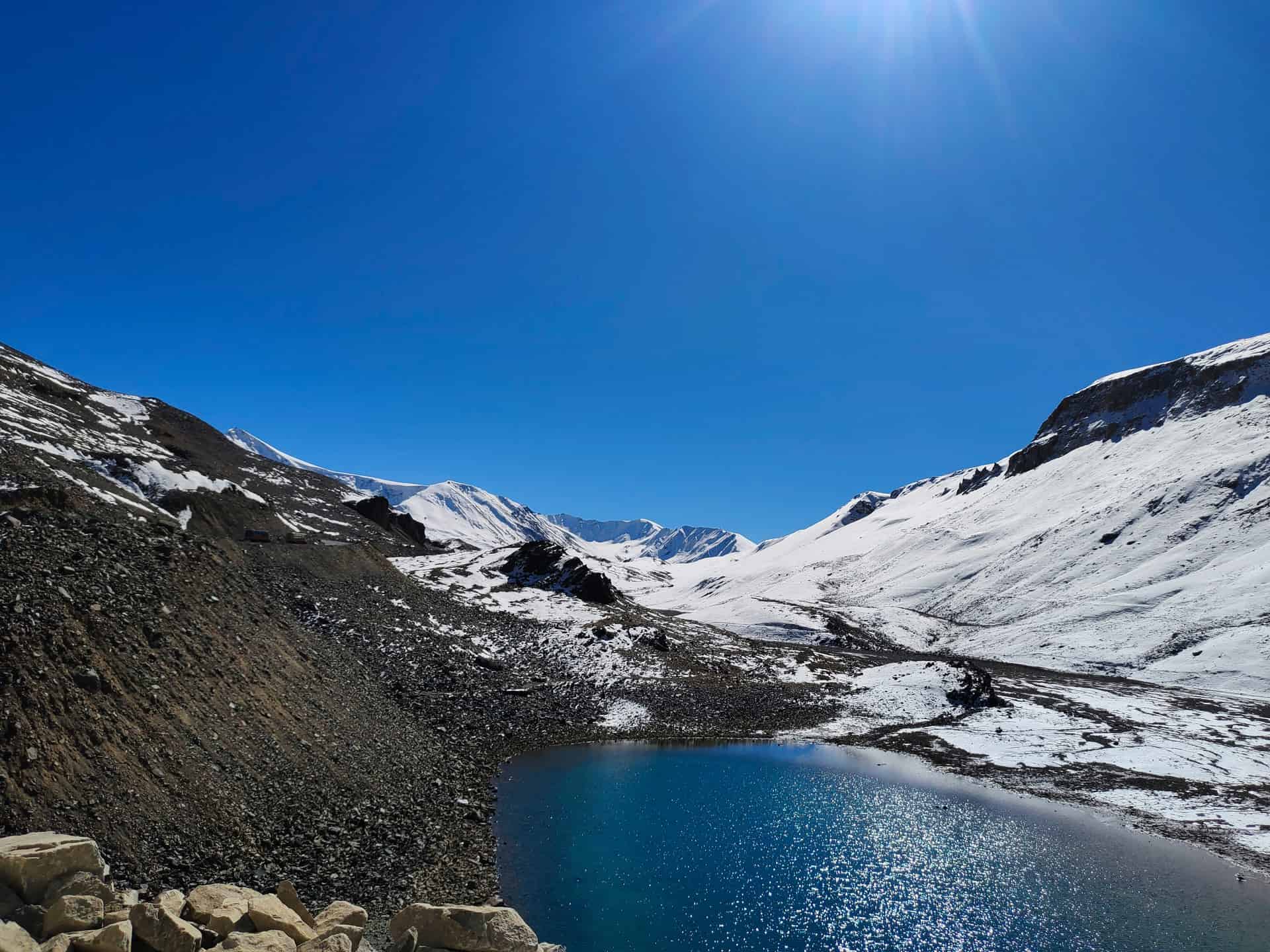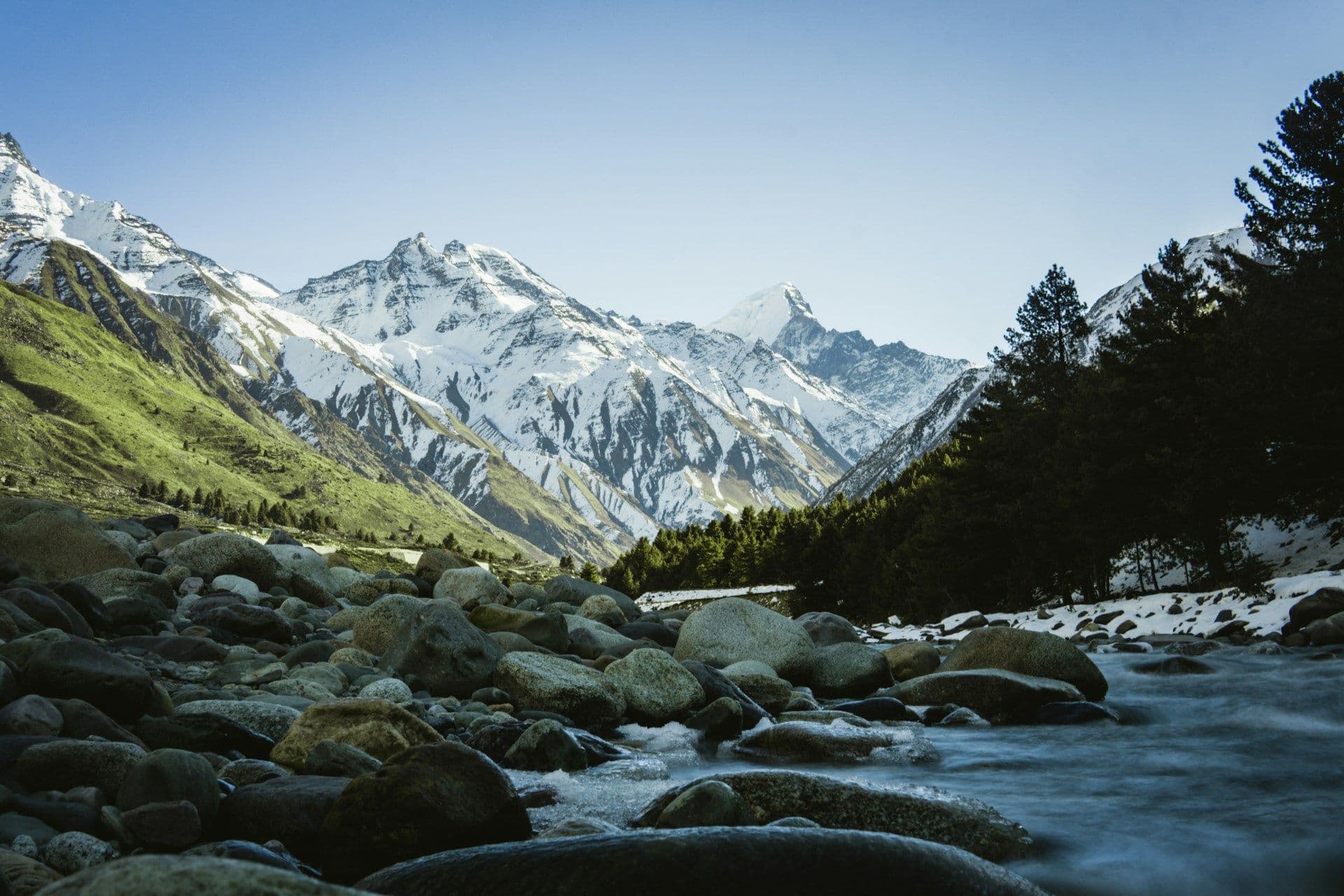
The Deo Tibba Trek is a high-altitude Himalayan trek from the Manali region that takes you through forests, open alpine terrain and higher mountain landscapes before reaching the Deo Tibba Base Camp and Chhota Chandratal area.
The route is a 5–6 day multi-day trek, making it considerably more demanding than a short Manali hike. Altitude also becomes an important part of the experience as the trail progresses from the lower camps towards Tenta and the higher base-camp area.
One of the route's defining highlights is Seri Meadow, a broad alpine meadow that marks a noticeable change in the landscape. Higher up, Chhota Chandratal provides another major highlight, with the Deo Tibba and Indrasan massif forming the backdrop.
The standard trek is a base-camp experience, not a summit climb. Reaching the summit of Deo Tibba is a separate technical mountaineering objective.
For more trekking options across Himachal Pradesh, explore our Best Treks in Himachal Pradesh guide.
Deo Tibba Trek at a Glance
Category | Details |
| Location | Manali region, Himachal Pradesh |
| Base Town | Manali |
| Trek Starting Area | Khanol side |
| Main Camps | Chikka, Seri and Tenta |
| Typical Duration | 5–6 days |
| Difficulty | Moderate to difficult |
| Highest Trekking Area | Approximately 4,480 m |
| Key Highlight | Chhota Chandratal |
| Trek Type | High-altitude base-camp trek |
| Accommodation | Camping |
| Best Time | May–June and September–October |
What Makes the Deo Tibba Trek Different?
The Deo Tibba Trek combines long-distance trekking with a gradual transition into high-altitude terrain.
The route's most distinctive landscape is Seri Meadow, a wide alpine meadow surrounded by mountains and waterfalls. Beyond Seri, the trail continues towards Tenta and the higher terrain below the Deo Tibba massif.
The upper section leads towards Chhota Chandratal, a small high-altitude lake beneath the Deo Tibba and Indrasan peaks. This makes the lake one of the main visual highlights of the trek rather than simply an additional stop on the itinerary.
The combination of Seri Meadow, high-altitude camps, Chhota Chandratal and views of the Deo Tibba massif gives this trek a clear identity of its own.
Deo Tibba Trek Route
The trekking route begins at Khanol and broadly follows:
Khanol → Chikka → Seri → Tenta → Deo Tibba Base Camp → Chhota Chandratal → Return
From Khanol, the trail climbs towards Chikka, followed by Seri Meadow. The route then continues towards Tenta before entering the higher terrain around Deo Tibba Base Camp.
The higher section leads towards Chhota Chandratal, after which trekkers descend through the lower camps before returning to Khanol.
Why this is better
Now the distinction is very clear:
How to Reach = Manali → Khanol
Trek Route = Khanol → Chikka → Seri → Tenta → Chhota Chandratal → Return
Best Time to Visit Deo Tibba
The main trekking season for the Deo Tibba Trek is generally May to June and September to October. Conditions vary significantly because the route reaches high elevations and snow can remain around the upper camps early in the season.
Period | What to Expect |
| May–June | Snow can remain around the higher sections, while lower trails become greener |
| July–August | Monsoon conditions can make lower trails wet and slippery, with rainfall affecting trail conditions |
| September–October | Cooler temperatures, clearer skies and generally favourable trekking conditions |
| November–April | Heavy snow and winter conditions can make the standard trekking route considerably more difficult |
For clearer mountain views and more stable trekking conditions, September and October are generally preferable. If snow is an important part of the experience, May and early June can offer more snow around the higher sections, depending on the season.
How Difficult Is the Deo Tibba Trek?
The Deo Tibba Trek is generally considered moderate to difficult.
Its difficulty comes from the combination of multiple trekking days, significant altitude gain, long walking days and increasingly demanding terrain as you approach the higher camps.
Expect:
- Several consecutive days of trekking
- Sustained uphill sections
- Rocky and uneven terrain
- High-altitude camping
- Snow on higher sections depending on the season
- Long descents on the return journey
The standard base-camp trek does not require technical climbing skills, but good physical preparation is important because the route reaches around 4,480 metres.
Can Beginners Do the Deo Tibba Trek?
Fit beginners can attempt the Deo Tibba Trek, but it is better suited to trekkers who have some previous trekking experience.
The challenge is less about technical climbing and more about managing several consecutive days of walking at increasing altitude.
Before attempting the trek, you should be comfortable with long uphill walks and carrying a light backpack for several hours. Regular walking, stair climbing and uphill training can help build the required endurance.
Deo Tibba Trek Itinerary
A typical Deo Tibba Trek takes 5–6 days, depending on the itinerary, camping schedule and trail conditions.
Day 1: Manali → Khanol → Chikka
Drive from Manali towards Khanol, where the trekking section begins.
Trek towards Chikka, the first major camping point.
Route: Manali → Khanol → Chikka
Stay: Chikka
Day 2: Chikka → Seri
Continue from Chikka towards Seri Meadow.
The route gradually gains altitude and opens into the broad meadow landscape around Seri.
Route: Chikka → Seri
Stay: Seri
Day 3: Seri → Tenta
Continue towards Tenta, with the trail becoming increasingly alpine as you gain altitude.
Route: Seri → Tenta
Stay: Tenta
Day 4: Tenta → Deo Tibba Base Camp → Chhota Chandratal → Tenta
Start early for the higher section towards the Deo Tibba Base Camp and Chhota Chandratal area.
The terrain becomes more rugged and exposed at this altitude. After visiting the lake area, return towards Tenta according to the planned itinerary.
Route: Tenta → Deo Tibba Base Camp → Chhota Chandratal → Tenta
Stay: Tenta
Day 5–6: Tenta → Chikka/Khanol → Manali
Begin the descent through the lower camps towards Khanol, followed by the road journey back to Manali.
Depending on the itinerary, the descent may be completed in one or two days.
Route: Tenta → Chikka/Khanol → Manali**
How to Reach the Deo Tibba Trek
Manali is the main base for the Deo Tibba Trek, while the trekking section generally begins from the Khanol side.
From Delhi
Travel to Manali by overnight bus, Volvo service or private vehicle. From Manali, arrange the onward road transfer to Khanol.
From Chandigarh
Travel to Manali by road and arrange the onward transfer to Khanol.
By Air
The nearest airport is Kullu–Manali Airport at Bhuntar. From the airport, travel by road to Manali and then continue towards Khanol.
Manali to Khanol
The final road transfer to Khanol is generally arranged by the trek operator. Independent trekkers should arrange local transport in advance.
Camping on the Deo Tibba Trek
Camping is the standard accommodation option once the trek begins.
The main camping areas include Chikka, Seri and Tenta, with facilities becoming increasingly basic as you move towards the higher sections.
Organised treks generally provide:
- Tents and sleeping arrangements
- Meals
- Trek guide and support staff
- Basic camping equipment
There are no conventional hotels or resorts along the higher trekking route, so the itinerary should be planned around designated camping points.
If travelling independently, you will need to arrange your own camping equipment, food and other supplies before entering the higher sections.
Deo Tibba Trek Cost
The total cost depends on the itinerary, group size, inclusions and whether you join a fixed-departure trek or arrange the trek privately.
For a standard organised trek from Manali, a realistic 2026 planning range is around ₹9,000–₹14,000 per person.
Expense | Approximate Cost |
| Standard organised trek package | ₹9,000–₹14,000 per person |
| Backpack offloading | ₹1,500–₹2,500 |
| Private/customised trek | ₹18,000–₹25,000+ depending on group size |
| Transport to trek starting point | Usually included in organised packages |
| Camping & meals | Usually included |
| Guide & trek support | Usually included |
Before booking, check whether the package includes transport, tents, sleeping bags, meals, guide support, permits and equipment.
If you are comparing two packages at different prices, check the inclusions carefully. A cheaper package may exclude transport, equipment or backpack offloading charges that you would otherwise have to pay separately.
Altitude on the Deo Tibba Trek
The Deo Tibba Trek gains altitude steadily over several days, making acclimatisation and pacing important.
The approximate elevation progression is:
Location | Approx. Altitude |
| Manali | ~2,050 m |
| Chikka | ~3,200 m |
| Seri | ~3,600 m |
| Tenta | ~3,900 m |
| Deo Tibba Base Camp / Chhota Chandratal area | ~4,480 m |
The significant elevation gain means you should avoid rushing the higher sections. Maintain a steady pace, stay hydrated and allow your body time to adjust as you gain altitude.
If you develop a persistent headache, nausea, dizziness, unusual fatigue or breathing difficulty, inform your trek leader and follow their advice rather than continuing to push higher.
Trail Conditions on the Deo Tibba Trek
The trail changes noticeably as you move towards the higher camps.
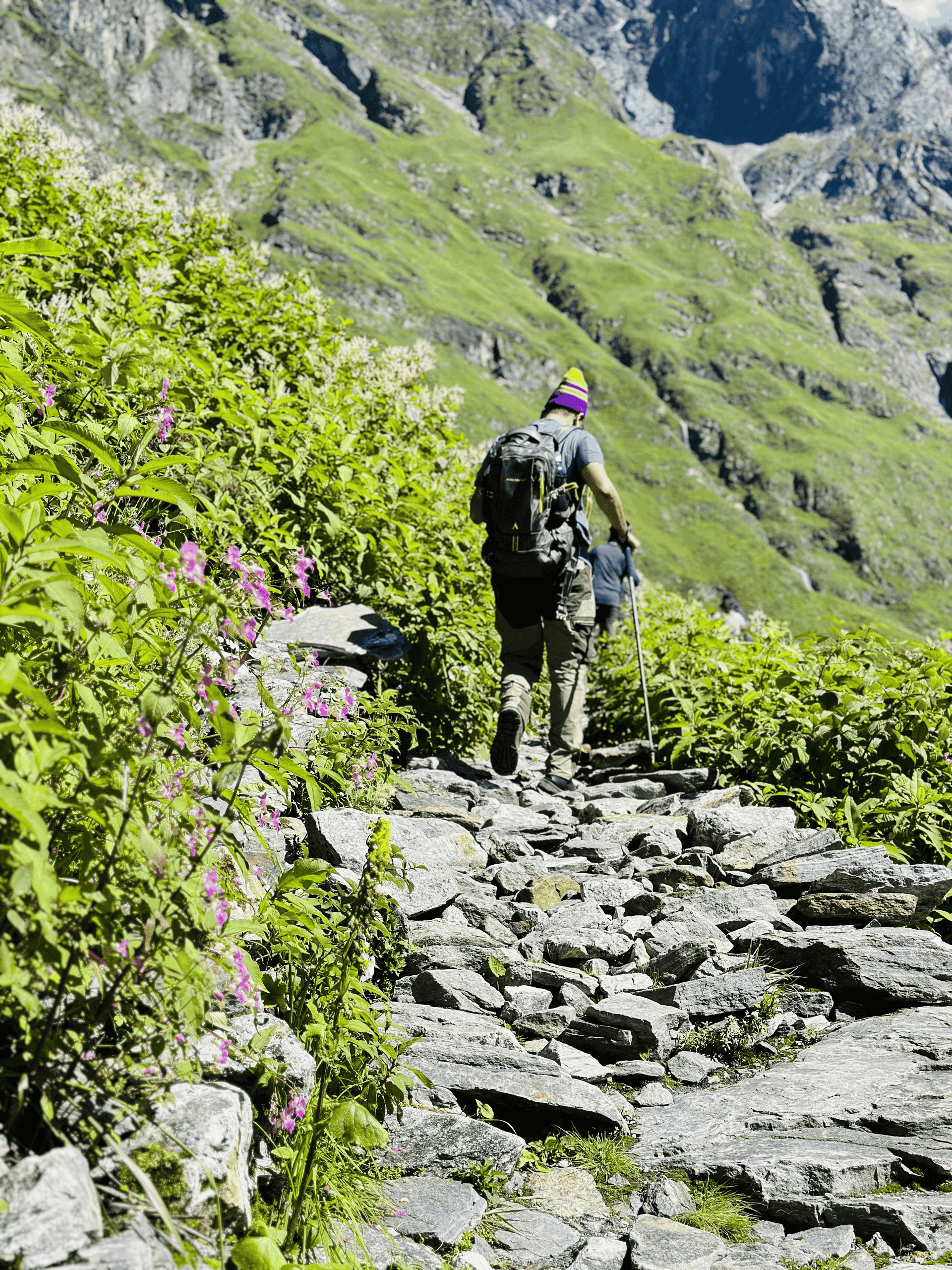
The route around Khanol and Chikka is more forested, while Seri Meadow provides a broad, open section of alpine terrain. Beyond Seri, the trail becomes increasingly rocky, with loose stones and moraine sections around the higher camps.
Depending on the season, you may also encounter:
- Rocky and uneven terrain
- Loose stones and moraine
- Steeper uphill sections
- Snow on higher sections
- Stream crossings
- Exposed sections around the higher camps
Snow and loose terrain can make the final approach more demanding, so appropriate footwear and a controlled pace are important.
Water Availability on the Deo Tibba Trek
Natural streams and water sources are available along parts of the route, but stream water should not be consumed untreated.
Carry enough water for each day's trek and use a reliable purification method if collecting water from natural sources.
As you move towards the higher camps, water access becomes less convenient, so start each trekking day with an adequate supply rather than relying entirely on finding a refill point.
Mobile Network on the Deo Tibba Trek
Mobile connectivity becomes increasingly unreliable after leaving the lower settlements and entering the trekking route.
Before starting the trek:
- Complete important calls.
- Save your itinerary and accommodation details offline.
- Keep emergency contacts accessible without mobile data.
- Carry some cash for local expenses.
Do not rely on continuous mobile network or UPI payments once you are in the higher trekking sections.
Permits & Local Rules for the Deo Tibba Trek
The Deo Tibba Trek passes through forest and high-altitude areas where local permissions or forest regulations may apply.
For organised treks, applicable permits and permissions are generally handled by the operator. Independent trekkers should confirm the current requirements before starting the trek.
Carry a valid government-issued photo ID and keep important documents accessible during the trek.
Toilet & Hygiene Facilities on the Deo Tibba Trek
Once you leave the roadhead, facilities are basic and there are no conventional toilet facilities at the higher camps.
Organised trekking groups generally set up temporary dry-pit toilet tents at campsites.
Because water and washing facilities are limited, carry basic hygiene supplies and follow the campsite's waste-management instructions. Avoid leaving toilet waste, plastic or other rubbish along the trail.
What to Pack for the Deo Tibba Trek
Deo Tibba is a high-altitude, multi-day trek, so your backpack should prioritise warmth, weather protection, reliable footwear and essential trekking gear.
Category | What to Carry |
| Footwear | Sturdy trekking shoes with good grip |
| Warm Layers | Thermal layers, fleece and insulated jacket |
| Rain Protection | Waterproof jacket or poncho and backpack rain cover |
| Snow Protection | Gaiters and appropriate traction equipment when required |
| Sun Protection | Sunglasses, sunscreen and lip balm |
| Trekking Gear | Trekking poles and headlamp |
| Water | Reusable water bottles or hydration system |
| Personal Essentials | Essential medication and basic first-aid supplies |
| Documents | Government-issued photo ID |
If trekking early in the season or when snow is expected, confirm the required snow gear and clothing with your trek operator before departure.
Deo Tibba vs Hampta Pass: Which Trek Should You Choose?
Both treks start around the Manali region, but they offer very different experiences.
Factor | Deo Tibba Trek | Hampta Pass Trek |
| Trek Type | High-altitude base-camp trek | High-altitude pass-crossing trek |
| Highest Trekking Area | ~4,480 m | ~4,270 m |
| Terrain | Alpine meadows, rocky and moraine sections | Forests, meadows, pass terrain and Lahaul landscape |
| Main Highlight | Seri Meadow and Chhota Chandratal | Hampta Pass crossing and Chandratal |
| Difficulty | Moderate to difficult | Moderate to difficult |
| Route Style | Out-and-back | Crossover route |
| Best For | Trekkers looking for a longer, higher-altitude experience | Travellers who want a dramatic change in landscape |
Choose Deo Tibba if you want a longer high-altitude trek with alpine camping and the Chhota Chandratal experience. Choose Hampta Pass if the appeal of crossing a Himalayan pass and seeing the transition from Kullu to Lahaul is more important to you.
Is the Deo Tibba Trek Worth It?
Yes, if you want a challenging multi-day Himalayan trek with high-altitude camping, alpine terrain and distinctive mountain landscapes.
Deo Tibba is particularly suitable for trekkers looking for:
- A 5–6 day trekking experience
- High-altitude camping
- Seri Meadow and Chhota Chandratal
- Views of the Deo Tibba and Indrasan massif
- A more demanding experience than short Manali-area hikes
It may not be the right choice if you want a short trek, minimal altitude gain or comfortable accommodation throughout the journey.
For more options, explore our Best Treks in Himachal Pradesh guide.
Plan Your Deo Tibba Trek
The Deo Tibba Trek is best planned with a clear understanding of the route, altitude, camping conditions and daily trekking distances. Before booking, compare the itinerary carefully for trek duration, camping points, meals, guide support, transport, equipment and backpack offloading.
If you prefer to have the logistics, camping arrangements and trek support organized in advance, explore our Himachal tour packages and choose an itinerary that fits your travel plans.