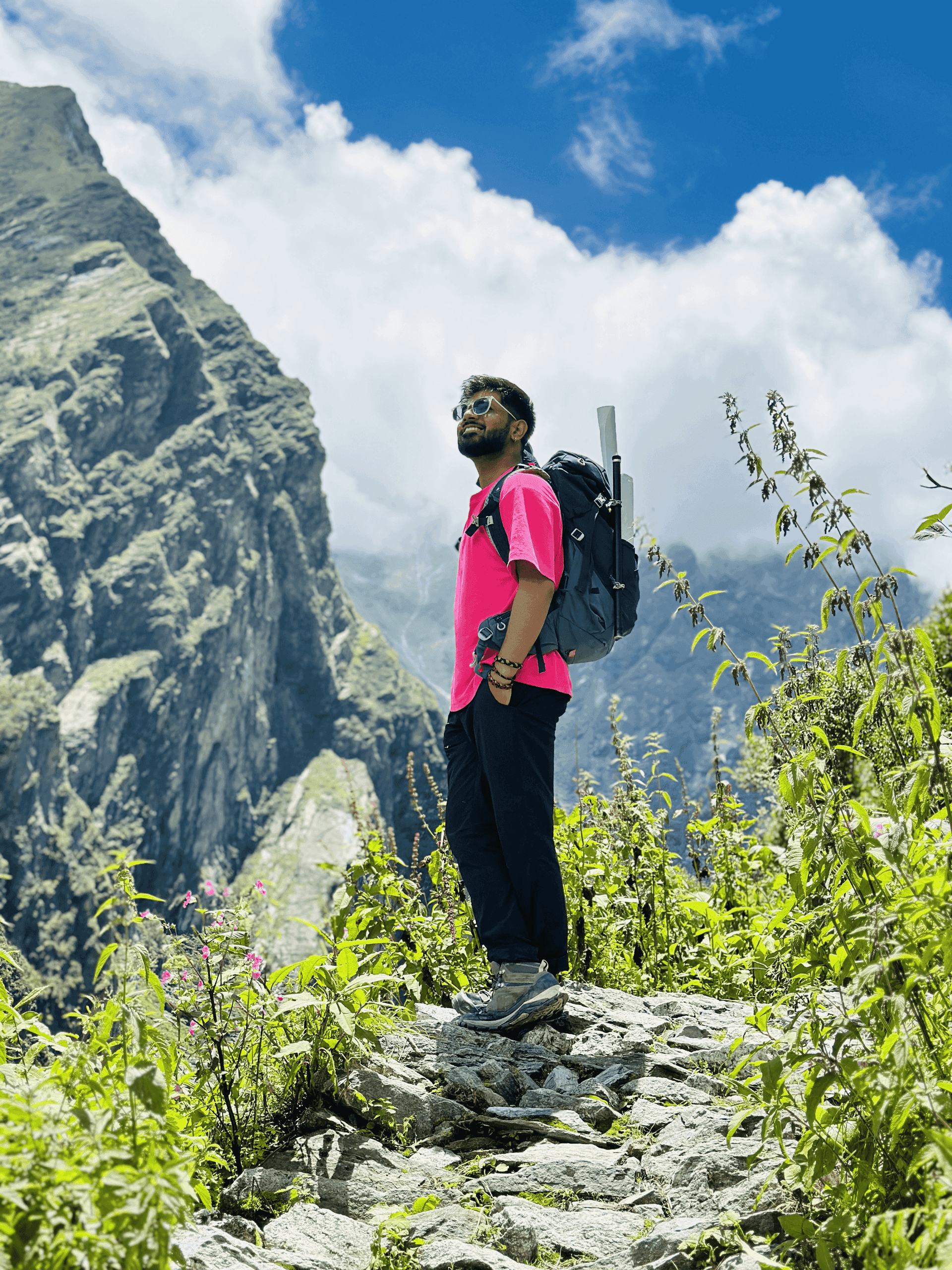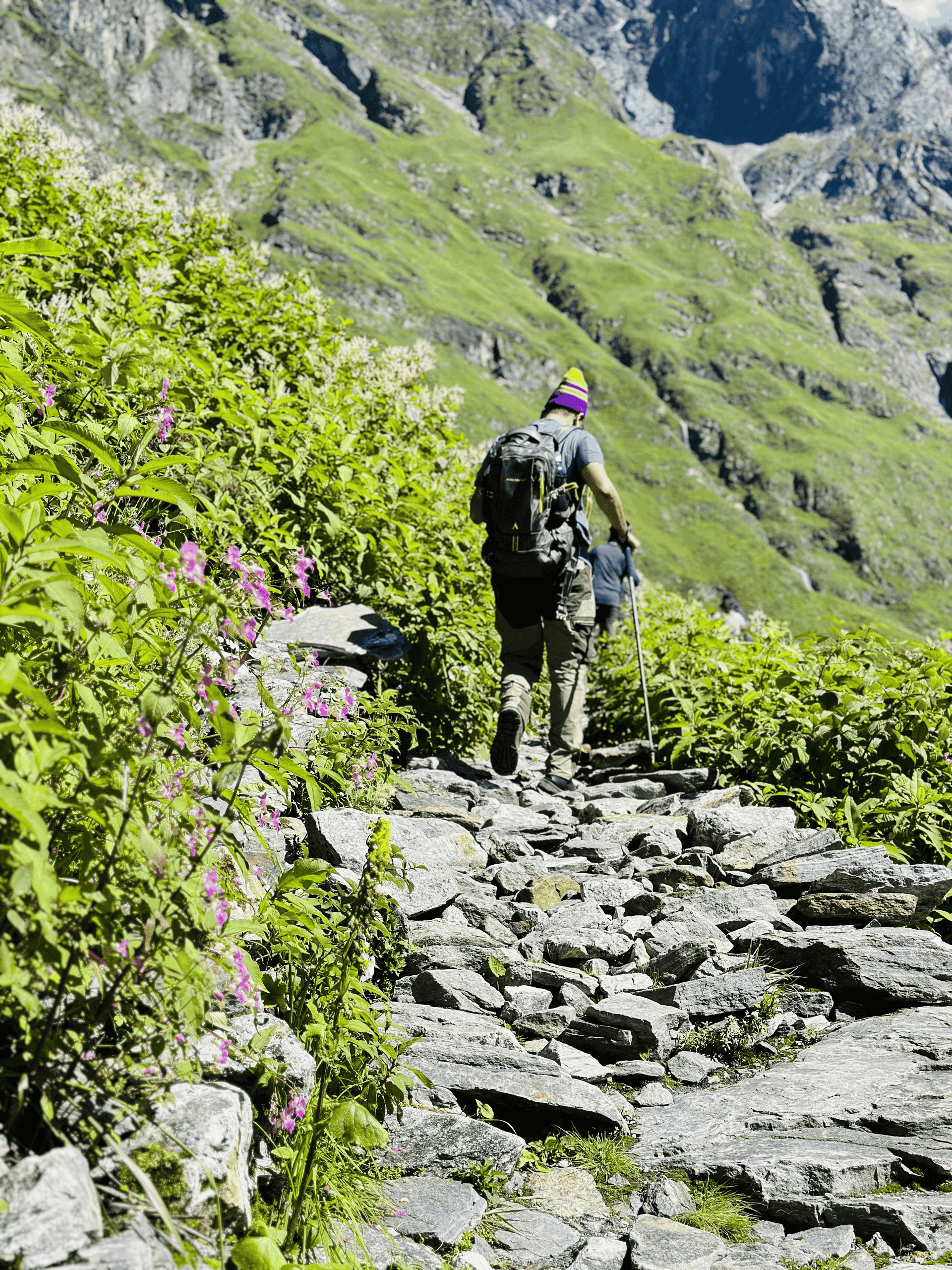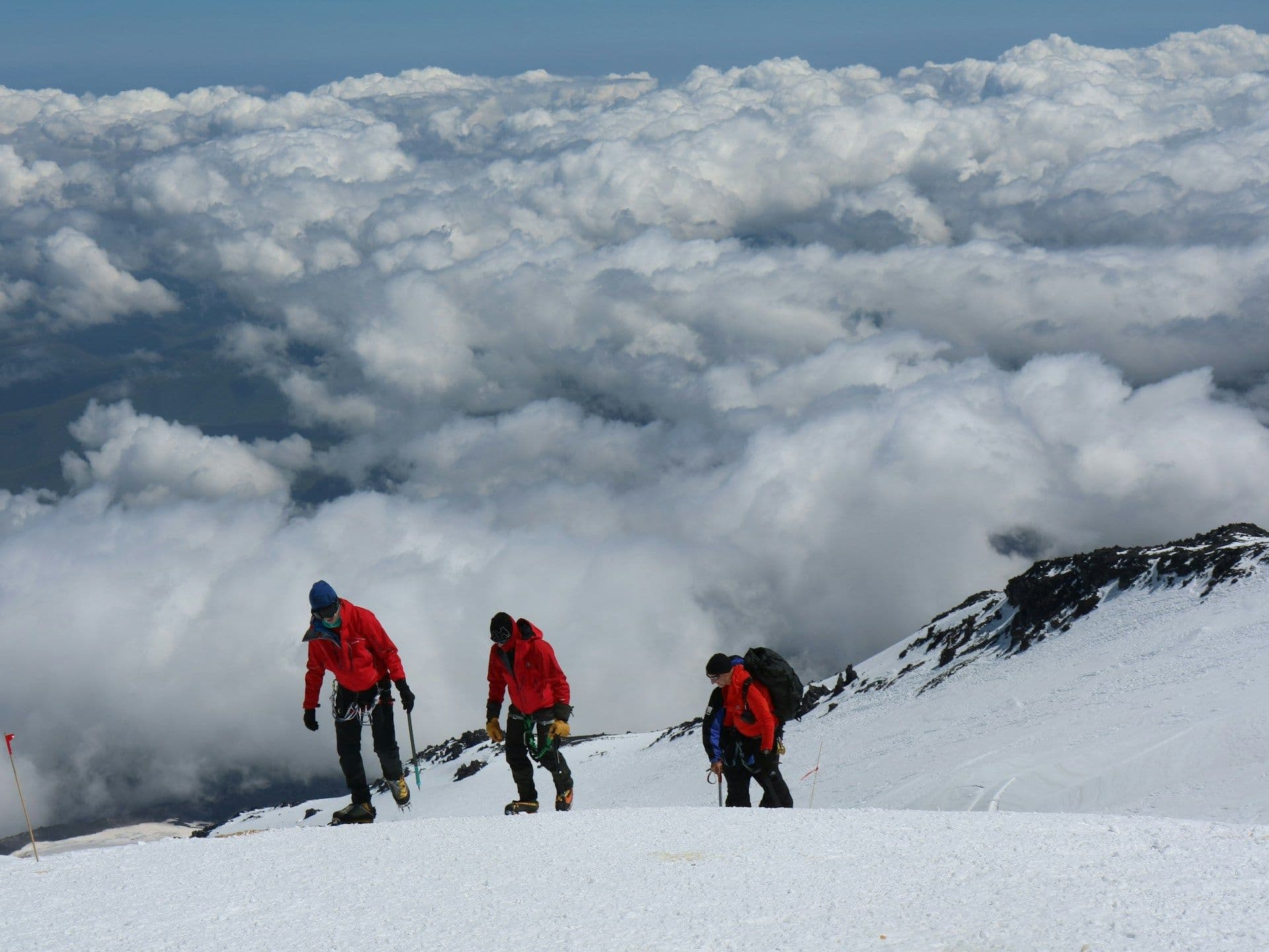
The Everest Base Camp (EBC) trek is one of the most iconic adventures in the Himalayas, but for most trekkers, the real challenge is not the distance covered—it's the altitude.
Many people spend months preparing physically for the trek but underestimate how their bodies will react above 3,000 meters. Understanding the Everest Base Camp altitude profile, recognizing the early signs of altitude sickness and following proper acclimatization practices can significantly improve your chances of reaching Base Camp safely.
Whether you're planning your first Himalayan trek or comparing routes with our Annapurna Base Camp Cost from India guide, understanding how altitude affects your body is essential before stepping onto the trail.
How High Is Everest Base Camp?
Everest Base Camp sits at an elevation of 5,364 meters (17,598 feet) above sea level.
However, many trekkers are surprised to learn that Everest Base Camp is not the highest point of the journey.
The highest point on the standard EBC trek is Kala Patthar, a famous viewpoint that reaches 5,545 meters (18,192 feet) and offers the most spectacular views of Mount Everest.
Everest Base Camp Altitude Quick Facts
Location | Altitude (Meters) | Altitude (Feet) |
| Lukla | 2,860 m | 9,383 ft |
| Phakding | 2,610 m | 8,563 ft |
| Namche Bazaar | 3,440 m | 11,286 ft |
| Tengboche | 3,867 m | 12,687 ft |
| Dingboche | 4,410 m | 14,469 ft |
| Lobuche | 4,940 m | 16,207 ft |
| Gorak Shep | 5,164 m | 16,942 ft |
| Everest Base Camp | 5,364 m | 17,598 ft |
| Kala Patthar | 5,545 m | 18,192 ft |
Everest Base Camp Altitude in Feet and Meters
For travelers unfamiliar with metric measurements, these are the most important elevation milestones during the trek.
Location | Meters | Feet |
| Namche Bazaar | 3,440 m | 11,286 ft |
| Dingboche | 4,410 m | 14,469 ft |
| Lobuche | 4,940 m | 16,207 ft |
| Everest Base Camp | 5,364 m | 17,598 ft |
| Kala Patthar | 5,545 m | 18,192 ft |
At Everest Base Camp, the available oxygen your body can utilize is roughly half of what it is at sea level, which is why many trekkers feel short of breath even during simple activities.
What Is the Highest Point on the Everest Base Camp Trek?
The highest point most trekkers reach is Kala Patthar, not Everest Base Camp.
While reaching Base Camp is a major achievement, Kala Patthar is where most travelers experience the most memorable views of Everest, Nuptse, Pumori and the Khumbu Glacier.
Why Kala Patthar Is Special
- The highest point of the standard EBC trek
- Best sunrise viewpoint in the region
- Clear panoramic views of Mount Everest
- Better photography opportunities than Base Camp itself
For many trekkers, Kala Patthar becomes the highlight of the entire journey.
Everest Base Camp Altitude Chart
Understanding how altitude increases throughout the trek helps explain why acclimatization is critical.
Trek Day | Destination | Altitude |
| Day 1 | Lukla | 2,860 m |
| Day 2 | Phakding | 2,610 m |
| Day 3 | Namche Bazaar | 3,440 m |
| Day 4 | Acclimatization Day | 3,440 m |
| Day 5 | Tengboche | 3,867 m |
| Day 6 | Dingboche | 4,410 m |
| Day 7 | Acclimatization Day | 4,410 m |
| Day 8 | Lobuche | 4,940 m |
| Day 9 | Gorak Shep | 5,164 m |
| Day 10 | Everest Base Camp | 5,364 m |
| Day 11 | Kala Patthar | 5,545 m |
Most successful itineraries include acclimatization days at Namche Bazaar and Dingboche because ascending too quickly dramatically increases the risk of altitude sickness.
The Science of Thin Air: Oxygen Levels at Everest Base Camp
One of the biggest misconceptions about altitude is that there is less oxygen in the air.
In reality, the atmosphere still contains approximately 21% oxygen. The challenge is that atmospheric pressure drops as elevation increases.
This means each breath contains fewer oxygen molecules than it would at sea level.
At Everest Base Camp:
- Oxygen availability is roughly 50% of sea-level conditions.
- Recovery takes longer.
- Sleep quality often decreases.
- Physical exertion feels significantly harder.
This is one reason why the Best Time for Trekking in Nepal becomes important. Stable weather and warmer temperatures can make altitude adaptation easier compared to trekking during colder shoulder seasons.
When Does Altitude Sickness Start on the EBC Trek?
Altitude sickness can begin affecting trekkers above 2,500–3,000 meters.
For most EBC trekkers, symptoms first appear around:
- Namche Bazaar (3,440 m)
- Tengboche (3,867 m)
- Dingboche (4,410 m)
The risk rises considerably above 4,000 meters.
Contrary to popular belief, altitude sickness can affect:
- Young travelers
- Experienced hikers
- Marathon runners
- Professional athletes
Fitness helps with trekking, but it does not prevent altitude sickness.
The Three Forms of High-Altitude Illness Explained
Understanding the differences between AMS, HAPE, and HACE can help trekkers recognize when symptoms are becoming serious.
Condition | Description | Common Symptoms | Action Required |
| AMS | Acute Mountain Sickness | Headache, fatigue, nausea | Stop ascent and rest |
| HAPE | High Altitude Pulmonary Edema | Breathlessness at rest, persistent cough | Immediate descent |
| HACE | High Altitude Cerebral Edema | Confusion, poor coordination, loss of balance | Emergency evacuation |
Acute Mountain Sickness (AMS)
AMS is the most common altitude-related condition on the Everest Base Camp trek.
Symptoms typically include:
- Headache
- Poor sleep
- Fatigue
- Loss of appetite
- Mild dizziness
Most cases improve with rest and proper acclimatization.
High Altitude Pulmonary Edema (HAPE)
HAPE occurs when fluid accumulates in the lungs.
Warning signs include:
- Persistent cough
- Difficulty breathing while resting
- Chest congestion
- Extreme fatigue
This condition requires immediate descent and medical attention.
High Altitude Cerebral Edema (HACE)
HACE is a rare but serious condition involving swelling of the brain.
Symptoms include:
- Confusion
- Slurred speech
- Difficulty walking
- Poor coordination
HACE is a medical emergency and requires immediate evacuation.
Understanding Pulse Oximeter Readings on the EBC Trek
Most trekking guides carry pulse oximeters to monitor oxygen saturation and heart rate during the trek.
These readings are useful indicators but should never be used as the only measure of health.
Reading Trend | What It Generally Means |
| Higher readings | Better acclimatization |
| Gradually declining readings | Monitor closely |
| Low readings combined with symptoms | Seek medical evaluation |
Professional guides typically combine pulse oximeter readings with symptom assessment rather than relying solely on numbers.
Why Acclimatization Days Matter
Acclimatization days are not optional rest days.
They are one of the primary reasons thousands of trekkers successfully complete the Everest Base Camp trek every year.
Namche Bazaar Acclimatization Day
Altitude: 3,440 meters
Popular acclimatization hikes include:
- Everest View Hotel
- Khumjung Village
- Syangboche Airstrip
The goal is simple:
Climb high, sleep low.
This helps stimulate the body's adaptation to lower oxygen levels.
Dingboche Acclimatization Day
Altitude: 4,410 meters
The second acclimatization day is usually spent in Dingboche and is arguably even more important than the stop in Namche Bazaar.
Popular acclimatization hikes include:
- Nagarjun Hill
- Chukhung Valley
- Nangkartshang Peak viewpoint
By this stage of the trek, oxygen levels are significantly lower, and many trekkers begin to notice changes in sleep quality, appetite and energy levels.
Skipping this acclimatization stop dramatically increases the risk of altitude-related illness.
Why High-Altitude Insurance Matters
One of the most overlooked aspects of Everest Base Camp planning is emergency evacuation coverage.
Many trekkers assume standard travel insurance is sufficient, only to discover that their policy excludes high-altitude trekking.
What Your Insurance Should Cover
- High-altitude trekking above 5,000 meters
- Emergency medical treatment
- Search and rescue operations
- Helicopter evacuation
- Hospitalization in Nepal
A helicopter evacuation from the Everest region can cost thousands of dollars, depending on weather conditions, location, and medical requirements.
Before purchasing insurance, review our Everest Base Camp Cost from India guide to understand how evacuation coverage, permits, transport and emergency expenses affect your overall trek budget.
The Reality of Helicopter Evacuations on the EBC Trek
When severe altitude-related illnesses occur, descent is the first and most effective treatment.
However, weather conditions, darkness, injuries or medical emergencies can sometimes make immediate descent difficult.
In such cases, helicopter evacuation becomes necessary.
Trekkers are often evacuated from:
- Gorak Shep
- Lobuche
- Dingboche
- Pheriche
This is another reason why comprehensive insurance is essential rather than optional.
What Is the Khumbu Cough?
The Khumbu Cough is one of the most common issues trekkers experience in the Everest region.
Despite its alarming name, it is not usually caused by infection.
Instead, it develops because of:
- Cold mountain air
- Extremely low humidity
- Dust from trekking trails
- Yak and mule traffic
- Continuous heavy breathing during uphill climbs
Common Symptoms
- Persistent dry cough
- Sore throat
- Irritated airways
- Night-time coughing fits
How to Reduce the Risk
- Wear a Buff or neck gaiter
- Cover your mouth while trekking
- Stay hydrated
- Avoid breathing directly through your mouth in cold conditions
Many trekkers consider a Buff just as important as trekking poles on the Everest Base Camp route.
Why Do Trekkers Wake Up Gasping for Air?
One of the most surprising experiences at high altitude is waking up suddenly feeling short of breath.
This phenomenon is often caused by Cheyne-Stokes breathing, a common high-altitude adaptation.
What Happens?
At high elevations, your body continuously adjusts breathing patterns in response to changing oxygen and carbon dioxide levels.
This can result in:
- Shallow breathing
- Brief pauses in breathing
- Sudden deep breaths
- Waking up unexpectedly
Is It Dangerous?
In most cases, no.
While it can feel frightening, Cheyne-Stokes breathing is common above 4,000 meters and is different from serious conditions such as HAPE.
However, persistent breathlessness while resting should always be evaluated by a guide or medical professional.
What Is Diamox?
Diamox (Acetazolamide) is one of the most widely used altitude medications among trekkers.
It is often taken to assist the acclimatization process and reduce the risk of altitude sickness.
Important Things to Know
- Consult your doctor before using Diamox.
- It is not a replacement for acclimatization.
- It cannot compensate for ascending too quickly.
- It works best when combined with proper trekking practices.
Many experienced trekkers carry Diamox, but the most effective altitude strategy remains gradual ascent and adequate rest.
Everest Base Camp vs Annapurna Base Camp Altitude
Many trekkers compare Nepal's two most famous trekking routes before choosing one.
Trek | Highest Point |
| Annapurna Base Camp | 4,130 m |
| Everest Base Camp (Kala Patthar) | 5,545 m |
The altitude difference is significant.
Everest Base Camp exposes trekkers to more than 1,400 meters of additional elevation compared to Annapurna Base Camp.
This is one reason EBC is generally considered more demanding from an altitude perspective.
If you're comparing trekking difficulty, costs, and preparation requirements, our Annapurna Base Camp Cost from India guide provides a useful comparison point.
Everest Base Camp Altitude Compared to Other Famous Destinations
Understanding Everest Base Camp's elevation becomes easier when compared with other popular destinations.
Location | Altitude |
| Kathmandu | 1,400 m |
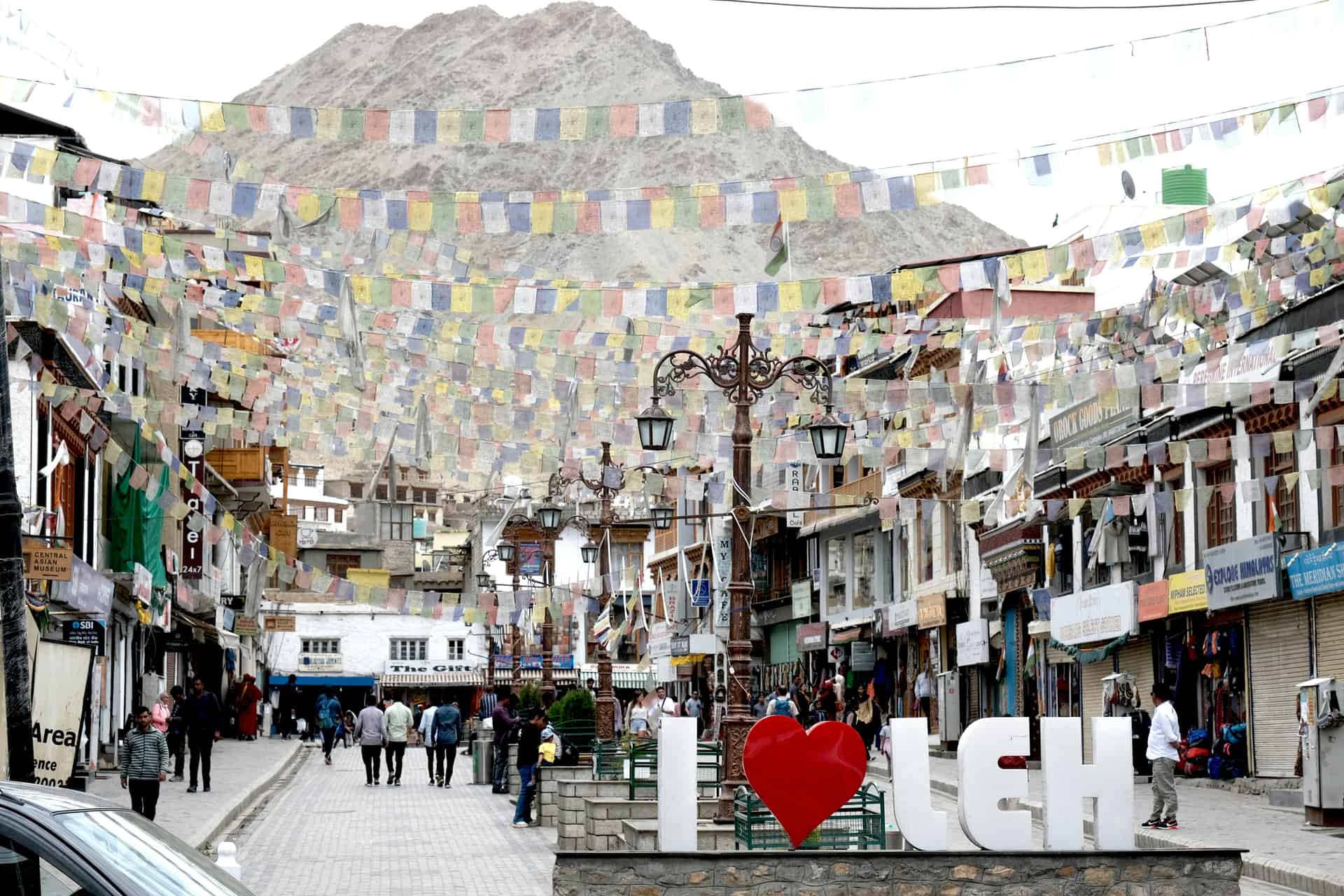
| Leh, Ladakh | 3,500 m |
| Namche Bazaar | 3,440 m |
| Annapurna Base Camp | 4,130 m |
| Everest Base Camp | 5,364 m |
| Kala Patthar | 5,545 m |
This comparison highlights why acclimatization is so important on the Everest Base Camp trek.
Essential Gear for High Altitude Trekking
While equipment cannot prevent altitude sickness, it can make high-altitude conditions significantly more comfortable.
Essential items include:
- Down jacket
- Thermal base layers
- Fleece jacket
- Wool socks
- Warm gloves
- UV-protection sunglasses
- Insulated water bottle
- Headlamp
- Trekking poles
Proper layering becomes increasingly important as temperatures drop near Lobuche, Gorak Shep, and Kala Patthar.
For a complete packing checklist, read our What to Pack for Nepal Treks guide.
Common Altitude Myths About Everest Base Camp
Myth 1: Only Unfit People Get Altitude Sickness
False.
Altitude sickness can affect elite athletes, experienced trekkers and beginners alike.
Myth 2: Young Trekkers Are Protected
False.
Age does not provide immunity from altitude-related illness.
Myth 3: Drinking More Water Completely Prevents AMS
False.
Hydration helps support acclimatization, but it does not eliminate altitude sickness risk.
Myth 4: Reaching Base Camp Means the Danger Is Over
False.
Many altitude-related incidents occur during the descent phase of the trek.
Myth 5: Fitness Is More Important Than Acclimatization
False.
Proper acclimatization is usually more important than fitness when it comes to preventing altitude sickness.
Final Thoughts
At 5,364 meters, Everest Base Camp is one of the highest trekking destinations accessible without technical mountaineering experience. However, the real challenge of the journey is not the distance covered, it's how your body adapts to the altitude.
Understanding oxygen levels, recognizing the symptoms of AMS, HAPE and HACE, respecting acclimatization days, and preparing for the realities of high-altitude trekking dramatically improve your chances of success.
The mountains will always be there, reaching them safely is what matters most.