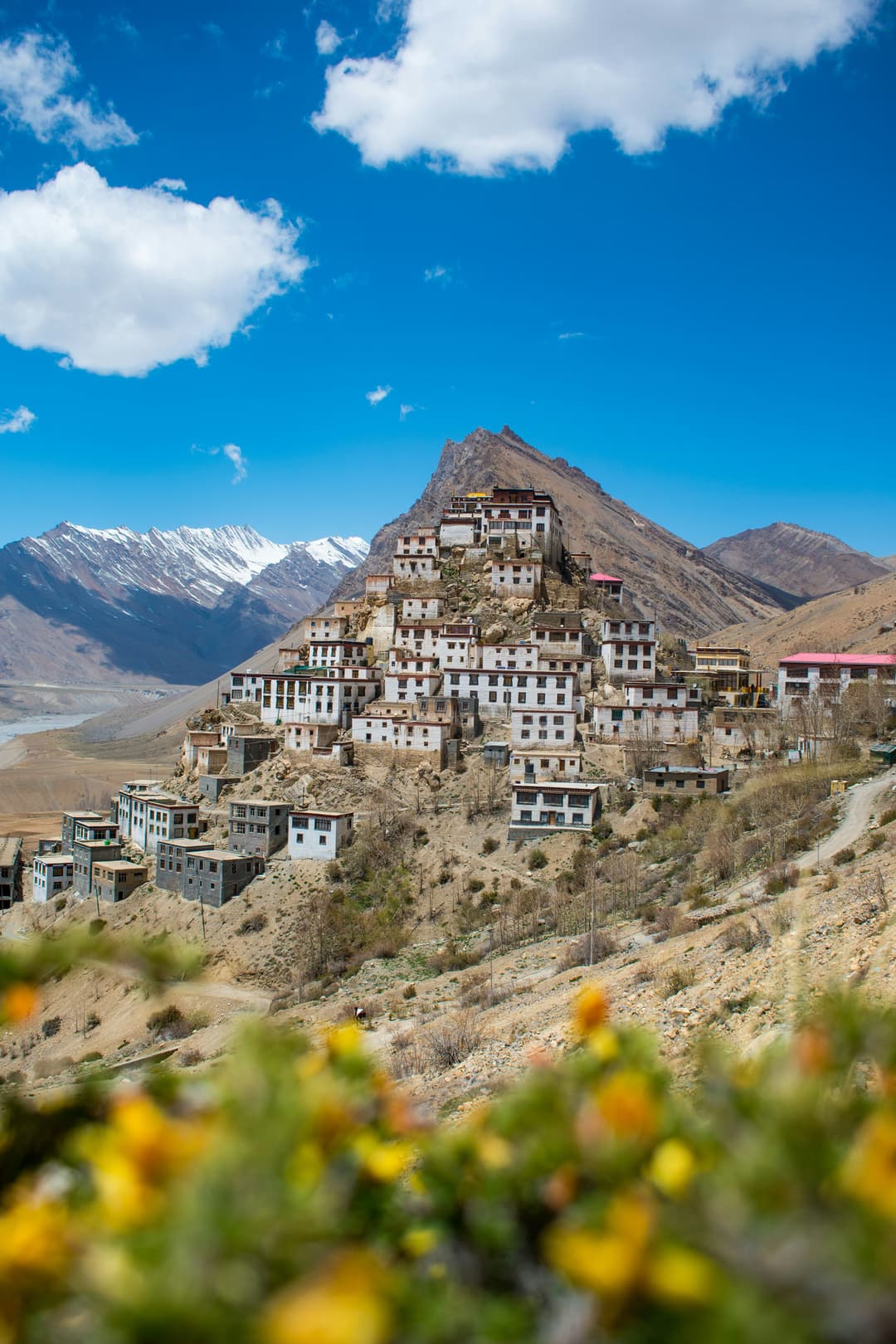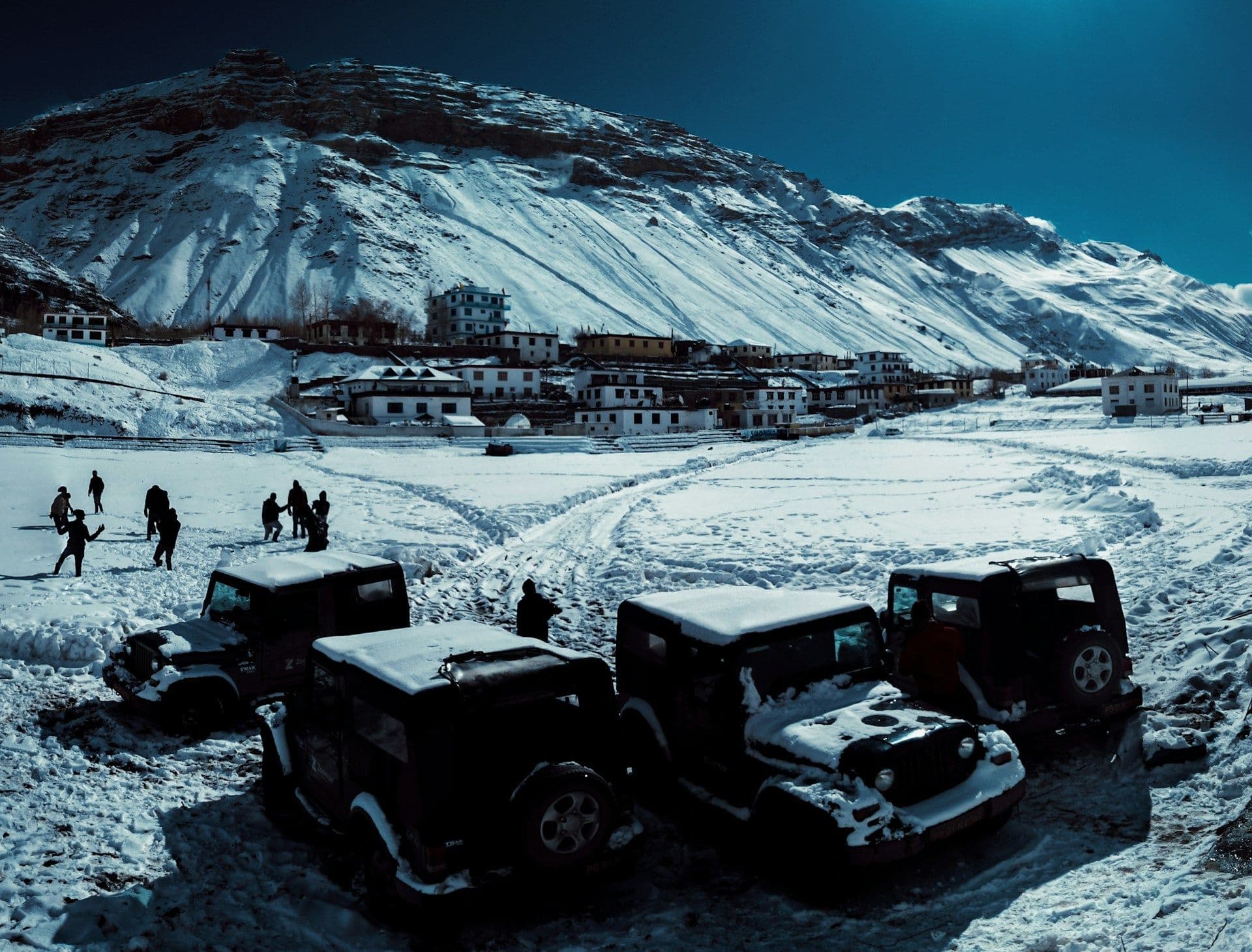
Getting to Spiti Valley is an adventure in itself. One route takes you through the winding roads of Shimla and Kinnaur, while the other crosses Lahaul and the high-altitude Kunzum Pass. Both lead to Spiti, but the journey and road conditions differ considerably.
Most travellers reach Spiti by road, using HRTC buses, shared taxis, private cabs or self-drive vehicles. You can also fly or take a train to a nearby town before continuing by road. However, there is no single route that works best throughout the year. The Manali route depends on Kunzum Pass opening, while the Shimla–Kinnaur route generally offers a longer travel window.
Understanding the routes, transport options and seasonal conditions will help you choose the right way to reach Spiti Valley. If you are planning your first visit, explore our complete [Spiti Valley Travel Guide] to understand the region, its major attractions and essential travel considerations.
How to Reach Spiti Valley via Shimla and Kinnaur
The Shimla–Kinnaur route takes you through Narkanda, Rampur and Reckong Peo before entering Spiti through Nako and Tabo. It is an important approach to Spiti Valley, particularly when the Manali–Kunzum Pass route is closed during winter. The journey offers several possible overnight stops, allowing travellers to break the drive instead of rushing towards Kaza.
Route: Shimla → Narkanda → Rampur → Reckong Peo → Nako → Tabo → Dhankar → Kaza
- Distance: Approximately 412 km from Shimla to Kaza
- Driving time: Around 20 hours, excluding overnight stops and delays
- Recommended travel time: 2–3 days
Important Stops Along the Shimla–Kaza Route
Stop | Why it matters for your journey |
| Narkanda | An early stop after Shimla, with accommodation and food options. |
| Rampur | A useful town for refreshments and a break during the drive. |
| Reckong Peo | An important service stop with fuel, accommodation, shops and other facilities. |
| Kalpa | A nearby overnight option if you want to spend more time in Kinnaur before entering Spiti. |
| Nako | A high-altitude village and a possible overnight stop before continuing towards Tabo. |
| Tabo | A convenient stop for travellers who want to explore the village and its historic monastery. |
| Dhankar | A short detour from the main route, known for its monastery and dramatic mountain setting. |
| Kaza | The main town of Spiti Valley and the usual base for exploring the region. |
How Many Days Should You Allow from Shimla to Kaza?
Although the drive can take approximately 20 hours without extended stops, it is better to divide the journey over 2–3 days. This gives you flexibility for road delays, overnight stays and the gradual increase in altitude.
A practical way to plan the journey is:
- Day 1: Shimla to Reckong Peo or Kalpa.
- Day 2: Reckong Peo or Kalpa to Nako or Tabo.
- Day 3: Continue towards Kaza, with a stop at Dhankar if time and road conditions permit.
You can adjust these stops depending on your travel pace and accommodation preferences. Reckong Peo is particularly useful for arranging fuel, food and an overnight stay before continuing into the higher-altitude areas.
For a complete day-wise travel plan covering sightseeing stops and the wider circuit, refer to our Spiti Valley Itinerary.
The Shimla–Kinnaur route generally remains accessible for a longer period than the Manali route, but landslides, falling rocks and snowfall can still cause road closures, particularly around Kinnaur. Keep some flexibility in your travel schedule and check the latest road conditions before departure, especially when travelling beyond Reckong Peo towards Nako and Tabo.
How to Reach Spiti Valley via Manali and Kunzum Pass
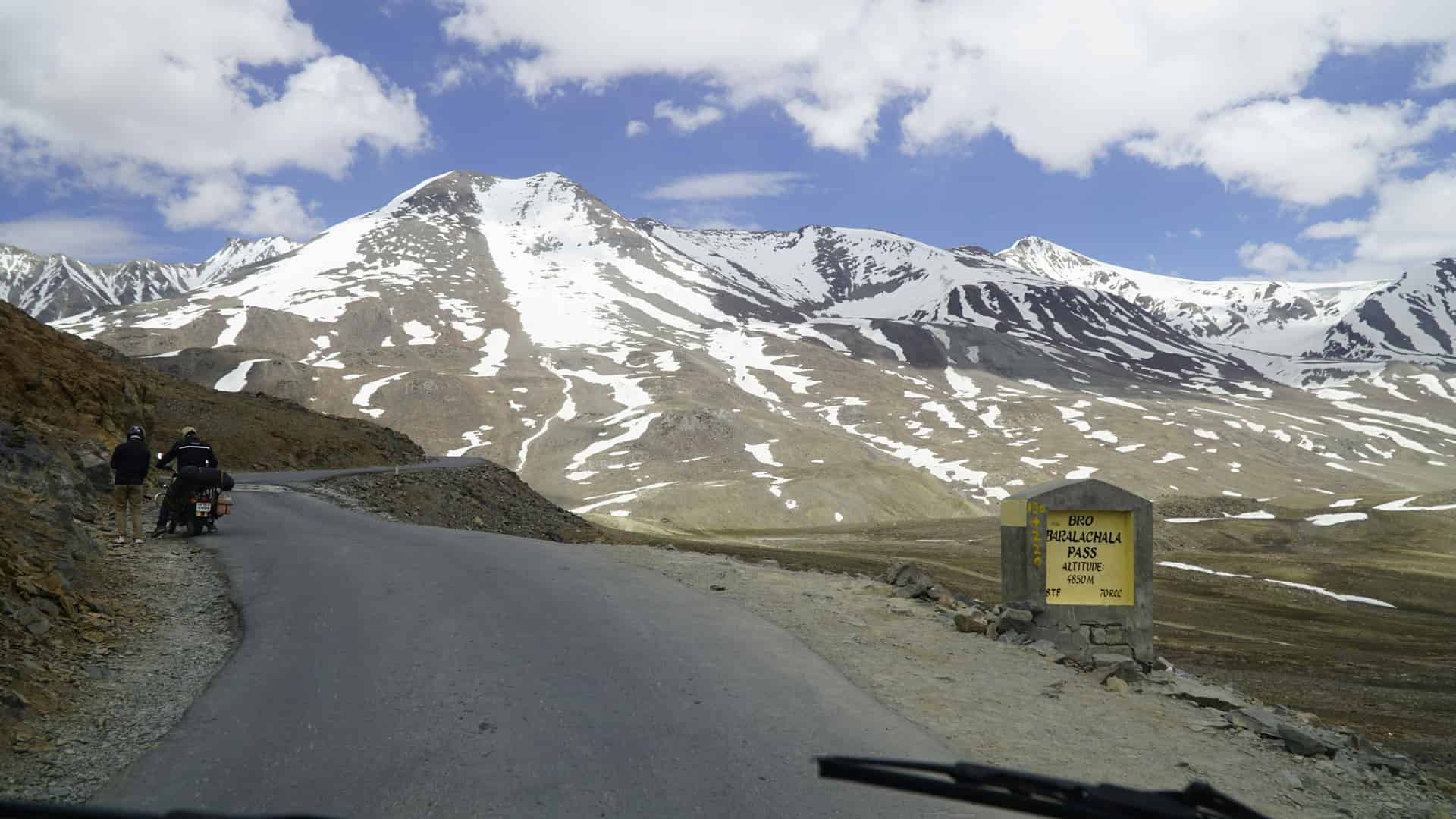
The Manali–Kunzum Pass route connects Manali with Kaza through the Atal Tunnel, Lahaul Valley and some of the most rugged mountain roads in Himachal Pradesh. It is a popular choice during the summer travel season, but unlike the Shimla route, it depends on Kunzum Pass being open.
Route: Manali → Atal Tunnel → Sissu → Tandi → Gramphu → Chhatru → Batal → Kunzum Pass → Losar → Kaza
- Approximate distance: Around 200–220 km from Manali to Kaza, subject to the route taken.
- Driving time: Approximately 8–12 hours in favourable road conditions, though delays can extend the journey.
- Highest point: Kunzum Pass, approximately 4,551 metres above sea level.
- Recommended travel time: Allow a full day and keep additional flexibility for road delays.
Gramphu to Batal: The Most Challenging Road Stretch
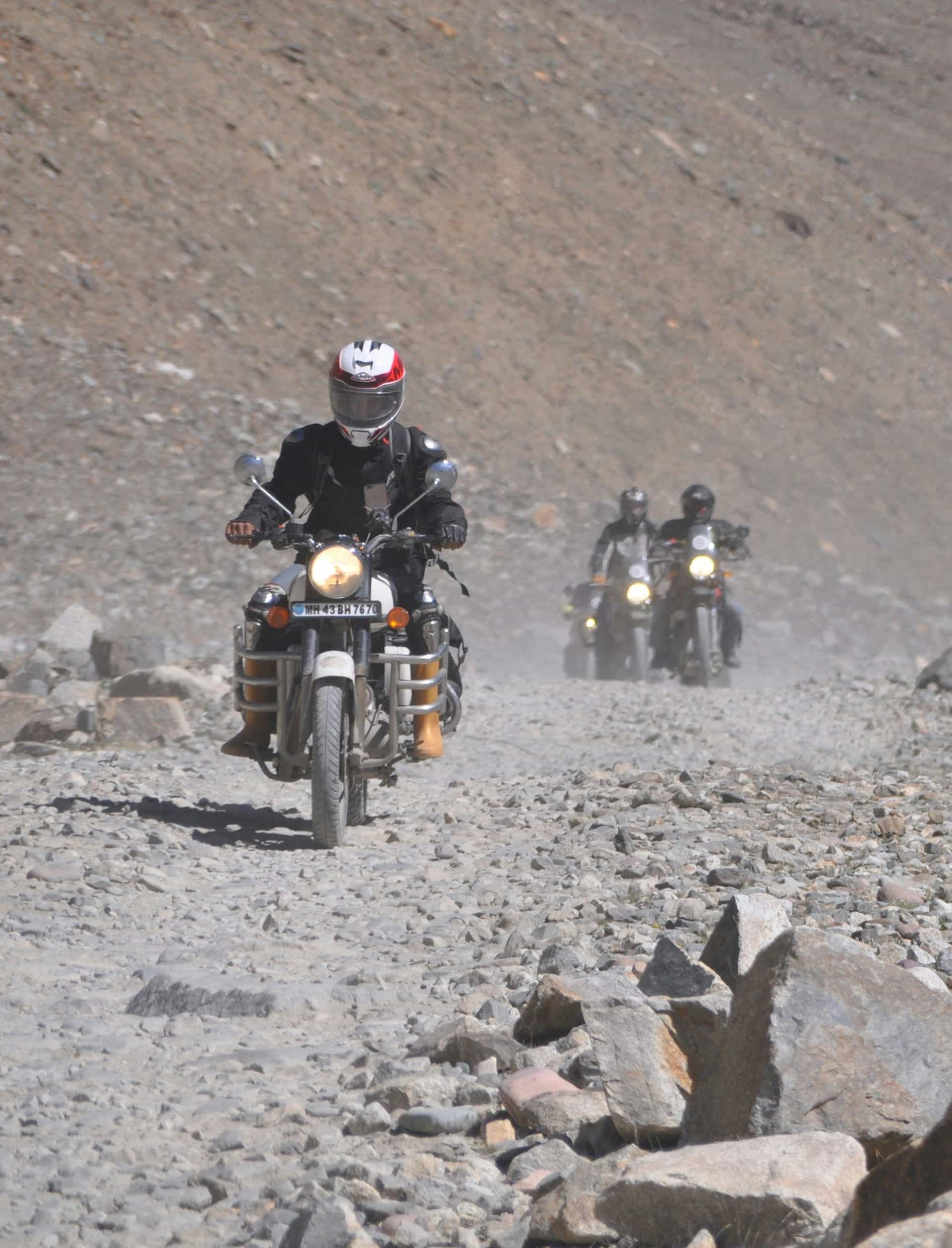
The approximately 47 km stretch between Gramphu and Batal is one of the toughest sections of the Manali–Kaza route. Much of it consists of rough, unpaved terrain with loose gravel, rocks, muddy patches and seasonal water crossings. Road conditions can deteriorate after rainfall and snowmelt, making this stretch particularly challenging for inexperienced drivers.
Chhatru and Batal are important landmarks along the way. Chacha Chachi Dhaba at Batal is a well-known stop where travellers can take a break, but food, accommodation and vehicle assistance remain limited across this remote section.
Before leaving Gramphu, make sure you have enough fuel, drinking water and essential supplies. Avoid starting this stretch late in the day, especially when weather or road conditions are uncertain.
Can a Hatchback or Sedan Reach Spiti via Manali?
High-ground-clearance SUVs are generally better suited to the Manali–Kaza route. Hatchbacks and low-clearance sedans are not recommended because the rough Gramphu–Batal stretch can cause underbody damage.
Vehicle Type | Suitability |
| Hatchback | Not recommended for the Manali route. |
| Sedan | Not recommended for the rough Gramphu–Batal stretch. |
| High-ground-clearance SUV (4x2) | More suitable in favourable road conditions, but careful driving is essential. |
| 4x4 SUV | Offers additional traction on difficult surfaces, although it does not eliminate road risks. |
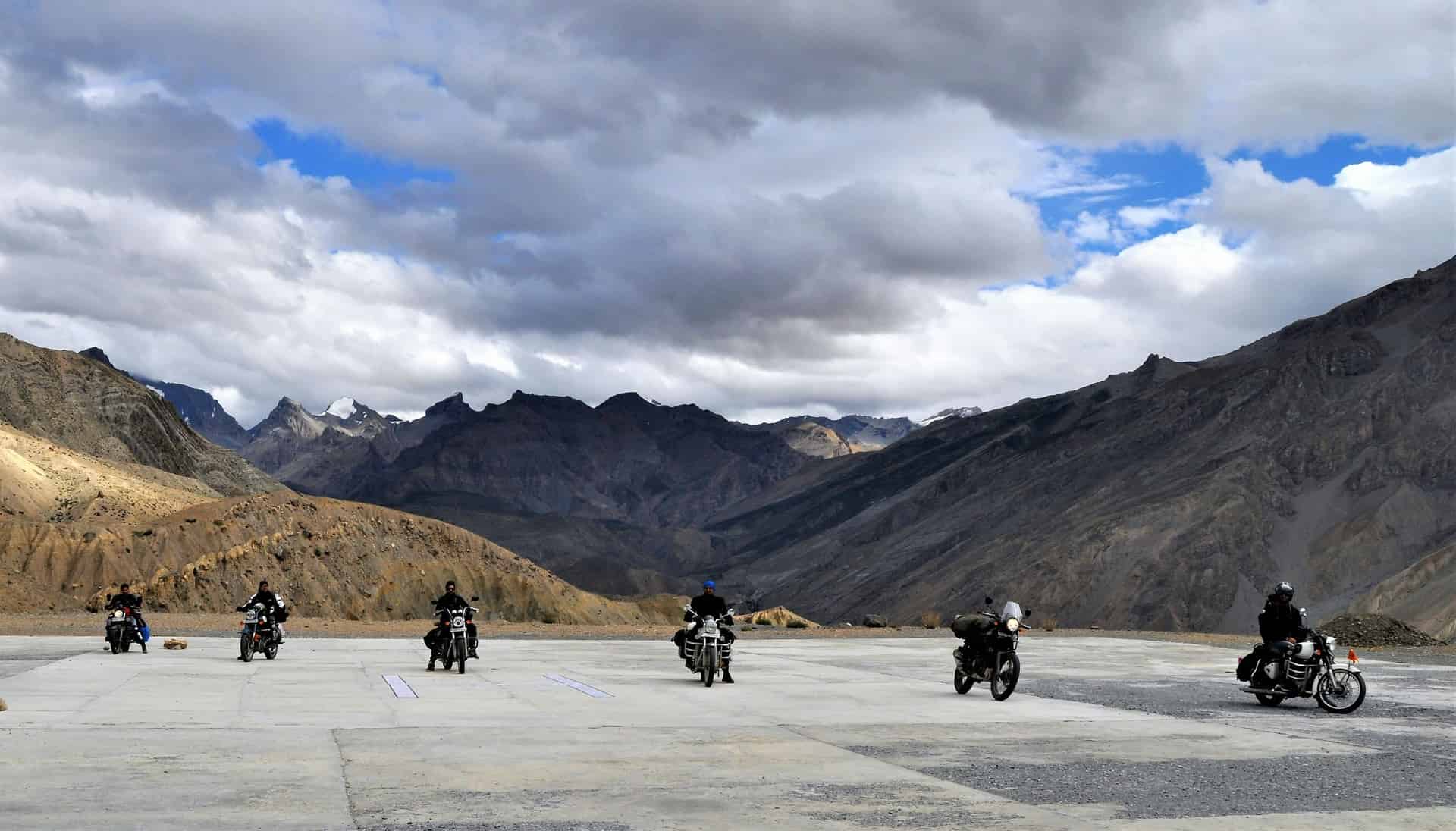
| Motorcycle | Suitable for experienced riders prepared for rough roads, water crossings and changing weather. |
A vehicle's ground clearance, tyres, mechanical condition and the driver's experience all matter. A 4x4 is not a guarantee of safe passage and even capable SUVs should avoid attempting difficult stretches when local authorities advise against travel.
Where Should You Refuel on the Manali–Kaza Route?
Tandi in Lahaul Valley is an important refuelling stop before entering the remote Gramphu–Batal section. Fill your tank there rather than relying on fuel availability along the route. Kaza also has a petrol station, but supplies and operating conditions should be checked locally.
Plan your fuel requirements around your actual onward journey, as fuel availability is limited across the remote sections of this route.
When Is the Manali–Kunzum Pass Route Open?
Kunzum Pass sits at approximately 4,551 metres and connects the Lahaul and Spiti valleys. Heavy snowfall generally closes the pass during winter. It usually becomes accessible during summer after snow clearance, but opening and closing dates depend on snowfall, weather and road conditions.
The route generally remains usable into early autumn, although temporary closures can occur even during the main travel season. Before leaving Manali, confirm that the road beyond Gramphu and Kunzum Pass is officially open. Do not plan the journey based only on usual seasonal patterns.
Your travel dates can make a significant difference to route accessibility and road conditions. Read our guide to the Best Time to Visit Spiti Valley before finalising your travel plans.
Shimla vs Manali Route: Which Is Better for Reaching Spiti Valley?
Choosing between the Shimla and Manali routes depends on your travel dates, vehicle and preferred journey. The Shimla route generally offers a longer travel window and a more gradual approach, while the Manali route provides a shorter drive to Kaza when Kunzum Pass is open.
Factor | Shimla–Kinnaur Route | Manali–Kunzum Route |
| Starting point | Shimla | Manali |
| Approximate distance to Kaza | 412 km | 200–220 km |
| Driving time | Around 20 hours, excluding stops | Around 8–12 hours in favourable conditions |
| Road conditions | Mountain roads with landslide-prone sections | Rough Gramphu–Batal stretch |
| Seasonal accessibility | Generally offers a longer travel window, subject to weather and road conditions | Depends on Kunzum Pass opening |
| Vehicle suitability | More manageable for ordinary cars in suitable conditions | High-ground-clearance vehicles preferred |
Which Route Should You Choose?
- For first-time visitors: Consider the Shimla route for its gradual approach through Kinnaur.
- For summer road trips: Choose the Manali route when Kunzum Pass is officially open and road conditions are suitable.
- For self-drive travellers: The Shimla route is generally more manageable for ordinary cars, while the Manali route is better suited to high-ground-clearance SUVs.
- For a complete Spiti circuit: Enter through Shimla and return through Manali if both routes are open and you have enough time.
How to Reach Spiti Valley from Delhi
Travellers from Delhi can reach Spiti Valley through either Shimla or Manali before continuing towards Kaza. The choice depends on the season, road conditions and preferred route.
Delhi to Spiti via Shimla
Route: Delhi → Chandigarh → Shimla → Narkanda → Reckong Peo → Nako → Tabo → Kaza
Take an overnight bus, private taxi or your own vehicle from Delhi to Shimla. From there, continue towards Kaza through Kinnaur using HRTC buses, shared taxis or a private vehicle. This route generally offers a longer travel window than the Manali route.
Delhi to Spiti via Manali
Route: Delhi → Chandigarh → Mandi → Kullu → Manali → Atal Tunnel → Tandi → Gramphu → Batal → Kunzum Pass → Kaza
Reach Manali from Delhi by bus, private taxi or self-drive vehicle, then continue towards Kaza when Kunzum Pass is officially open.
Which Route Should You Choose?
Choose Shimla for a more gradual journey and a longer seasonal travel window. Choose Manali during the Kunzum Pass opening season if you prefer a shorter road approach to Kaza.
For a breakdown of transport expenses and overall budgets, refer to our Spiti Valley Trip Cost Guide.
How to Reach Spiti Valley by Bus
Travelling by bus is one of the most economical ways to reach Spiti Valley. HRTC buses connect Shimla, Reckong Peo and Kaza, while Manali–Kaza services generally operate only when Kunzum Pass is open.
Journey | Bus Connection | Important Information |
| Delhi to Shimla | HRTC or private overnight buses | Reach Shimla before continuing towards Kinnaur. |
| Shimla to Reckong Peo | HRTC ordinary buses | Check departure timings and allow flexibility for delays. |
| Reckong Peo to Kaza | HRTC buses, subject to availability | You may need an overnight stop at Reckong Peo depending on onward connections. |
| Manali to Kaza | Seasonal HRTC bus service | Operates depending on Kunzum Pass opening and road conditions. |
Bus travel tip: The Shimla–Kinnaur route is generally more practical for public transport because of its longer seasonal travel window. Manali–Kaza bus services are seasonal, so confirm availability before planning your journey. Local buses and shared taxis may be needed to reach villages beyond Kaza.
Check current schedules, fares and ticket availability through the HRTC online booking portal.
How to Reach Spiti Valley by Flight
Spiti Valley does not have an airport, so travellers need to fly to a nearby airport and continue towards Kaza by road. Bhuntar and Chandigarh are two practical airport options, while Shimla Airport has limited regional flight connectivity.
Airport | Location | Best Road Connection |
| Bhuntar Airport | Near Kullu | Continue towards Manali and take the Kunzum Pass route when open. |
| Chandigarh Airport | Chandigarh | Travel towards either Shimla or Manali, depending on road accessibility. |
| Shimla Airport | Jubbarhatti, near Shimla | Continue through Kinnaur towards Nako, Tabo and Kaza. |
Which airport should you choose?
- Bhuntar: Consider this if you plan to reach Spiti through Manali and Kunzum Pass.
- Chandigarh: A practical option if you want flexibility to choose between the Shimla and Manali routes.
- Shimla: Consider this if suitable flights are available and you plan to enter Spiti through Kinnaur.
There are no direct flights to Kaza. You will need to arrange onward road transport, and your journey may require an overnight stop depending on the route and road conditions.
How to Reach Spiti Valley by Train
Spiti Valley does not have a railway station, so travellers need to continue by road from a nearby railhead. Chandigarh and Kalka are two practical railway options for reaching Spiti.
Railway Station | Onward Journey |
| Chandigarh | Travel towards Shimla or Manali by bus, taxi or private vehicle. |
| Kalka | Take the scenic Kalka–Shimla toy train or travel by road before continuing through Kinnaur. |
From Shimla or Manali, you can continue towards Kaza depending on your chosen route and seasonal road accessibility.
Important Things to Know Before Travelling to Spiti Valley
Before travelling to Spiti Valley, keep these practical considerations in mind:
- Altitude: Kaza sits at approximately 3,800 metres, while villages such as Kibber and Komic are considerably higher. Avoid rushing your journey, allow time to acclimatize and seek medical assistance if altitude-related symptoms worsen.
- Mobile Connectivity: Jio and Airtel generally provide connectivity in Kaza, Tabo and Reckong Peo, but coverage can disappear around remote stretches such as Chhatru and Batal. Download offline maps and save important contacts before travelling.
- Cash and Payments: Do not rely entirely on UPI, cards or ATMs. Carry sufficient physical cash for accommodation, meals and local transport, particularly when visiting remote villages.
Planning Your Spiti Valley Trip?
Choosing the right route is only the first step. Road conditions, travel dates, transport arrangements and the time needed for acclimatization all play an important role in planning a smooth Spiti Valley trip.
If you would rather have the major travel arrangements taken care of, explore our Spiti Valley Tour Packages and find an option that fits your travel plans.