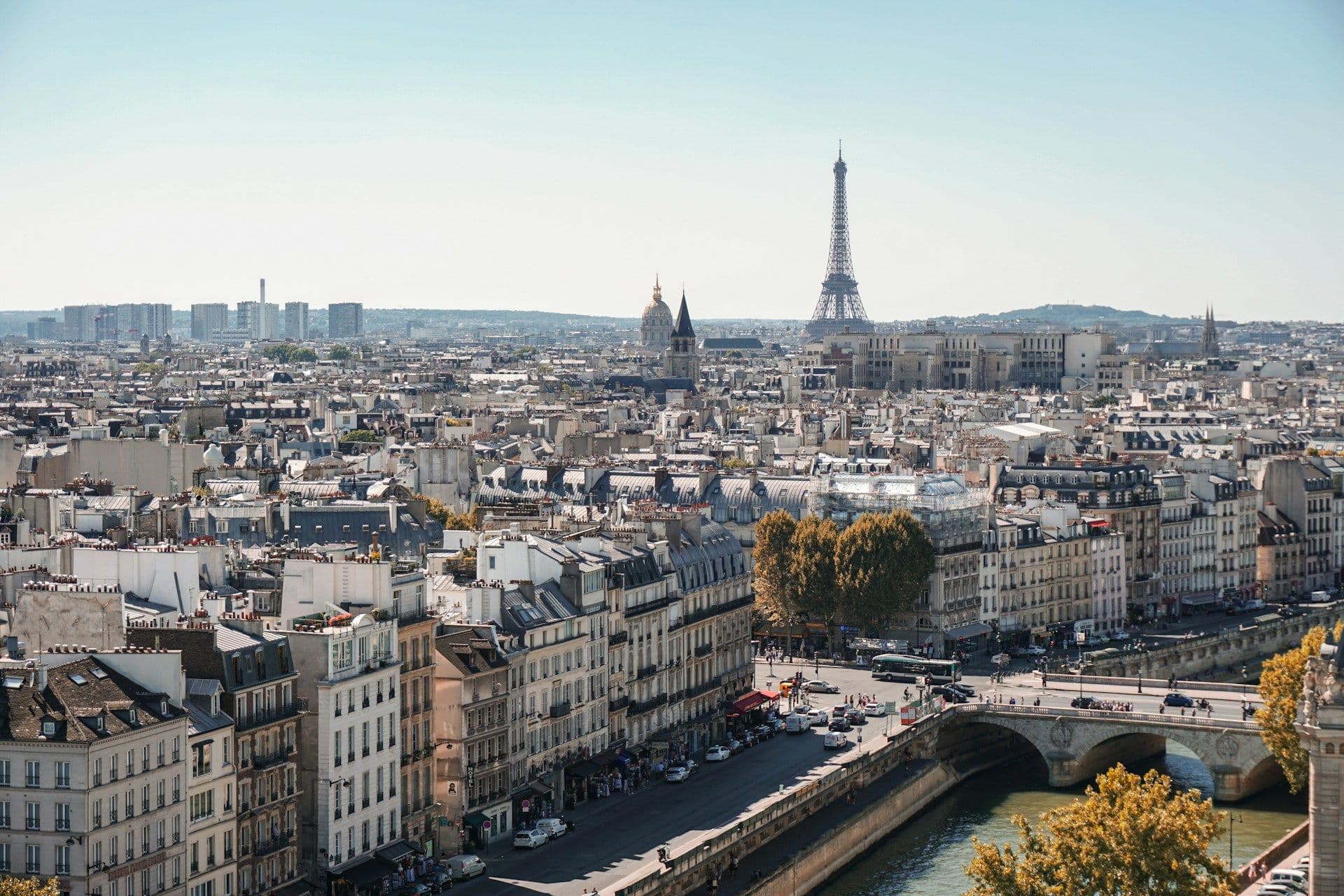
Paris is one of the most visited cities in the world, yet it often surprises first-time travelers. Many arrive expecting iconic landmarks, charming cafés and postcard-perfect streets. While all of that exists, what makes Paris memorable is often the atmosphere between the attractions.
A walk along the Seine, an afternoon in a neighborhood café or simply wandering through historic streets can leave a stronger impression than checking off a list of landmarks.
For first-time visitors, the challenge is not deciding whether Paris is worth visiting. It's knowing how to experience the city without feeling rushed.
This Paris travel guide covers everything you should know before your first trip, including how many days to spend in Paris, where to stay, what to do, how to get around, common mistakes to avoid and how Paris fits into a broader Europe itinerary.
If you're planning your first European holiday, start with our Europe Travel Guide for destination inspiration and read our First-Time Europe Trip Planning Guide to understand how Paris fits into a well-planned Europe itinerary.
Paris Travel Guide at a Glance
Topic | Quick Answer |
| Ideal Trip Length | 3–4 Days |
| Best Time to Visit | Spring and Autumn |
| Best Areas to Stay | Le Marais, Saint-Germain-des-Prés |
| Main Airport | Charles de Gaulle Airport (CDG) |
| Currency | Euro (€) |
| Language | French |
| Getting Around | Metro, Walking, Buses |
| Good for First-Time Europe Travelers? | Yes |
| Recommended Travel Style | Slow-paced city exploration |
Why Paris Is Worth Visiting
Paris remains one of Europe's most iconic destinations because it combines history, culture, architecture, food, art and local experiences within a single city.
Travelers visit Paris for:
- World-famous landmarks
- Historic neighborhoods
- Museums and art collections
- French cuisine and café culture
- Scenic walks along the Seine
- Day trips from the city
- Easy connections to other European destinations
Unlike destinations built around a single attraction, Paris offers a different experience depending on your interests and travel style.
For many travelers planning their first European trip, Paris serves as an ideal introduction thanks to its cultural depth, excellent transport network and easy connections to neighboring countries.
How Many Days Do You Need in Paris?
One of the most common questions travelers ask is how many days they should spend in Paris.
2 Days in Paris
Possible, but rushed.
You'll focus mainly on major landmarks and spend much of your time moving between attractions.
3 Days in Paris
The ideal minimum for most first-time visitors.
This allows time for:
- Eiffel Tower
- Louvre Museum
- Seine River walks
- Montmartre
- Parisian cafés and neighborhoods
4–5 Days in Paris
A more relaxed experience.
Additional time allows for:
- Versailles
- Musée d'Orsay
- Latin Quarter
- Shopping districts
- Neighborhood exploration
If Paris is part of a larger journey, our Europe Itinerary Guide (7–15 Days) can help structure your route efficiently. Travelers planning a longer holiday can also explore our How Many Days Europe Trip Guide to decide how much time to allocate across multiple countries.
Best Areas to Stay in Paris
Where you stay can significantly influence your overall experience.
Le Marais
One of the best neighborhoods for first-time visitors.
Known for:
- Historic streets
- Excellent dining
- Walkability
- Central location
Saint-Germain-des-Prés
Offers a classic Paris experience with:
- Elegant boulevards
- Riverside access
- Literary history
- Boutique shopping
Near the Seine
Ideal for visitors wanting convenient access to major attractions.
Around the Eiffel Tower
A popular sightseeing base, although accommodation tends to be more expensive.
Areas Outside the Center
Can reduce accommodation costs but usually increases daily travel time.
For most first-time travelers, staying centrally is worth the extra expense.
What to Do in Paris on Your First Trip
Many travelers try to see everything and end up enjoying very little.
Paris works best when you focus on a few meaningful experiences.
Visit the Eiffel Tower
Whether you go to the top or admire it from surrounding viewpoints, it's an essential Paris experience.
Explore the Louvre
The Louvre is one of the world's most visited museums. Rather than attempting to see everything, focus on a few galleries that interest you most.
Important: Timed-entry reservations are strongly recommended and often necessary during busy periods. Booking in advance helps avoid disappointment and long queues.
Discover the Notre-Dame Area
The historic heart of Paris offers beautiful architecture, riverside walks and some of the city's most iconic scenery.
Walk Along the Seine
Some of Paris's best moments happen away from major attractions.
Explore Montmartre
Known for its artistic history, cafés and panoramic city views.
Visit the Arc de Triomphe
One of Paris's most famous landmarks, offering excellent views across the city.
Relax in Luxembourg Gardens
A perfect place to slow down and experience everyday Parisian life.
How to Get Around Paris
Paris has one of Europe's most efficient public transportation systems.
Paris Metro
The Metro is the fastest and most practical way to move around the city.
Most travelers now use reloadable transit cards or digital ticketing solutions rather than traditional paper tickets.
Walking
Often the most rewarding way to experience Paris.
Many attractions are closer together than they appear on a map.
Buses
Useful for shorter journeys and sightseeing while moving around the city.
Taxis and Ride-Hailing Apps
Available throughout the city but can be slower than the Metro during busy periods.
For most visitors, combining walking with public transportation offers the best experience.
Is Paris Expensive?
Paris is not the cheapest city in Europe, but it can be manageable with thoughtful planning.
Accommodation
Usually, the largest expense.
Food
Options range from affordable bakeries and cafés to fine dining experiences.
Transportation
Public transportation is generally efficient and reasonably priced.
Attractions
Museum entries, tours, and landmark visits can significantly influence your budget.
Don't Forget Tourist Taxes
Many hotels charge local tourist taxes separately from the advertised room rate. The amount varies based on accommodation category and should be factored into your overall travel budget.
For a broader understanding of travel expenses across the continent, see our Europe Trip Cost Guide.
What to Eat in Paris
Food is an important part of the Paris experience.
First-time visitors should try:
- Fresh croissants from local bakeries
- Traditional French baguettes
- French onion soup
- Crêpes
- Macarons
- Classic Parisian café meals
You don't need to book expensive restaurants to enjoy great food in Paris. Some of the city's most memorable meals come from neighborhood bakeries, cafés and bistros.
Best Time to Visit Paris
Paris is a year-round destination, but each season offers a different experience.
Spring (March–May)
- Pleasant weather
- Blooming gardens
- Popular travel season
Summer (June–August)
- Long daylight hours
- Outdoor events
- Larger crowds
Autumn (September–November)
- Comfortable temperatures
- Fewer tourists
- Excellent walking weather
Winter (December–February)
- Seasonal decorations
- Quieter attractions
- A different side of the city
If you're comparing seasons across multiple destinations, our Best Time to Visit Europe Guide can help you choose the ideal travel period.
Popular Day Trips from Paris
If you have extra time, several destinations can easily be visited from Paris.
Popular options include:
- Versailles Palace
- Disneyland Paris
- Giverny
- Reims
- Loire Valley tours
These destinations offer a different perspective on France while remaining accessible from the capital.
Paris Travel Checklist
Before your trip, make sure you have:
- Valid passport
- Schengen visa (if required)
- Travel insurance
- Confirmed accommodation
- Attraction reservations
- Airport transfer plan
- International payment cards
- Digital copies of important documents
Preparing these essentials in advance can make your arrival and overall travel experience much smoother.
For visa updates and upcoming European border procedures, future readers can also reference your Europe entry and planning content cluster.
Common Mistakes First-Time Visitors Make
Avoiding a few common mistakes can significantly improve your trip.
Trying to See Too Much
Paris is best enjoyed at a comfortable pace.
Staying Too Far from the Center
Cheaper hotels often result in more daily commuting.
Underestimating Walking
The city is larger than many travelers expect.
Skipping Neighborhood Exploration
Some of Paris's best experiences happen outside major tourist areas.
Not Booking Popular Attractions Early
Major attractions such as the Louvre can sell out during busy periods.
How Paris Fits Into a European Itinerary
Paris is often one of the first destinations travelers include when planning Europe.
Popular combinations include:
- Paris and Switzerland
- Paris and Italy
- Paris and Amsterdam
- Paris and Germany
- Multi-country Western Europe itineraries
Its strong rail and air connections make it one of the easiest cities to include in a broader European journey.
If you're planning to visit multiple countries, our How to Travel Between Countries in Europe Guide explains the best rail, flight and transportation options between major European destinations.
Final Thoughts
Paris rewards travelers who slow down. Beyond the famous landmarks, it's the neighborhoods, cafés, riverside walks and everyday moments that often become the most memorable parts of the trip.
Whether Paris is your first European destination or part of a larger itinerary, thoughtful planning and realistic pacing will help you experience the city at its best. Many Europe tour packages include Paris for exactly this reason. It offers an ideal mix of culture, history, food and atmosphere in one destination.