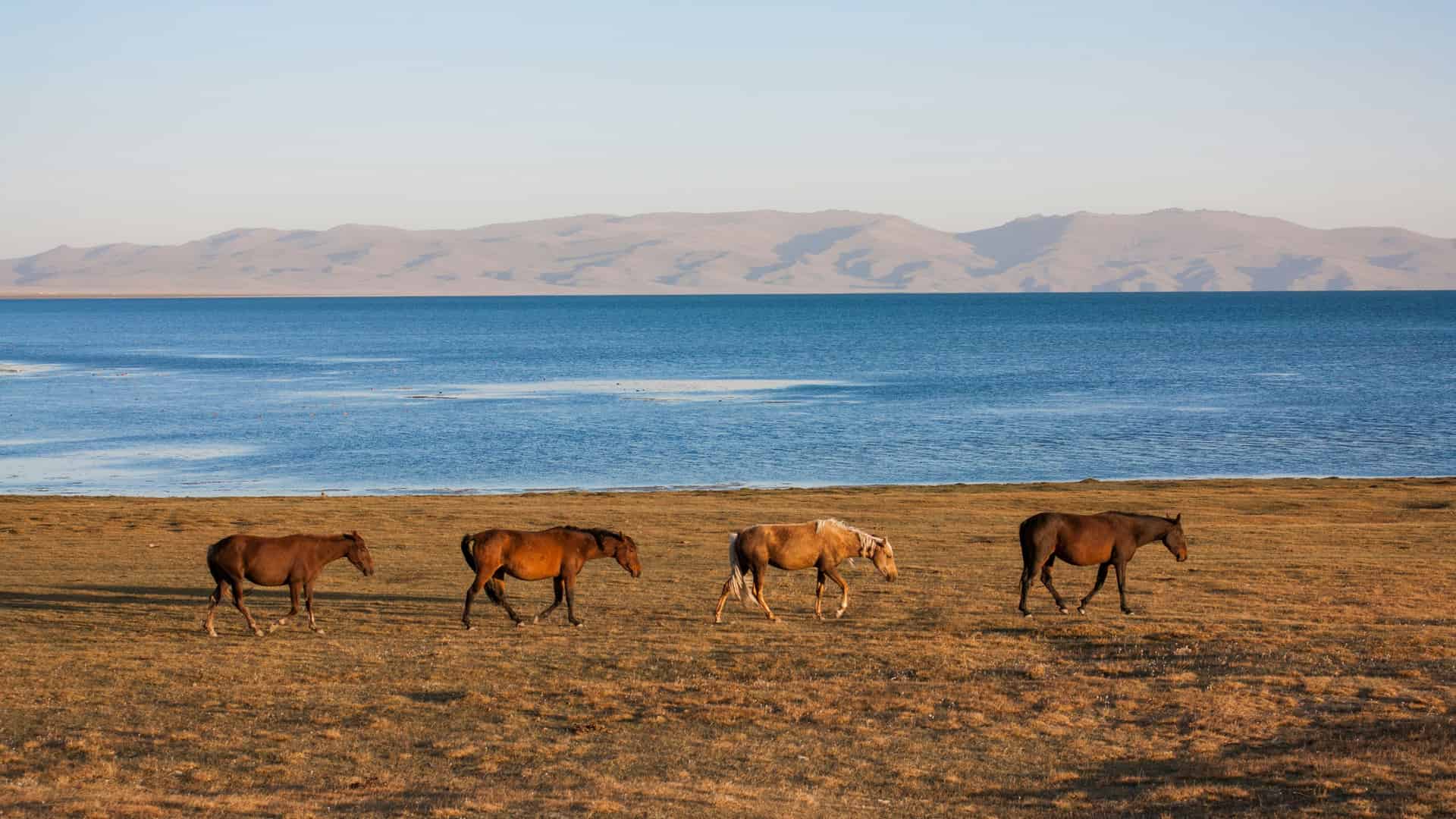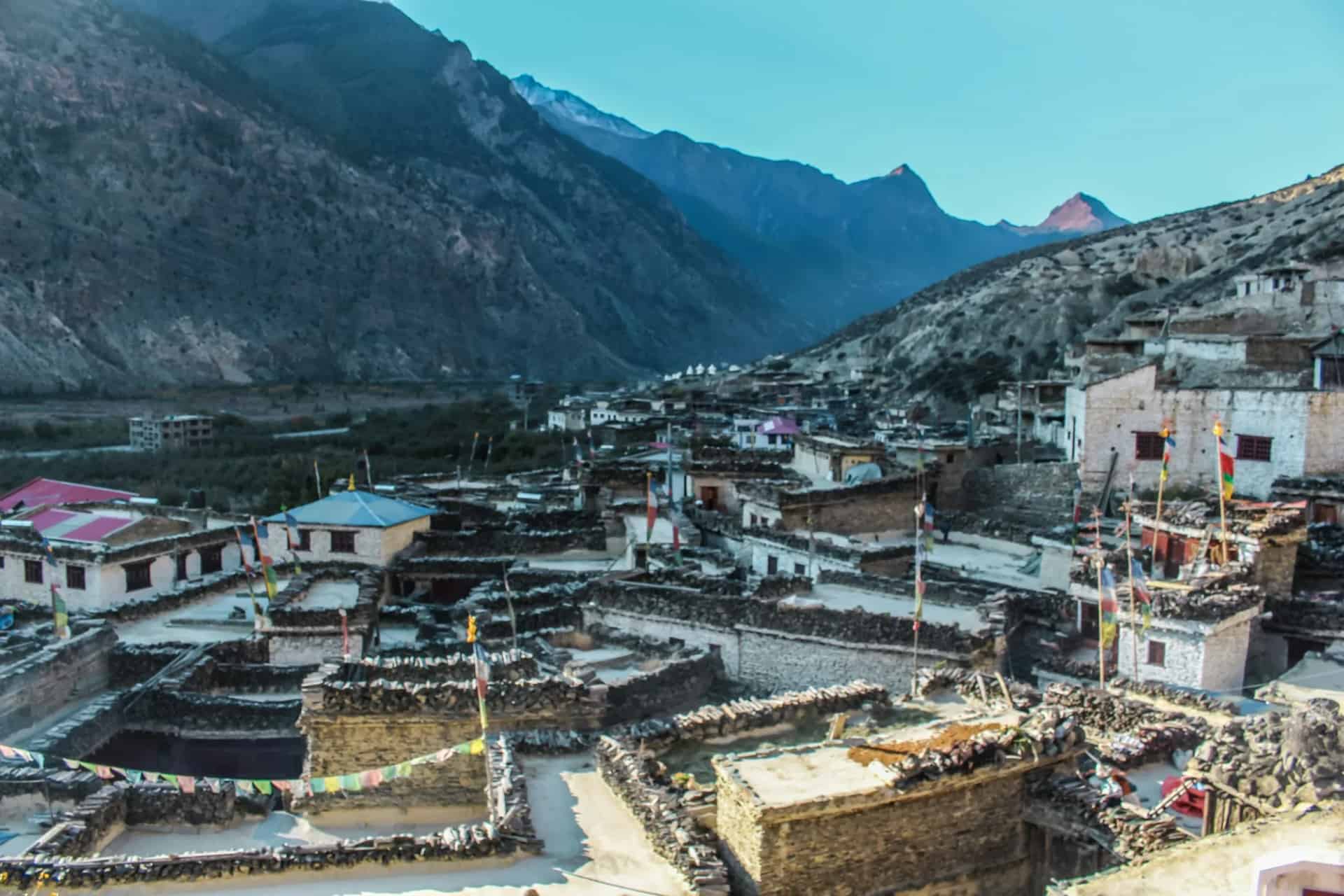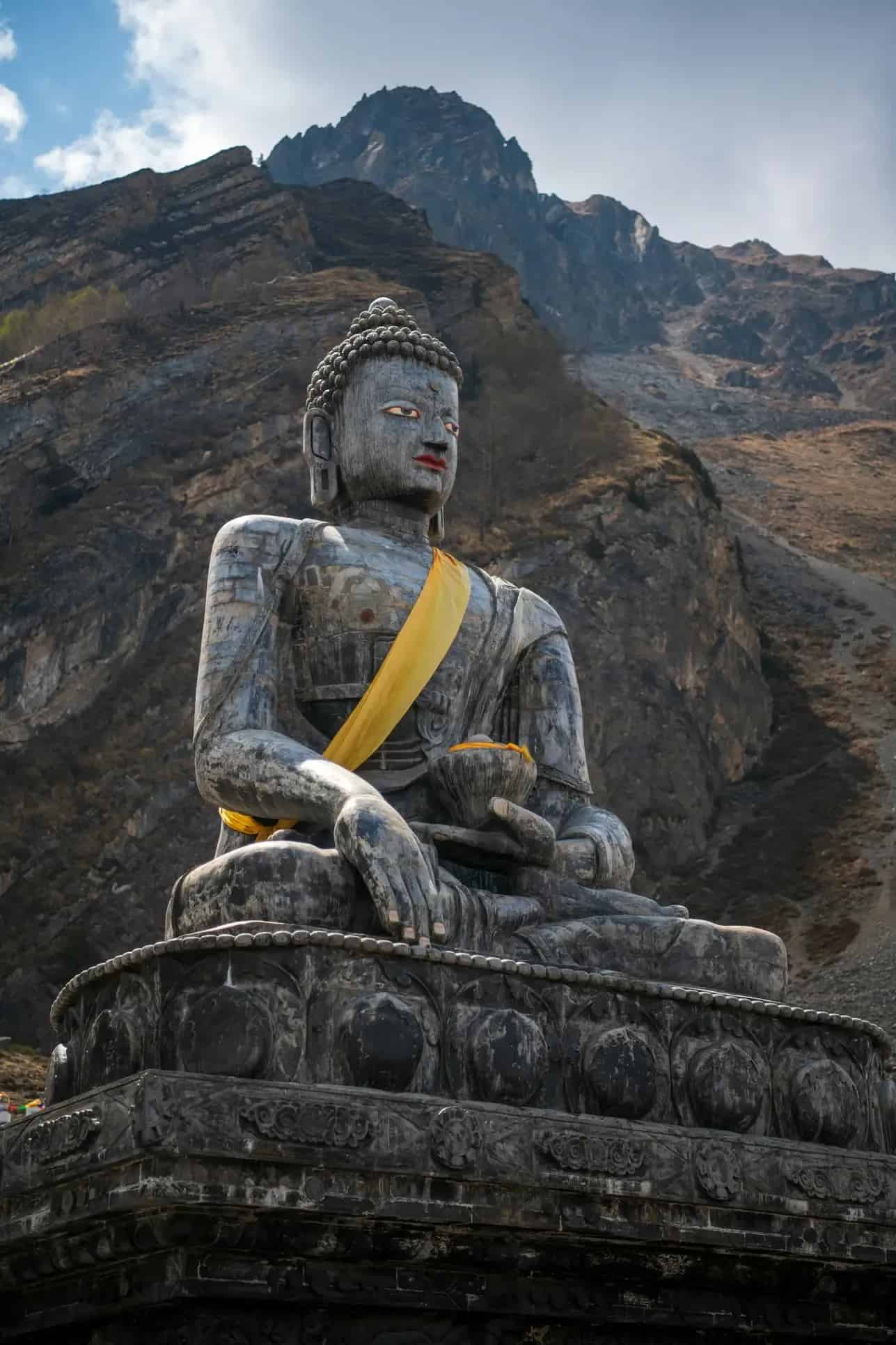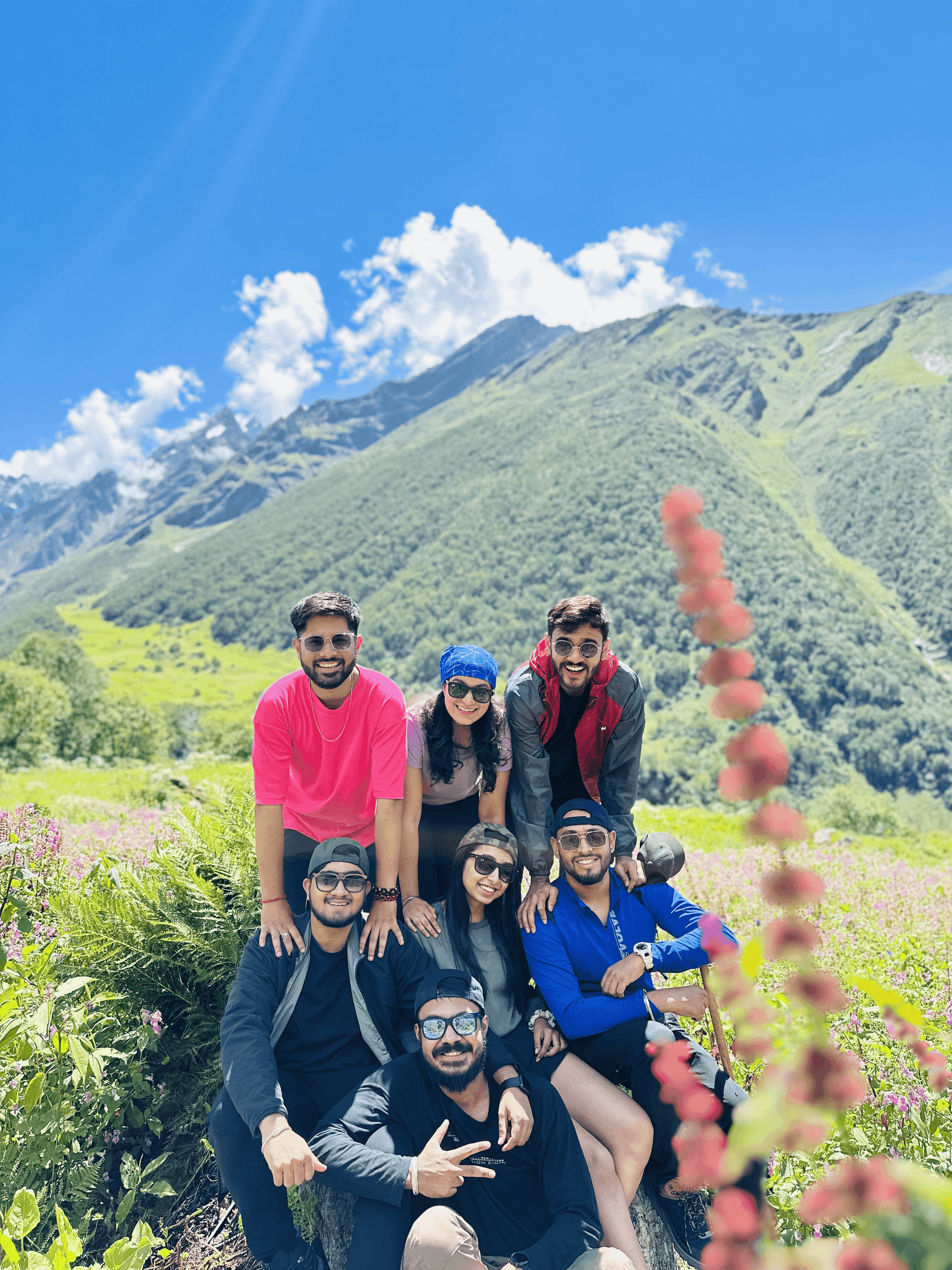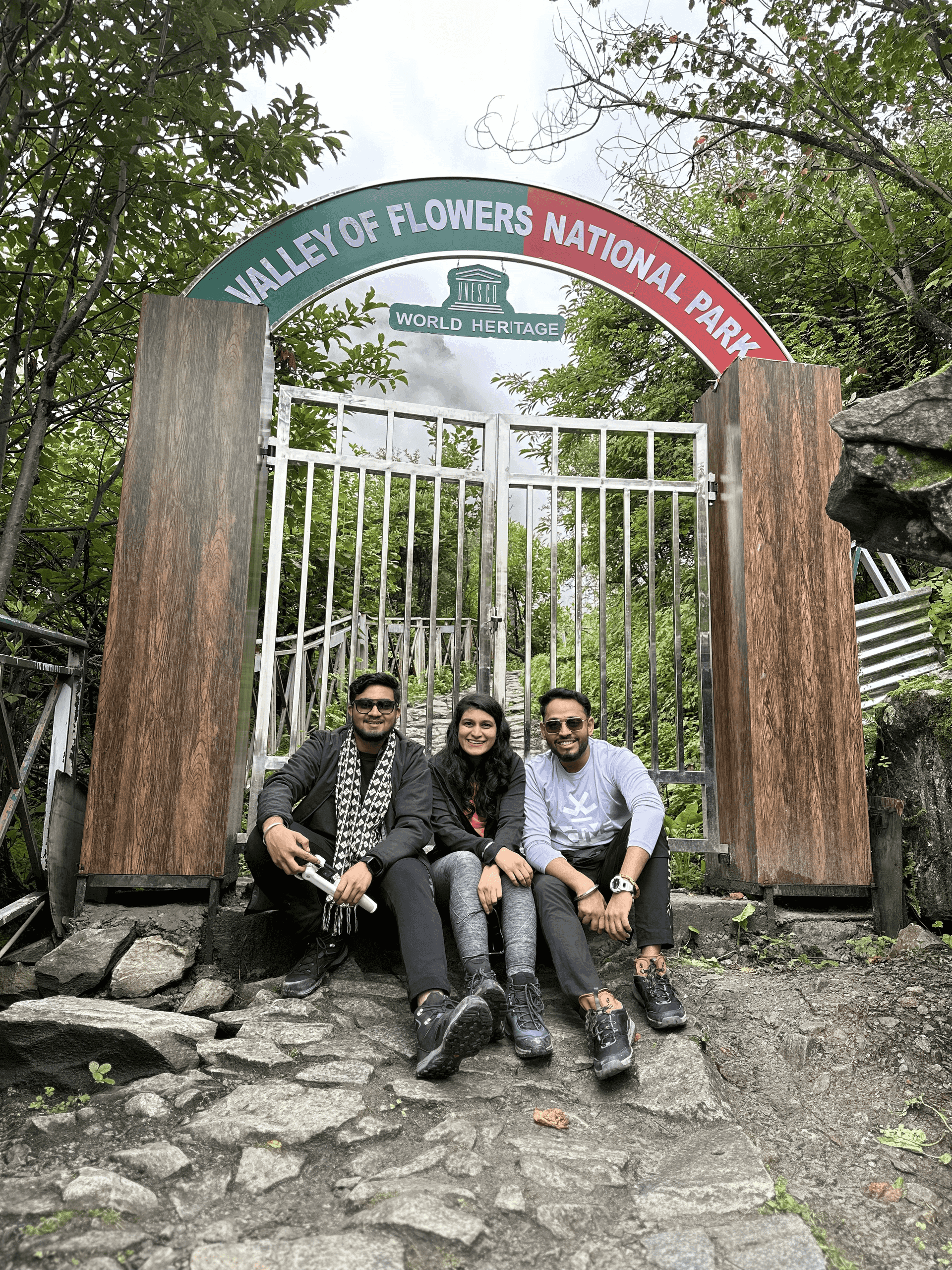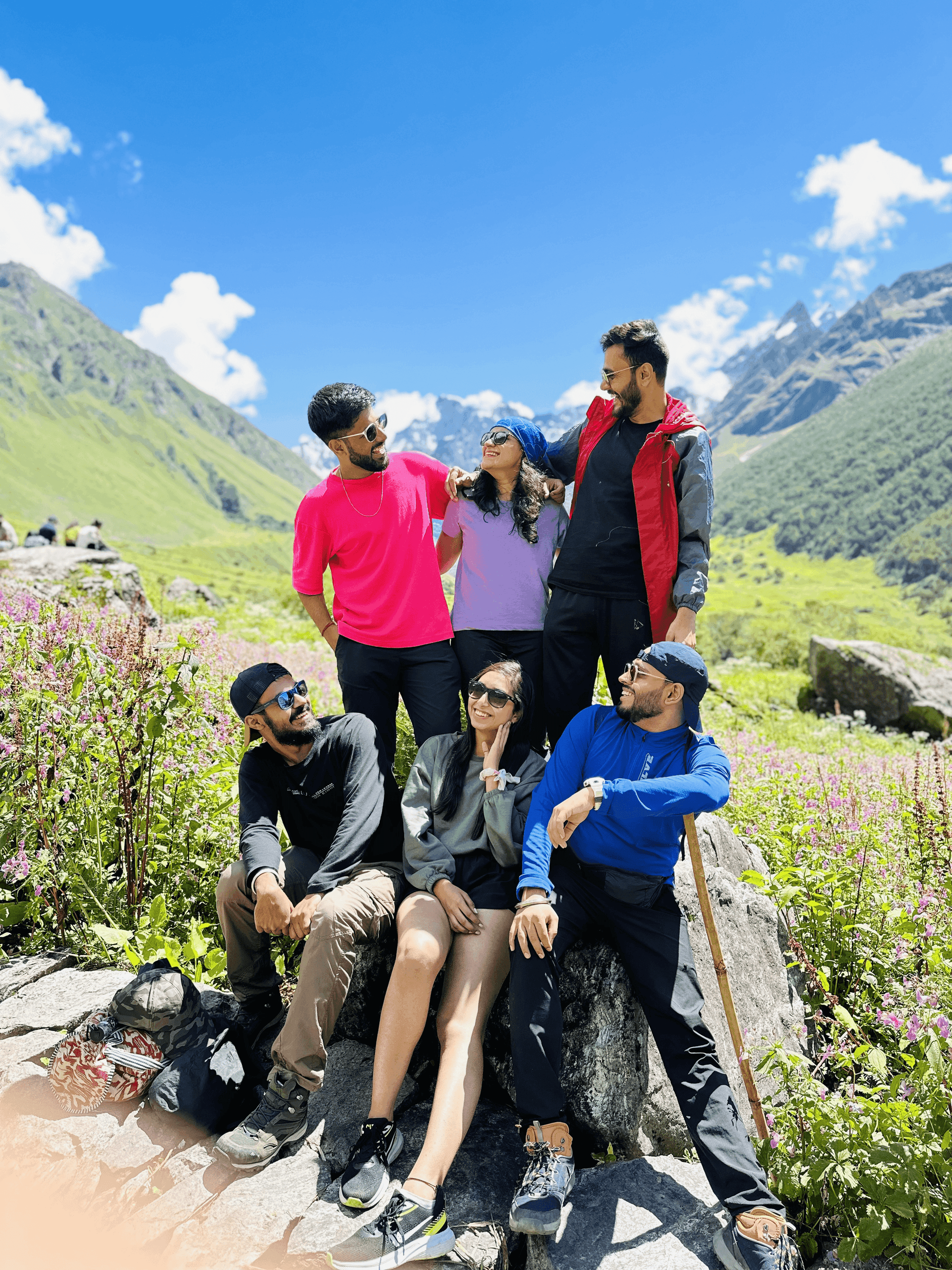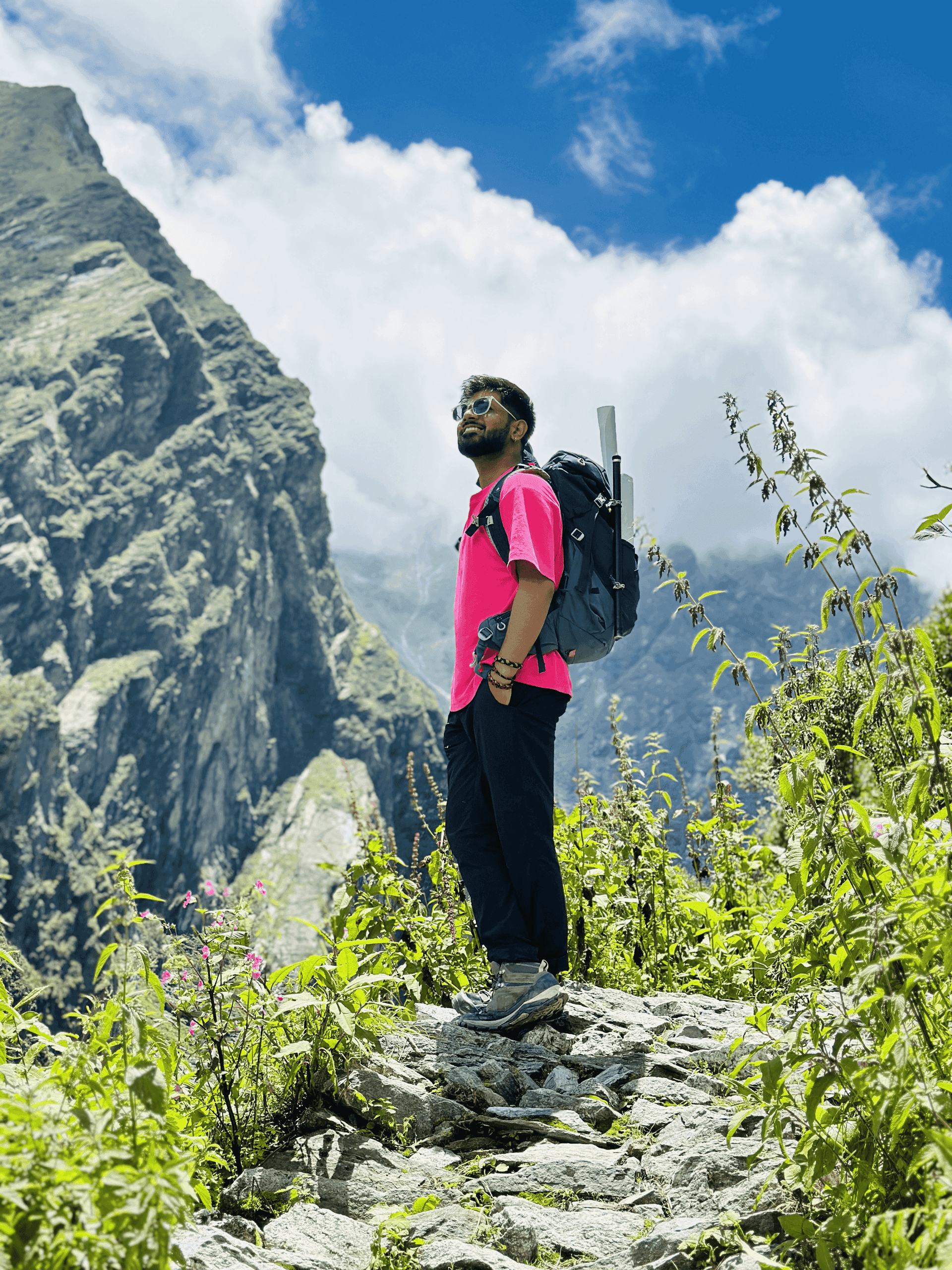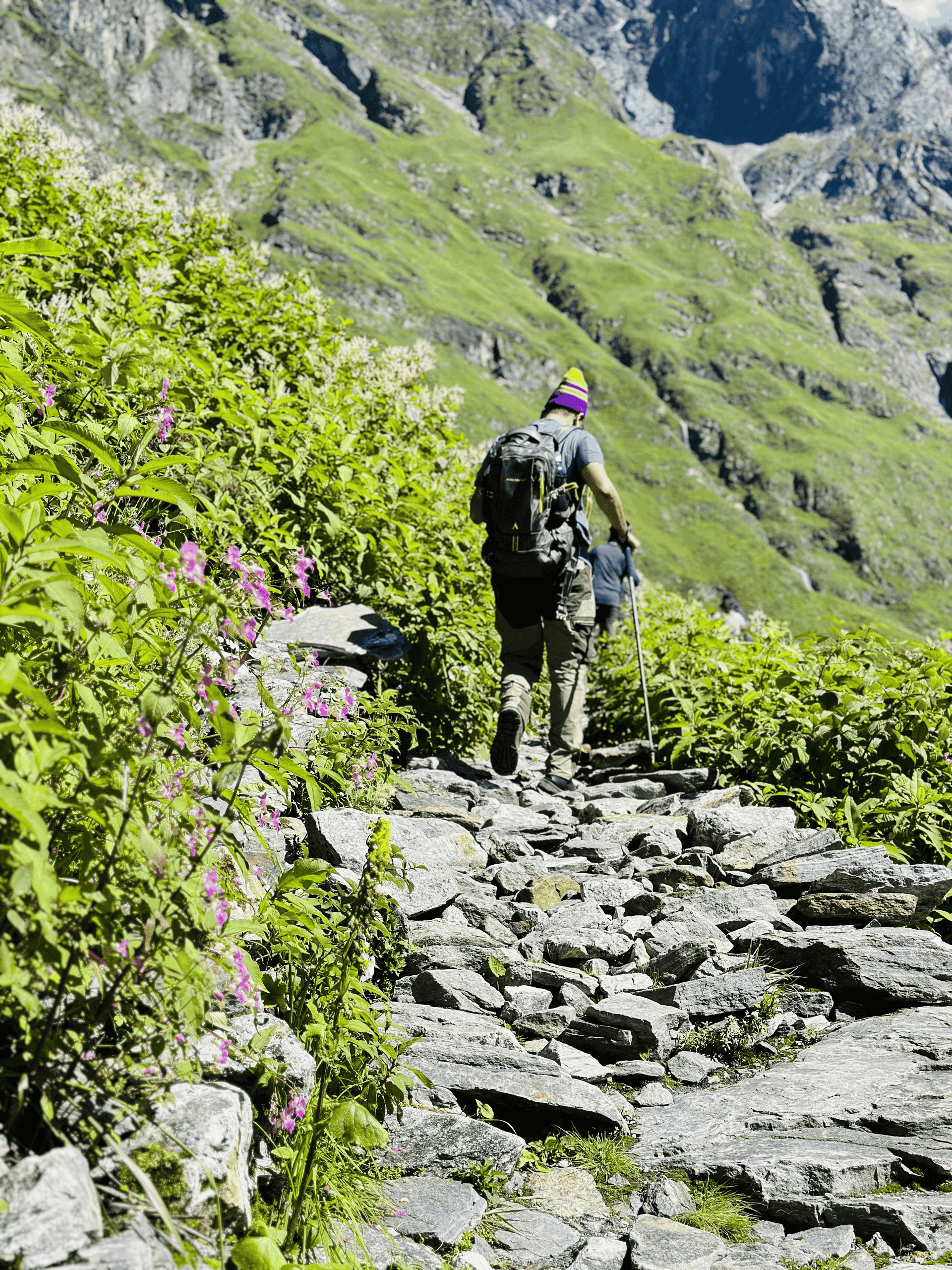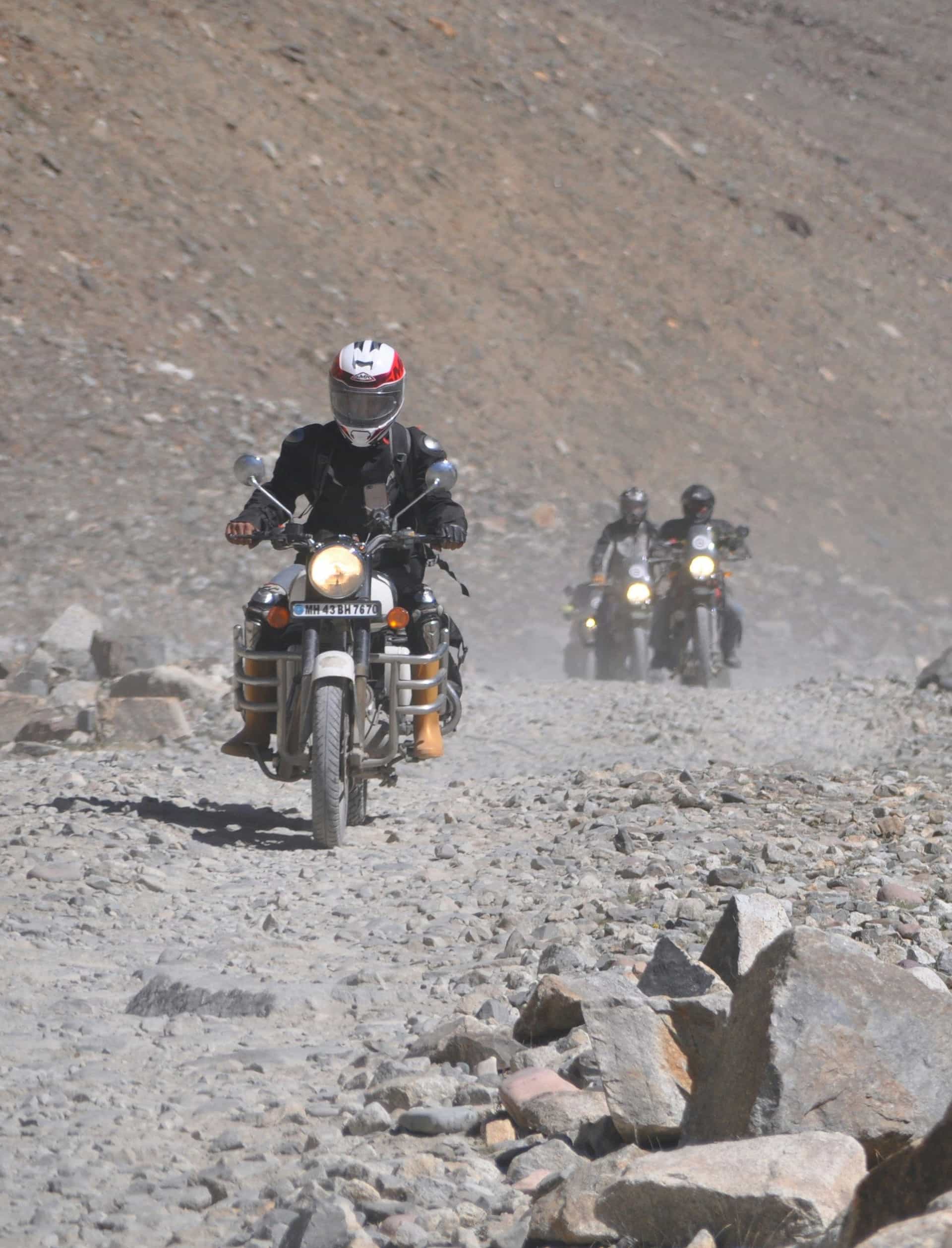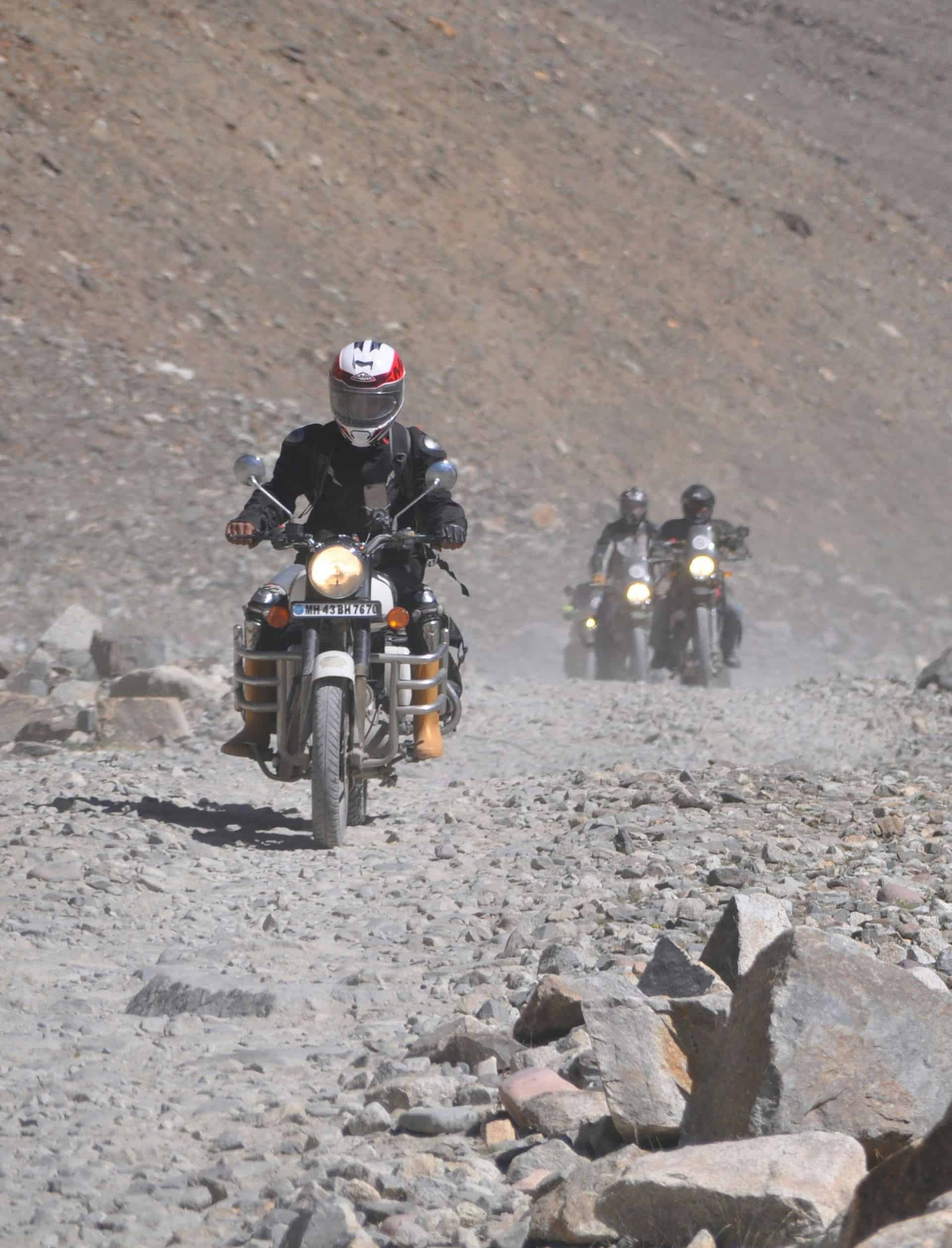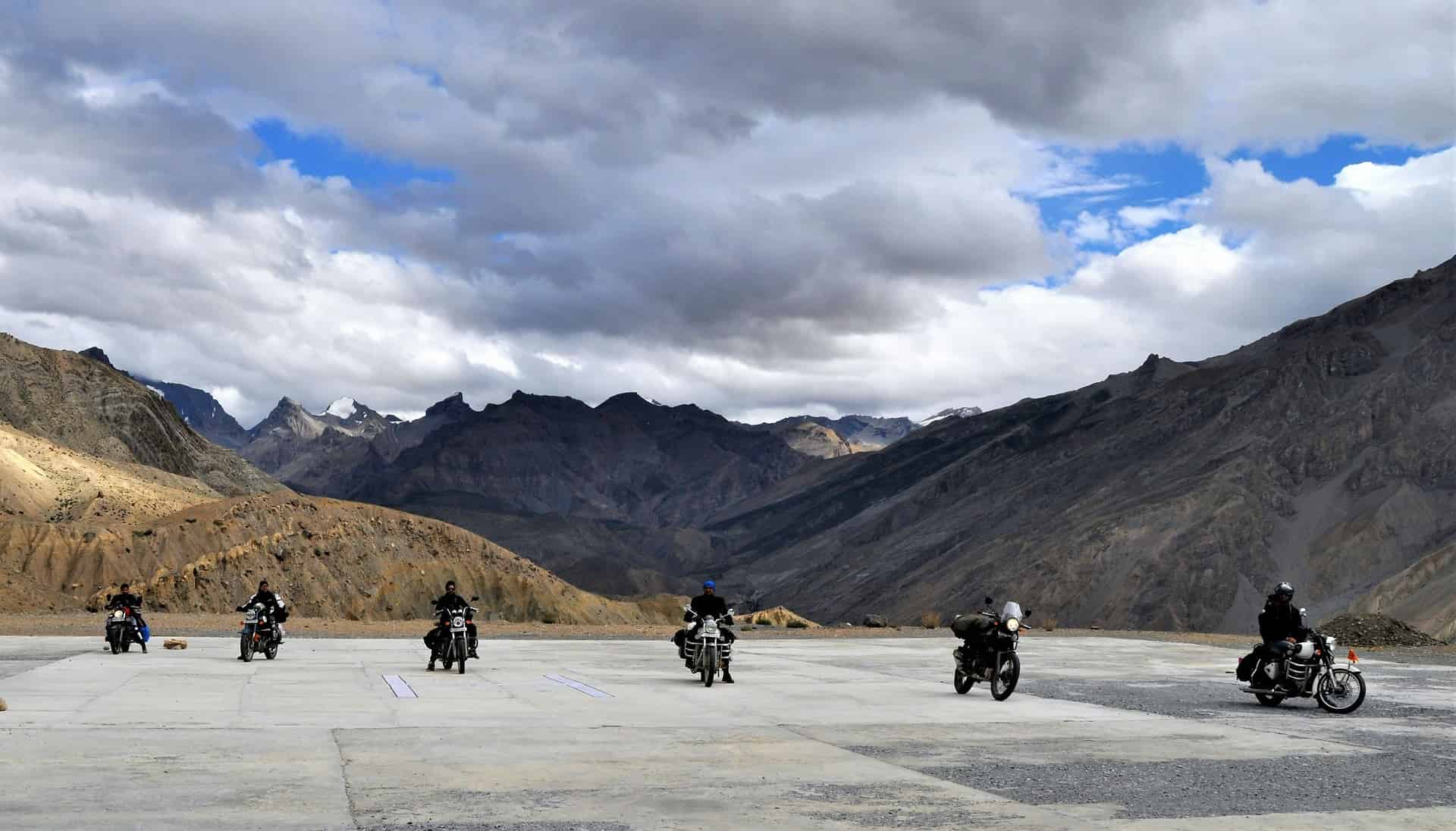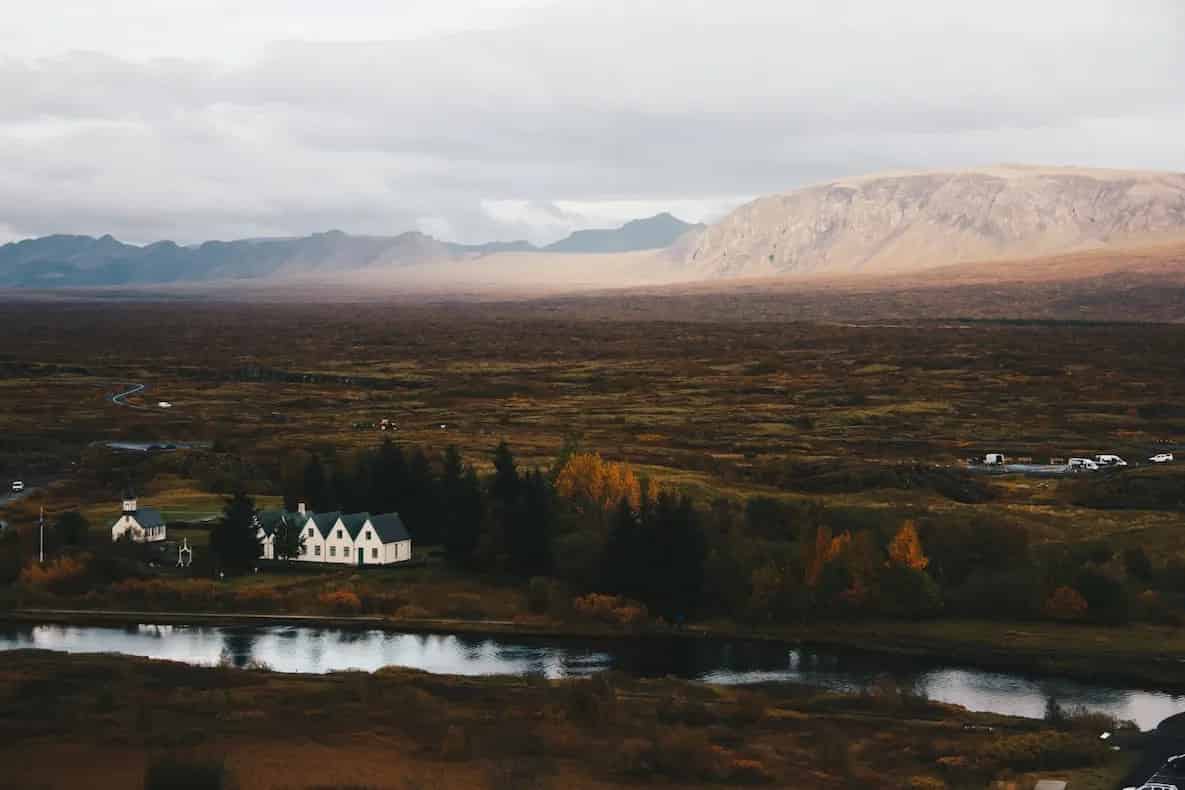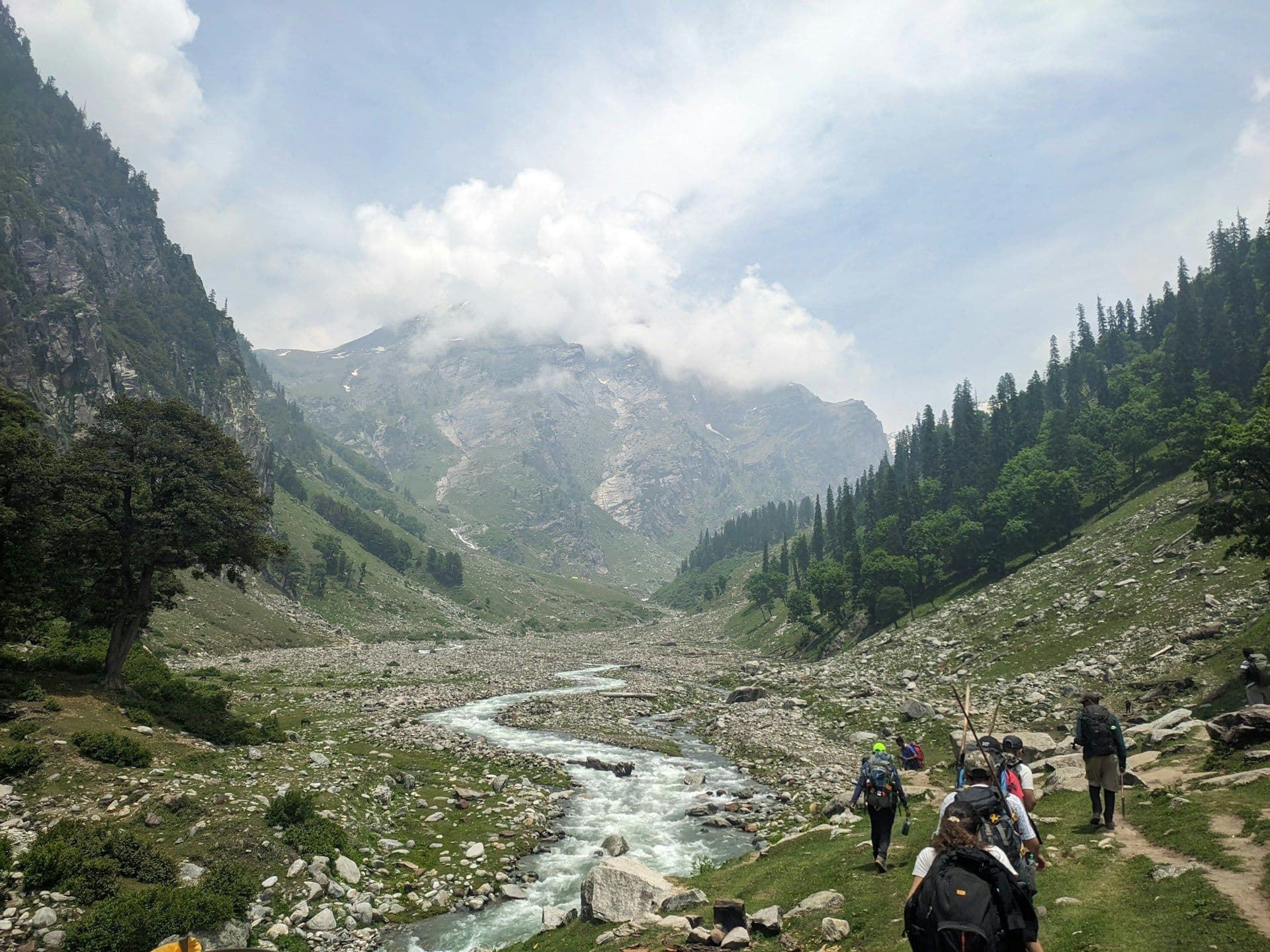
The Pin Parvati Pass Trek is a high-altitude crossover trek in Himachal Pradesh that connects the lush Parvati Valley with the dry, cold-desert landscape of Pin Valley in Spiti. The route moves through forests, alpine meadows, rocky terrain and high-altitude camps before crossing the Pin Parvati Pass at around 5,300 to 5,400 meters.
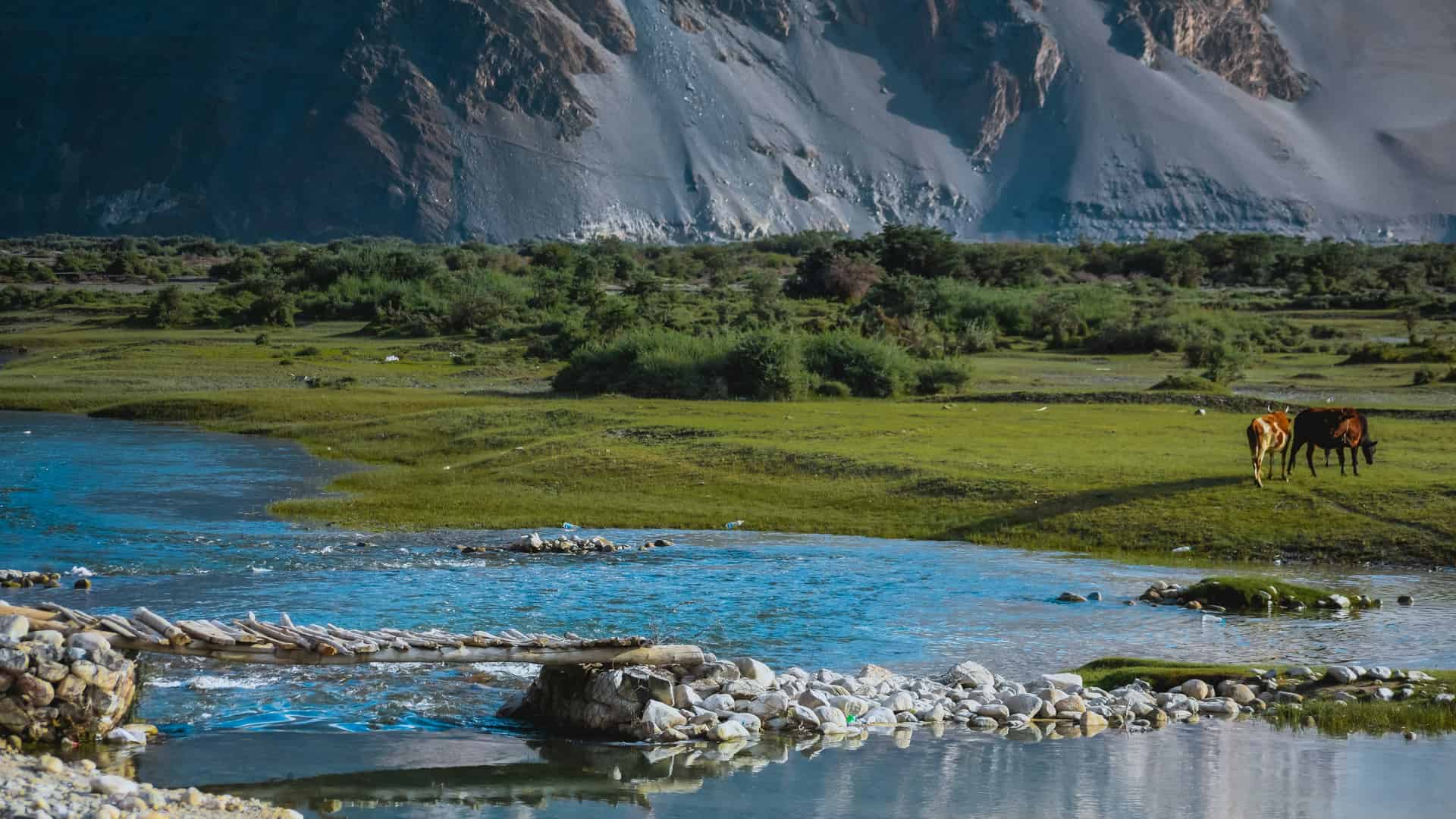
What makes this trek different is the dramatic change in landscape along the way. The journey begins in the greener Parvati Valley, reaches the stark alpine setting around Mantalai Lake, crosses the high pass, and eventually descends into the barren mountain landscape of Pin Valley.
The trek usually takes around 9 to 12 days, depending on the route, camping schedule, weather and conditions at the pass. Because this is a remote crossover trek, the exact itinerary can change during the season.
Pin Parvati Pass Trek at a Glance
Category | Details |
| Location | Himachal Pradesh |
| Route | Parvati Valley to Pin Valley |
| Starting Side | Barshaini/Kalga |
| Ending Side | Mud Village, Pin Valley |
| Highest Point | Approximately 5,300–5,400 m |
| Typical Duration | 9–12 days |
| Difficulty | Difficult to very difficult |
| Trek Type | High-altitude crossover |
| Approx. Distance | Varies by route and itinerary |
| Main Highlights | Tunda Bhuj, Pandu Pul, Odi Thach, Mantalai Lake, Pin Parvati Pass, Pin Valley |
| Best Season | Generally June to September |
| Accommodation | Camping and basic stays |
| Experience | Previous high-altitude trekking experience recommended |
What Makes the Pin Parvati Pass Trek Special?
The Pin Parvati Pass Trek stands out because it crosses between two dramatically different Himalayan landscapes.
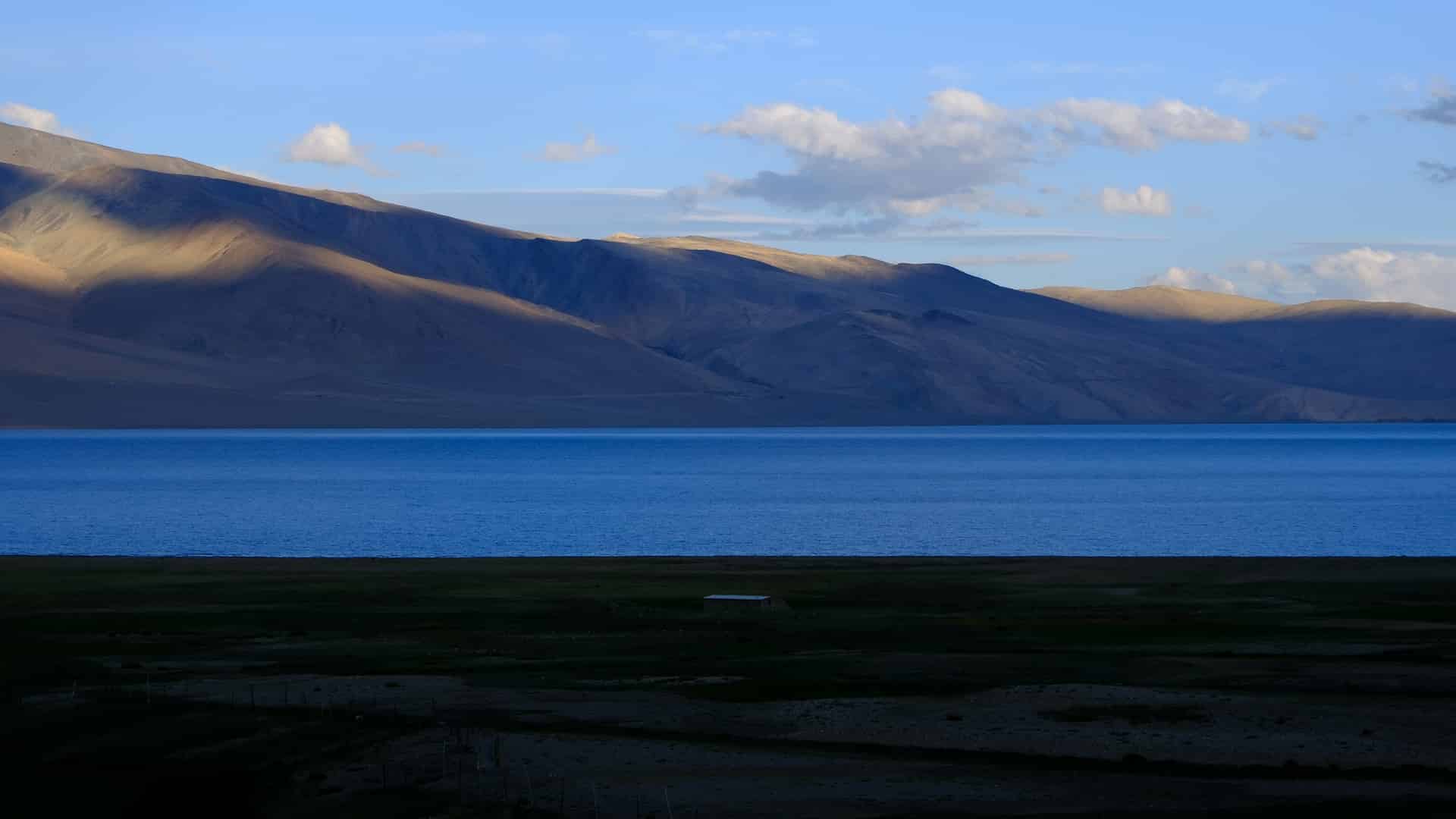
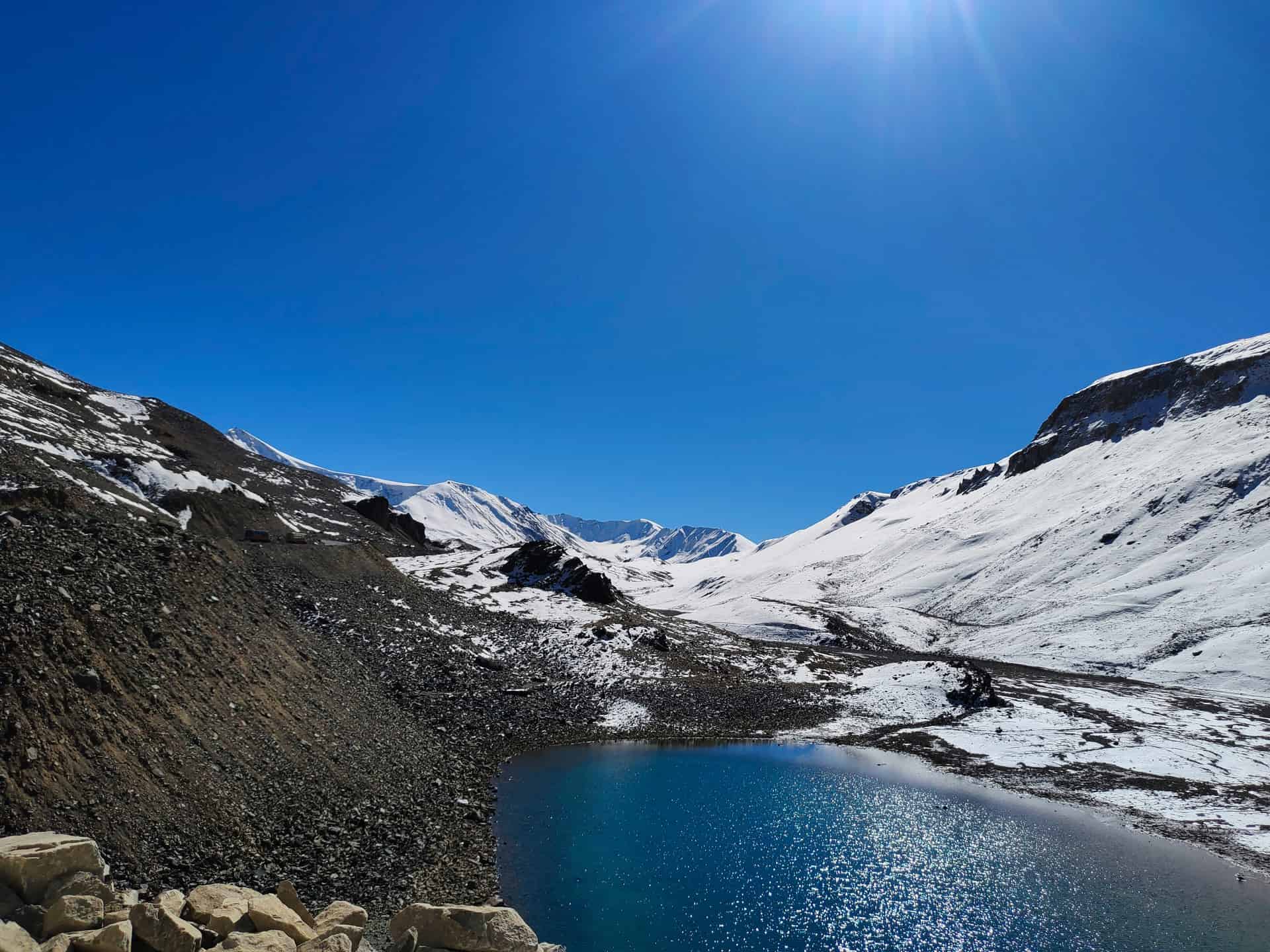
The trek begins in the greener Parvati Valley, where forests, meadows and the Parvati River dominate the scenery. As you climb higher, the landscape becomes more rugged and alpine, eventually reaching Mantalai Lake, a high-altitude lake surrounded by barren slopes and snow-covered peaks.
Beyond Mantalai, the trail approaches Pin Parvati Pass, where snow, moraine and glacial terrain can become part of the route depending on conditions.
The biggest transformation comes after the pass. The lush, enclosed landscape of Parvati Valley gives way to the dry, open and rugged mountains of Pin Valley in Spiti, creating a striking contrast within the same trek.
That valley-to-valley transition, combined with Mantalai Lake and the high-altitude pass crossing, is what makes Pin Parvati different from a conventional Himalayan trek.
Pin Parvati Pass Trek Route
The broad route follows:
Barshaini/Kalga → Kheerganga → Tunda Bhuj → Thakur Kuan → Pandu Pul → Odi Thach → Mantalai Lake → Higher Camp → Pin Parvati Pass → Pin Valley → Tiya → Mud → Kaza
The exact camping points and daily distances can vary between itineraries, but the overall journey follows the same Parvati Valley to Pin Valley crossover.
The route can broadly be understood in three stages:
Parvati Valley:
The greener approach through forests, meadows and the upper Parvati Valley.
Mantalai to Pin Parvati Pass:
The high-altitude section where the terrain becomes increasingly rocky, snowy and glacial depending on conditions.
Pin Valley:
The descent into the dry, rugged landscape of Spiti, eventually reaching Mud Village and continuing by road toward Kaza.
The detailed itinerary later in this guide breaks down the daily route, trekking hours, distance and altitude so you can understand the actual physical demands of the journey.
Best Time to Do the Pin Parvati Pass Trek
The main trekking window for the Pin Parvati Pass Trek is generally June to September, but conditions vary across the route. The Parvati Valley side is affected by monsoon weather, while snow can remain around the higher sections and pass.
Month | Typical Conditions |
| June | Snow can remain around the higher sections and pass approach |
| July | Greener Parvati Valley, but monsoon can affect the trail |
| August | Lush valley conditions with continued rainfall |
| September | Often a favorable period for the crossover, subject to trail conditions |
| October–May | Winter conditions make the standard route considerably harder |
September is often one of the more favorable periods for Pin Parvati, provided the pass and trail conditions are suitable. The actual trekking window can change from year to year, so snow, rainfall, river levels and trail conditions should be considered before finalizing the trek.
Is the Pin Parvati Pass Trek Right for You?
Pin Parvati is best suited to trekkers with previous multi-day high-altitude trekking experience.
It is a good choice if you want:
- A genuine Himalayan crossover trek
- Mantalai Lake and the upper Parvati Valley
- A high-altitude pass crossing
- Snow, moraine and alpine terrain
- Remote mountain camping
- The transition from Parvati Valley into Spiti
Consider another trek if you are looking for a short Himalayan experience, have no previous high-altitude trekking experience, or prefer comfortable accommodation and shorter walking days.
The important consideration is not fitness alone. You should also be comfortable with altitude, basic facilities, changing weather and difficult mountain terrain.
Pin Parvati Pass Trek Itinerary
Pin Parvati is usually planned as a 9–12 day crossover, with the exact number of days varying by route and operator. The following gives a practical overview without treating every camping point as fixed.
Day | Route | Approx. Trek Time | Key Point |
| Day 1 | Manali → Barshaini/Kalga | Short approach | Trek preparation |
| Day 2 | Kalga → Kheerganga | 5–7 hrs | Forest and valley trail |
| Day 3 | Kheerganga → Tunda Bhuj | 6–8 hrs | Alpine meadows |
| Day 4 | Tunda Bhuj → Thakur Kuan | 6–7 hrs | Upper Parvati Valley |
| Day 5 | Thakur Kuan → Pandu Pul → Odi Thach | 5–7 hrs | Rocky terrain |
| Day 6 | Odi Thach → Mantalai Lake | 6–8 hrs | High-altitude terrain |
| Day 7 | Mantalai → Higher Camp | 6–8 hrs | Major altitude gain |
| Day 8 | Higher Camp → Pin Parvati Pass → Pin-side Camp | 9–12 hrs | Main pass crossing |
| Day 9 | Pin-side Camp → Tiya | 5–7 hrs | Descent into Pin Valley |
| Day 10 | Tiya → Mud Village | 5–7 hrs | End of trekking section |
| Day 11 | Mud → Kaza | Road journey | Enter Spiti |
| Day 12 | Buffer/return journey | Depends on plan | Weather flexibility |
The exact distances, camps and daily hours can change with weather, snow conditions, route choice and group pace, so they should be confirmed with the trek operator before departure.
Pin Parvati Pass Trek Altitude & Acclimatization
Altitude becomes increasingly important as the route moves from the lower Parvati Valley toward Mantalai and the pass.
Location | Approx. Altitude |
| Manali | ~2,050 m |
| Kheerganga | ~2,950 m |
| Mantalai Lake | ~4,100 m |
| Higher Camp | ~4,500–5,000 m, depending on route |
| Pin Parvati Pass | ~5,300–5,400 m |
The important factor is not only the final altitude. The route gains elevation over several consecutive trekking days, with Mantalai Lake acting as an important high-altitude stage before the higher camps and pass crossing.
Some itineraries include an additional acclimatization or buffer day before the pass. The schedule should remain flexible enough to adjust the pace or itinerary if conditions or a trekker's response to altitude require it.
If you experience persistent headache, nausea, dizziness, unusual weakness, confusion or difficulty breathing, inform your trek leader immediately rather than continuing upward simply to stay on schedule.
Technical Sections & River Crossings
The upper sections of the Pin Parvati route become more rugged, with moraine, snow, ice, steep terrain and river crossings depending on the season and current conditions.
Pandu Pul is one of the notable crossings on the upper Parvati route, while the approach around Mantalai can include wet and marshy terrain.
Closer to Pin Parvati Pass, snow and glacial conditions may require technical equipment such as crampons, an ice axe or rope systems, depending on the route conditions. River crossings can also become more challenging with increased snowmelt or rainfall.
The exact equipment and crossing arrangements should be confirmed with the trek operator before departure.
How to Reach the Pin Parvati Pass Trek
The usual approach to the trek is through Manali → Barshaini/Kalga, from where the trekking route enters Parvati Valley.
Delhi or Chandigarh to Manali
Manali is the main base for arranging the journey to the trek's starting point.
You can reach Manali by:
- Volvo or other buses
- Private vehicle
- Flight to Bhuntar followed by road travel
From Manali, continue toward Barshaini, generally by local transport, shared vehicle, private cab or an operator-arranged transfer.
If you are starting from Bhuntar or Kasol, you can also travel onward through Manikaran and Parvati Valley toward Barshaini.
For broader travel planning around the starting point, see our Manali Travel Guide.
How Do You Get Back After the Trek?
Pin Parvati is a crossover trek, so you do not return to Barshaini after completing the pass.
The trekking route generally ends at Mud Village in Pin Valley, after which you continue by road toward Kaza.
From Mud, transport can include local buses, shared vehicles, private jeeps or a pre-arranged transfer. If you have a fixed onward journey, arranging transport in advance is preferable because options from a remote village can be limited.
Once in Kaza, you can either continue exploring Spiti or arrange your onward journey toward Manali or the Shimla side.
Our Spiti Valley Travel Guide can help with planning the journey after the trek.
Pin Parvati Pass Trek Cost
The cost depends on the trek duration, group size, inclusions, technical support and transport arrangements.
For 2026 planning, an organized Pin Parvati trek can broadly fall in the range of ₹28,000–₹50,000+ per person.
Expense | Usually Depends On |
| Trek package | Operator and itinerary |
| Manali to Barshaini | Shared or private transport |
| Mud to Kaza | Local or pre-arranged transport |
| Technical equipment | Route and current conditions |
| Backpack offloading | Usually an additional service |
| Travel to Manali | Depends on starting city |
| Insurance | Policy and coverage |
| Personal expenses | Individual spending |
Before booking, check whether the package includes meals, camping equipment, trek staff, transport, permits, technical equipment, backpack offloading and emergency support.
For Pin Parvati, comparing the complete inclusions is more useful than choosing the cheapest package.
Permits and Local Rules for Pin Parvati Pass Trek
The permissions required for the Pin Parvati Pass Trek can depend on the route, season, nationality and current local regulations.
For organized treks, the operator generally handles the permissions required for the planned route. Independent trekkers should confirm the current requirements with the relevant local authorities before starting.
Foreign travelers should also check whether additional permissions or restrictions apply to their planned route through Spiti and Pin Valley.
Carry a valid government-issued photo ID and keep important travel documents accessible during the trek.
Emergency and Evacuation on Pin Parvati
Pin Parvati is a remote trek, and sections around Mantalai and the pass are far from road access. An injury or serious altitude problem may therefore require a ground evacuation before road transport is possible.
Helicopter rescue should not be treated as an automatic option, as weather, terrain, landing conditions and availability can affect whether an aerial evacuation is possible.
Before booking, ask the trek operator about its emergency evacuation procedure, communication system, insurance requirements and responsibility for evacuation costs.
For a remote trek like Pin Parvati, understanding the emergency plan is an important part of responsible trip planning.
Pin Parvati Pass vs Hampta Pass
Both are crossover treks in the Manali region, but they offer very different levels of trekking experience.
Factor | Pin Parvati Pass | Hampta Pass |
| Difficulty | Difficult to very difficult | Moderate to difficult |
| Duration | Longer | Shorter |
| Highest Point | ~5,300–5,400 m | ~4,200 m |
| Route Type | High-altitude crossover | Crossover |
| Terrain | Remote, rocky, snow and glacial sections | Forests, meadows and pass terrain |
| Experience | Previous high-altitude experience recommended | More accessible |
| Main Highlight | Mantalai Lake, Pin Parvati Pass and Pin Valley | Hampta Pass and Chandratal |
Choose Pin Parvati Pass if you want a longer and more remote Himalayan crossover with significantly greater altitude and terrain challenges.
Choose Hampta Pass if you prefer a shorter crossover with lower altitude and a more accessible route.
Plan Your Pin Parvati Pass Trek
Before booking, compare the itinerary, acclimatization schedule, technical support, transport arrangements, emergency plan and package inclusions, rather than looking only at the trek price.
If you are comparing trekking options across Himachal Pradesh, explore our Best Treks in Himachal Pradesh guide.
For travelers who prefer organized mountain travel, you can also explore our Himachal Pradesh tour packages and choose an itinerary that fits your travel plans.