Where does the sacred River Ganga truly begin its journey through the Himalayas?
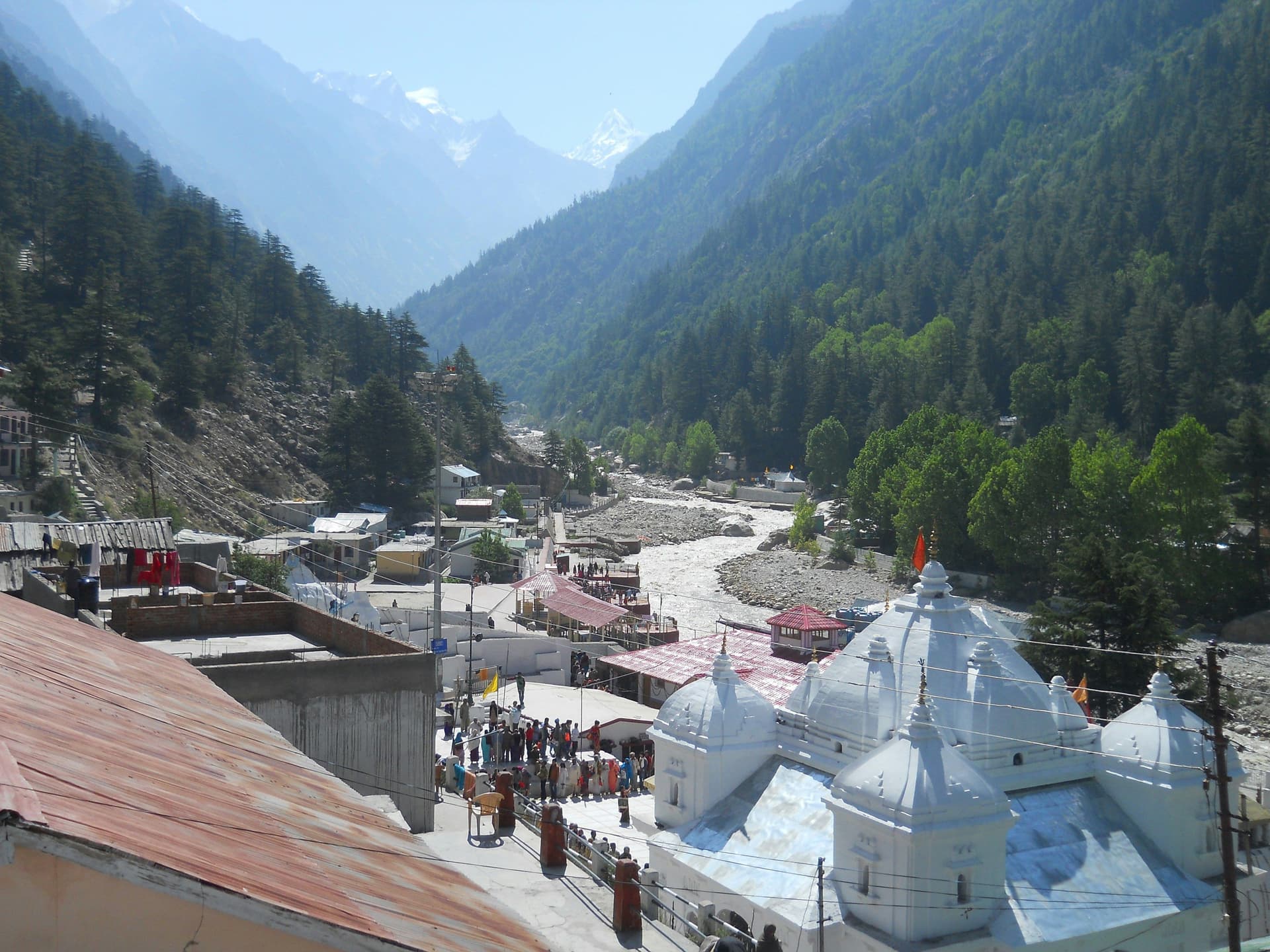
High in the rugged Garhwal mountains of Uttarakhand stands Gangotri Temple, one of the most revered pilgrimage destinations in India. Located at an altitude of about 3,100 meters, the temple sits beside the powerful Bhagirathi River, believed to be the earliest earthly form of the River Ganga.
Gangotri is one of the four sacred temples of the Char Dham Yatra, along with Yamunotri Temple, Kedarnath Temple and Badrinath Temple.
For many pilgrims, reaching Gangotri is more than simply visiting a temple. It is a journey through glacier-fed rivers, towering Himalayan peaks and ancient pilgrimage routes that have guided devotees for centuries. This guide explains everything you need to know to plan a Gangotri visit in 2026, including temple opening dates, darshan timings, travel routes, nearby places to explore and practical travel tips.
Gangotri Temple Opening Dates & Darshan Timings (2026)
Because of heavy snowfall during winter, Gangotri Temple remains open only during the annual pilgrimage season. For the 2026 Char Dham Yatra, the temple schedule follows the traditional Hindu calendar.
Opening Date: April 19, 2026 (Akshaya Tritiya)
Closing Date: November 10, 2026 (Tentative, typically around Bhai Dooj)
Typical Darshan Timings
Time | Activity |
| Morning | 6:15 AM – 2:00 PM Darshan |
| Afternoon | Temple closed for rituals |
| Evening | 3:00 PM – 9:00 PM Darshan |
The evening Ganga Aarti is usually performed between 6:30 PM and 7:30 PM at the temple ghats along the Bhagirathi River, creating a deeply spiritual atmosphere for pilgrims visiting the temple.
Important 2026 Updates for Pilgrims
Mandatory Char Dham Registration
All pilgrims visiting Gangotri must complete Char Dham Yatra registration before starting their journey. Registration for the 2026 pilgrimage season opened on March 6, 2026.
After registering, travelers receive a QR-based Yatra Pass that is scanned at checkpoints along the pilgrimage route, particularly near Rishikesh and Uttarkashi.
Pilgrims can register through the official Tourist Care Uttarakhand portal or mobile app before beginning their journey.
Mobile Phone and Camera Restrictions
To maintain the sanctity of the temple and manage large pilgrimage crowds, mobile phones and cameras may be restricted near the sanctum area during busy periods.
Secure cloakrooms are available near the temple entrance, where visitors can deposit their devices before entering for darshan. Photography is generally permitted outside the temple complex and in surrounding mountain areas.
Why Gangotri Temple is Spiritually Important
Gangotri Temple is dedicated to Goddess Ganga, the sacred river believed to purify sins and grant spiritual liberation.
According to Hindu mythology, King Bhagirath performed intense penance to bring the heavenly river Ganga down to Earth to purify the souls of his ancestors. When the powerful river descended from the heavens, Shiva caught the river in his matted locks to soften its force before releasing it to flow across the land.
The river flowing beside the temple is therefore called the Bhagirathi River, believed to represent the earliest earthly form of the Ganges.
Gangotri has been an important pilgrimage destination for centuries and remains one of the holiest sites in the Indian Himalayas.
How to Reach Gangotri
Gangotri is accessible by road all the way to the temple town, making it one of the most reachable temples in the Char Dham circuit.
By Air
The nearest airport is Jolly Grant Airport, located about 240 km from Gangotri.
By Train
Major railway stations include:
- Haridwar
- Rishikesh
- Dehradun
By Road
The most common road route is:
Rishikesh → Uttarkashi → Harsil → Gangotri
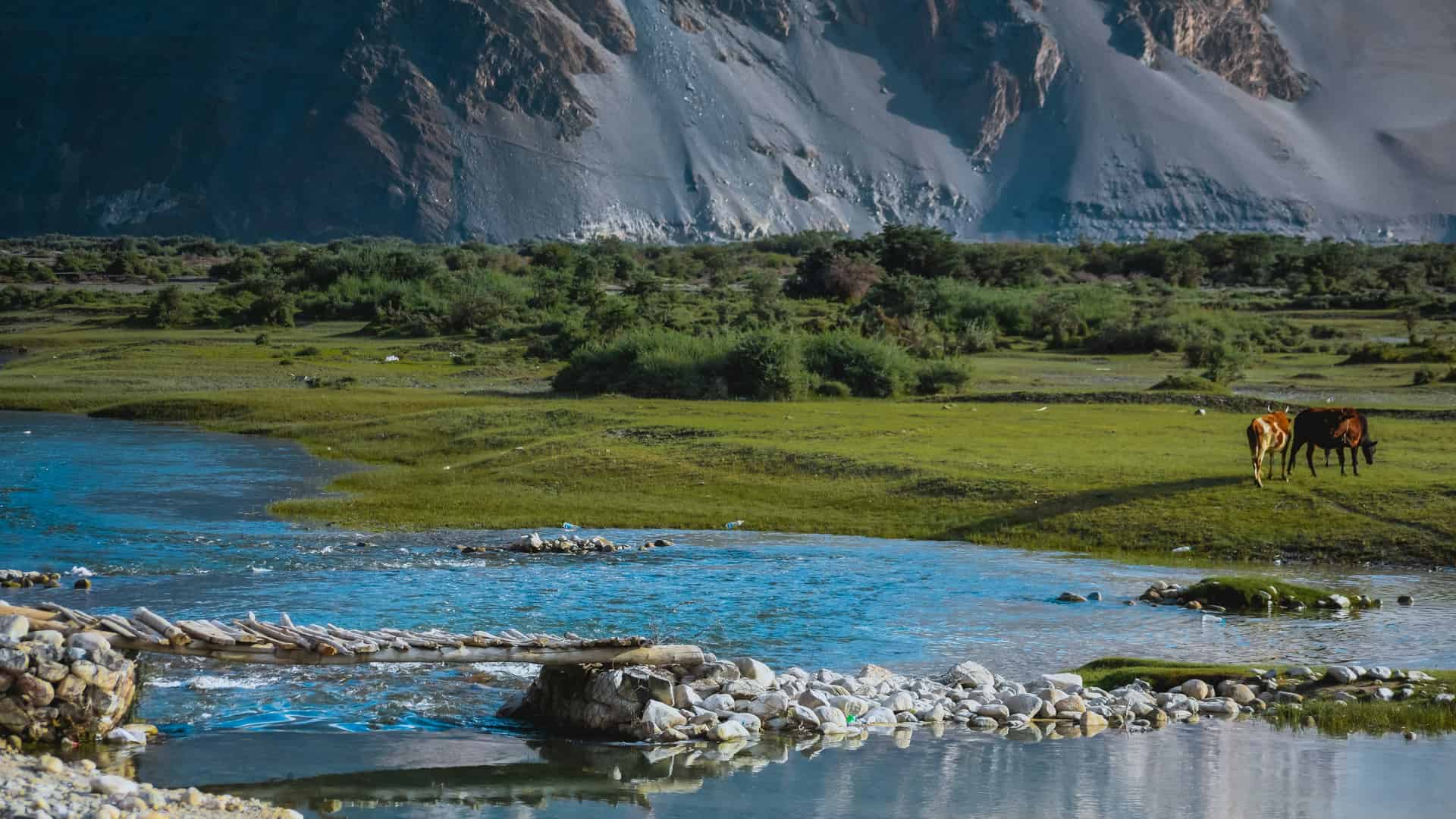
The journey usually takes 10–12 hours, depending on road and weather conditions. The final stretch from Harsil to Gangotri runs alongside the turquoise Bhagirathi River and passes pine forests, waterfalls and dramatic Himalayan cliffs.
Distance to Gangotri from Major Cities
City | Distance |
| Rishikesh | ~260 km |
| Haridwar | ~285 km |
| Dehradun | ~240 km |
| Delhi | ~500 km |
The road journey passes through scenic Himalayan valleys and sacred river towns.
Best Time to Visit Gangotri
Gangotri Temple remains closed during winter due to heavy snowfall.
Season | Experience |
| May – June | Pleasant weather and peak pilgrimage season |
| July – August | Monsoon season with landslide risks |
| September – October | Clear skies and spectacular Himalayan views |
September and October are often considered the best months for peaceful temple visits and photography.
Important Places to Visit Near Gangotri
Gaumukh Glacier
Gaumukh Glacier is located about 18 km from Gangotri and is considered the physical source of the Bhagirathi River. Visitors need a forest permit from Uttarkashi to trek inside Gangotri National Park.
Harsil Valley
Harsil is a peaceful Himalayan valley about 25 km before Gangotri, famous for apple orchards, pine forests and stunning views of snow-capped peaks.
Surya Kund
Surya Kund is a powerful waterfall located about 500 meters from the temple, where the Bhagirathi River plunges through a narrow rocky gorge.
Mukhba Village – Winter Home of Goddess Ganga
Mukhba Village is considered the winter home of Goddess Ganga. When Gangotri Temple closes for winter, the idol of the goddess is ceremonially moved to the village temple.
The village is known for traditional Himalayan wooden houses, apple orchards and warm hospitality from local residents.
Travel Tips for Visiting Gangotri
- Carry warm clothing as temperatures drop significantly at night
- Start road journeys early to avoid mountain traffic restrictions
- Drink plenty of water to reduce altitude fatigue
- Check the weather and road conditions before traveling
- Mobile network coverage may be limited in the region
Planning Your Gangotri Journey
A visit to Gangotri Temple is often part of a larger Himalayan pilgrimage. Many travelers continue their journey to other temples of the Char Dham Yatra, especially Kedarnath Temple and Badrinath Temple, completing one of the most sacred travel routes in India.
Travelers planning the full pilgrimage can explore our Char Dham itinerary guide to understand the traditional route across the Garhwal Himalayas and plan their journey more efficiently.
Whether you visit Gangotri as part of the Char Dham Yatra or as a standalone Himalayan trip, the experience offers a unique combination of spiritual devotion, mountain landscapes and ancient traditions that continue to inspire pilgrims year after year.