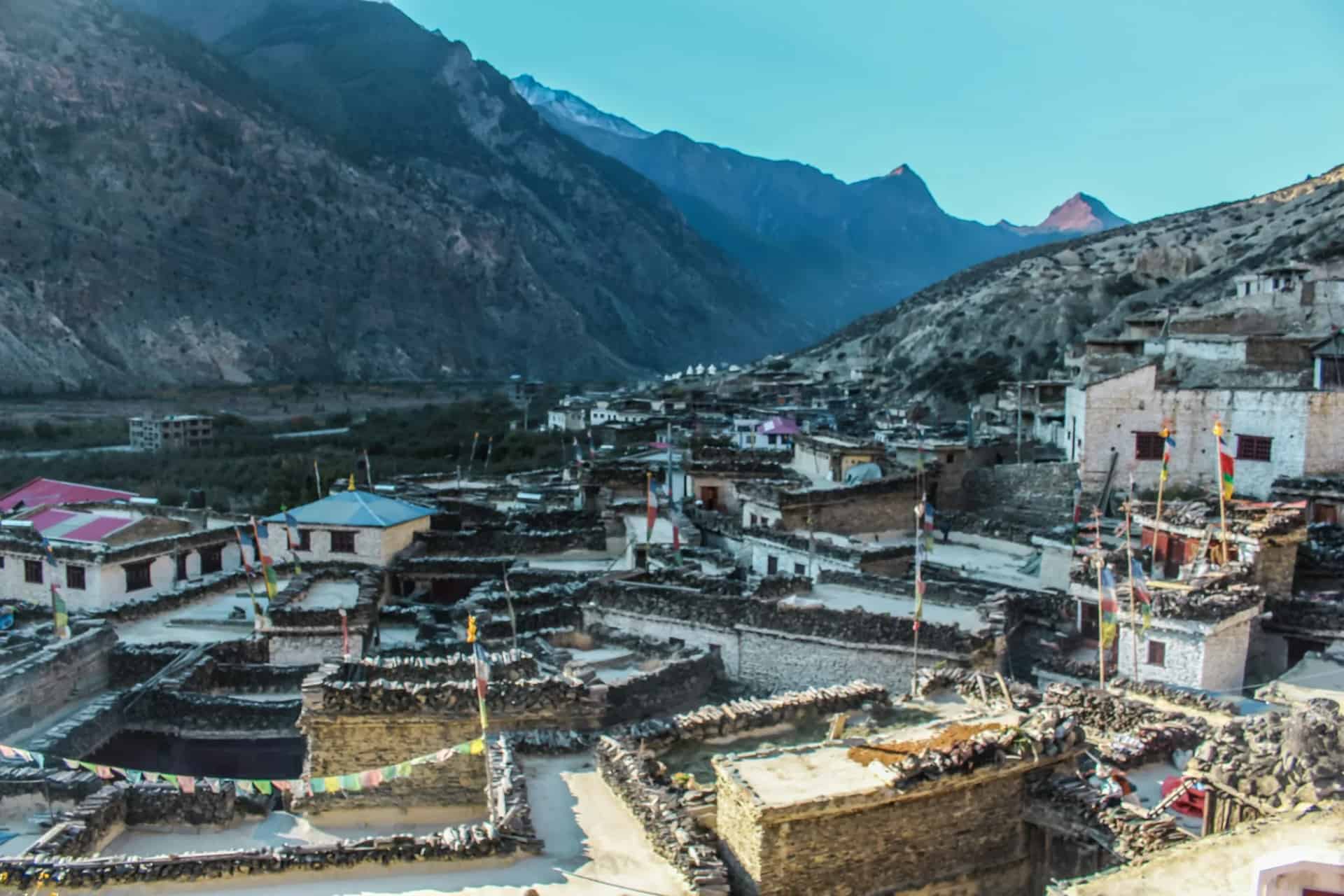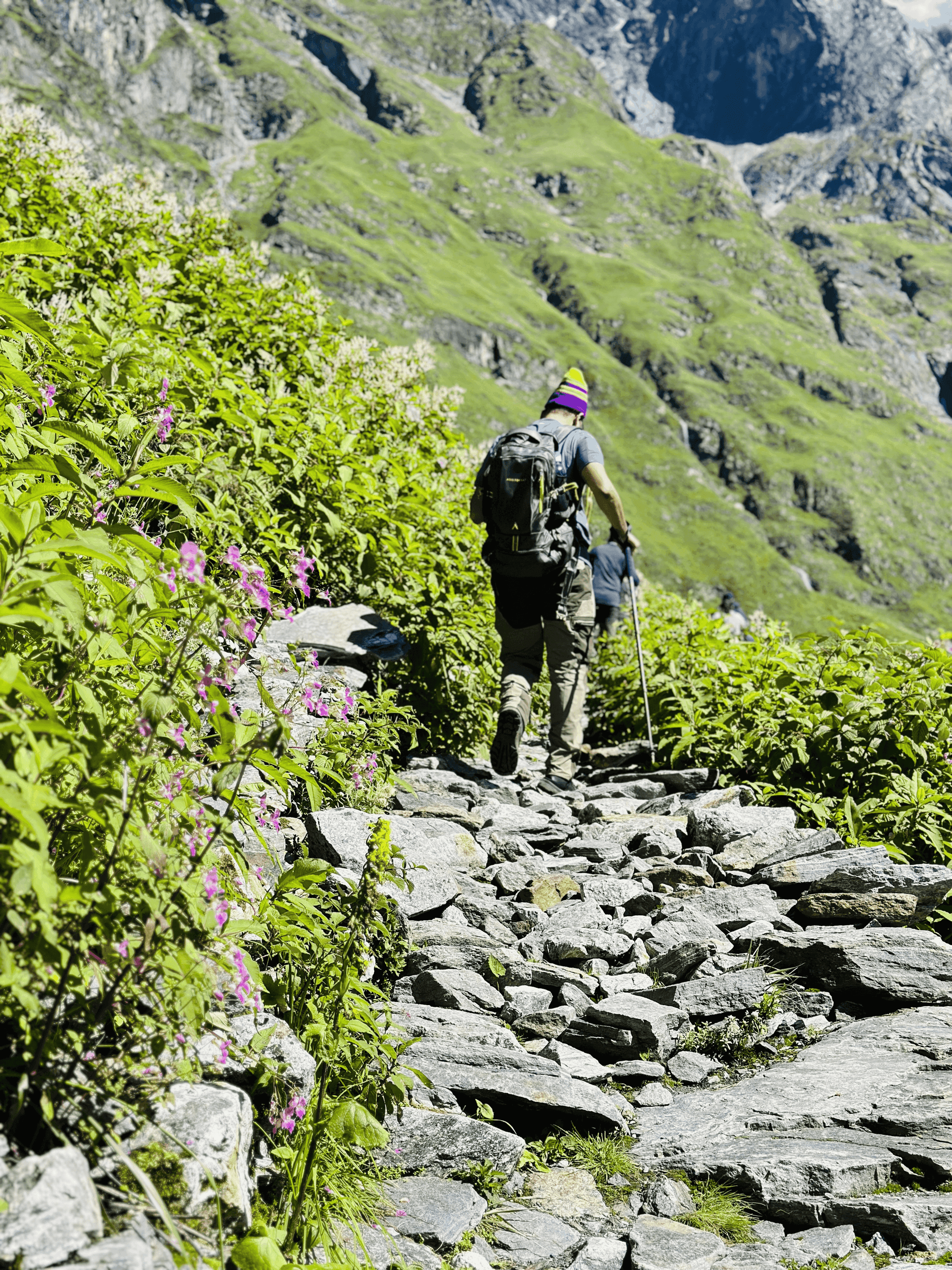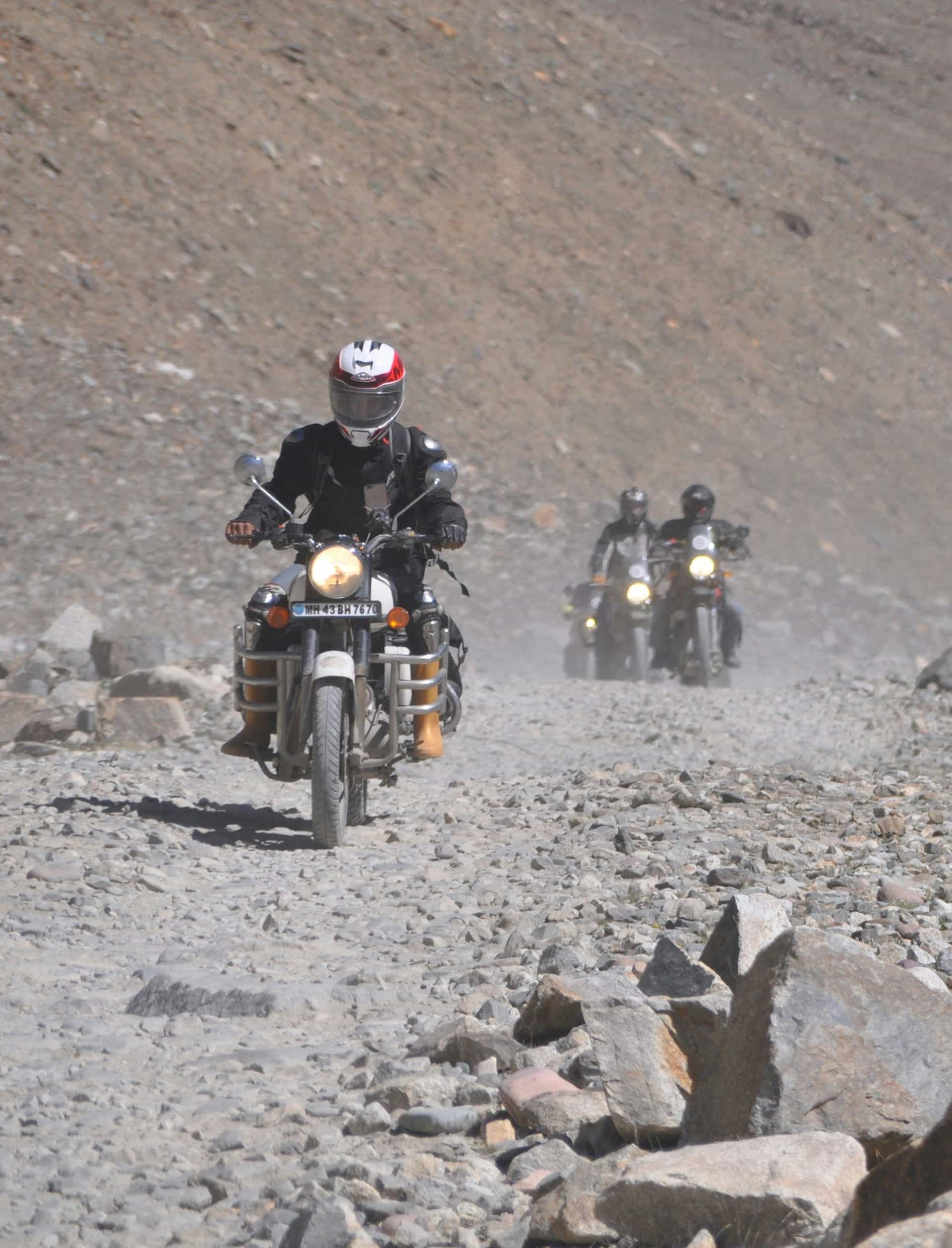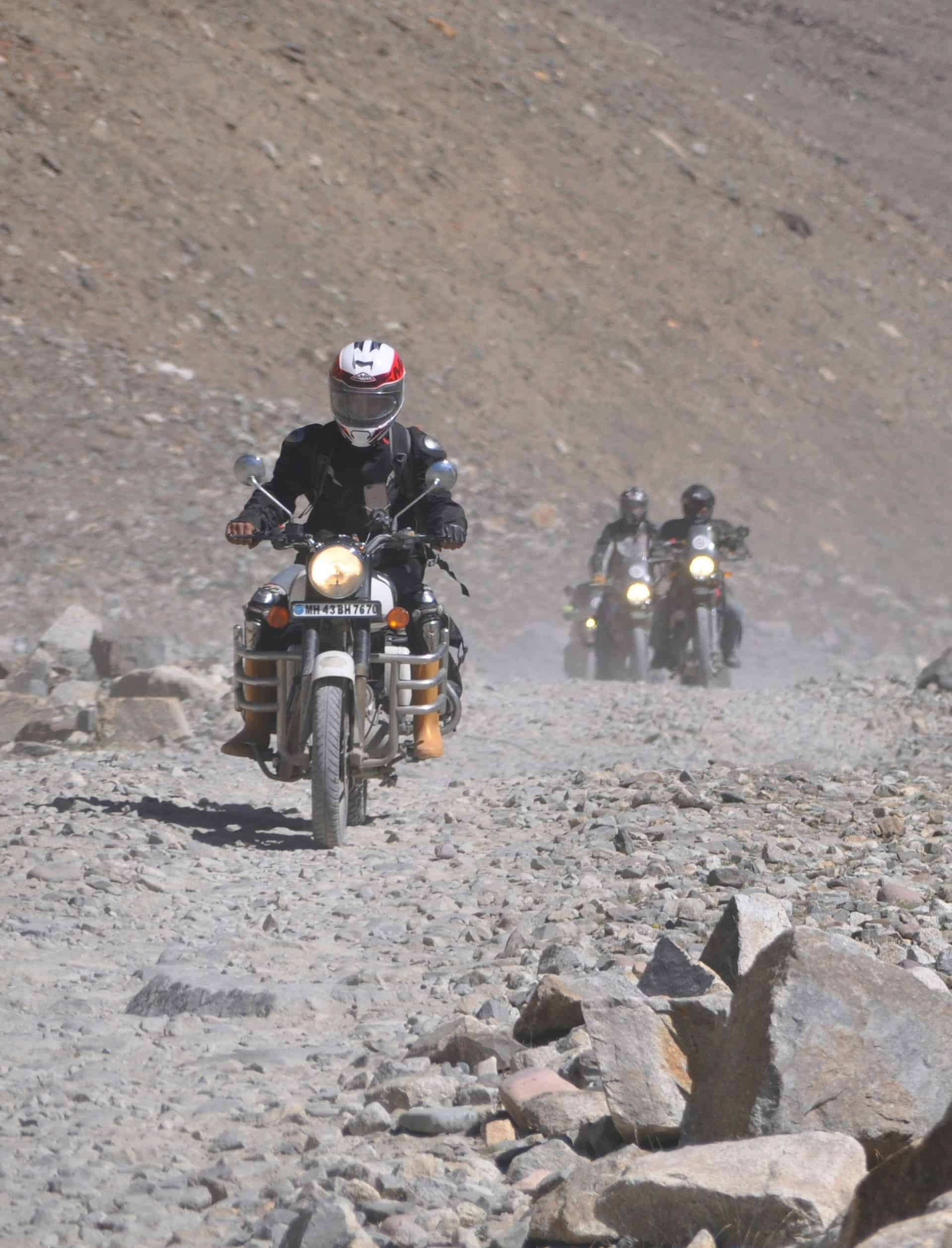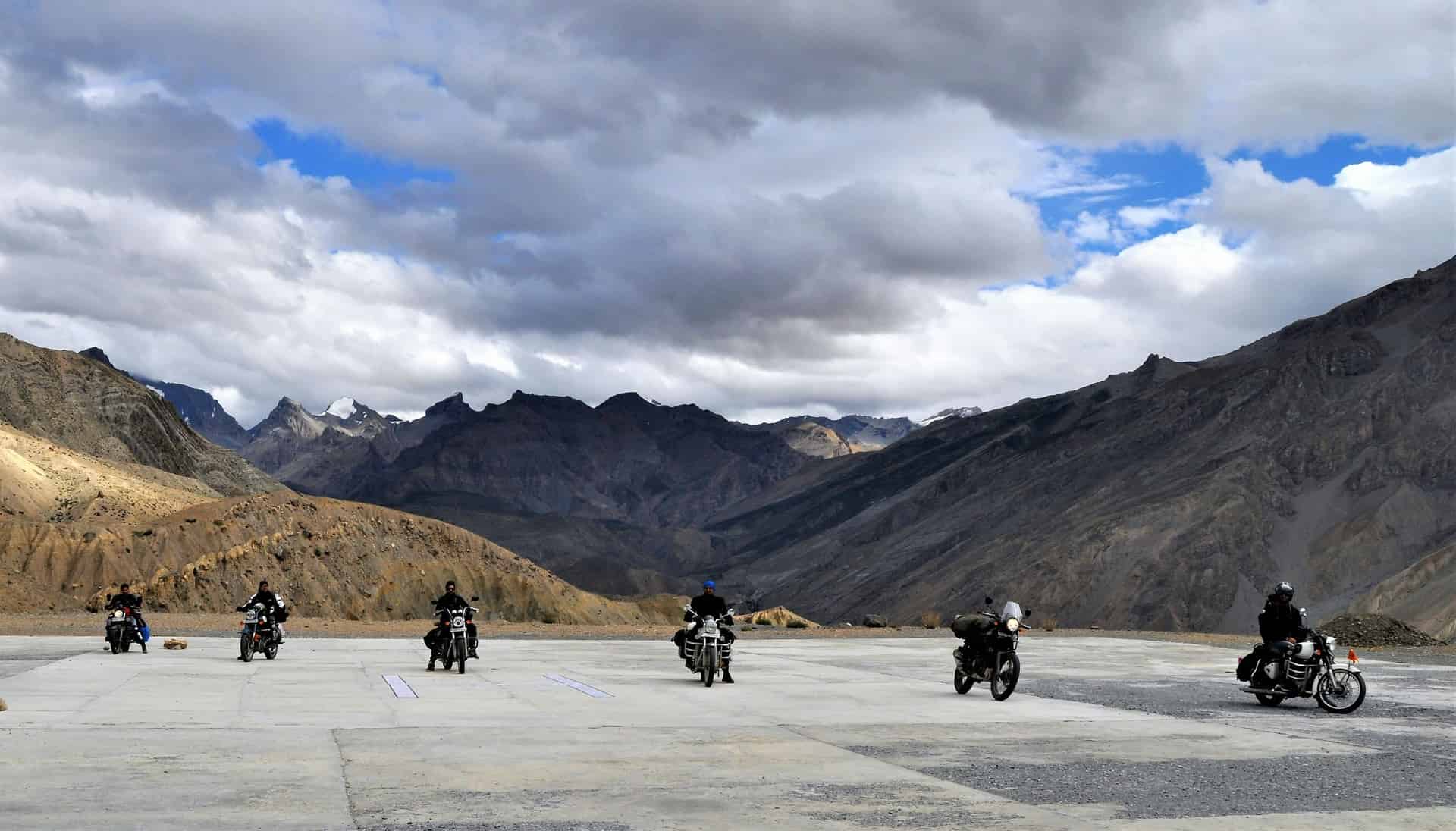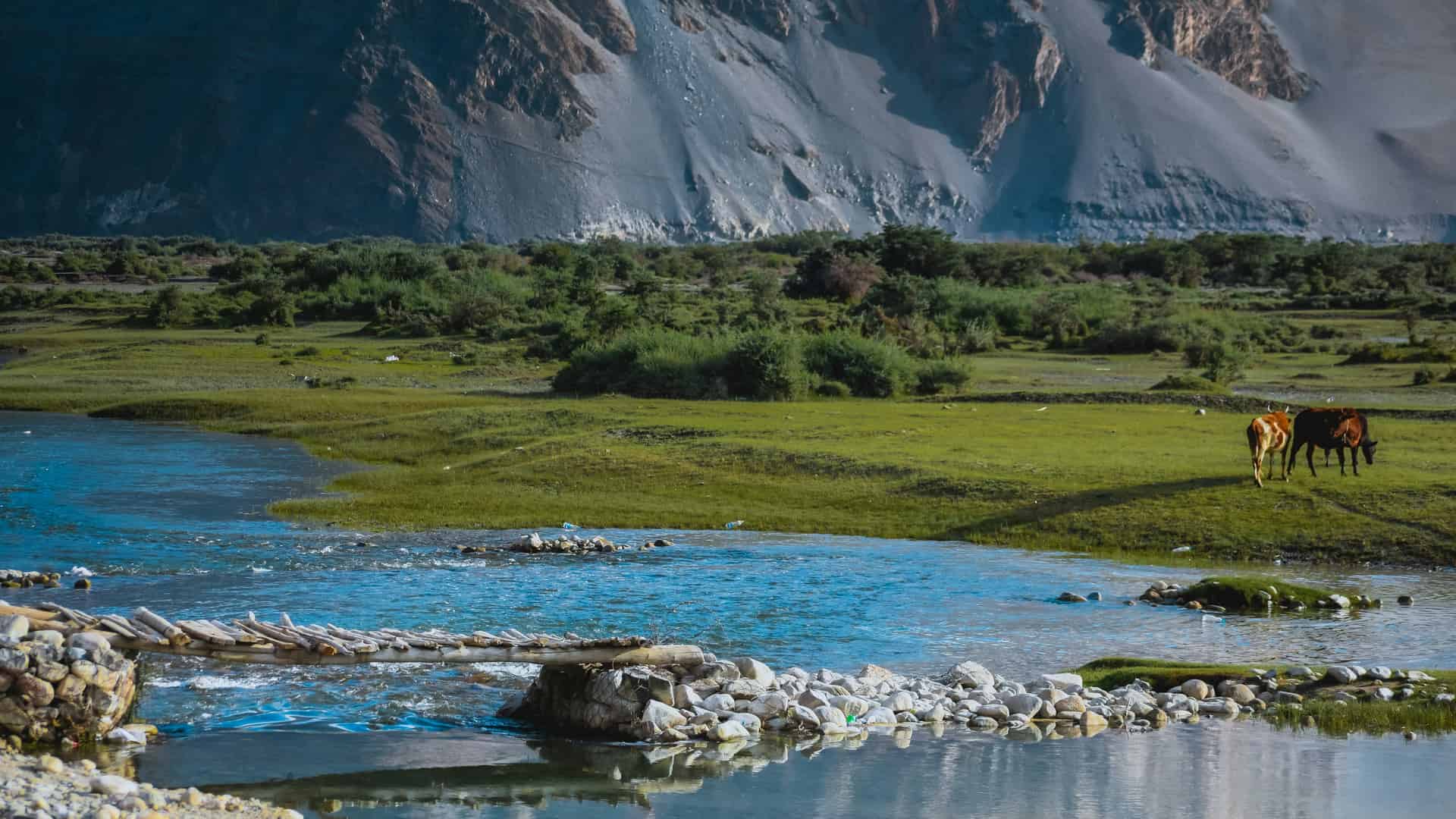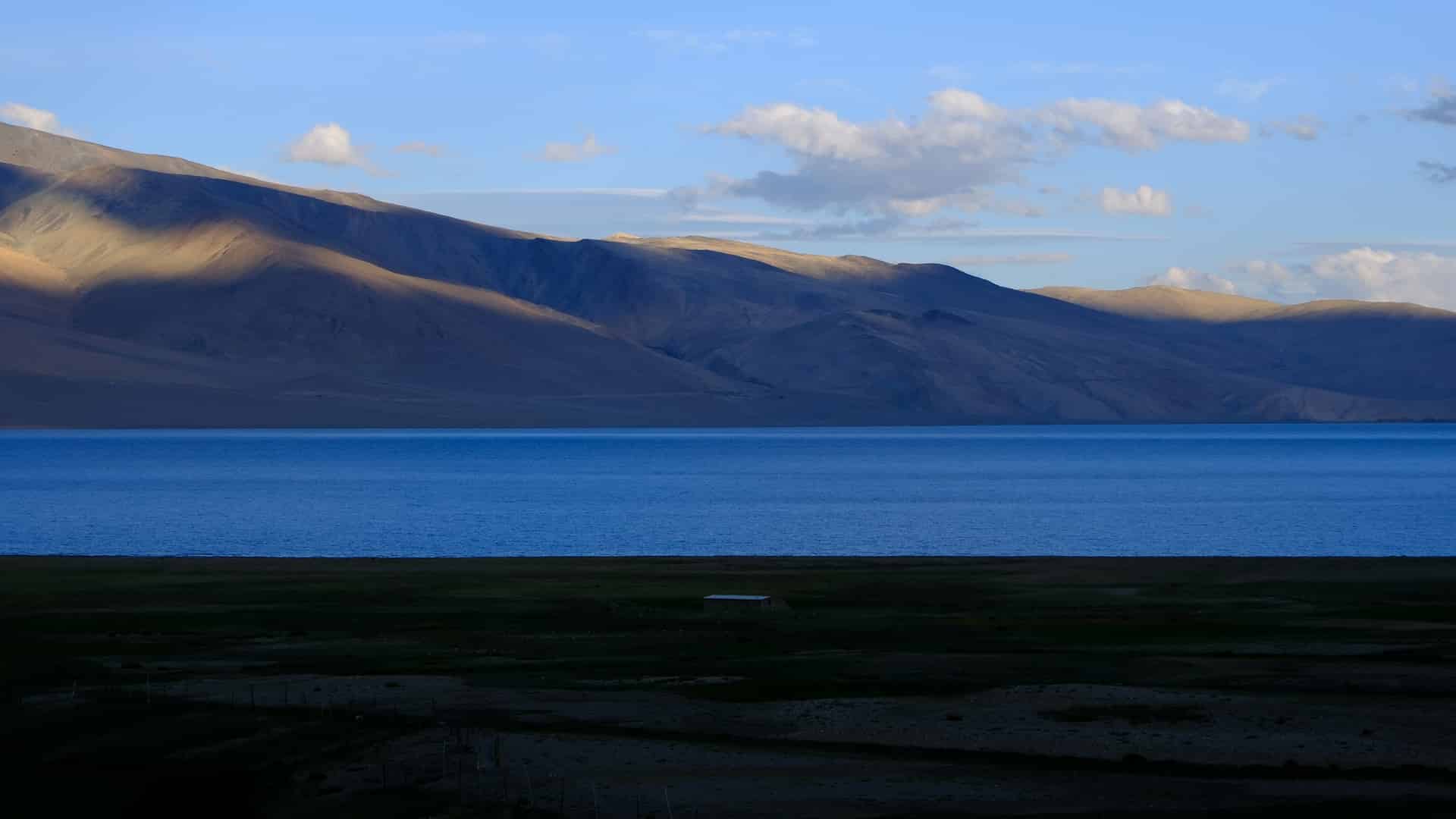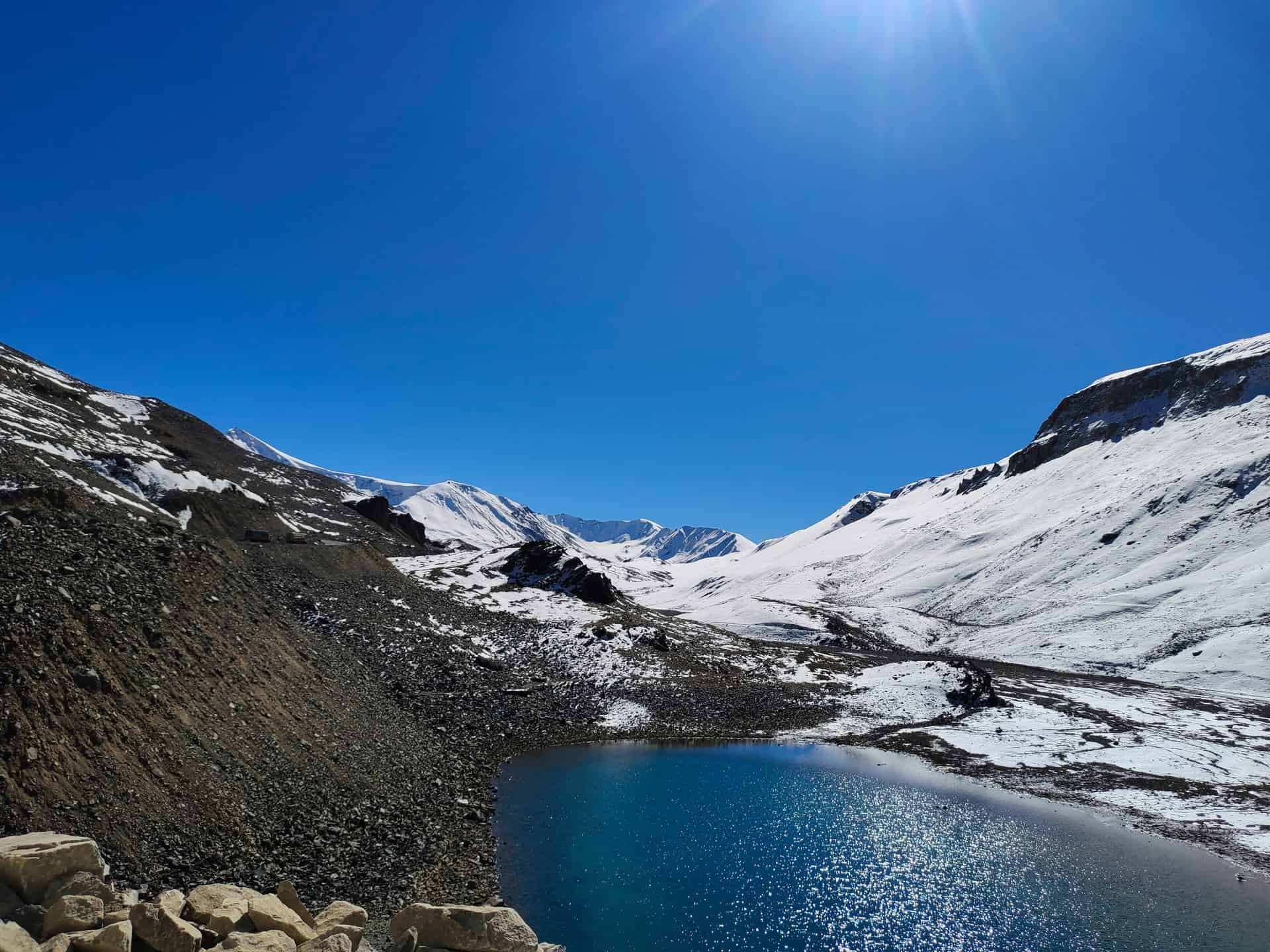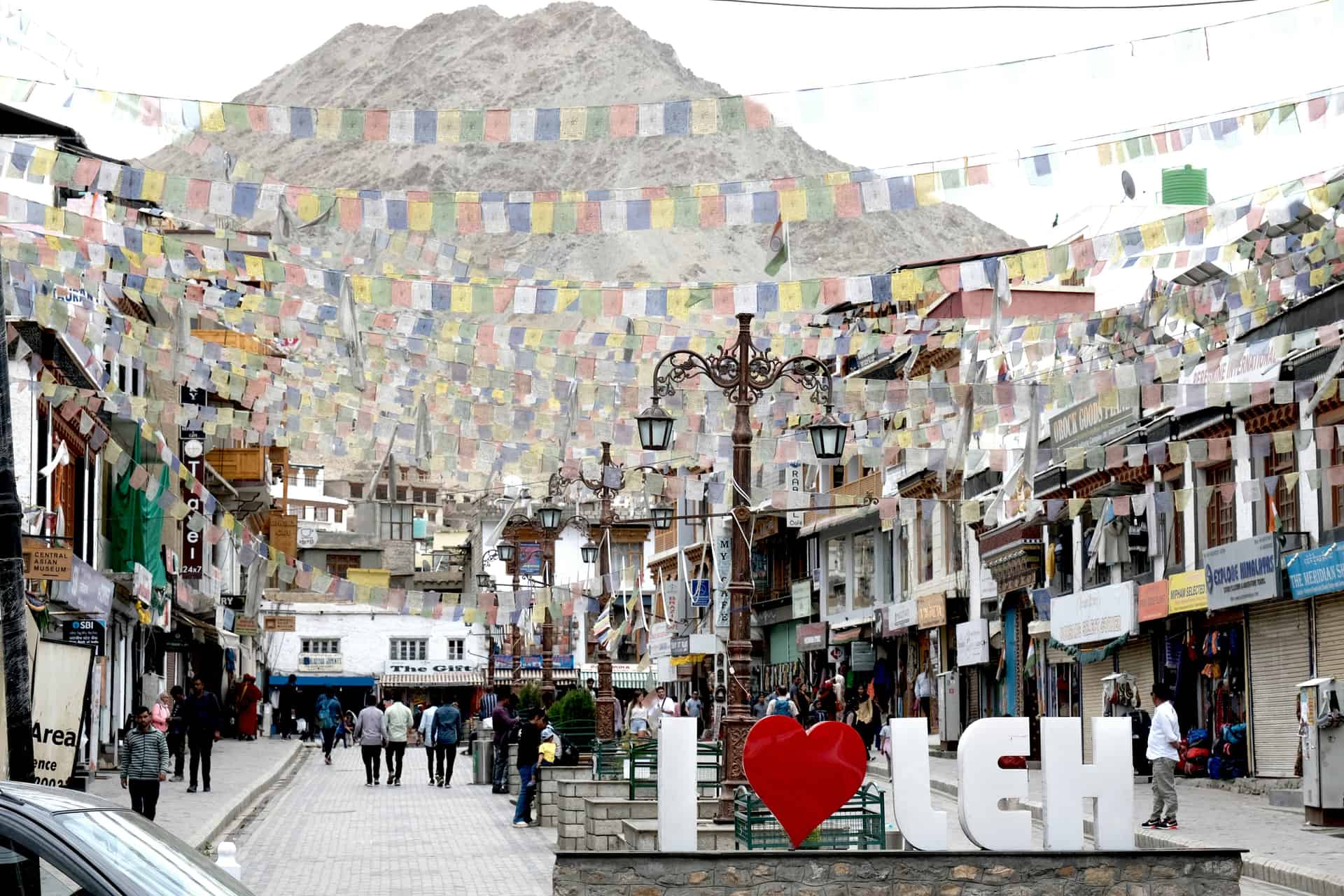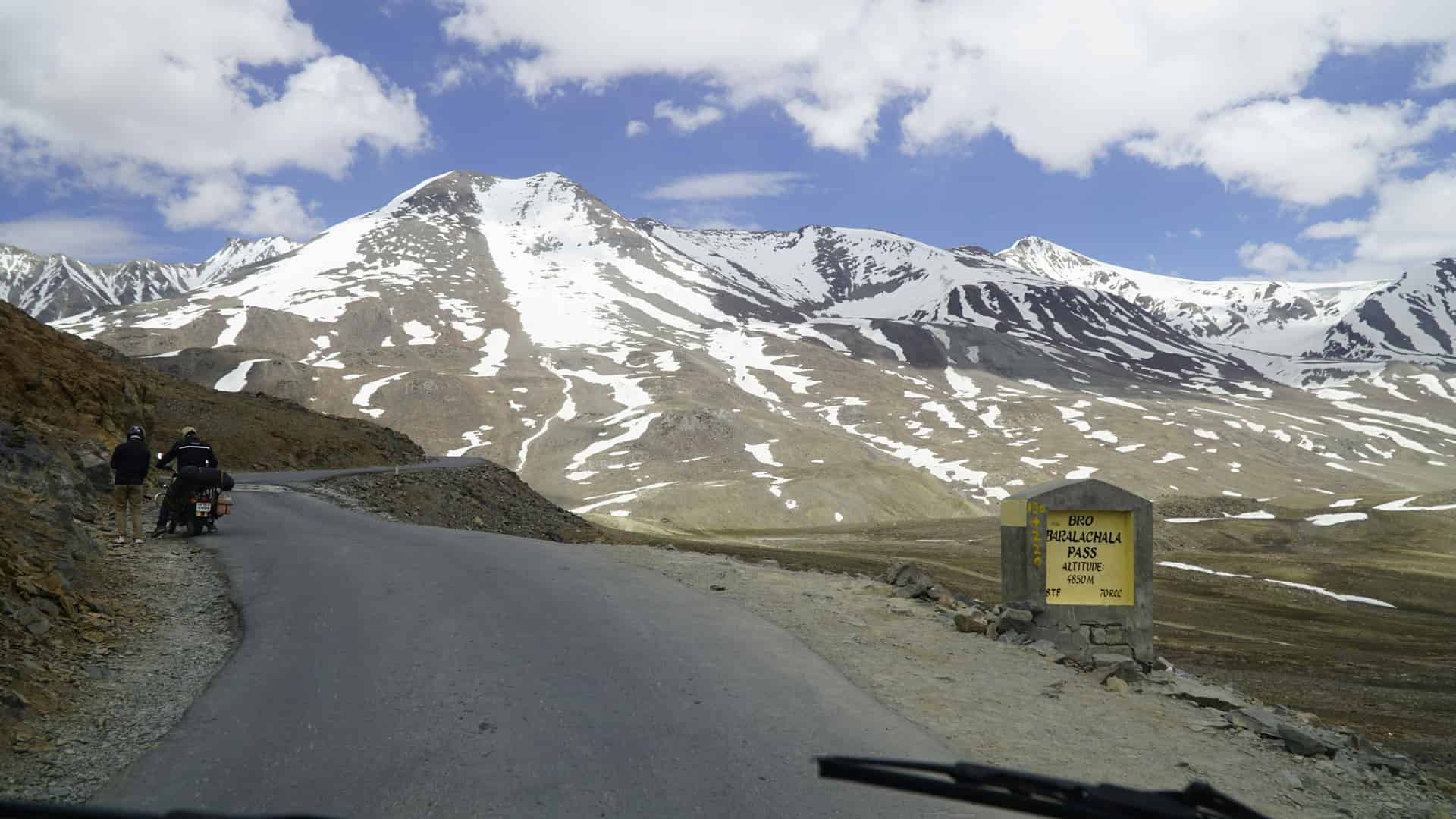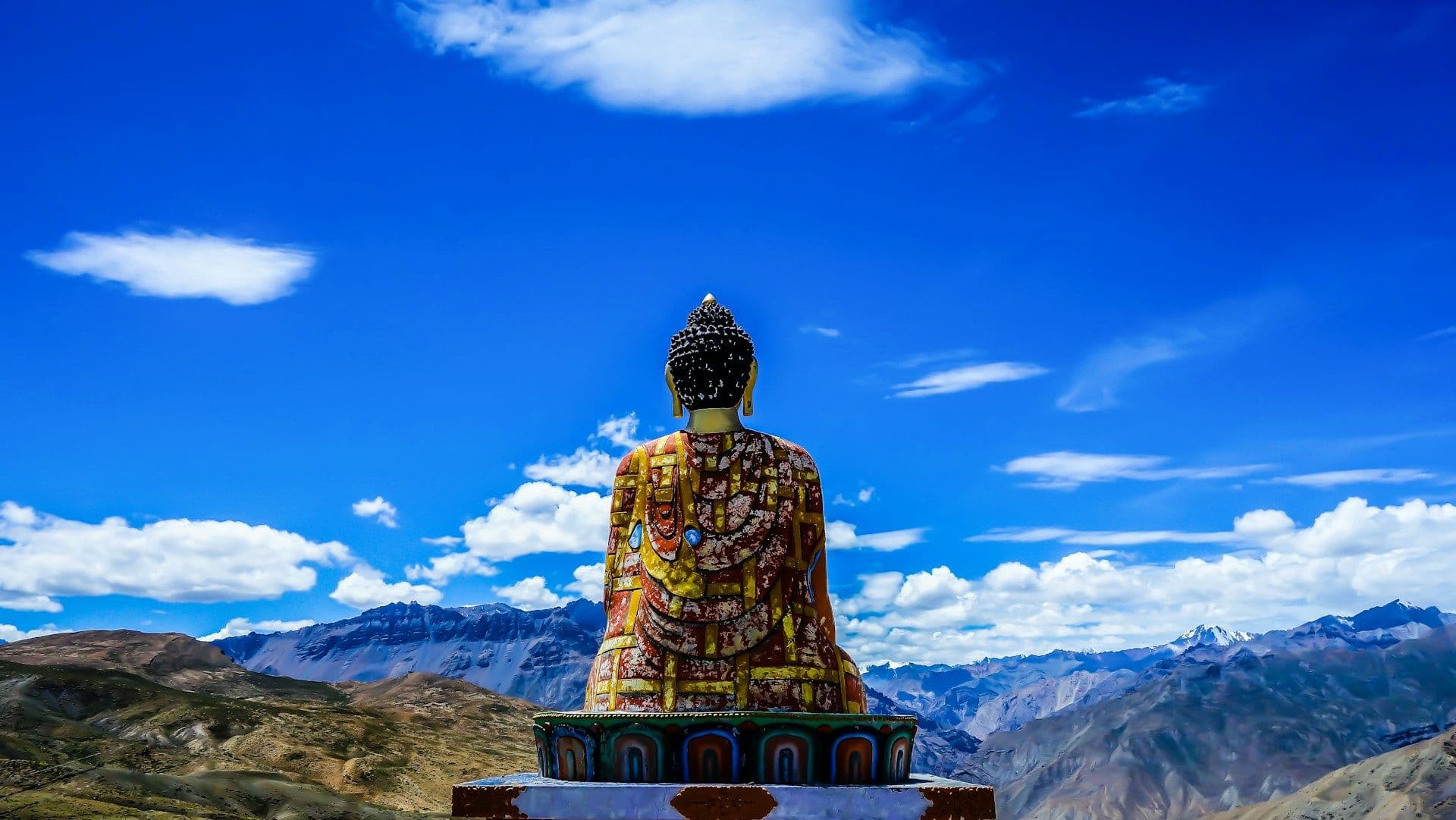
There is something special about exploring Spiti Valley. One moment, you are driving through vast mountain landscapes with barely a soul in sight, and the next, you find yourself in a centuries-old monastery or a quiet Himalayan village where life moves at its own pace. Every turn seems to reveal a different side of this beautiful cold desert.
From the iconic Key Monastery and the little villages of Langza and Komic to the striking Chicham Bridge and the beautiful Chandratal Lake, Spiti has plenty to discover beyond its famous landscapes. Some places are known for their history and culture, while others draw travellers simply for the views, peaceful surroundings and experiences along the way.
Whether it is your first visit or a return journey, knowing which places to explore can make your Spiti experience even more rewarding. Here are some of the places worth discovering as you make your way through the valley.
Best Places to Visit in Spiti Valley at a Glance
Spiti Valley has a mix of monasteries, traditional villages, high-altitude landmarks and natural attractions. While Kaza is a convenient base for exploring many of them, some places are located farther away and deserve extra time in your travel plans.
Place | Known For | Location / Direction |
| Key Monastery | Iconic Buddhist monastery and mountain views | Near Kaza |
| Kibber | Traditional village and high-altitude landscapes | Near Kaza |
| Chicham Bridge | Dramatic suspension bridge over a deep gorge | Near Kibber |
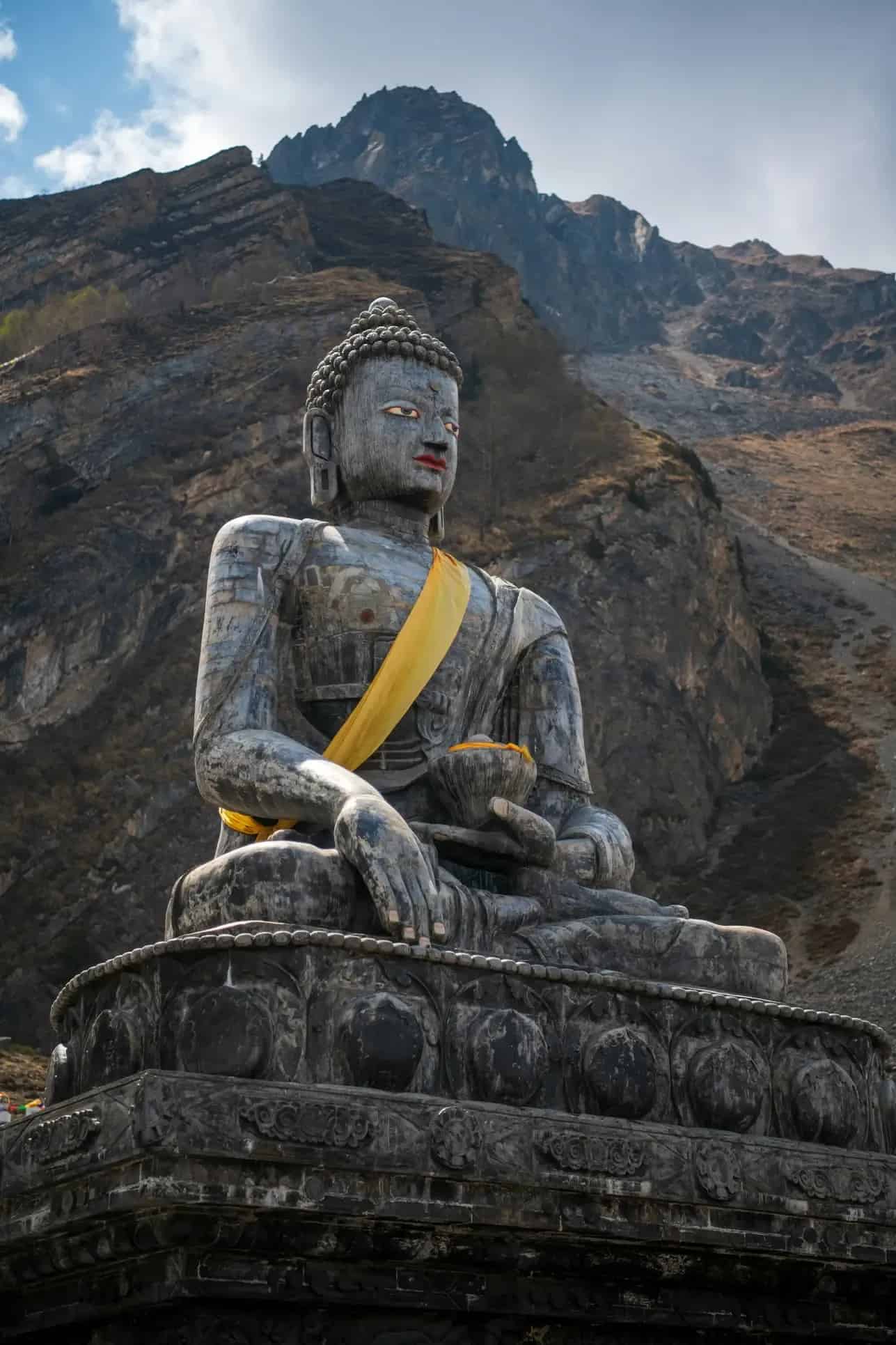
| Langza | Giant Buddha statue and marine fossils | Near Kaza |
| Hikkim | Famous high-altitude post office | Near Kaza |
| Komic | Remote high-altitude village and monastery | Near Kaza |
| Tabo Monastery | Ancient Buddhist monastery and heritage | Tabo |
| Dhankar Monastery | Cliffside monastery overlooking the valley | Dhankar |
| Gue | Village known for its naturally preserved mummy | Near the Indo-Tibet border |
| Pin Valley National Park | Mountain scenery, wildlife and remote villages | Pin Valley |
| Chandratal Lake | High-altitude lake surrounded by mountains | Beyond Kunzum Pass |
| Kunzum Pass | Mountain pass connecting the Spiti and Lahaul regions | On the Manali route |
These places offer different experiences, so you don't necessarily need to visit every attraction on a single trip. Your available time, travel route and road conditions will help determine which ones to prioritise.
1. Kaza: The Main Town of Spiti Valley
Kaza is the heart of Spiti Valley, set along the Spiti River and surrounded by rugged mountains. While many travellers use it as a base for exploring the region, the town itself is worth spending some time in. Its local markets, cafés and relaxed mountain-town atmosphere offer a glimpse into everyday life in Spiti.
Things to explore in Kaza:
- Kaza Market: Walk through the local market, browse small shops and pick up souvenirs, woollens and travel essentials.
- Local Cafés: Take a break at one of the town's cafés and try local food while enjoying the mountain surroundings.
- Spiti River Views: Spend some time around the river and enjoy the stark landscapes that define the region.
- Local Life: Explore the town on foot to experience its everyday atmosphere and interact with local residents.
Travel tip: Kaza is a convenient place to arrange local transport, purchase essentials and prepare for visits to higher-altitude villages such as Langza and Komic.
If you are planning your route around Kaza and the surrounding attractions, explore our detailed Spiti Valley itinerary for suggested routes and travel durations.
2. Key Monastery: One of Spiti's Most Iconic Landmarks
Standing on a hilltop overlooking the Spiti River, Key Monastery is one of the most recognisable sights in the valley. Dating back several centuries, this Buddhist monastery is an important centre of learning and belongs to the Gelugpa school of Tibetan Buddhism. Its striking architecture, spiritual atmosphere and dramatic mountain setting make it a highlight of any Spiti trip.
What makes Key Monastery worth visiting?
- Traditional Monastery Architecture: Explore its distinctive whitewashed buildings, prayer halls and interconnected structures spread across the hillside.
- Buddhist Heritage: Discover its collection of religious murals, manuscripts and artefacts that reflect the region's Buddhist traditions.
- Monastic Life: Experience the monastery's spiritual atmosphere and, where permitted, observe the daily activities of the monks.
- Panoramic Views: Enjoy sweeping views of the Spiti River valley and the surrounding mountains from the monastery.
Travel tip: Key Monastery is approximately 12 km from Kaza and can easily be combined with a visit to Kibber and Chicham Bridge.
3. Kibber Village: A High-Altitude Village Known for Wildlife
Located at approximately 4,200 metres above sea level, Kibber is one of the most recognised villages in Spiti Valley. Known for its traditional stone houses and dramatic mountain setting, the village is also closely associated with the Kibber Wildlife Sanctuary, which supports wildlife such as the snow leopard, ibex and Himalayan wolf.
What makes Kibber worth visiting?
- Traditional Village: Explore the settlement, see its distinctive houses and get a glimpse of life in one of Spiti's high-altitude communities.
- Kibber Wildlife Sanctuary: Discover the surrounding habitat, known for its diverse high-altitude wildlife and rugged mountain terrain.
- Snow Leopard Expeditions: Winter brings opportunities to join organised wildlife expeditions in the region, although spotting a snow leopard requires patience and luck.
- Nearby Chicham Bridge: Combine your visit with the spectacular suspension bridge connecting Kibber and Chicham across a deep gorge.
Travel tip: Kibber is approximately 20 km from Kaza by road. If you are interested in wildlife photography or snow leopard tracking, plan a dedicated winter visit with an experienced local guide.
4. Chicham Bridge: A Spectacular Bridge Above a Deep Gorge
Connecting Kibber and Chicham villages, Chicham Bridge is one of the most striking landmarks in Spiti Valley. Built high above the Samba Lamba Nallah gorge, the bridge offers a dramatic view of the deep valley and the rugged mountains surrounding it. Its impressive height and remote location make it a memorable stop for travellers exploring this part of Spiti.
What makes Chicham Bridge worth visiting?
- Impressive Engineering: The suspension bridge is an important connection between the villages of Kibber and Chicham.
- Gorge Views: Look down into the deep gorge and enjoy the dramatic mountain scenery around the bridge.
- Photography: Capture the bridge against the rugged landscape, particularly from safe viewpoints around the area.
- Nearby Attractions: Combine your visit with Kibber Village and Key Monastery for a sightseeing circuit from Kaza.
Travel tip: Chicham Bridge is approximately 22 km from Kaza by road. Be careful around the edges and avoid standing in unsafe locations for photographs.
5. Langza Village: The Famous Buddha Statue and Fossil Village
Located at approximately 4,400 metres above sea level, Langza is one of the most recognisable villages in Spiti Valley. Its most prominent landmark is a giant golden Buddha statue overlooking the settlement, with Chau Chau Kang Nilda peak rising in the background. Langza is also known for its marine fossils, which offer a glimpse into the region's geological past when this part of the Himalayas lay beneath the ancient Tethys Sea.
What makes Langza worth visiting?
- Giant Buddha Statue: Visit the iconic statue overlooking the village. Its elevated setting makes it one of Langza's most recognisable sights.
- Marine Fossils: Explore the fossil-rich landscape and discover ancient marine remains embedded in the rocks. Avoid collecting or purchasing fossils to help preserve this geological heritage.
- Village Homestays: Stay with a local family to experience traditional Spitian hospitality and enjoy a slower pace of life in the village.
- Mountain Views: Enjoy views of Chau Chau Kang Nilda and the surrounding high-altitude landscape, particularly on clear days.
Travel tip: Langza is approximately 16 km from Kaza by road. Because of its high altitude, avoid rushing your visit if you have only recently arrived in Spiti.
6. Hikkim Village: Visit One of the World's Highest Post Offices
Perched at approximately 4,440 metres above sea level, Hikkim is a remote village in Spiti Valley best known for its high-altitude post office. Located between Kaza and Komic, the village attracts travellers who want to experience something beyond the usual mountain sightseeing. Sending a postcard from Hikkim has become a memorable part of many Spiti trips, offering a simple way to share your journey with friends and family.
What makes Hikkim worth visiting?
- Hikkim Post Office: Visit the famous high-altitude post office, widely recognised as one of the world's highest post offices, and send a postcard from here.
- Postcard Experience: Buy a postcard, write a personal message and get it stamped before sending it to someone back home.
- Village Landscapes: Explore the small settlement and enjoy views of the surrounding mountains and open valleys.
- Local Village Life: Take a short walk around the village to experience the quiet lifestyle of this remote Himalayan community.
Travel tip: Hikkim is approximately 15 km from Kaza by road. If sending postcards is on your list, carry a few stamps or postcards as a backup, as supplies may not always be available during busy travel periods.
7. Komic Village: One of the Highest Motorable Villages in the World
Located at approximately 4,580 metres above sea level, Komic is among the highest villages in the world connected by a motorable road. Its remote location, traditional houses and high-altitude setting make it a memorable stop while exploring the villages around Kaza. The village is also home to Tangyud Monastery, one of the most distinctive Buddhist monasteries in the region.
What makes Komic worth visiting?
- Tangyud Monastery: Explore this historic monastery, recognised for its fortress-like architecture, thick walls and traditional Buddhist paintings.
- High-Altitude Village Experience: Walk through the small settlement and get a glimpse of how communities live in one of Spiti's highest inhabited villages.
- Mountain Views: Enjoy the expansive views of the surrounding mountains and the stark landscape of the cold desert.
- Village Circuit: Combine Komic with nearby Hikkim and Langza for a memorable sightseeing drive from Kaza.
Travel tip: Komic is approximately 18 km from Kaza by road. Given its elevation of around 4,580 metres, allow time for acclimatisation before visiting.
Before planning a visit to these high-altitude villages, check the best time to visit Spiti Valley, as road conditions and accessibility change with the seasons.
8. Tabo: Explore the Ancient Buddhist Monastery
Located at approximately 3,280 metres above sea level, Tabo is best known for its ancient monastery, founded in 996 CE. Often called the Ajanta of the Himalayas, Tabo Monastery is renowned for its centuries-old Buddhist murals, sculptures and temple complex. Unlike the hilltop monasteries found elsewhere in Spiti, much of Tabo's historic architecture is built at ground level, making its interiors and artwork the highlight of a visit.
What makes Tabo worth visiting?
- Tabo Monastery Complex: Explore its historic temples, including ancient structures that preserve the region's Buddhist architectural heritage.
- Ancient Murals and Sculptures: Discover intricate Buddhist paintings, religious figures and artwork that make the monastery particularly significant.
- Buddhist Heritage: Learn about the monastery's long-standing role as an important centre of Buddhist learning and spiritual practice.
- Monastery Caves: Explore the caves in the surrounding hillside, which add another interesting dimension to Tabo's spiritual landscape.
Travel tip: Tabo is approximately 48 km from Kaza by road. Set aside a few hours to explore the monastery properly, especially if you are interested in its artwork and history.
9. Dhankar: A Cliffside Monastery and Scenic Himalayan Village
Perched dramatically on a rocky cliff at approximately 3,890 metres above sea level, Dhankar is among the most distinctive places to visit in Spiti Valley. Its historic monastery overlooks the confluence of the Spiti and Pin rivers, creating a striking setting that makes this small village particularly memorable. Beyond the monastery, Dhankar is also known for its mountain lake and beautiful views across the surrounding valleys.
What makes Dhankar worth visiting?
- Dhankar Monastery: Explore the historic monastery, known for its traditional Buddhist architecture and remarkable position on the cliffside.
- Spiti and Pin River Confluence: Enjoy views of the two rivers meeting below the village, one of the most distinctive landscapes in this part of Spiti.
- Dhankar Lake: Take the uphill trek to this high-altitude lake if you have enough time and are comfortable with the physical demands of the walk.
- Village Views: Explore the old settlement and enjoy the dramatic setting of houses and monastery buildings against the rocky mountains.
Travel tip: Dhankar is approximately 34 km from Kaza by road. If you plan to trek to Dhankar Lake, set aside additional time and allow yourself to acclimatise before attempting the uphill walk.
10. Gue Village: See the Naturally Preserved Mummy of a Buddhist Monk
Located in the remote eastern part of Spiti Valley, Gue is best known for a rare historical attraction: the naturally preserved mummy of a Buddhist monk, believed to be Sangha Tenzin. Displayed inside a small monastery in the village, the mummy makes Gue one of the more unusual places to visit in the region.
What makes Gue worth visiting?
- The Mummy of Gue: See the naturally preserved remains of the Buddhist monk, traditionally identified as Sangha Tenzin.
- Historical Significance: Learn about the mummy's unusual preservation and the local stories associated with it.
- Gue Monastery: Visit the small monastery where the mummy is displayed and discover this lesser-known part of Spiti's Buddhist heritage.
- Remote Location: Experience a quieter side of the valley, away from the more frequently visited attractions around Kaza.
Travel tip: Gue is approximately 80 km from Kaza by road. Check local access arrangements before setting out, as visitor access to the monastery may vary.
11. Pin Valley National Park: Discover Spiti's Wildlife and Natural Heritage
Located in the cold desert region of Spiti, Pin Valley National Park is a protected area known for its high-altitude ecosystem and diverse Himalayan wildlife. Established in 1987, the park is an important habitat for the elusive snow leopard, Siberian ibex and other mountain species. Its landscape of rugged mountains, river valleys and sparse vegetation offers a different experience from the villages and monasteries around Kaza.
What makes Pin Valley National Park worth visiting?
- Himalayan Wildlife: The park supports wildlife such as snow leopards, Siberian ibex, red foxes and Himalayan wolves. Spotting these animals in the wild requires patience and luck.
- Mud Village: Explore one of the last inhabited settlements in Pin Valley, known for its traditional Spitian houses and remote village setting. It is also a useful base for travellers interested in exploring the wider valley and its trekking opportunities.
- Pin River Valley: Explore the landscape shaped by the Pin River, with its distinctive cold desert terrain and mountain views.
- Nature and Trekking: The wider valley offers opportunities for nature walks and trekking, making it interesting for travellers who want to explore beyond the usual sightseeing circuit.
Travel tip: Mud Village is approximately 50 km from Kaza by road, although distances vary depending on your destination within Pin Valley. Check local road conditions before travelling, particularly outside the main summer season.
12. Chandratal Lake: The Famous Moon Lake of Spiti
Located at approximately 4,250 metres above sea level, Chandratal Lake is one of the most recognised natural attractions in the Spiti-Lahaul region. Also known as Moon Lake, it gets its name from its distinctive crescent shape. Surrounded by mountains and open alpine landscapes, the lake is a memorable stop for travellers taking the route towards Kunzum Pass and Batal.
What makes Chandratal Lake worth visiting?
- Crescent-Shaped Lake: Admire the lake's distinctive shape and clear waters, which can appear in different shades depending on the light and weather.
- Mountain Scenery: Enjoy views of the surrounding peaks and alpine landscape, making the area a memorable stop for nature lovers and photographers.
- Walk to the Lake: From the designated parking area, visitors need to walk to the lakeshore. The high altitude can make even this relatively short walk physically demanding.
- Camping Nearby: Experience an overnight stay in the Chandratal region using permitted campsites. Camping directly beside the lake is restricted to protect its fragile environment.
Travel tip: Chandratal is generally accessible during the summer and early autumn months, depending on road and weather conditions. Plan your visit through the Batal route and check current road access and designated camping arrangements before travelling.
13. Kunzum Pass: The High-Altitude Gateway Between Lahaul and Spiti
Located at approximately 4,551 metres above sea level, Kunzum Pass connects the Lahaul and Spiti regions of Himachal Pradesh. It is an important landmark on the Manali-Kaza route and one of the most memorable stops along the journey. Apart from its high-altitude setting, the pass is also known for Kunzum Mata Temple, where travellers traditionally stop to seek blessings before crossing the mountains.
What makes Kunzum Pass worth visiting?
- Kunzum Mata Temple: Visit the small temple dedicated to Goddess Kunzum, an important traditional stop for travellers crossing the pass.
- Mountain Views: Enjoy views of the surrounding Himalayan peaks and the high-altitude landscape.
- Chandratal Route: The pass connects with the route towards Chandratal Lake via Batal, making it an important stop when exploring this part of Spiti.
- Road Trip Experience: Experience the mountain road connecting Lahaul and Spiti, particularly when travelling between Manali and Kaza.
Travel tip: Kunzum Pass is generally accessible during summer and early autumn, depending on snow clearance and road conditions. Check the latest road status before travelling, as the pass remains closed during much of the winter.
If you are travelling from the Manali side, read our guide on how to reach Spiti Valley to understand the available routes and important road considerations.
Explore Spiti Valley with Desh Videsh Travels
From ancient monasteries and remote Himalayan villages to dramatic mountain passes and high-altitude lakes, Spiti Valley offers experiences worth discovering at your own pace.
If you want to explore these places without managing every travel arrangement yourself, check out our Spiti Valley Tour Packages and find a trip that fits your travel plans.