Have you ever planned a trip where everything looked perfect on paper, but once you arrived, it felt rushed and exhausting?
South Korea can easily turn into that kind of trip if you try to do too much.
The country is incredibly efficient. Trains are fast, cities are well-connected and it feels like you can cover everything quickly. But that’s exactly where most travelers go wrong. They underestimate how much time it takes to actually experience each place.
By the end of your trip, it’s not the number of places you visited that matters, but how those places felt.
This itinerary is designed to help you experience South Korea at the right pace, without turning your trip into a checklist.
Quick Itinerary Overview
Duration | Recommended Route | Travel Style |
| 7 Days | Seoul (4) + Busan (3) | City and coastal contrast |
| 10 Days | Seoul (4) + Busan (3) + Jeju (3) | Balanced experience |
| Transport | KTX + Seoul Climate Card | Fast and efficient |
How Many Days Do You Really Need?
If this is your first time visiting South Korea, 7 to 10 days is the sweet spot.
Seven days gives you enough time to experience Seoul and Busan without rushing. If you can stretch to 9 or 10 days, adding Jeju changes the pace of your trip completely.
If you have less than 6 days, it is better to stay in Seoul and explore it properly rather than trying to fit in multiple cities.
Understanding the Route Before You Plan
Most first-time travelers follow a similar route:
Seoul → Busan → Jeju
And there’s a reason this works so well.
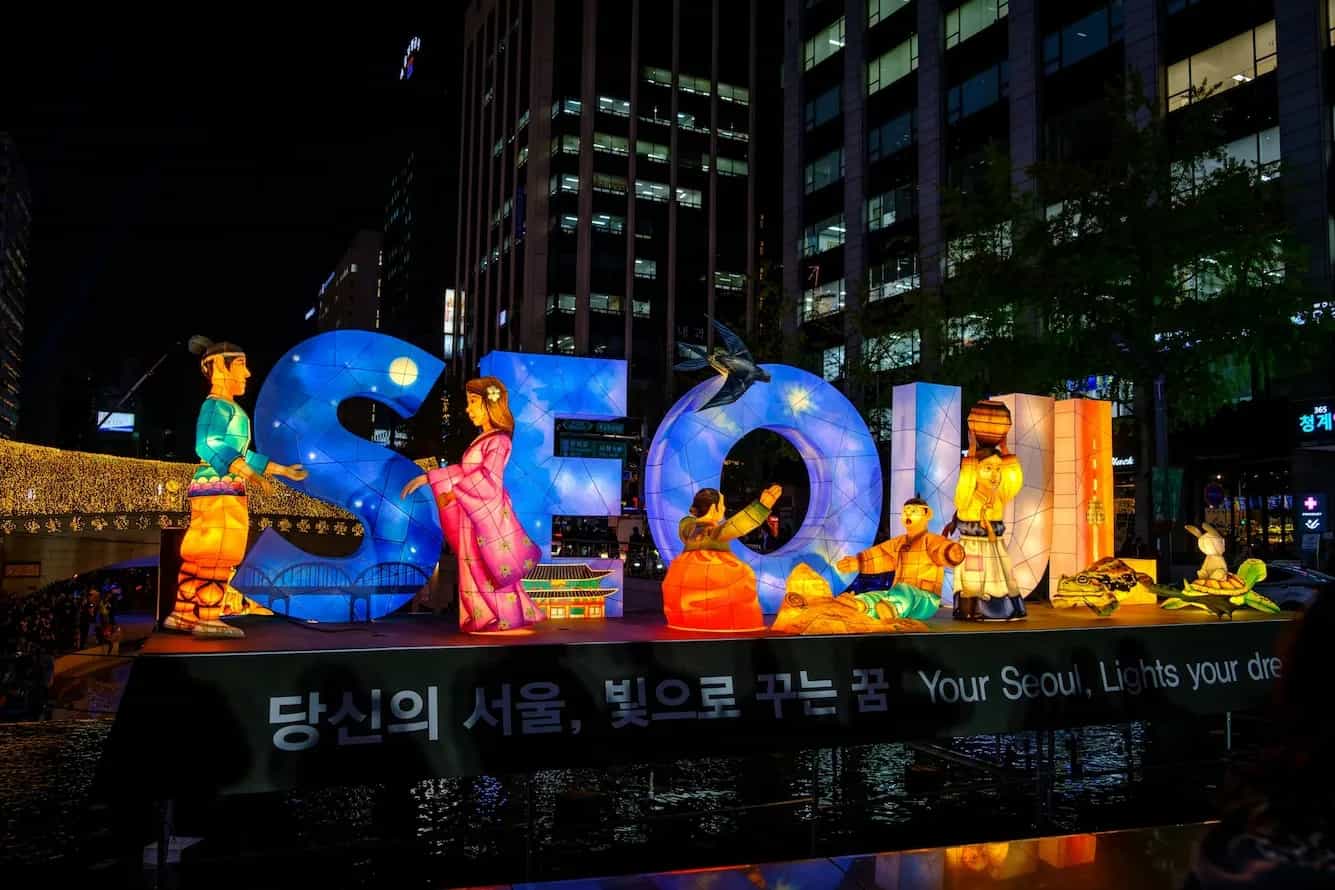
Seoul gives you the energy of the country, Busan slows things down with coastal views and Jeju offers a completely different, more relaxed environment.
7 Day South Korea Itinerary
This is where your trip starts to take shape.
Day 1: Arrival in Seoul
Your first day in South Korea is usually about adjusting.
After landing at Incheon Airport, getting to your hotel and settling in, most travelers don’t have the energy to explore aggressively. A short walk around your area or a quiet dinner is more than enough.
Before you even arrive, make sure you complete the e-Arrival Card online within 3 days of your flight. It helps you avoid delays at immigration and makes your entry much smoother.
Day 2: Seoul Begins to Open Up
Day 2 is when Seoul starts to feel real.
You move from wide modern streets into places like Gyeongbokgung Palace, where everything slows down. The architecture, the open courtyards and the quiet atmosphere create a completely different rhythm compared to the rest of the city.
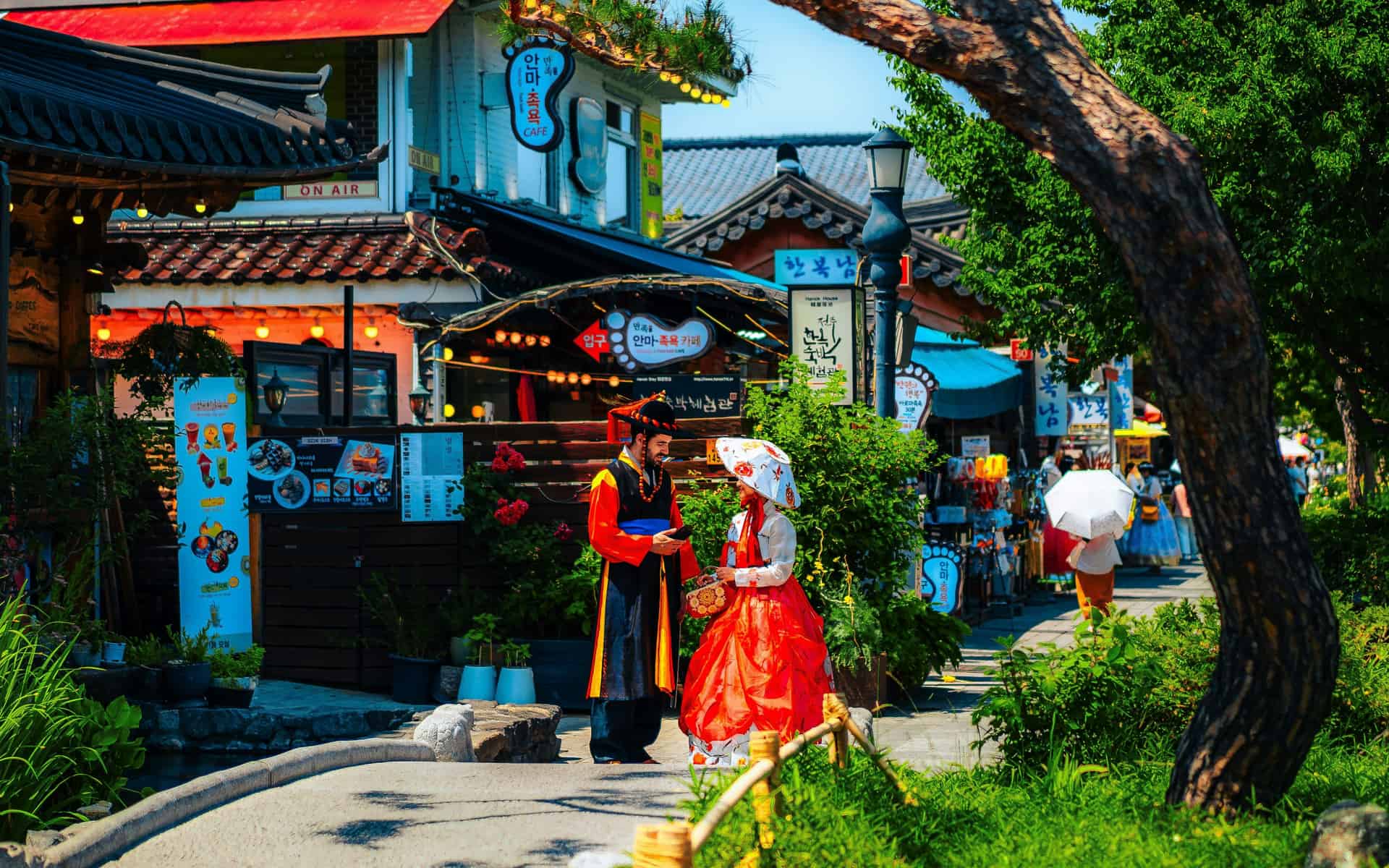
From there, walking into Bukchon Hanok Village feels like stepping into a different time. Narrow lanes, traditional homes and small details make this one of the most memorable parts of Seoul.
A simple but useful tip here is to try wearing a hanbok. It enhances the experience and also gives you access to benefits at certain sites.
Day 3: Modern Seoul and Daily Life
By Day 3, you start noticing how layered Seoul really is.
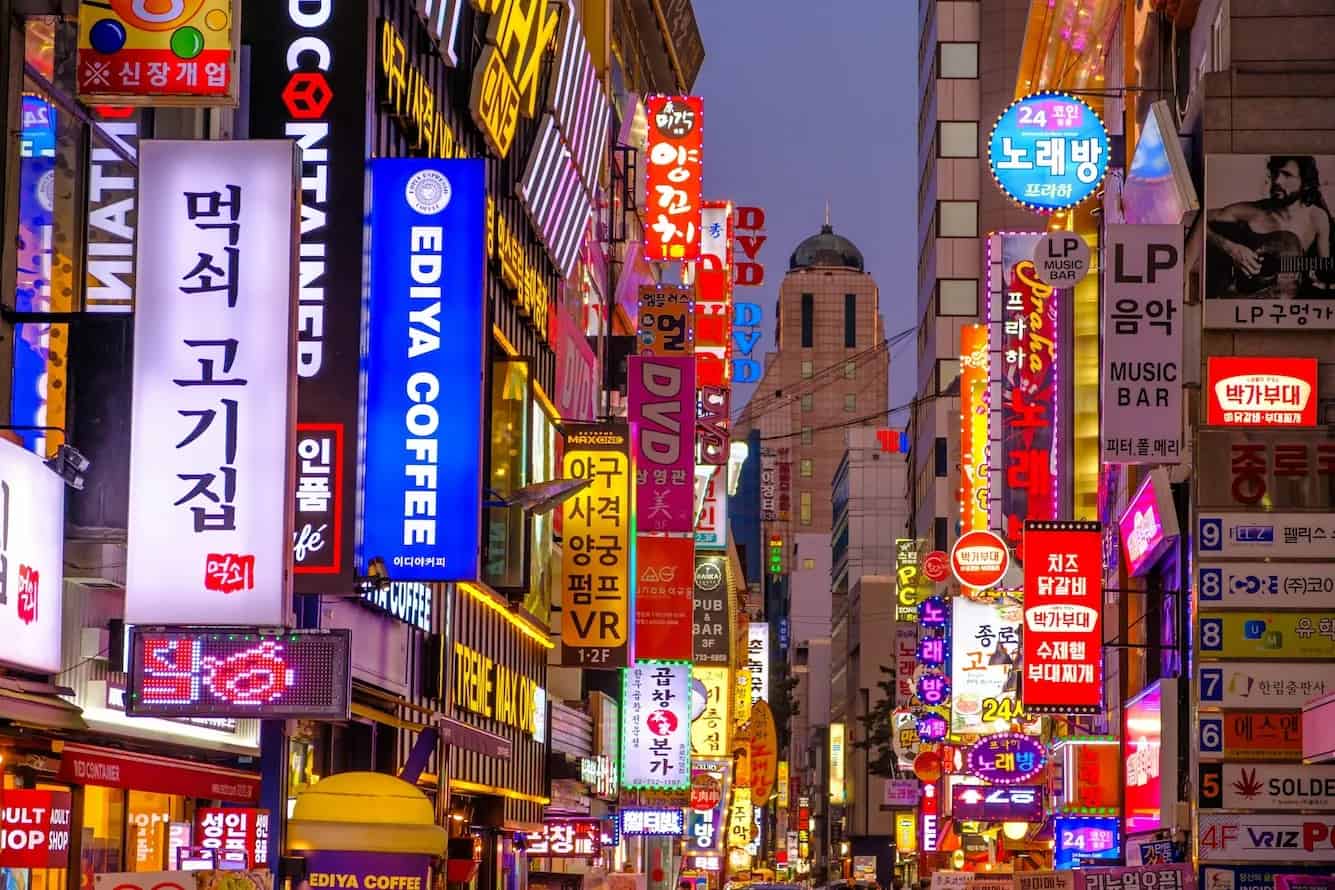
You move from cultural spaces into modern districts filled with cafés, shopping streets and everyday local life. This is also when the city feels more familiar and easier to navigate.
If you are following this itinerary, this is the point where transport starts adding up. Many travelers find that using the Seoul Climate Card becomes more cost-effective than paying per ride, especially if you use the metro multiple times a day. Here's your full guide to Seoul.
Day 4: Moving to Busan
This is where your trip shifts pace.
Traveling from Seoul to Busan by KTX is fast, but it still requires planning. Some train services now depart closer to the airport area, which can save time if you are not staying long in Seoul.
One thing most travelers don’t expect is how inconvenient luggage can feel during this transition. Carrying bags through stations and onto trains can slow you down more than expected. Many people choose luggage delivery services or station lockers to make this part easier.
Once you reach Busan, everything starts to feel more open and relaxed.
Day 5: Experiencing Busan
Busan feels very different from Seoul.
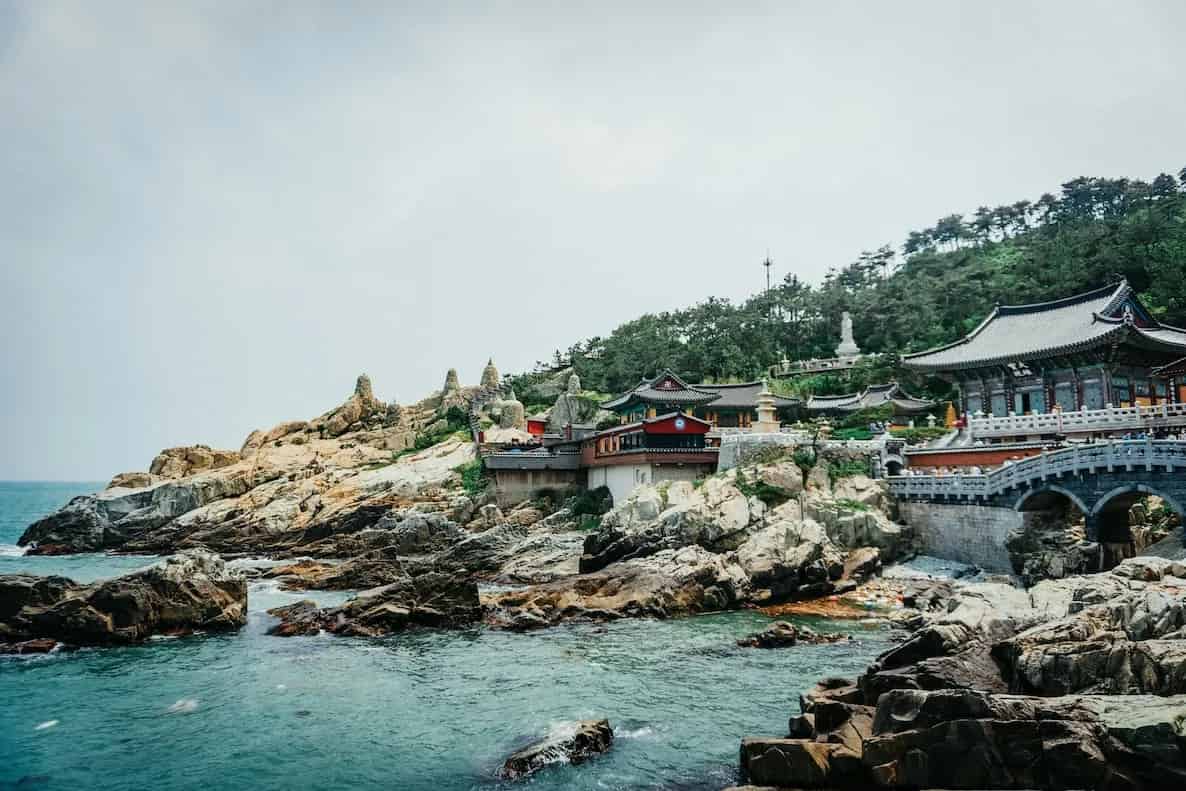
The pace slows down, the views open up and the focus shifts from city life to coastal experiences. Beaches, viewpoints and cultural neighborhoods define your time here.
It’s less about rushing between places and more about enjoying where you are. Here's your full guide for Busan city.
Day 6: Slowing Down Properly
This is where good itineraries stand out.
Instead of trying to add more places, this day gives you space. You explore at a slower pace, spend time in cafés, walk along the coast and let the trip settle in.
These are often the moments that stay with you the longest.
Day 7: Return or Extend
By now, you have a clear sense of the country.
You can either return to Seoul or continue your journey to Jeju if you have more time.
10 Day Itinerary: Adding Jeju Changes Everything
If you extend your trip, Jeju becomes the part that rebalances everything.
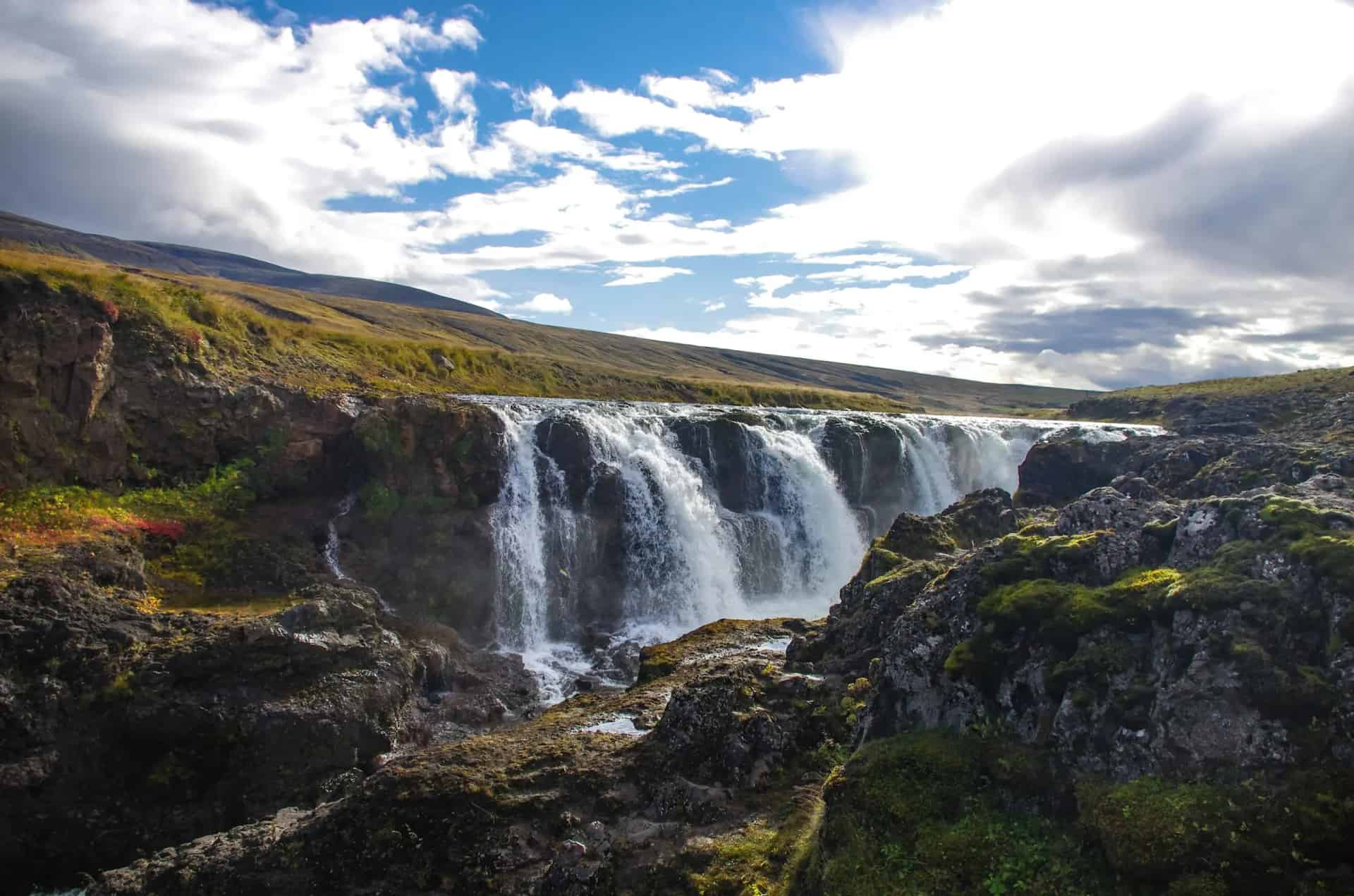
After cities and movement, Jeju feels quieter, more open and less structured. Waterfalls, landscapes and scenic drives replace crowded streets.
It is not just another destination. It changes how your trip feels. Here's you full guide to Jeju island.
Optional Stop: Gyeongju
If you have around 8 days, adding Gyeongju between Seoul and Busan is a smart decision.
Often called a “museum without walls,” it offers a slower and more cultural experience, especially if you prefer history and less crowded spaces.
What Most Travelers Get Wrong
Most itinerary mistakes are not about where to go, but how much to do.
Trying to cover too many cities, ignoring travel time and overplanning each day are the most common issues. South Korea may be efficient, but that does not mean it should be rushed.
Planning Your Days the Right Way
A simple shift in how you plan can change your entire trip.
Instead of focusing on individual attractions, think in terms of areas. Group nearby places together, stay close to transport and avoid switching hotels too often.
This reduces travel time, lowers stress and improves your overall experience.
How Your Itinerary Affects Your Budget
Your itinerary is one of the biggest factors in your total cost.
The more you move between cities, the more you spend on transport. Faster travel options increase costs and poor planning often leads to unnecessary expenses.
If you want a complete breakdown of expenses, you can explore the full South Korea travel cost guide.
Is This Itinerary Right for You?
This plan works best if you are visiting South Korea for the first time and want a balanced mix of experiences without feeling rushed.
For a complete overview of planning your trip, read the full South Korea travel guide.
Explore South Korea Tour Packages
Planning routes, transport and stays across multiple cities can feel simple at first, but quickly becomes complex once you start putting everything together.
If the planning process feels overwhelming, you can explore South Korea tour packages by Desh Videsh Travels for a smoother, well-organized experience.