Planning transport in South Korea can feel confusing at first, especially when you are choosing between cards, apps, trains and local systems.
The good news is that once you understand a few key things, getting around becomes simple and efficient.
This South Korea transport guide breaks down what to use, when to use it, and how to travel smoothly between cities and within them.
South Korea Transport Guide (Quick Overview)
Travel Need | Best Option |
| City travel | Subway + T-Money card |
| Budget travel | Seoul Climate Card |
| Intercity travel | KTX or SRT |
| Navigation apps | Naver Map / Kakao Map |
| Taxi booking | UT (Uber app in Korea) |
How to Choose the Right Transport Option
- City travel: Subway + T-Money
- Frequent travel in Seoul: Climate Card
- Between cities: KTX or SRT
- Late night: Taxi or night buses
Choosing the right option depends on how often you move and where you are traveling.
How to Travel in South Korea Without Getting Confused
If you are planning your first trip to South Korea, transport is usually one of the biggest concerns.
Which card should you use?
Do apps actually work?
Is it easy to travel between cities like Seoul and Busan?
At first, it can feel complicated.
But once you understand a few key things, South Korea becomes one of the easiest countries to navigate.
The subway system is fast and well-connected. High-speed trains make intercity travel smooth. Even taxis and apps work efficiently once you know what to use.
This guide simplifies everything from choosing between T-Money and the Climate Card to understanding which navigation apps work in 2026. So you can travel confidently without wasting time figuring things out during your trip.
How to Use Public Transport in South Korea for Tourists
Public transport in South Korea is built around three main systems that work seamlessly together.
Subway (Best for Daily Travel)
The subway is the easiest and most reliable way to get around cities like Seoul and Busan.
- English signage is widely available
- Routes are clearly structured
- Most tourist attractions are well-connected
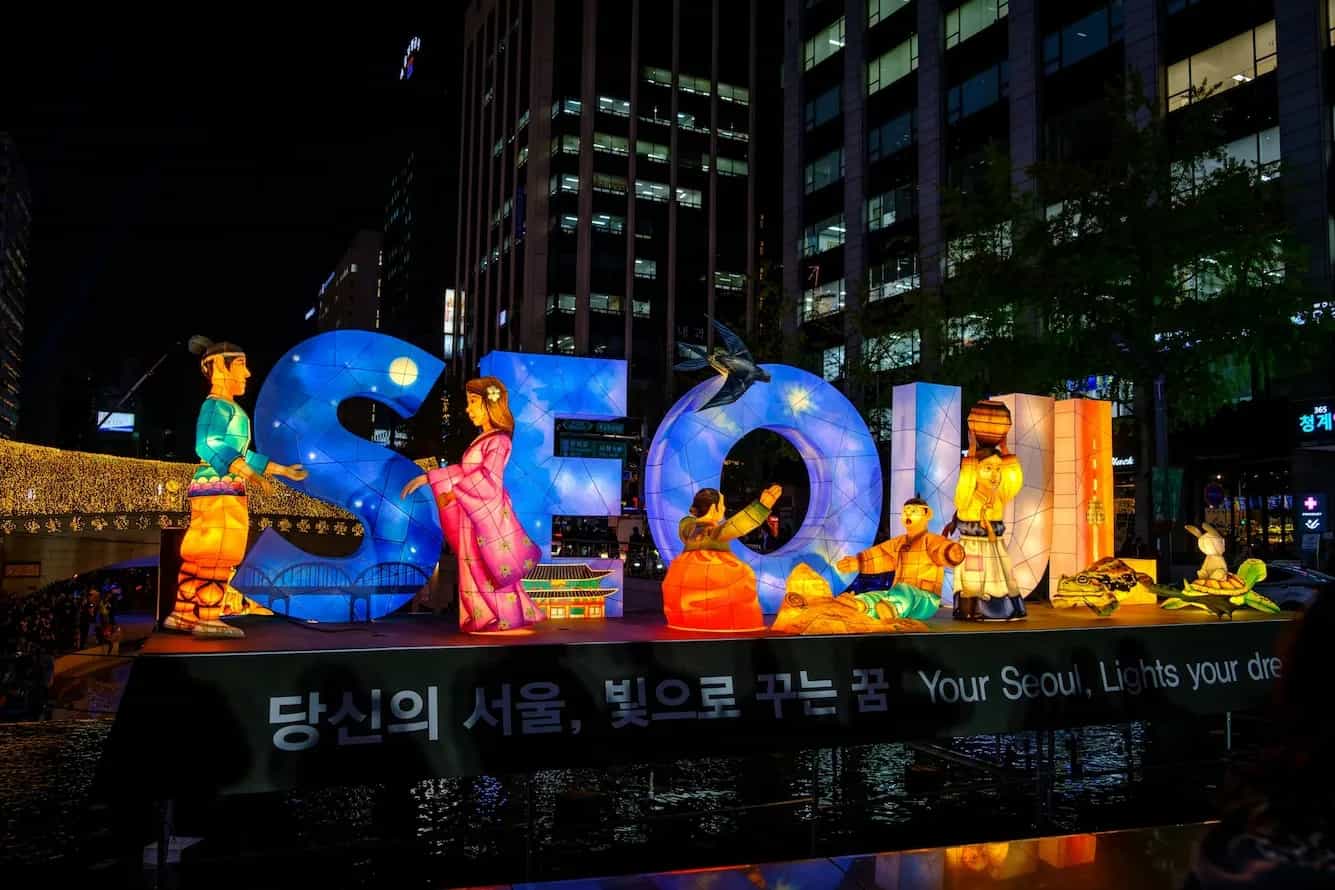
For most travelers, this becomes the primary mode of transport. For a deeper understanding of how to explore the capital efficiently, you can refer to this detailed Seoul travel guide.
Buses (Efficient Once You Understand Them)
Buses cover areas that subways do not reach and are an important part of the system.
Routes are color-coded based on distance and type, which can feel confusing at first. Stops may not always have clear English announcements, making navigation apps essential.
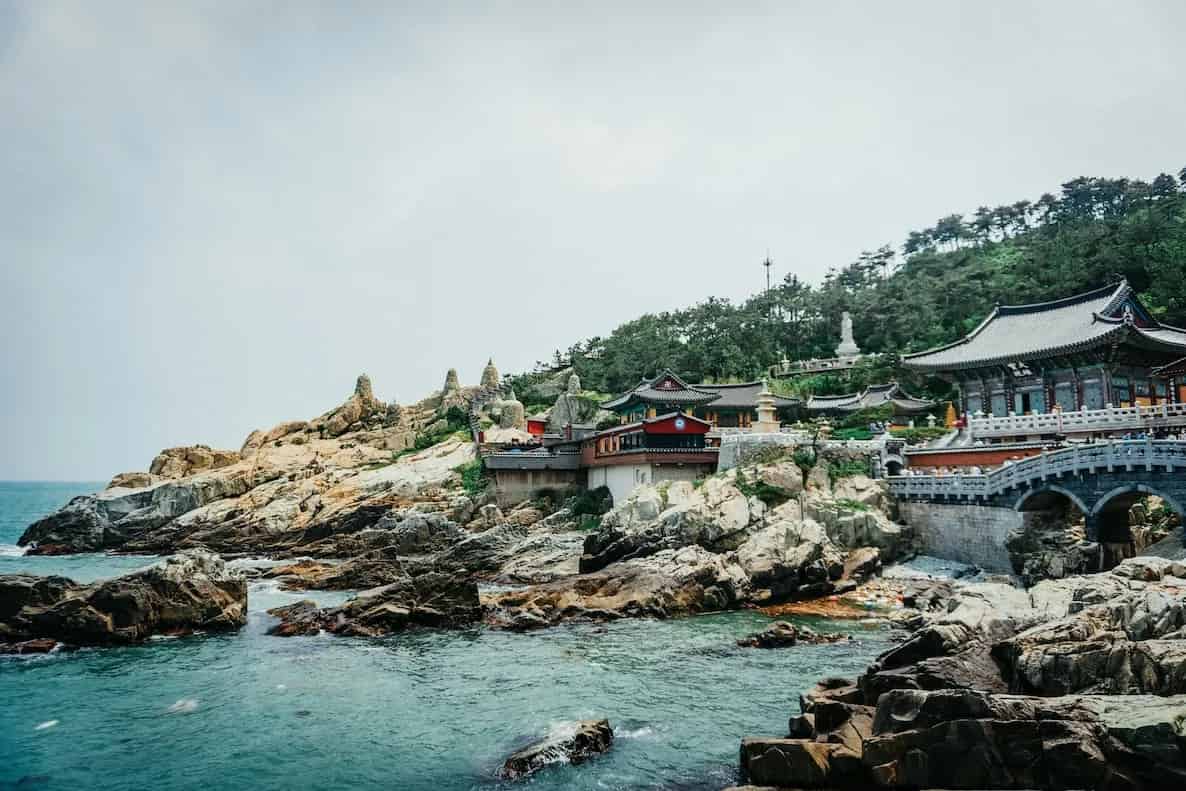
Once you start using apps like Naver Map, buses become much easier to understand and are often the best way to reach less connected areas. If your trip includes coastal destinations, this detailed Busan travel guide will help you plan how to move around the city with ease.
Taxis (Comfortable and Easy to Use)
Taxis are widely available and relatively affordable compared to many countries.
They are ideal for short distances, airport transfers or late-night travel. Since drivers may not always speak English, using an app helps simplify communication.
The UT app (Uber in South Korea) works smoothly and is the easiest option for most international travelers.
Does Google Maps Work in South Korea?
This is one of the most important updates for travelers.
As of 2026, Google Maps is partially usable in South Korea, especially for walking routes and general navigation. However, it still has limitations when it comes to real-time transport data.
For accurate directions, especially for buses and subway routes, local apps are still more reliable.
Best apps to use:
- Naver Map
- Kakao Map
A practical approach is to use Google Maps for basic orientation and Naver or Kakao for detailed navigation.
T-Money vs Seoul Climate Card: Which is Better for Tourists?
Choosing the right transport card can make a noticeable difference in both convenience and cost.
T-Money Card
- Pay-per-ride system
- Works on subways, buses, taxis and convenience stores
- Easy to recharge anywhere
Best for travelers who take fewer rides or prefer flexibility.
Seoul Climate Card
- Unlimited rides within Seoul
- Around ₩20,000 for 7 days
Best for travelers using public transport frequently, especially 5 or more times a day.
Which One Should You Choose?
If your itinerary involves moving around a lot within the city, the Climate Card can significantly reduce your daily transport cost.
For more relaxed travel or mixed transport usage, T-Money remains the more flexible option.
KTX vs SRT: Best Way to Travel from Seoul to Busan
For traveling between cities, South Korea’s high-speed trains are the best option.
KTX (Korea Train Express)
- Travel time: around 2.5 to 3 hours
- Cost: ₩50,000 to ₩70,000
- Fast, reliable and comfortable
SRT (Super Rapid Train)
- Slightly cheaper than KTX
- Often better seat availability
2026 Update
Booking systems for KTX and SRT are gradually becoming more integrated, making it easier for travelers to compare schedules and book tickets.
Both options are excellent and your choice usually depends on timing and availability.
How to Travel to Jeju Island from Seoul: Flights vs Ferry
Jeju Island is not connected by train, so travel options are limited.
Flights (Recommended)
Flights are the fastest and most convenient option, taking about one hour from Seoul. They are frequent and often affordable.
Ferry (Less Practical)
Ferries are available but take significantly longer and are not commonly used by most travelers.
Flights are the preferred choice for convenience and time-saving.
Airport Transfer Guide: AREX Express and Other Options
After arriving at Incheon Airport, most travelers head to Seoul using the AREX train.
The AREX Express is the fastest option, taking you directly to Seoul Station without intermediate stops. It is ideal if you want a quick and comfortable transfer after a long flight.
The all-stop train is a cheaper alternative but takes longer due to multiple stops.
If you are arriving late at night or traveling with heavy luggage, taxis or airport buses can also be convenient options.
Night Travel in South Korea: Late-Night Transport Options Explained
South Korea remains well-connected even at night, especially in cities like Seoul.
Night buses, also known as N-Buses, operate on key routes and are useful if you miss the last subway.
Taxis are also easy to find and using the UT app makes booking simple even without language barriers. This ensures that late-night travel remains safe and manageable.
Transport Costs in South Korea for Tourists
Transport in South Korea is efficient and reasonably priced.
- Subway: ₩1,300 to ₩2,000
- Bus: ₩1,200 to ₩2,000
- Taxi starting fare: around ₩3,800
Costs vary slightly by city, but overall, getting around is affordable.
Easiest Cities to Travel Using Public Transport in South Korea
Some cities are easier to navigate than others, especially for first-time travelers.
Seoul offers the most advanced and extensive public transport network, making it very easy to explore.
Busan has a simpler metro system that is easy to understand and covers major areas.
Jeju Island relies more on taxis and buses, making it slightly less convenient without planning.
Essential Transport Tips for First-Time Travelers in South Korea
- Get a T-Money card on your first day
- Use subway as your primary mode of transport in cities
- Use Naver Map or Kakao Map for accurate directions
- Take KTX for intercity travel
- Avoid peak hours when possible
- Save destinations in apps for easier navigation
Keeping your transport setup simple and clear makes your trip much smoother and more enjoyable.x
Final Thoughts: Making Travel in South Korea Simple and Stress-Free
Transport in South Korea might seem complex at first, but it quickly becomes one of the easiest parts of your journey.
Once you understand how the system works, everything becomes smooth and predictable.
To plan your trip better, you can also explore our South Korea itinerary, check the South Korea trip cost breakdown or read our detailed South Korea food guide.
You can also explore our South Korea tour packages to make your travel completely seamless.