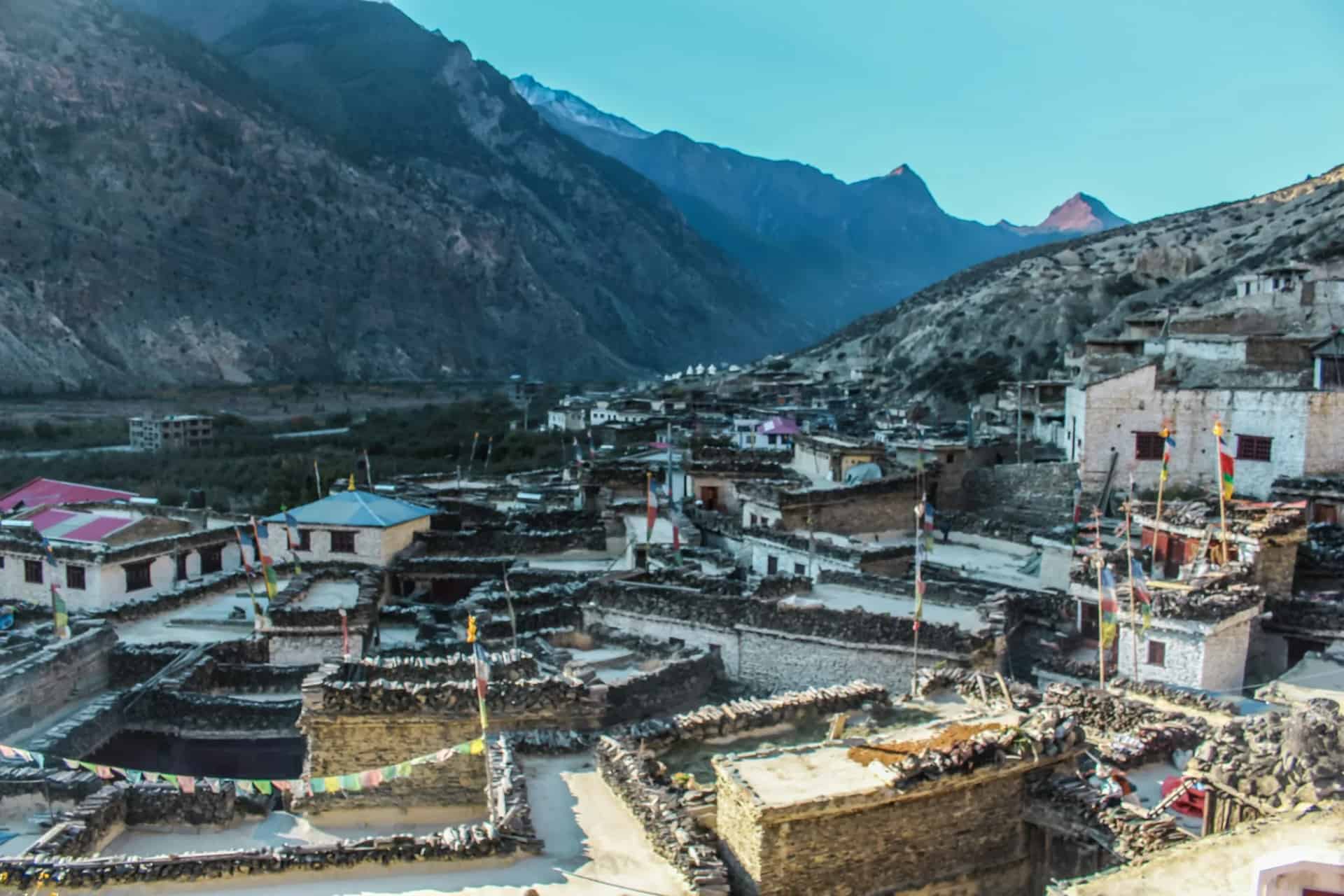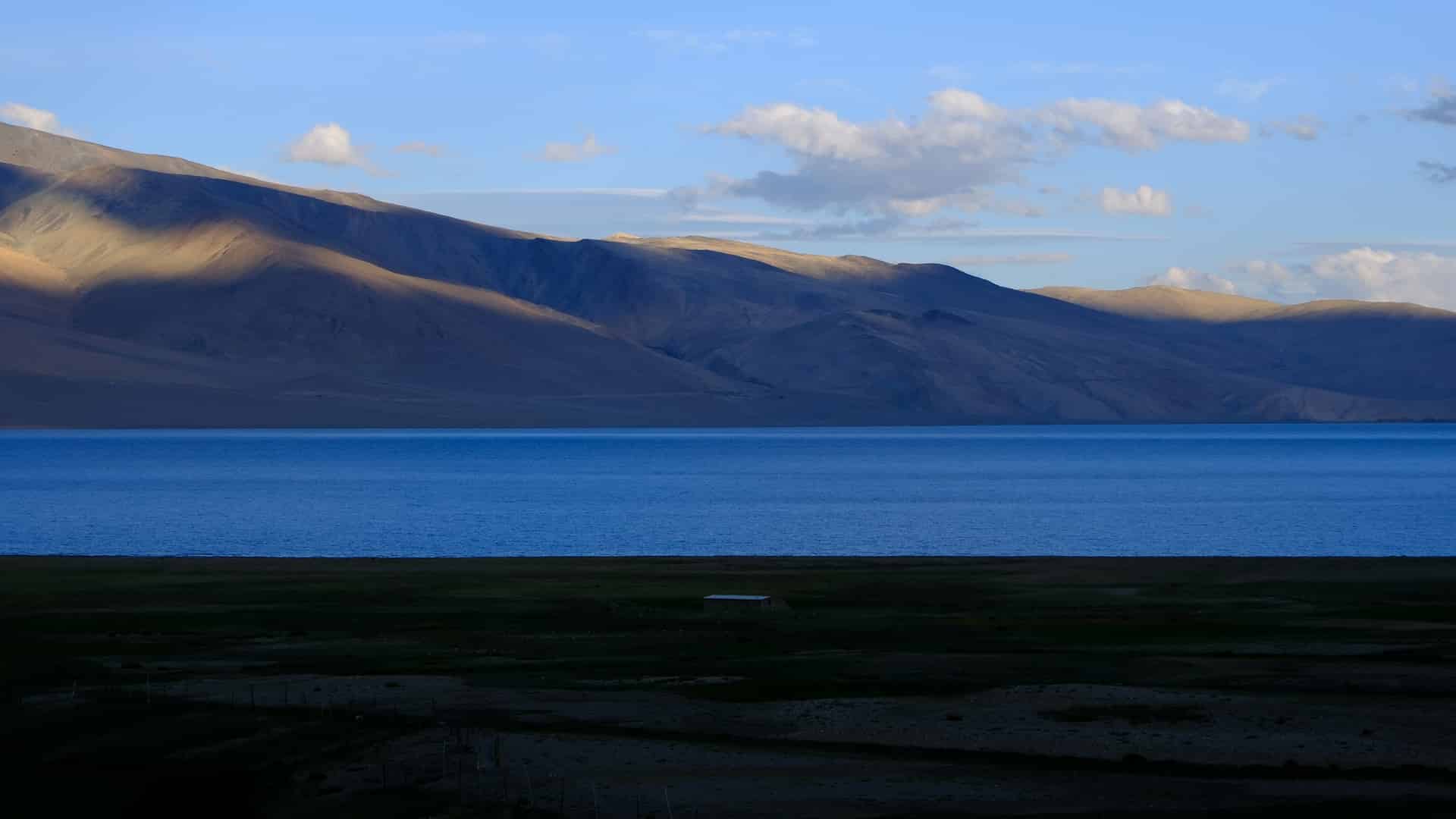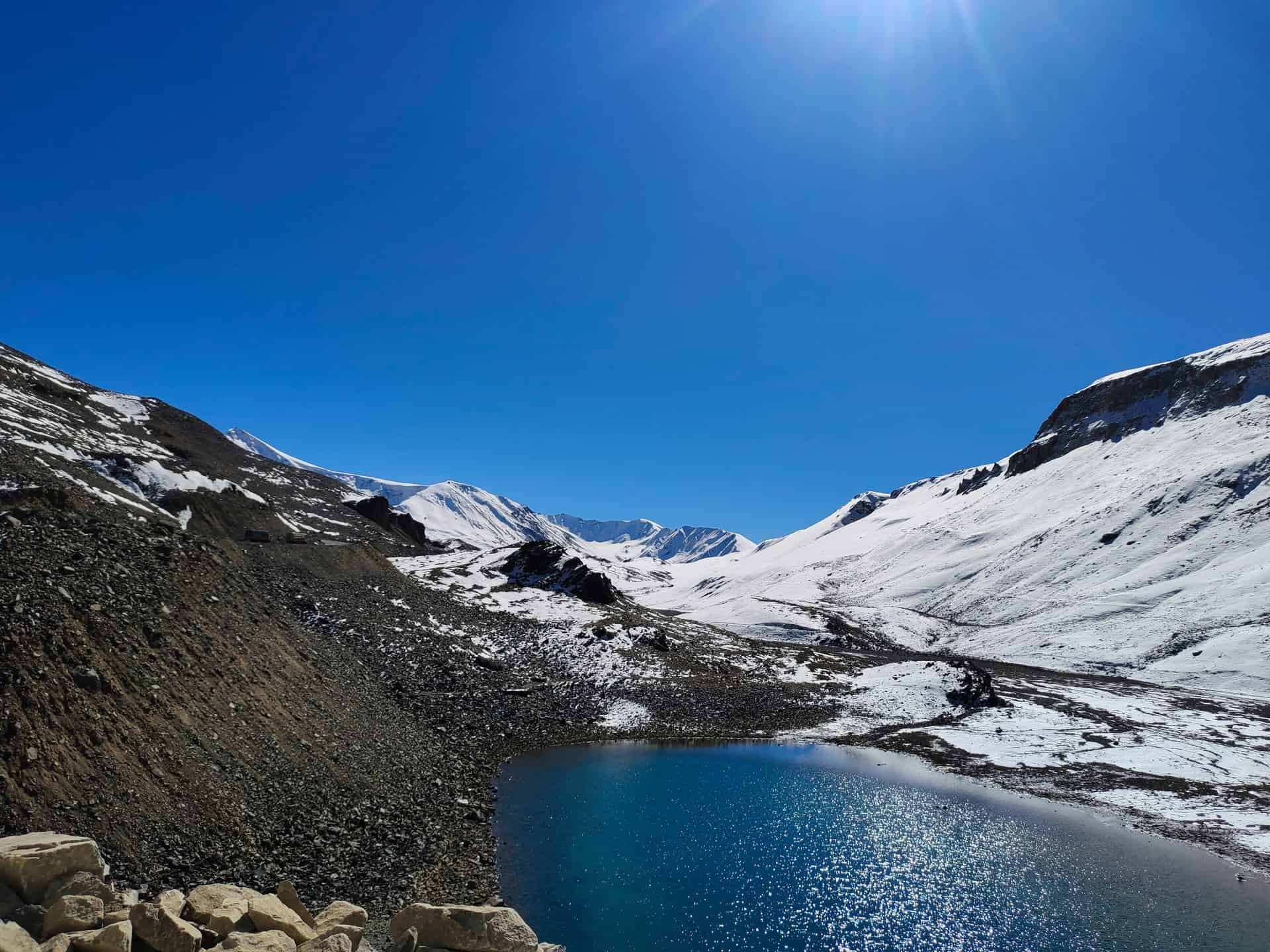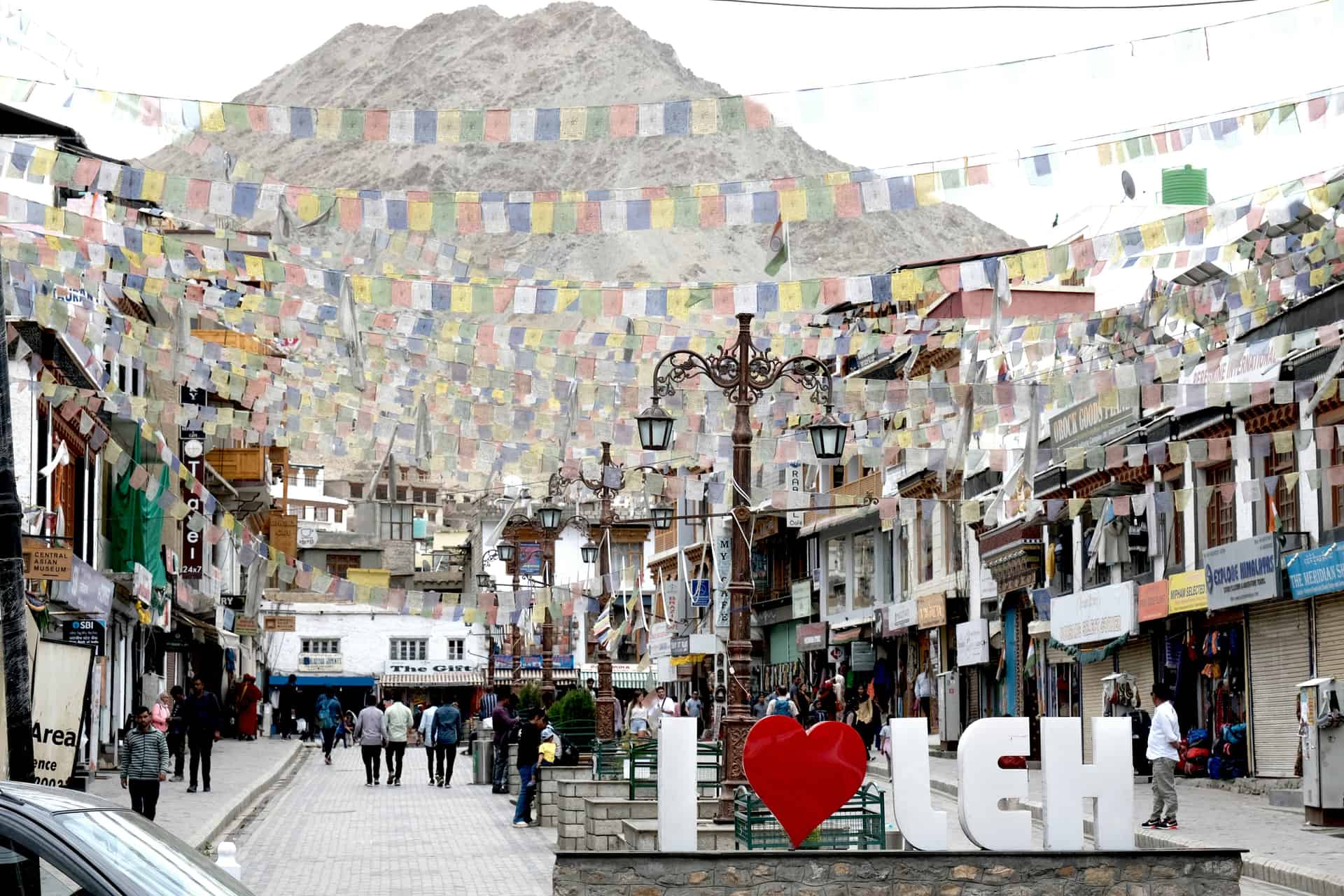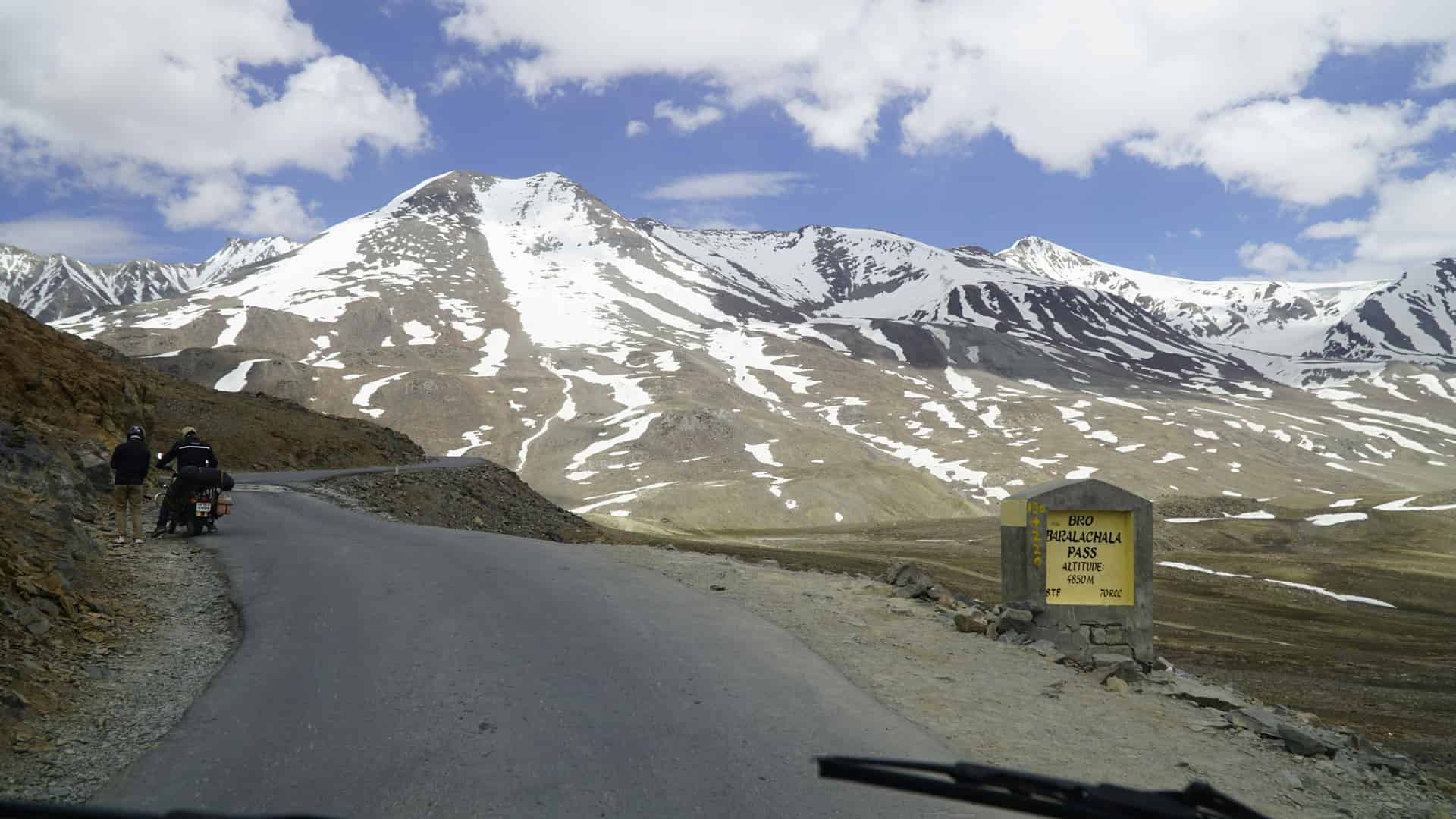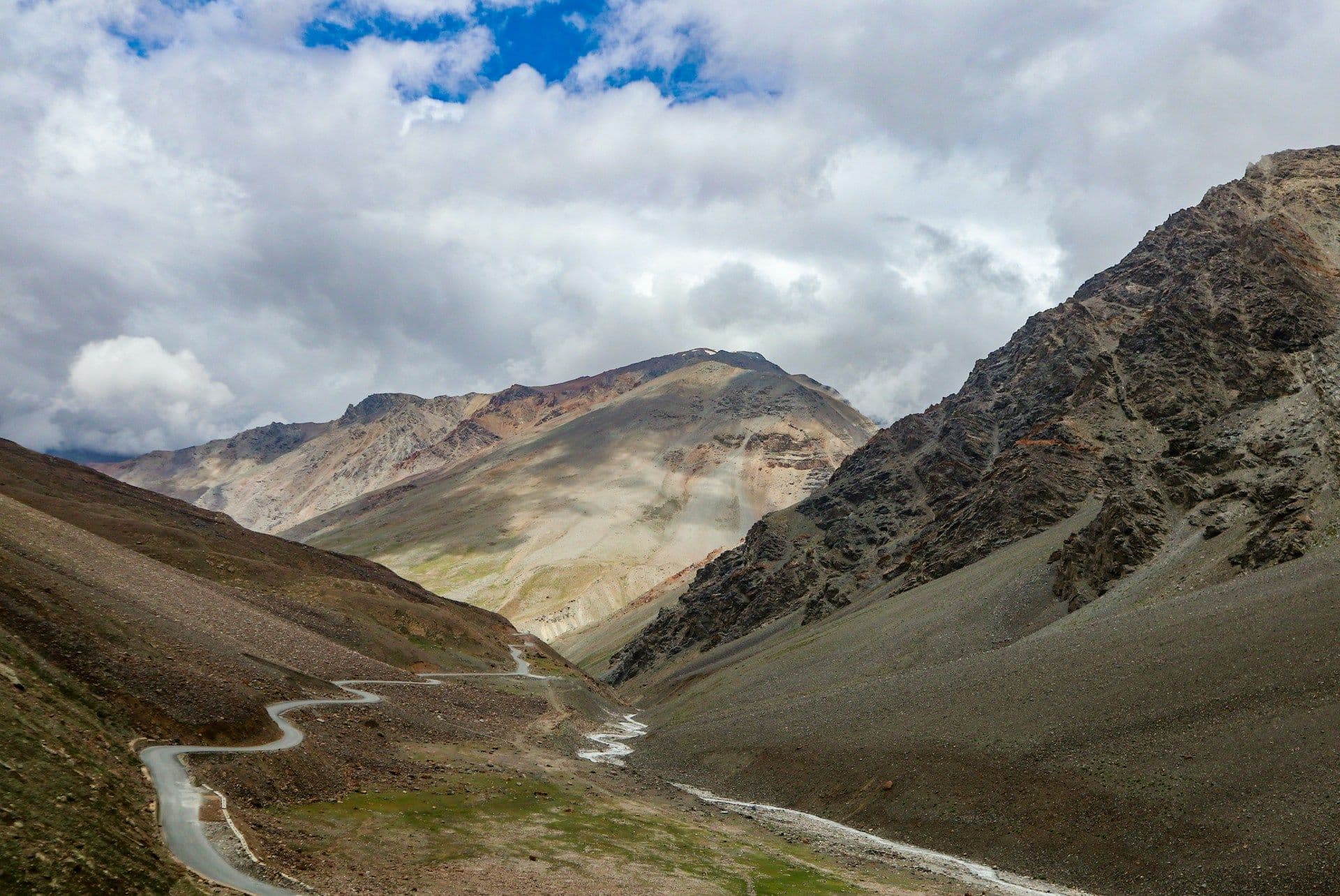
A Spiti Valley road trip takes you through winding Himalayan roads, remote mountain villages, dramatic mountain landscapes and some of the most challenging driving stretches in Himachal Pradesh. From the green valleys of Kinnaur to the rugged terrain around Kunzum Pass, the journey offers much more than simply reaching a destination.
However, driving through Spiti requires more than choosing a route. You need to consider road conditions, vehicle suitability, fuel availability, seasonal access and the challenges of travelling at high altitude.
There are two main road approaches to Spiti Valley: the Shimla–Kinnaur route and the Manali–Kunzum Pass route. You can also combine both to complete the popular Spiti circuit when road conditions permit.
Which Routes Can You Take for a Spiti Valley Road Trip?
There are two main approaches to Spiti Valley, each offering a different driving experience. The Shimla route is generally preferred for a more gradual ascent, while the Manali route takes you through higher-altitude terrain and more challenging road sections.
1. Shimla–Kinnaur–Spiti Route
Route: Shimla → Narkanda → Rampur → Reckong Peo → Kalpa → Nako → Tabo → Kaza
This route follows the Sutlej Valley through Kinnaur before entering Spiti. It is generally the more practical approach for first-time visitors and travellers who want to explore places such as Kalpa and Nako along the way.
2. Manali–Atal Tunnel–Kunzum Pass Route
Route: Manali → Atal Tunnel → Sissu → Gramphu → Chhatru → Batal → Kunzum Pass → Losar → Kaza
This route approaches Spiti through Lahaul and crosses Kunzum Pass at approximately 4,551 metres (14,931 feet). The Gramphu–Chhatru–Batal stretch is particularly challenging because of rough surfaces, loose rocks and seasonal water crossings.
The route is seasonal, with access depending on snow clearance and weather conditions around Kunzum Pass. The Atal Tunnel does not make the entire Manali–Kaza road accessible throughout the year.
3. Complete Spiti Valley Road Trip Circuit
Route: Delhi → Shimla → Kinnaur → Nako → Tabo → Kaza → Losar → Kunzum Pass → Batal → Manali → Delhi
When both approaches are open, you can enter Spiti through Shimla and Kinnaur and exit towards Manali. This allows you to experience both sides of the region without retracing the same road.
If Kunzum Pass or the Manali–Kaza road is closed, you may need to return through the Shimla–Kinnaur route.
Important elevations along the journey:
Location | Approximate elevation |
| Tabo | 3,280 m / 10,760 ft |
| Kaza | 3,800 m / 12,470 ft |
| Kunzum Pass | 4,551 m / 14,931 ft |
These elevations highlight why gradual acclimatisation and sensible driving schedules are important during a Spiti road trip.
For a detailed day-wise travel plan and suggested stops, refer to our Spiti Valley itinerary.
Shimla Route vs Manali Route: Which Is Better for a Spiti Valley Road Trip?
The Shimla–Kinnaur route is generally more suitable for first-time visitors because it offers a more gradual approach towards Spiti's high-altitude region. The Manali route is more challenging and depends on seasonal access through Kunzum Pass.
Comparison | Shimla–Kinnaur Route | Manali–Kunzum Route |
| Road character | Mountain roads with paved and damaged sections | Rough, unpaved and uneven sections |
| Altitude gain | Generally more gradual | More demanding high-altitude approach |
| Major challenges | Landslides, falling rocks and narrow roads | Gramphu–Batal terrain, water crossings and snowfall |
| Seasonal access | Generally the more dependable approach, subject to closures | Seasonal, dependent on Kunzum Pass access |
| Best suited for | First-time visitors and gradual entry | Experienced mountain drivers when open |
Which route should you choose?
- First Spiti road trip: Choose the Shimla–Kinnaur route for a more gradual approach.
- Want to explore Kinnaur: Take the Shimla route through Kalpa and Nako.
- Experienced mountain driver: Consider the Manali route when it is officially accessible.
- Want to complete the full circuit: Enter through Shimla and exit via Manali when both routes are open.
- Travelling when Kunzum Pass is closed: Use the Shimla–Kinnaur approach, subject to current road access.
Your travel plans, vehicle condition and driving experience should determine the route. Do not choose the Manali approach simply because it appears shorter on a map.
Spiti Valley Road Conditions: Difficult Stretches You Should Know About
Spiti Valley has a mix of paved mountain roads, narrow sections, damaged surfaces and rough high-altitude tracks. While much of the route is motorable, certain stretches require careful driving, good ground clearance and awareness of changing road conditions.
Here are the key sections to watch out for during your road trip.
1. Shimla to Reckong Peo
The route passes through Narkanda and Rampur into Kinnaur. Expect sharp bends, narrow roads and occasional damaged sections. Landslides, falling rocks and roadwork can cause delays, particularly after heavy rainfall.
2. Reckong Peo to Nako
This stretch includes steep mountain roads, exposed sections and occasional rough patches. Landslides and road repairs can affect travel time, so avoid planning a tight driving schedule.
3. Nako to Tabo and Kaza
The road passes through remote sections of Spiti, with a mix of established roads and damaged patches. Kaza sits at approximately 3,800 metres (12,470 feet), so allow time to rest and acclimatise after reaching town.
4. Kaza to Losar and Kunzum Pass
The road becomes increasingly challenging towards Losar and Kunzum Pass, which stands at approximately 4,551 metres (14,931 feet). Snow, ice and changing weather can affect accessibility. Confirm the latest local road status before continuing towards Batal and Manali.
5. Gramphu to Chhatru and Batal
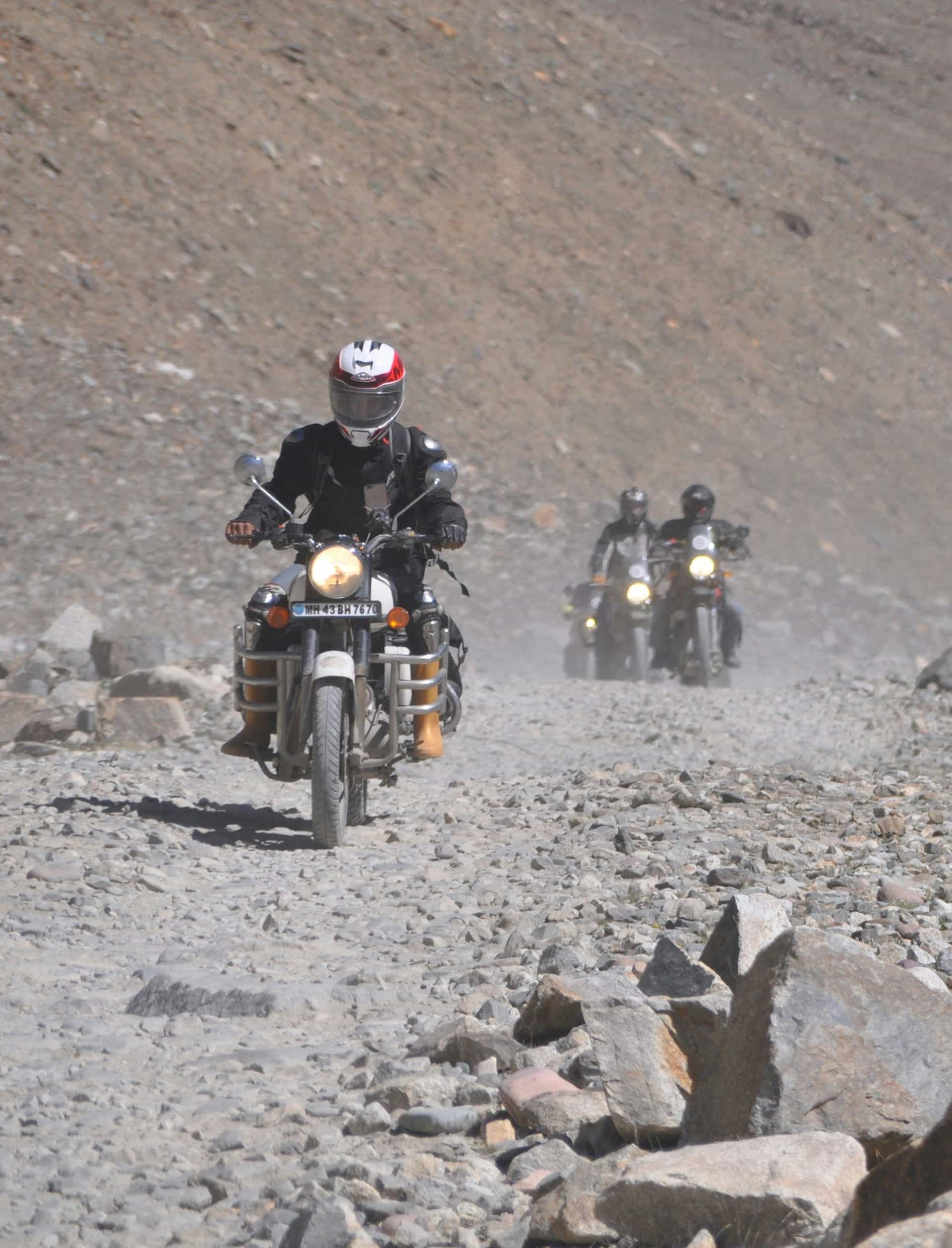
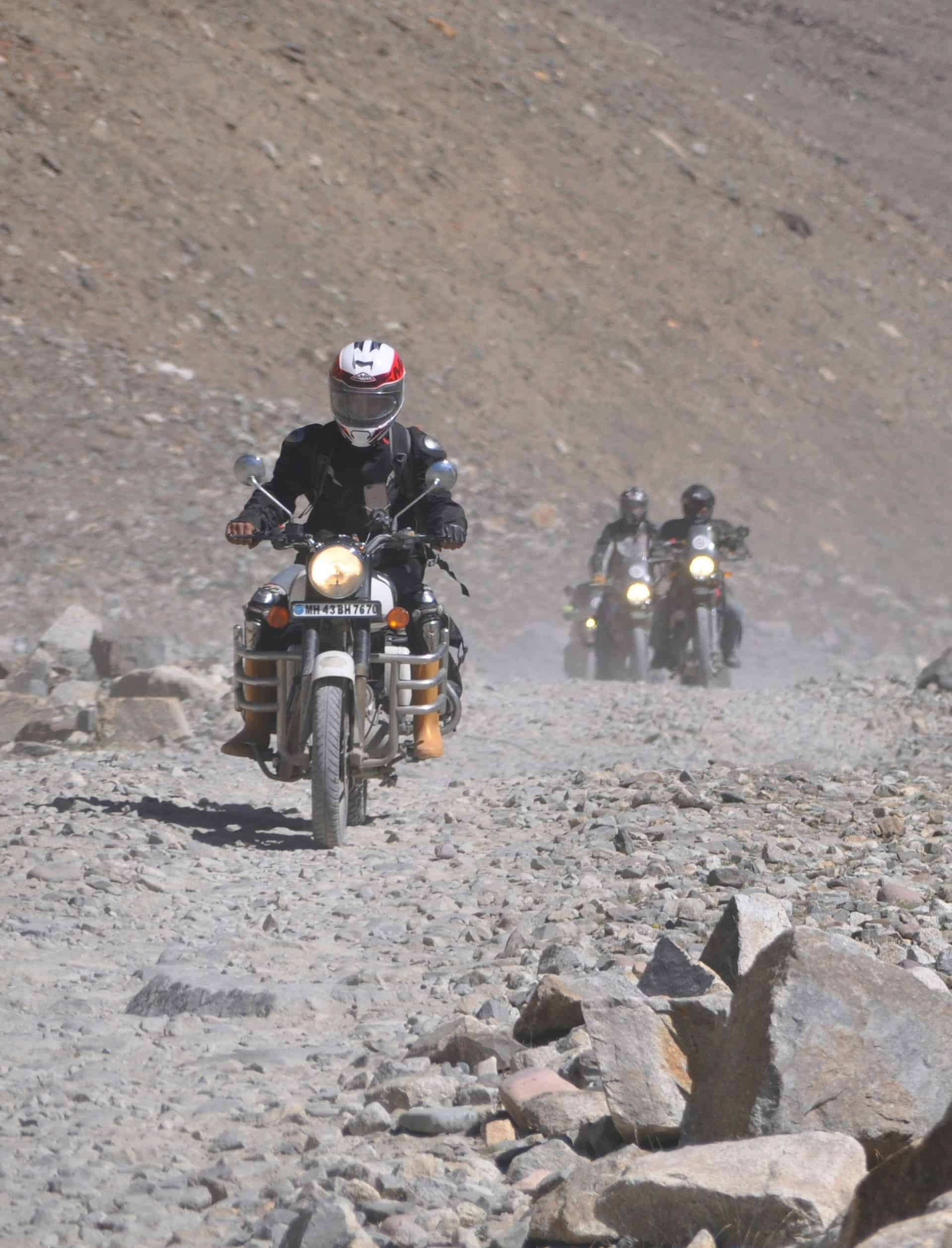
The approximately 47 km stretch between Gramphu and Batal is among the roughest sections of the Manali–Spiti route. Expect uneven unpaved roads, loose stones, rocky surfaces and seasonal water crossings.
The route passes through Chhatru before reaching Batal, near the familiar Chacha Chachi Dhaba when operating. Good ground clearance and mountain-driving experience are important, but avoid attempting water crossings when the depth or current is uncertain.
Road conditions in Spiti can change quickly due to weather, landslides and water crossings. Check local updates before starting each major stretch.
Can You Take a Hatchback or Sedan to Spiti Valley?
Yes, you can travel to Spiti Valley in a hatchback or sedan, particularly via the Shimla–Kinnaur route when road conditions are favourable. However, low ground clearance can make rough patches, rocky sections and water crossings difficult.
An SUV with good ground clearance is generally more practical for a Spiti road trip, especially on the challenging Gramphu–Batal stretch. A 4x4 vehicle is useful in certain conditions but is not mandatory for every route.
Before choosing your vehicle, consider its ground clearance, condition, route and your mountain-driving experience. Avoid taking a low-clearance car through difficult stretches simply because other travellers have managed the journey.
Fuel Stations and Refuelling Points on a Spiti Valley Road Trip
Fuel stations are limited along the remote stretches of Spiti Valley, so plan your refuelling stops before entering the region. Reckong Peo, Kaza and Tandi are important fuel points depending on your route.
- Reckong Peo: A useful refuelling stop for travellers approaching Spiti through Shimla and Kinnaur.
- Kaza: The main refuelling point within Spiti Valley. Fill up before exploring nearby villages or heading towards Kunzum Pass.
- Tandi: An important fuel stop on the Manali–Lahaul side of the circuit.
Fuel planning tip: Refuel whenever an opportunity is available, particularly before entering remote stretches. Fuel availability and pump operations can change, so confirm locally before relying on a particular station.
What Can You Experience on a Spiti Valley Road Trip?
A Spiti road trip is not just about navigating mountain roads. The journey takes you through distinctive Himalayan landscapes, traditional settlements, ancient monasteries and high-altitude villages that offer plenty of reasons to stop along the way.
Here are some experiences worth including in your journey.
1. Drive Through the Landscapes of Kinnaur
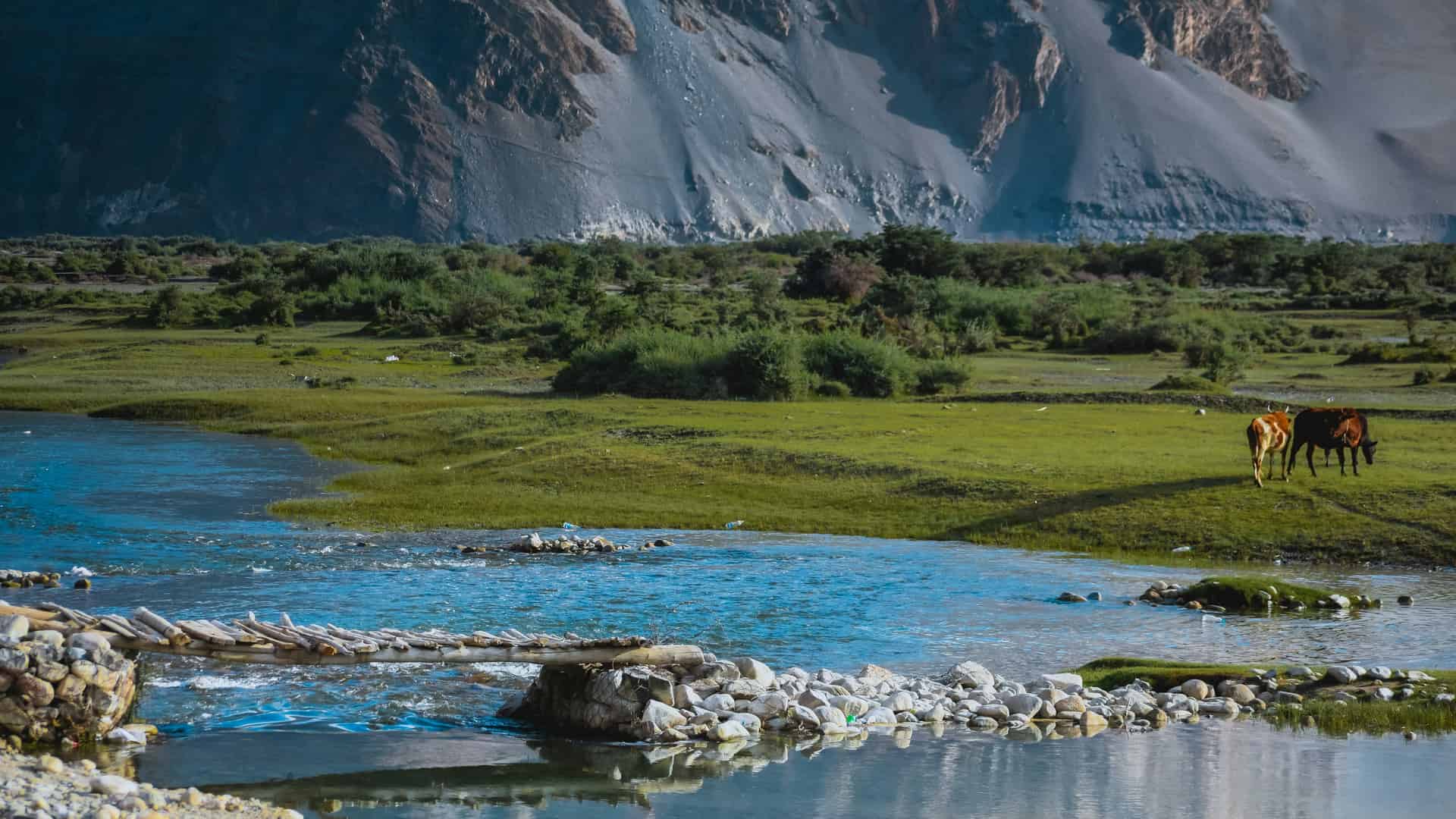
The Shimla–Kinnaur route takes you through the dramatic Sutlej Valley, with mountain roads, river views and changing landscapes. Consider spending time around Kalpa before continuing towards Nako and Spiti.
2. Explore Spiti's Traditional Villages
Once you reach Kaza, take time to explore nearby high-altitude settlements such as Langza, Hikkim and Komic. These villages offer a closer look at local life, traditional architecture and the distinctive landscapes of Spiti.
3. Visit Ancient Monasteries
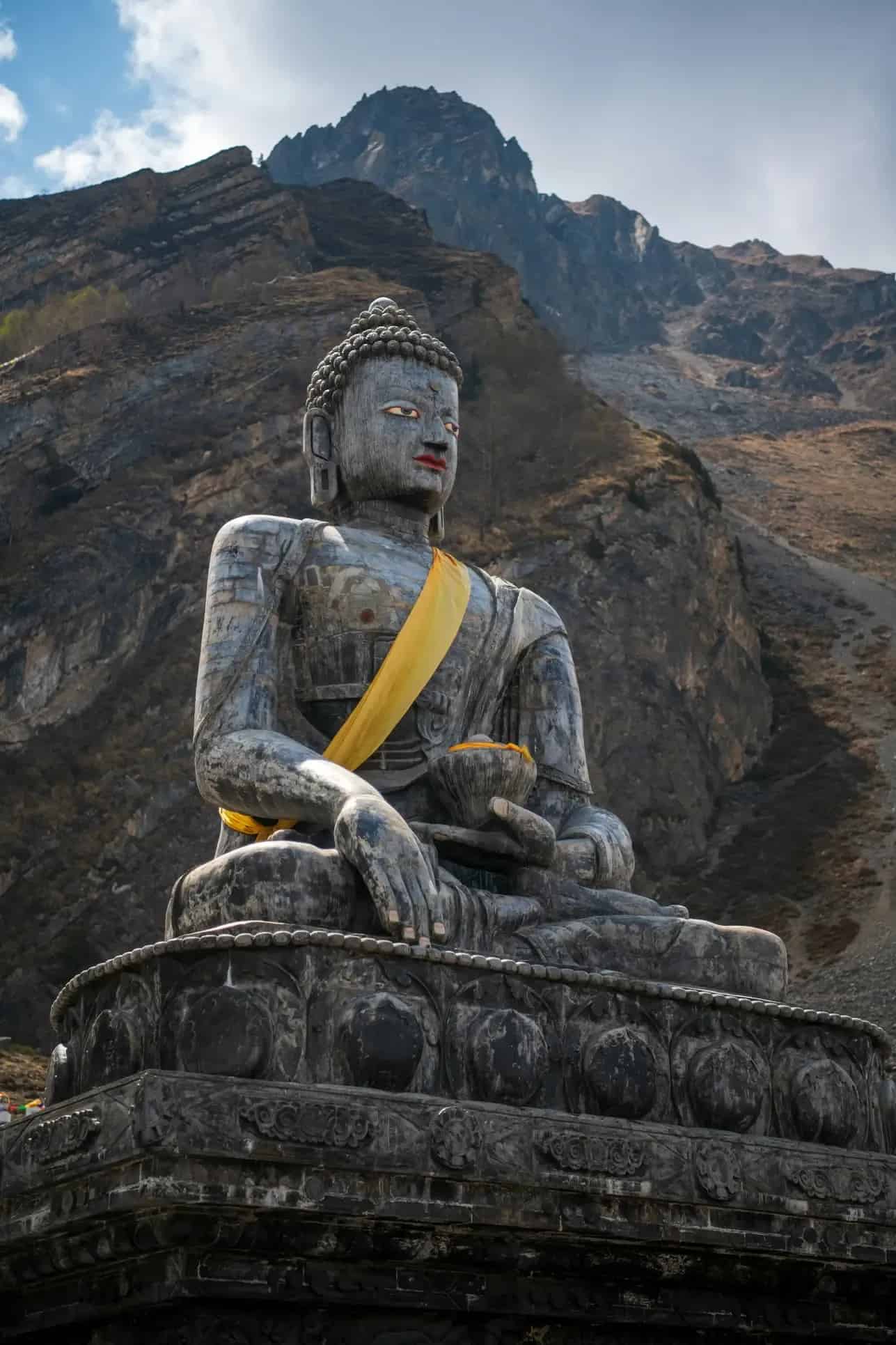
Spiti's monasteries are an important part of its cultural identity. Tabo Monastery and Key Monastery are two notable stops to include in your road trip, offering insight into the region's Buddhist heritage and mountain communities.
4. Experience the High-Altitude Landscapes Around Kunzum Pass
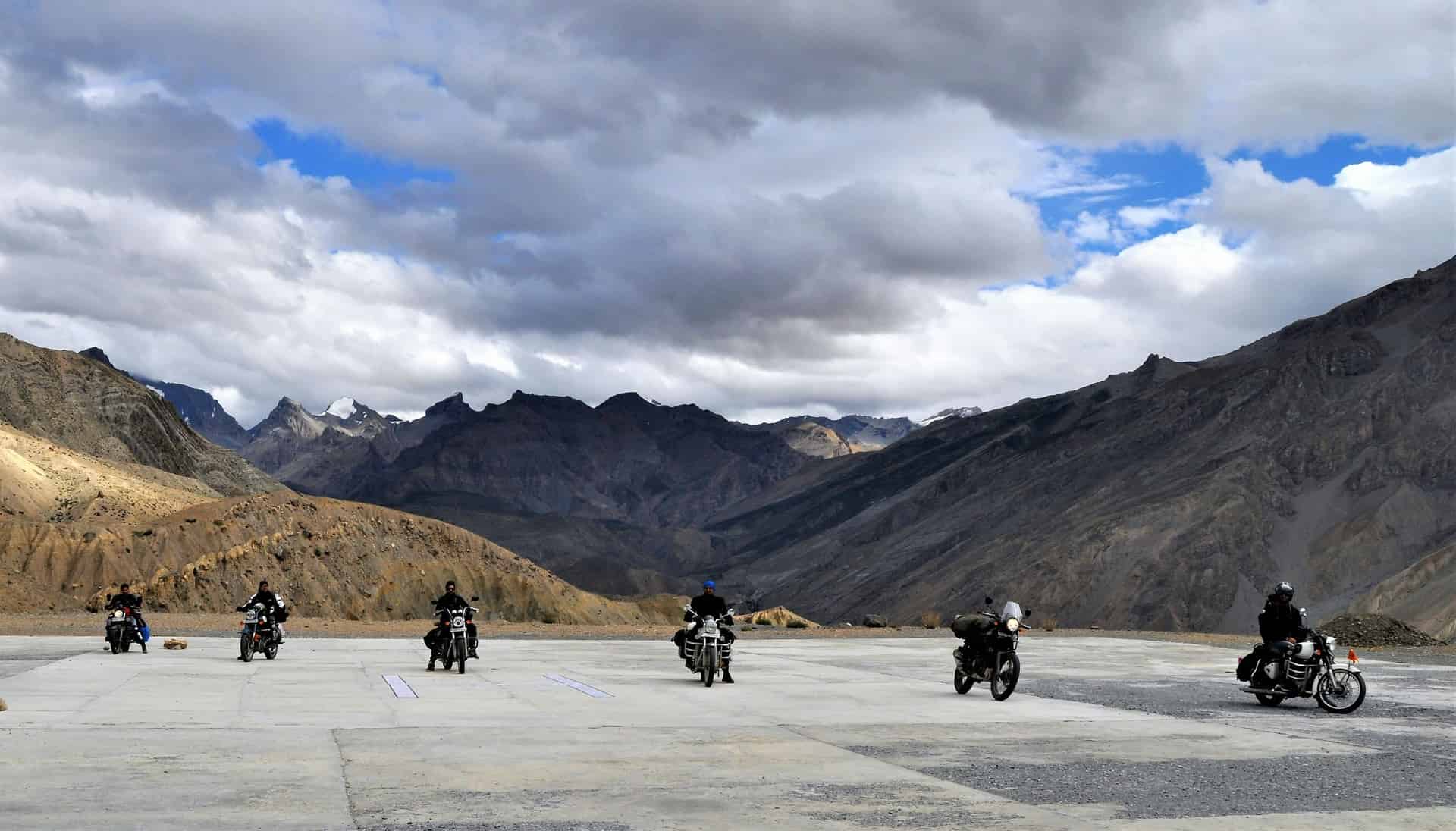
If the route is open, driving across Kunzum Pass is one of the memorable parts of the Manali–Spiti circuit. The high-altitude surroundings, mountain views and changing terrain make this stretch particularly distinctive.
5. Enjoy Spiti's Night Skies
Spiti's remote villages and relatively low levels of artificial light offer opportunities for stargazing on clear nights. Consider spending an evening around Kaza or nearby villages rather than treating every stop as a quick sightseeing break.
You can explore more activities and experiences in our Things to Do in Spiti Valley guide. For a more detailed list of destinations and sightseeing stops, read our Places to Visit in Spiti Valley guide.
Plan Your Spiti Valley Road Trip
A successful Spiti Valley road trip is about choosing the right route, understanding the road conditions and allowing enough time to enjoy the journey. Whether you enter through Shimla and Kinnaur or complete the circuit via Manali and Kunzum Pass, plan according to the season, your vehicle and the latest local road updates.
If you prefer travelling with planned routes, accommodation and local support, explore our Spiti Valley Tour Packages and find an option that suits your travel plans.