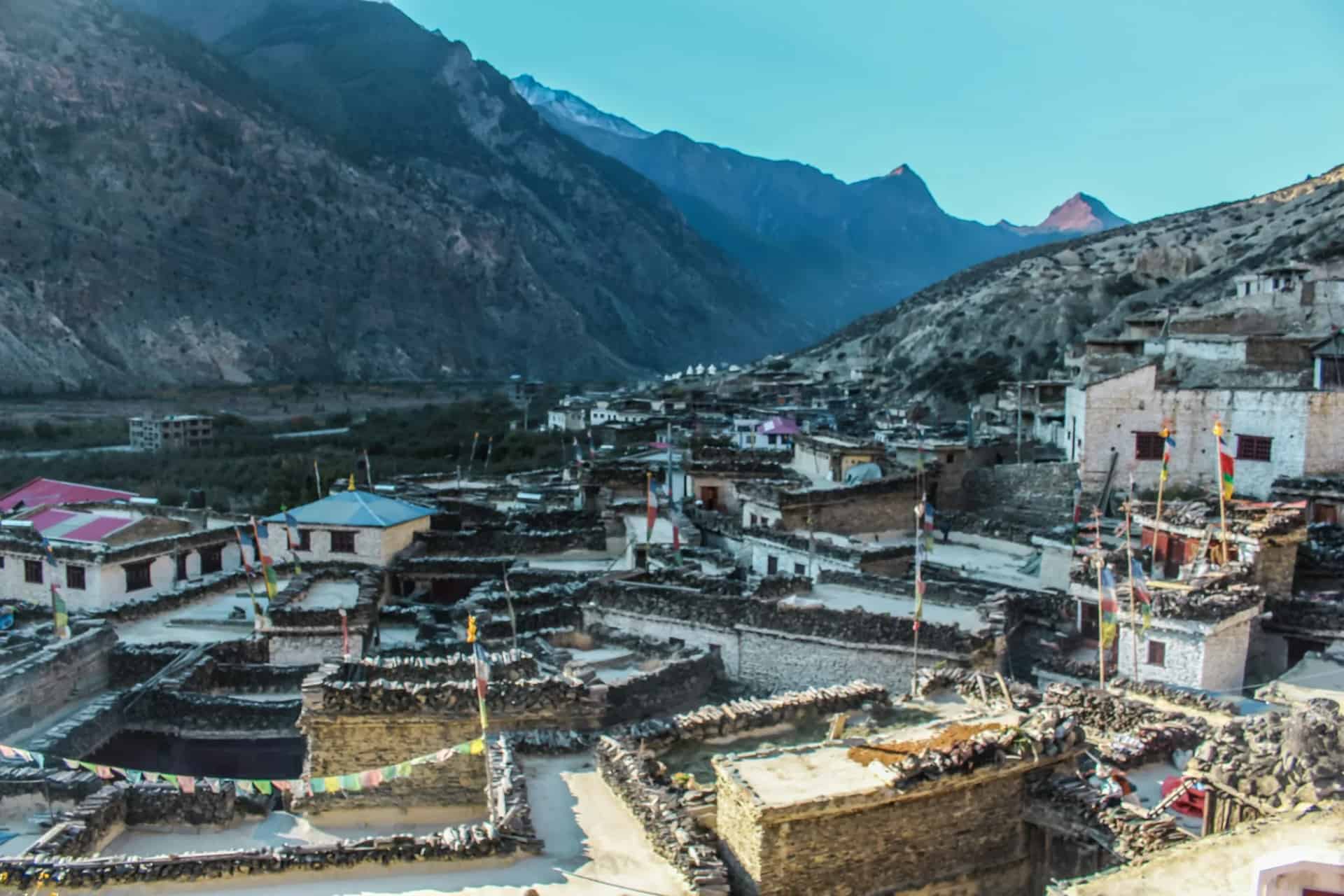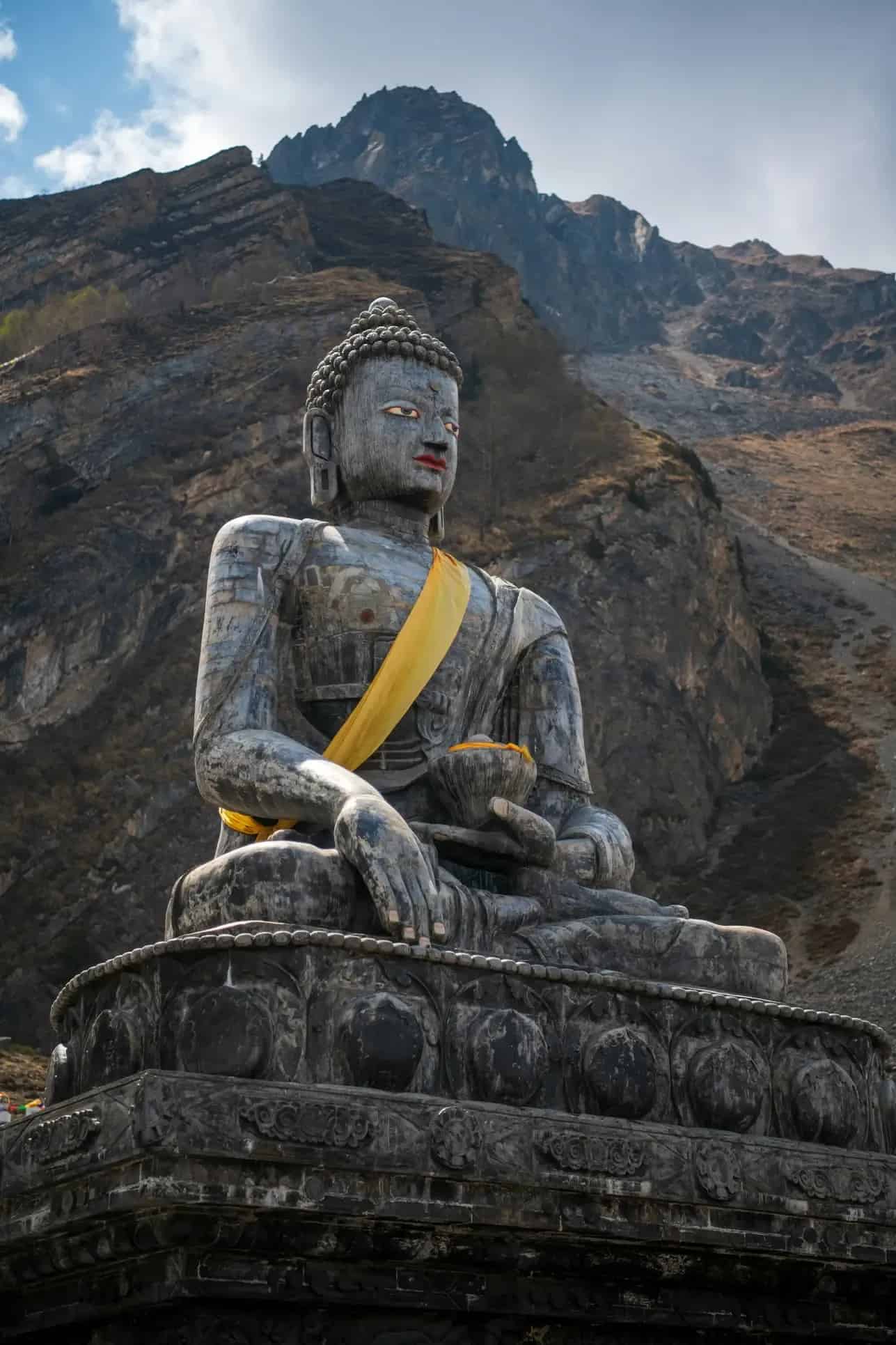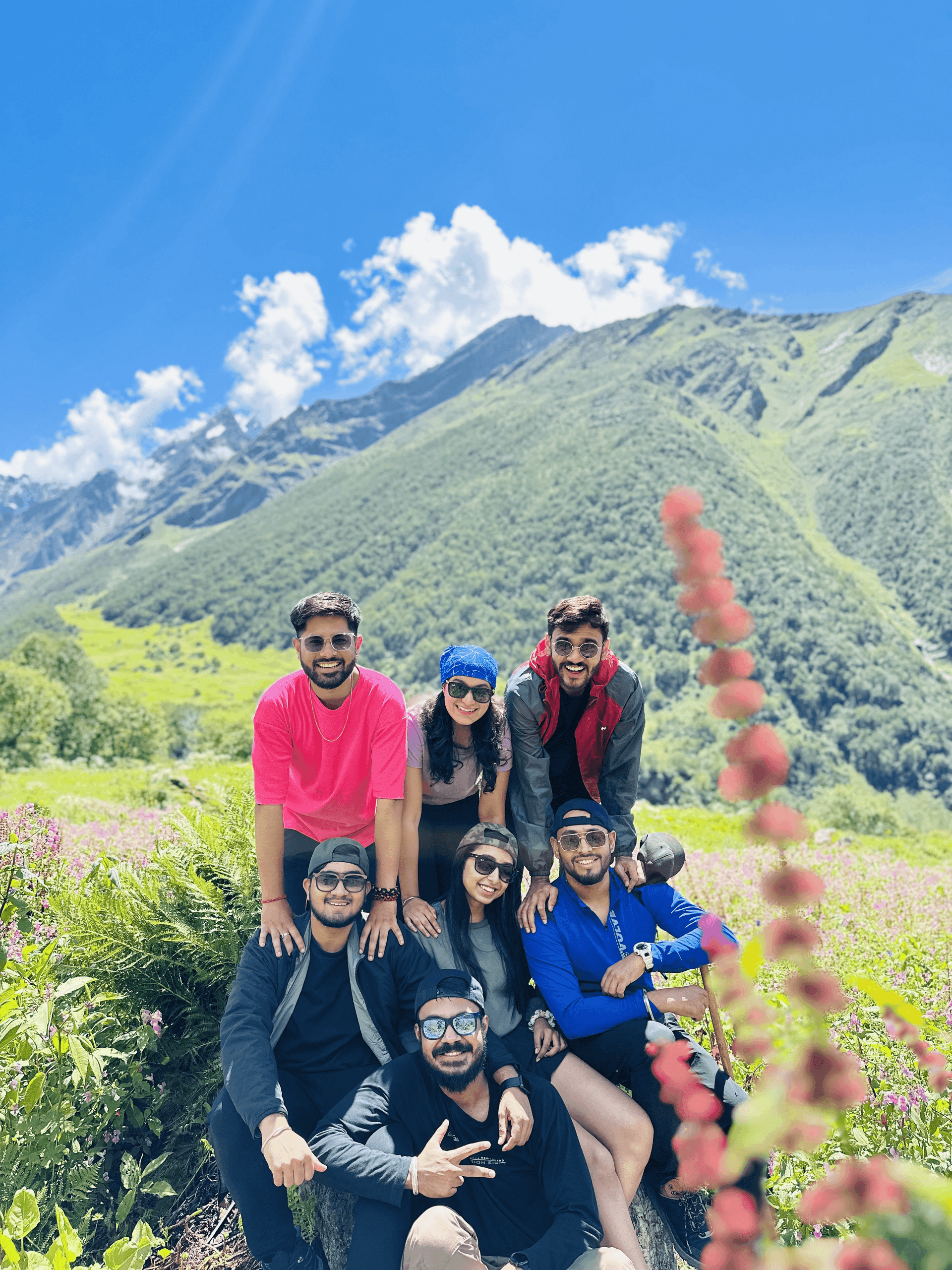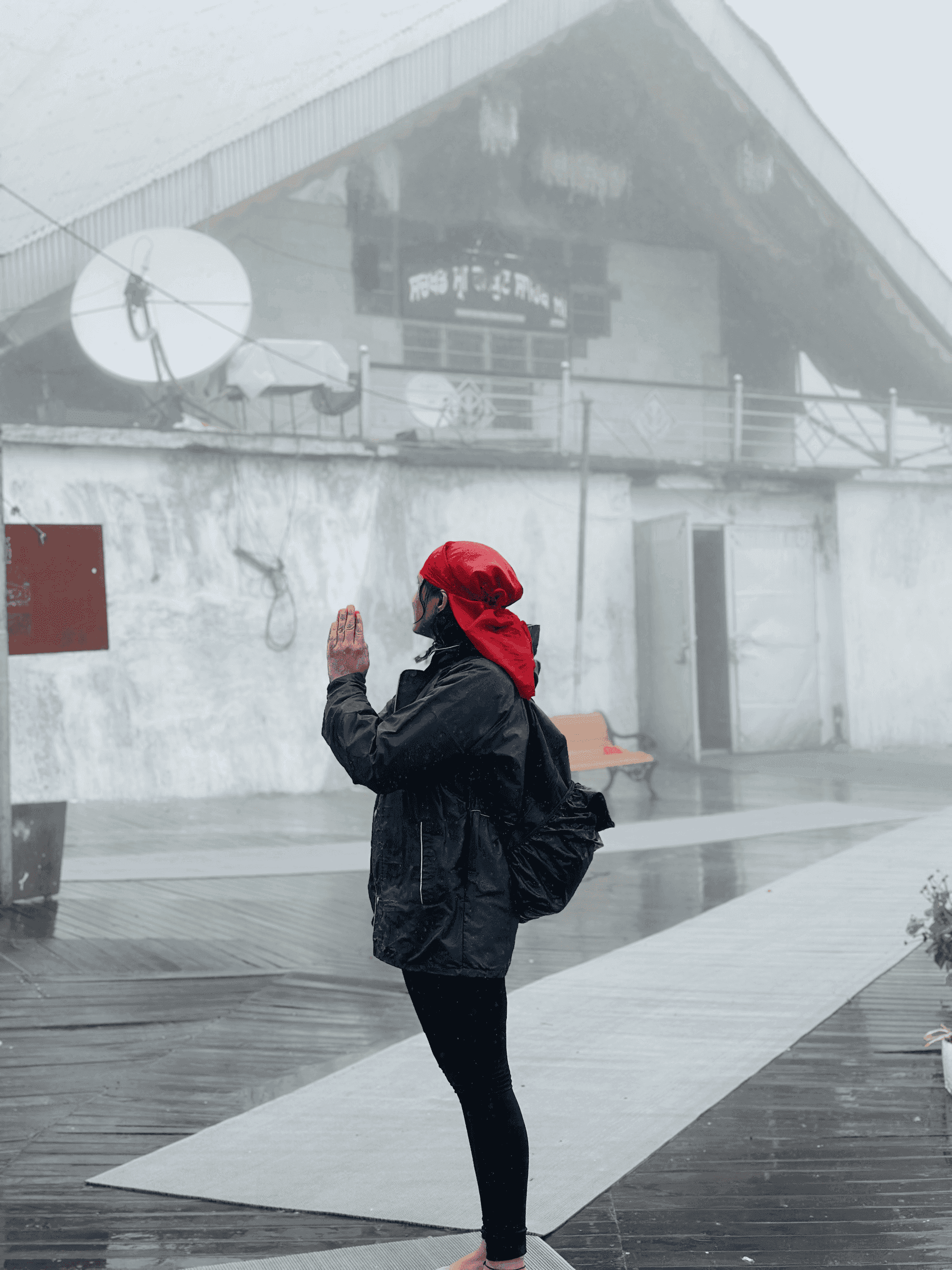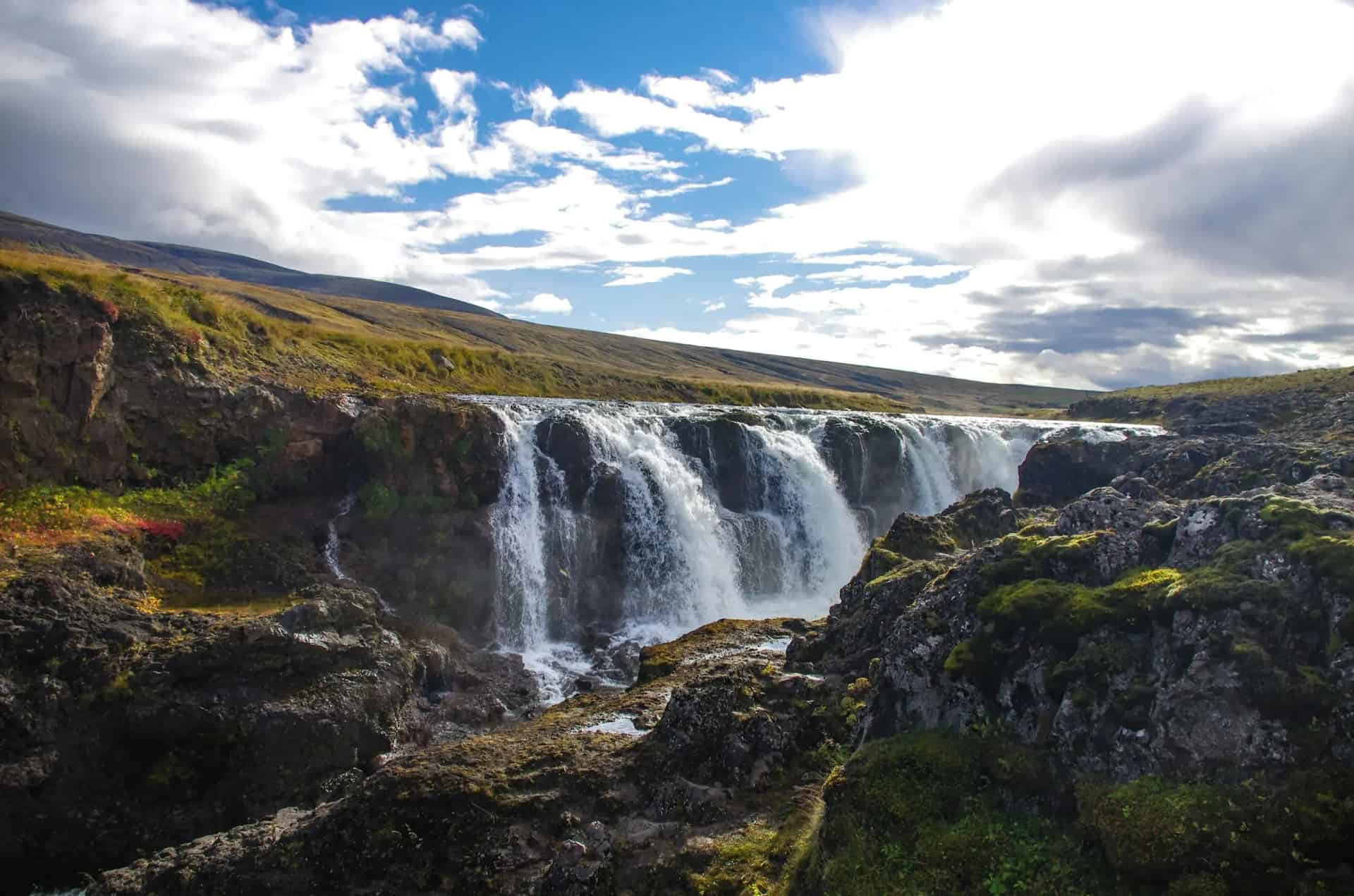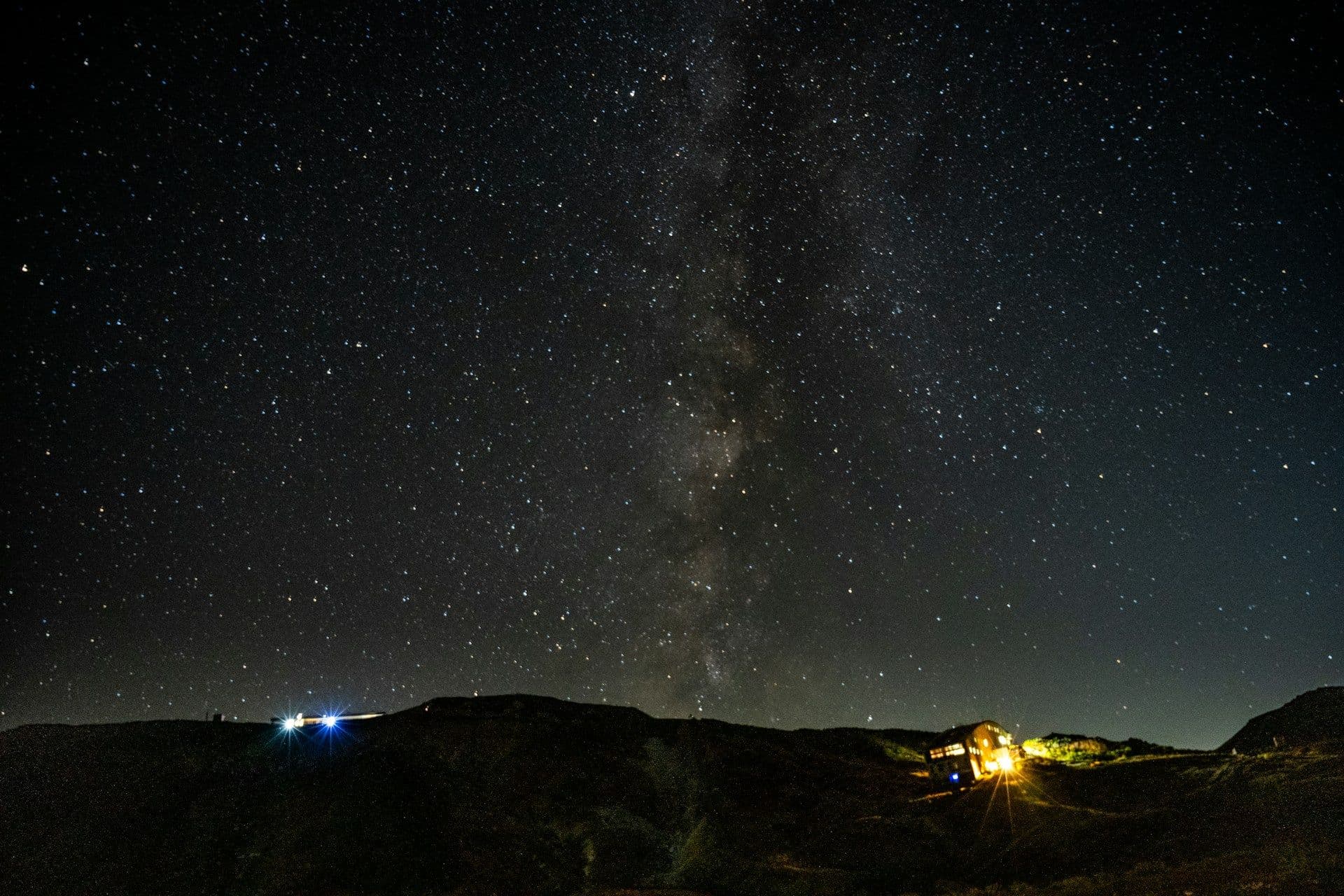
Spiti Valley is more than a destination for dramatic mountain views and high-altitude roads. It is a place to experience centuries-old Buddhist traditions, stay in remote Himalayan villages, watch the Milky Way stretch across clear night skies, and explore landscapes that feel far removed from everyday life.
From sending a postcard from Hikkim and visiting ancient monasteries to trekking around Dhankar Lake and joining a winter snow leopard expedition, there are plenty of ways to experience Spiti beyond sightseeing.
The best experiences depend on when you visit. Summer is ideal for road trips, trekking and village exploration, while winter offers opportunities for snow-covered landscapes and wildlife tracking.
If you are planning your first visit, start with our guide to places to visit in Spiti Valley to understand the major villages, monasteries and attractions you can include in your trip.
Best Things to Do in Spiti Valley at a Glance
Experience | Where to Try It | Best Time |
| Explore Buddhist monasteries | Key, Tabo, Dhankar and Komic | May to October, subject to access |
| Send a postcard from Hikkim | Hikkim | Main summer travel season |
| Go stargazing | Langza and other dark-sky locations | Clear nights, especially June to September |
| Experience village life | Langza, Kibber, Komic and Mud | May to October |
| Try traditional Spitian food | Kaza and village homestays | Throughout the accessible travel season |
| Go trekking | Dhankar Lake and Pin Valley | June to September, subject to trail conditions |
| Join a snow leopard expedition | Kibber and surrounding areas | Winter, mainly January to March |
| Enjoy a Himalayan road trip | Kinnaur, Kaza and Kunzum Pass route | Depending on road conditions |
| Try mountain biking | Around Kaza and nearby villages | Mainly summer |
Most of these experiences can be included in a regular Spiti trip. However, activities such as trekking, mountain biking and winter wildlife expeditions require additional preparation and time.
1. Explore the Buddhist Culture and Ancient Monasteries
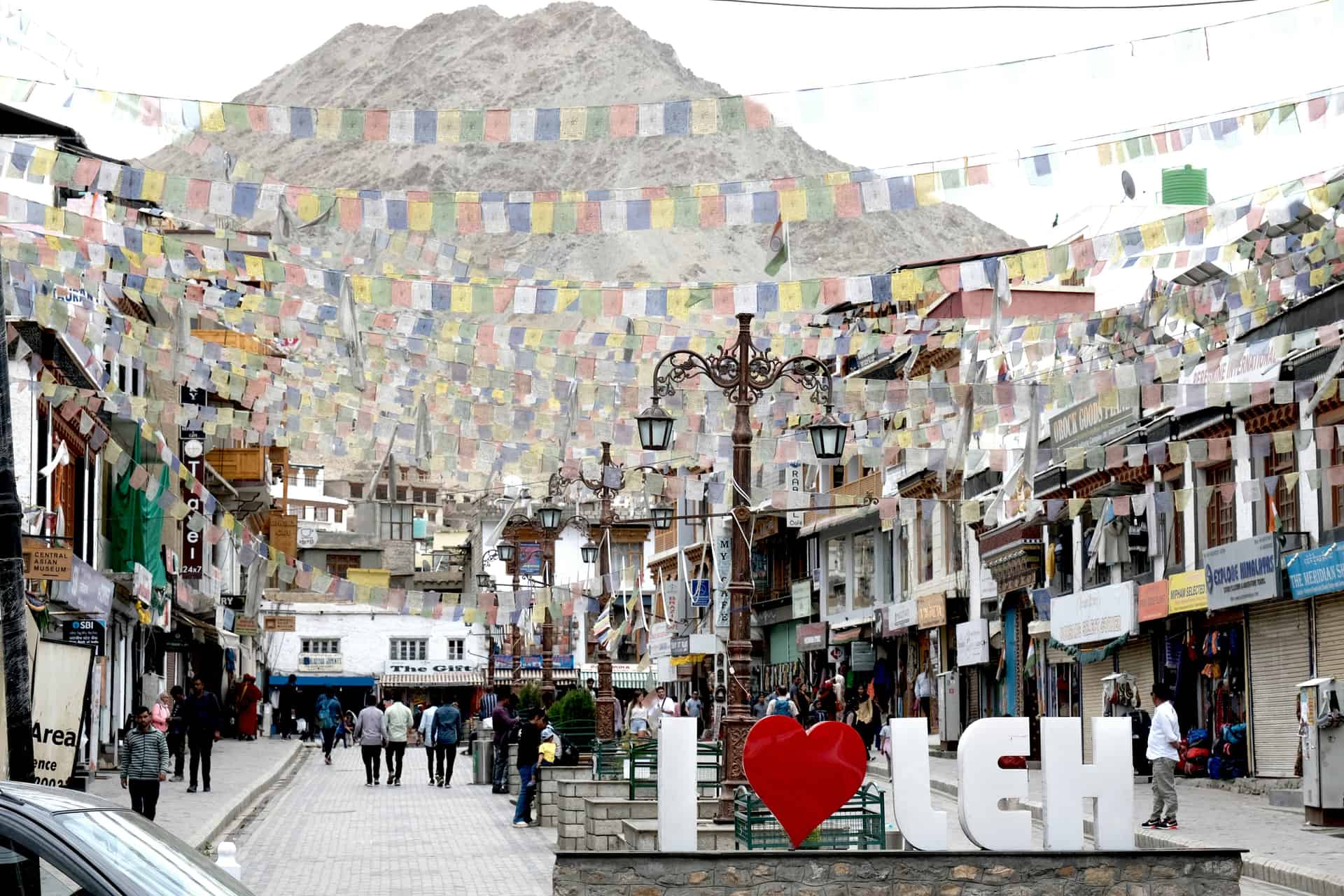
One of the most meaningful experiences in Spiti Valley is exploring its Buddhist heritage. The region has a strong Tibetan Buddhist influence, visible in its monasteries, prayer flags, traditional architecture and everyday village life.
Visit monasteries such as Key, Tabo and Dhankar to understand the spiritual and cultural history of the region.
Tabo Monastery, founded in 996 CE, is particularly known for its ancient murals, sculptures and traditional Buddhist artwork. Key Monastery offers a different experience, with its dramatic hilltop setting and active monastic environment.
While visiting, you can:
- Observe prayer sessions when visitors are welcome.
- Explore monastery courtyards and traditional architecture.
- See prayer wheels, murals and Buddhist artwork.
- Learn about local traditions and monastic life.
- Experience monastery festivals if your travel dates coincide with them.
Travel tip: Dress modestly, maintain silence in prayer areas and always ask permission before photographing monks, residents or religious ceremonies.
2. Send a Postcard from Hikkim, One of the World's Highest Post Offices
A visit to Hikkim offers a simple but memorable experience: sending a postcard from one of the world's highest post offices.
Located high in the mountains, Hikkim is a small village that attracts travellers looking to experience something different from the usual sightseeing stops.
You can visit the post office, choose a postcard and send it to friends, family or even yourself. It is a small souvenir that carries a little piece of your Spiti journey.
Hikkim is often combined with visits to Langza and Komic, making it easy to include in a village circuit from Kaza.
Travel tip: Carry some cash and allow extra time for your visit. Post office operations and availability can vary, particularly during difficult weather or the winter season.
3. Go Stargazing and Watch the Milky Way
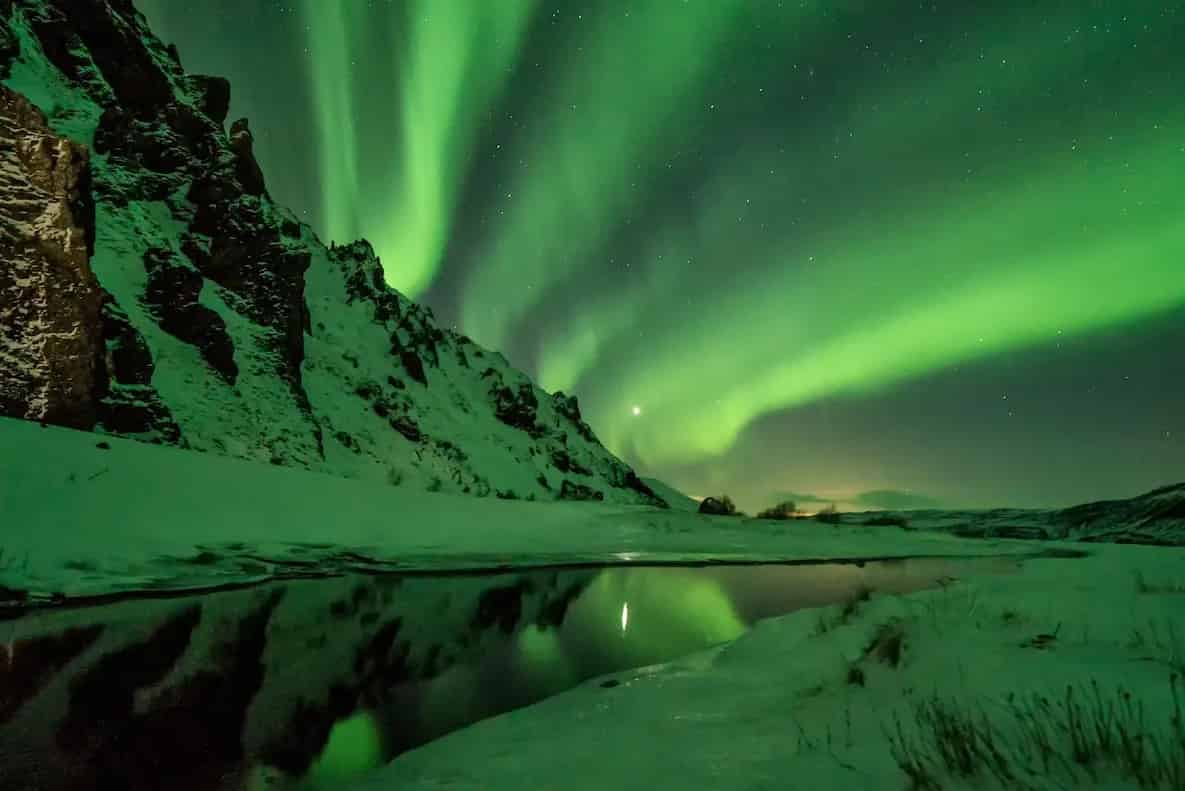
Spiti Valley is an excellent place to experience dark night skies. With limited light pollution outside the larger settlements, clear nights can offer impressive views of stars and the Milky Way.
Langza is one of the popular locations for stargazing. Kibber and other quieter areas can also offer good conditions when the sky is clear.
The experience is particularly rewarding if you stay overnight in a village instead of returning to Kaza after sunset. You can spend time outside, look for constellations and, with suitable conditions, try photographing the night sky.
For a better stargazing experience:
- Choose a clear night with little moonlight.
- Stay away from bright artificial lights.
- Check the weather forecast before heading out.
- Carry warm clothing, even during summer.
- Use a tripod if you plan to photograph the stars.
- Choose a safe location and avoid walking around unfamiliar terrain in the dark.
Travel tip: Stargazing depends on weather, cloud cover and moonlight. A dark-sky location improves your chances, but clear skies are never guaranteed.
4. Stay in a Traditional Homestay and Experience Village Life
A homestay is one of the best ways to understand everyday life in Spiti Valley. Instead of experiencing the region only through sightseeing, you get an opportunity to spend time in a local household and learn about the area's customs, food and traditions.
Villages such as Langza, Kibber, Komic and Mud offer homestay experiences, depending on seasonal availability.
During your stay, you may get to:
- Enjoy home-cooked meals prepared by local families.
- Learn about traditional Spitian homes and lifestyles.
- Understand local farming and livestock practices.
- Spend time in quieter villages away from busy tourist areas.
- Experience the region's slower pace of life.
Homestays also offer a different perspective on the challenges of living in a high-altitude desert, where weather and access can influence daily routines.
Before booking: Ask about room heating, hot water, bathroom facilities and meal arrangements. Facilities can be basic, especially in remote villages and during winter.
5. Try Traditional Spitian Food
Food is another way to experience Spiti's local culture. Traditional meals are influenced by the region's cold climate, high-altitude environment and reliance on locally available ingredients.
Some dishes and food experiences worth trying include:
- Skyu: A traditional Spitian dish made with small pieces of dough cooked in a thick stew.
- Tsampa: Roasted barley flour that is commonly associated with the wider Himalayan and Tibetan food culture.
- Thukpa: A warm noodle soup that is popular across several Himalayan regions.
- Momos: Steamed dumplings that are commonly available in the region.
- Butter tea: A traditional tea preparation associated with Tibetan-influenced Himalayan communities.
You can try local food at small eateries in Kaza or through meals served at village homestays.
Travel tip: Food options can be limited in smaller villages. If you have dietary restrictions, communicate them to your host or restaurant in advance.
6. Go Trekking Around Spiti's Mountain Landscapes
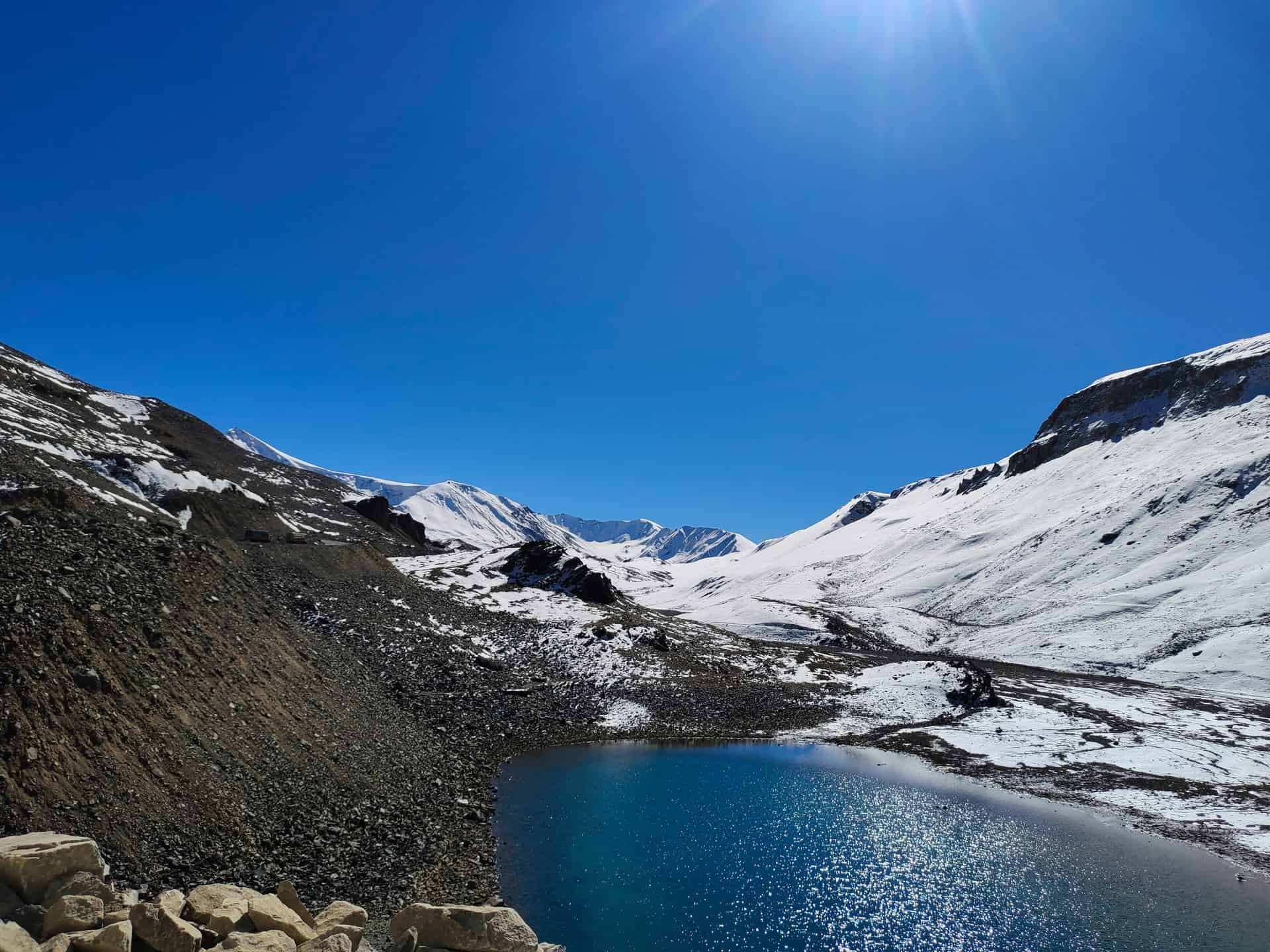
Spiti offers trekking experiences ranging from shorter village walks to challenging high-altitude routes. The landscape is characterised by barren mountains, rocky trails, open valleys and remote settlements.
One of the popular trekking experiences is the hike to Dhankar Lake.
Dhankar Lake Trek
The trek to Dhankar Lake begins near Dhankar village and climbs towards a high-altitude lake surrounded by rugged mountain scenery.
The route involves a steep uphill walk, making it physically demanding despite being a relatively short excursion. The views along the way and the peaceful setting near the lake make it a rewarding experience for travellers who enjoy hiking.
Explore Trails Around Pin Valley
Pin Valley offers opportunities to explore remote landscapes, mountain villages and quieter trails. Depending on local conditions, you can arrange shorter walks or longer guided trekking experiences.
Trekking tips:
- Give yourself enough time to acclimatise before attempting a trek.
- Carry drinking water, snacks and warm layers.
- Wear suitable trekking shoes.
- Check trail conditions before starting.
- Consider hiring a local guide for unfamiliar routes.
- Avoid pushing yourself if you experience symptoms of altitude sickness.
The warmer months, particularly June to September, are generally more suitable for trekking, although actual trail conditions can change.
For a better understanding of seasonal access and weather, read our guide to the best time to visit Spiti Valley.
7. Join a Winter Snow Leopard Expedition
Winter brings a completely different experience to Spiti Valley. As temperatures drop and snow covers the surrounding mountains, the region becomes a destination for travellers interested in Himalayan wildlife.
The Kibber region and its surrounding mountains are known for winter snow leopard tracking experiences.
These expeditions are usually conducted with local trackers and wildlife guides who understand the terrain and animal movement. Along the way, you may also spot Himalayan ibex, blue sheep and red foxes.
A dedicated snow leopard expedition can involve several days of tracking, early morning starts and stays in basic winter accommodation.
What to know before joining:
- January to March is generally considered the main winter tracking period.
- Snow leopard sightings are never guaranteed.
- Temperatures can fall significantly below freezing.
- Warm winter clothing and suitable footwear are essential.
- Ask operators about accommodation, meals, transport and guide arrangements before booking.
- Maintain a safe distance from wildlife and follow responsible observation practices.
This experience is best suited to travellers who are comfortable with cold weather, basic facilities and the uncertainty of wildlife sightings.
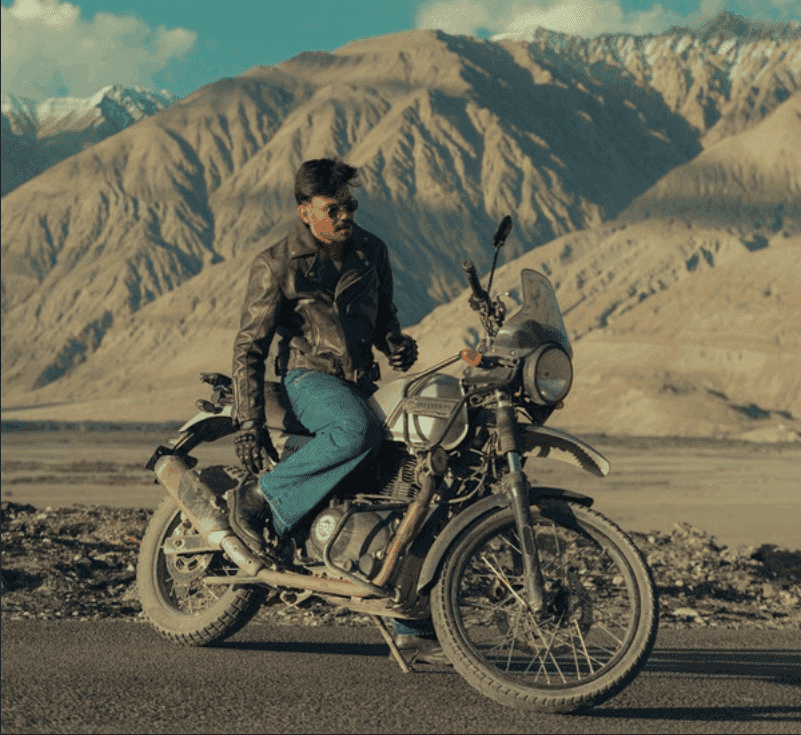
8. Experience a Himalayan Road Trip Through Spiti
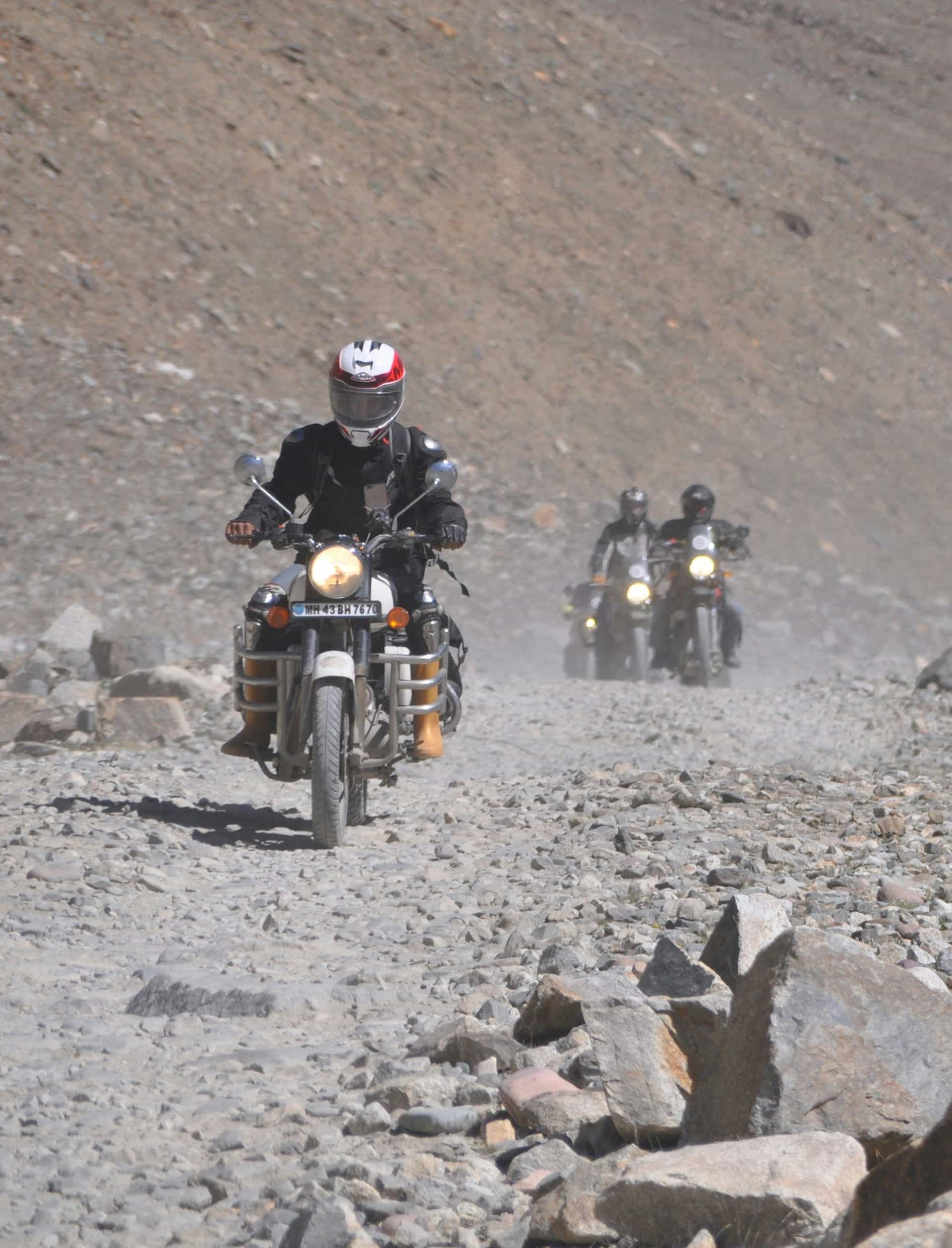
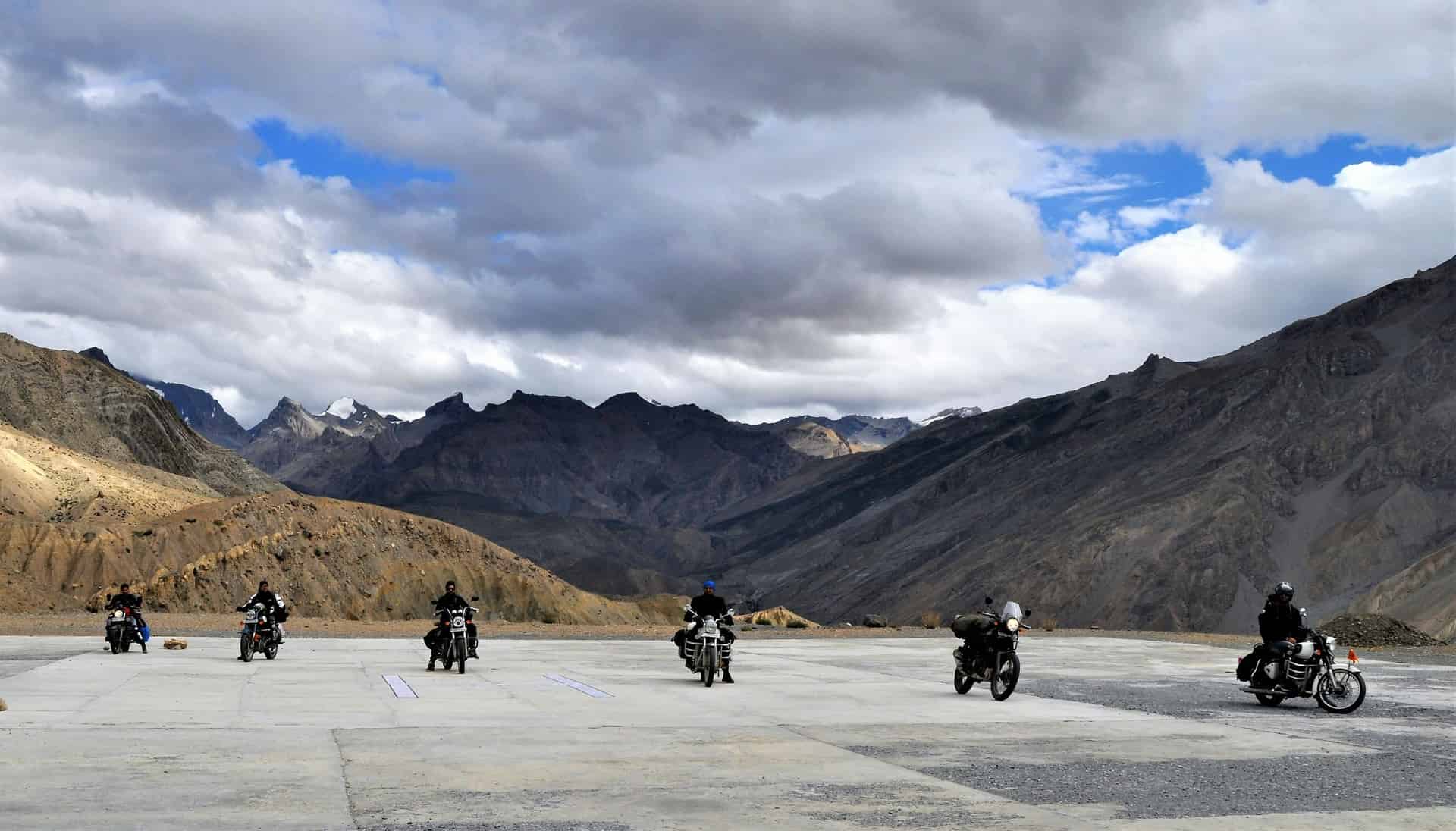
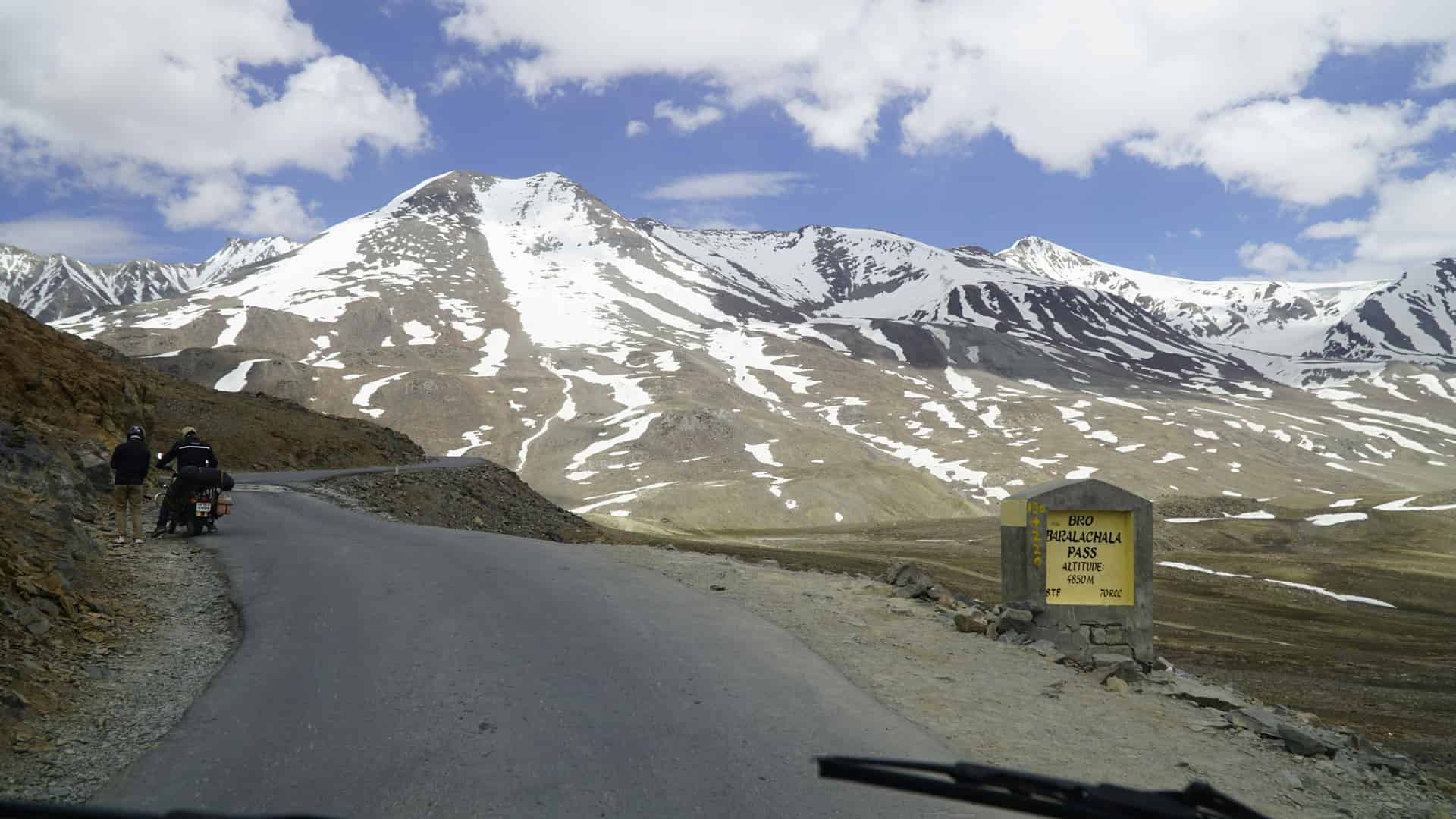
A road trip is one of the most memorable ways to experience Spiti Valley. The journey takes you through changing landscapes, from the greener valleys of Kinnaur to the rugged mountains and high-altitude settlements of Spiti.
The Kinnaur route typically passes through Shimla, Kalpa and Nako before reaching Tabo and Kaza. Along the way, you can stop at villages, viewpoints and monasteries.
If the Manali route is open, the journey can continue through Kunzum Pass towards Chandratal and Manali.
One of the more challenging stretches is the Gramphu to Batal road section, known for its rough, unpaved terrain and seasonal water crossings. Chhatru and Chacha Chachi Dhaba near Batal are familiar landmarks along this route.
Road trip tips:
- Check road conditions and route access before travelling.
- Use a suitable vehicle with adequate ground clearance.
- Avoid taking low-clearance hatchbacks or sedans through particularly rough sections.
- Travel with an experienced driver if you are unfamiliar with mountain roads.
- Keep extra time for weather-related delays and road conditions.
If you want to plan the route, stops and travel duration in more detail, refer to our Spiti Valley itinerary.
9. Try Mountain Biking Around Kaza and Nearby Villages
For travellers looking for an active way to explore the region, mountain biking can be an interesting experience.
The roads around Kaza and routes towards nearby villages such as Langza, Hikkim and Komic offer challenging gradients and impressive mountain views.
However, cycling at high altitude is physically demanding. Even a route that looks manageable on a map can feel difficult because of steep climbs, thin air and changing road conditions.
Before planning a ride:
- Acclimatise properly before cycling.
- Check the route and road conditions.
- Arrange a suitable mountain bike in advance.
- Carry water, snacks and basic repair equipment.
- Avoid cycling alone on unfamiliar or isolated routes.
Bike rentals and guided cycling arrangements may be limited, so confirm availability locally before making this activity part of your itinerary.
Important Things to Know Before Trying Activities in Spiti Valley
Spiti is a high-altitude destination, and even simple activities can feel more demanding than expected. A little preparation can make your experience safer and more comfortable.
1. Allow time for acclimatisation
Kaza is located at approximately 3,800 metres above sea level. Give your body time to adjust before attempting strenuous activities such as trekking or cycling. Watch for symptoms such as headaches, nausea and dizziness.
2. Choose activities according to the season
Summer is generally better for road trips, village exploration and trekking. Winter is more suitable for snow-covered landscapes and organised wildlife tracking experiences.
3. Carry enough cash
ATMs and digital payment facilities may not always be reliable in remote villages. Keep sufficient cash for meals, local transport and small purchases.
4. Prepare for limited facilities
Homestays in remote villages can have basic amenities. Confirm heating, hot water, bathrooms and meal arrangements before booking.
5. Check local conditions
Roads, trekking routes and activity access can change due to snowfall, rain and other weather conditions. Confirm local updates before setting out.
6. Respect local culture and wildlife
Follow monastery rules, ask before photographing people and avoid disturbing animals during wildlife experiences.
7. Plan your budget realistically
Your total expenses will depend on transport, accommodation, meals, activities and the season. For a detailed breakdown, read our Spiti Valley trip cost guide.
Your Spiti Adventure Starts Here
From winding Himalayan roads and ancient monasteries to remote village stays and unforgettable mountain experiences, Spiti offers something different from a typical holiday.
The key is to plan your trip around the season, the experiences you want and the time you have available.
Ready to experience the Himalayas? Explore Spiti Valley Tour Packages by Desh Videsh Travels and find a trip that takes you closer to the region's landscapes, culture and adventures.