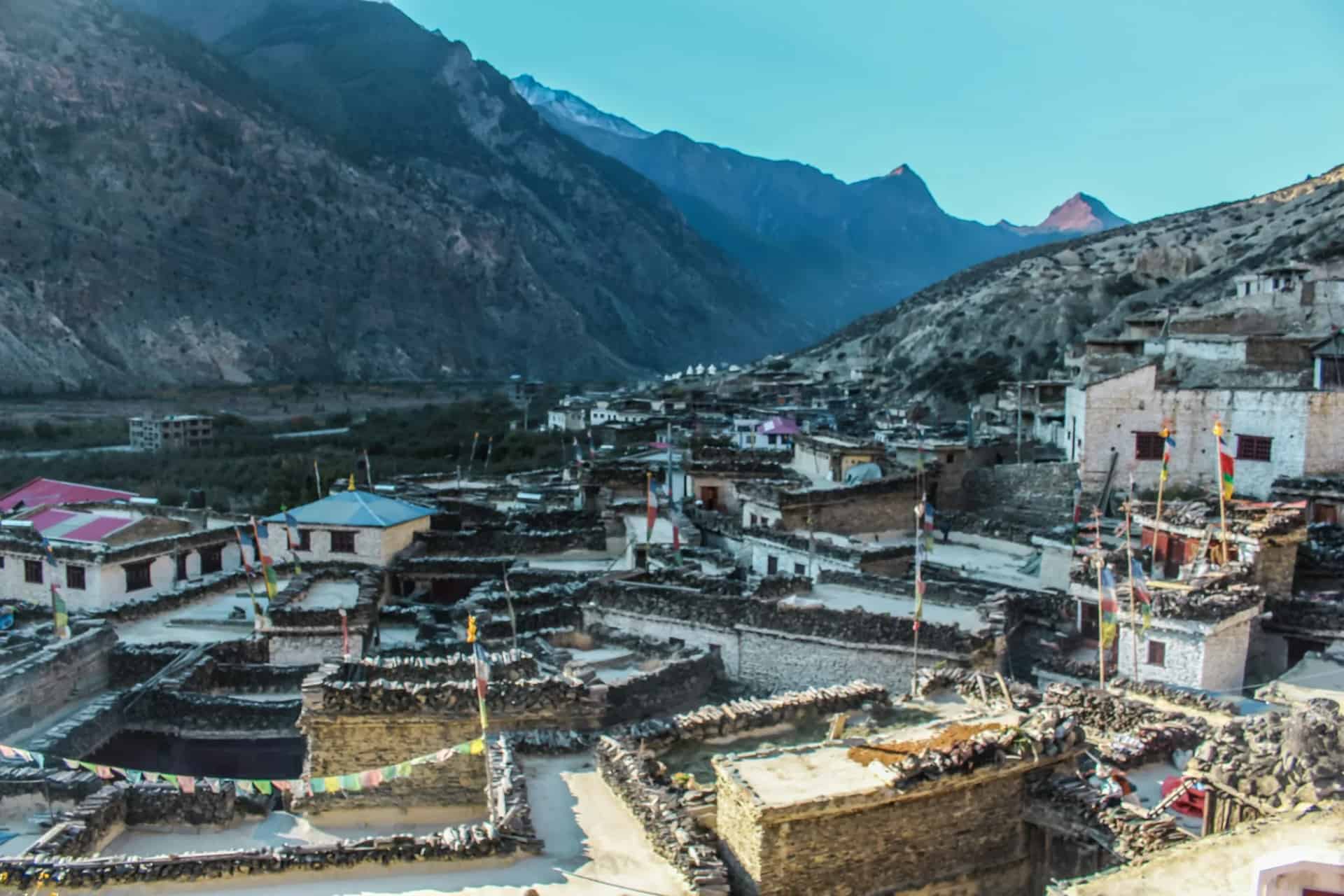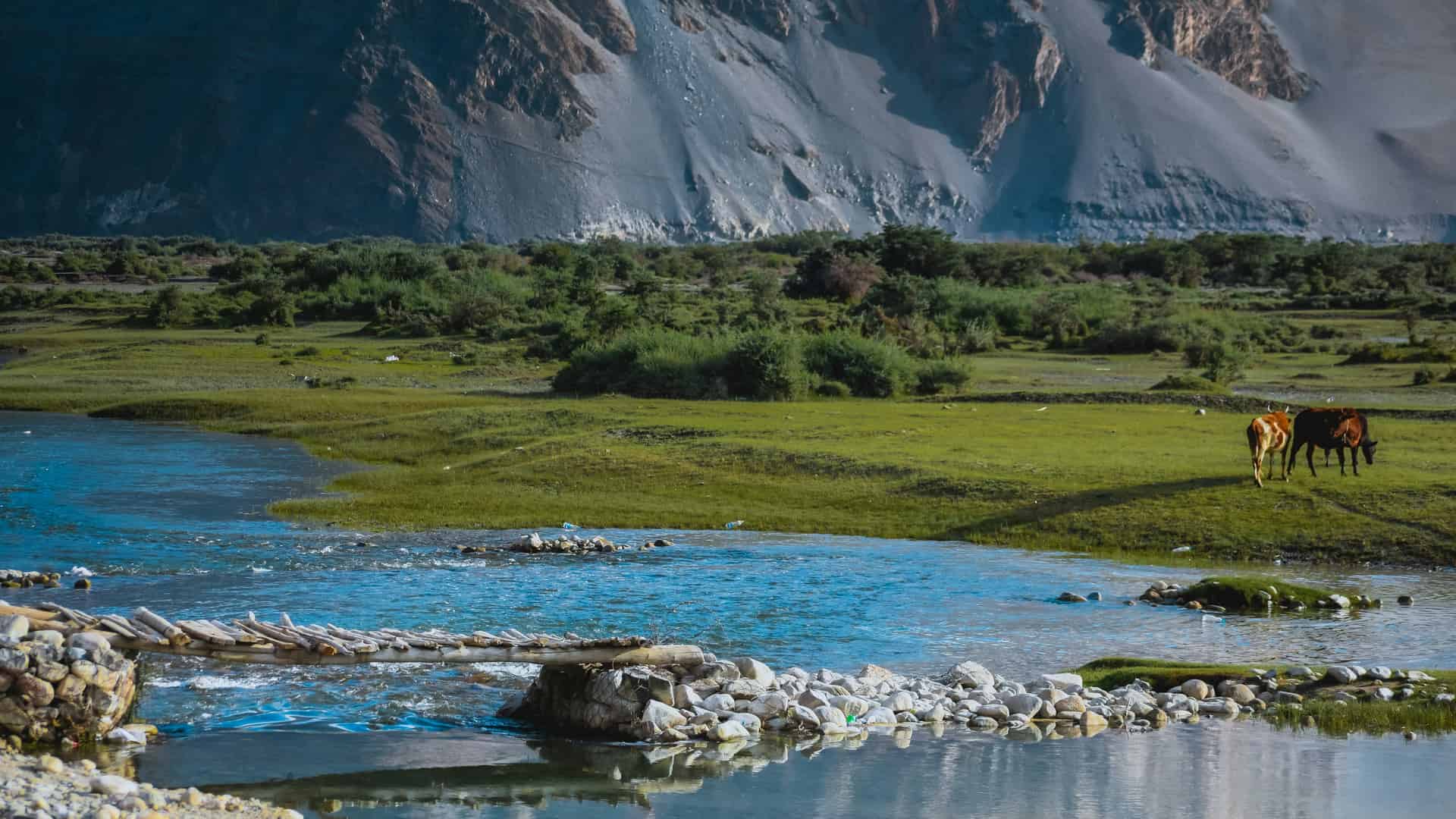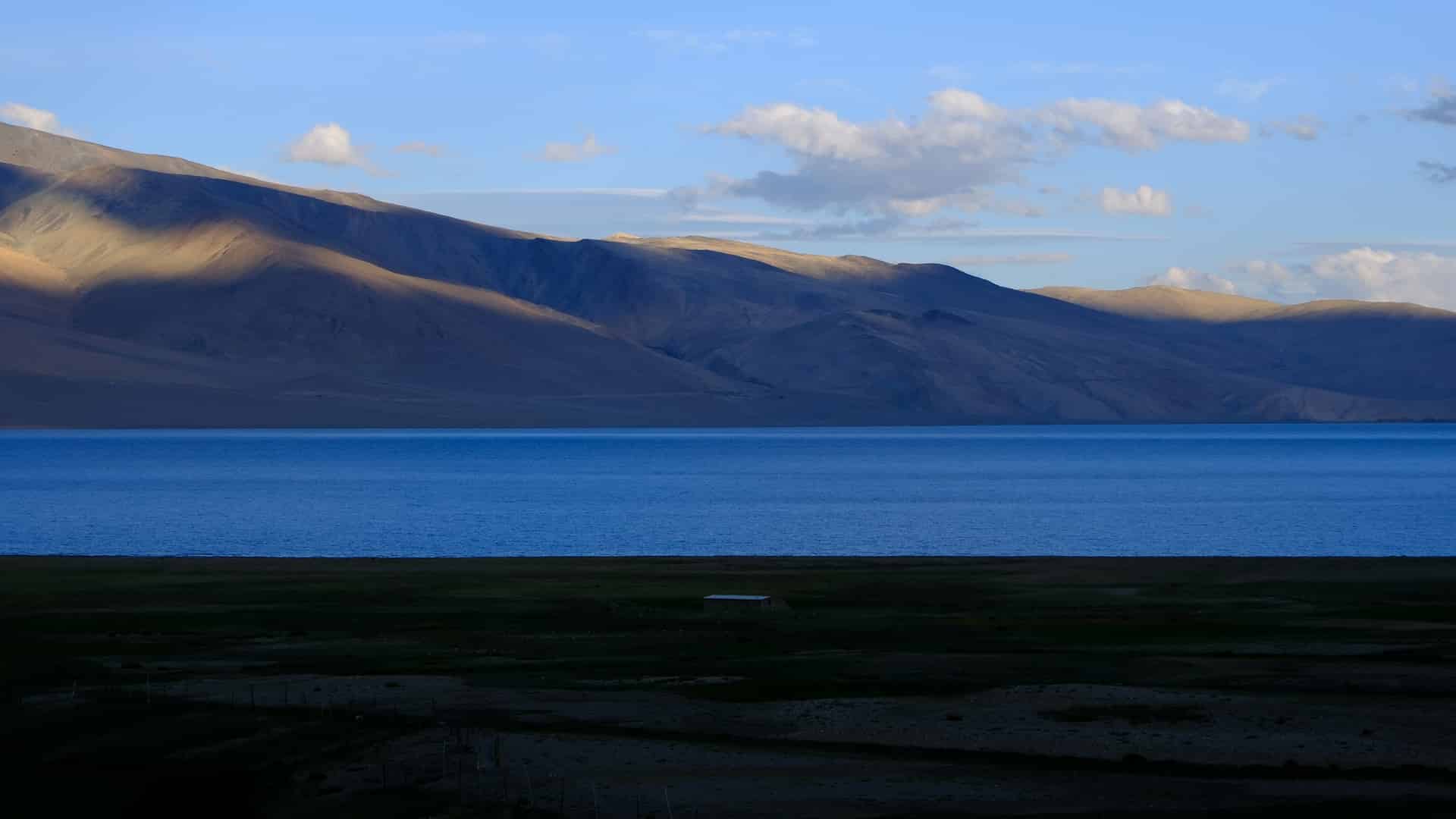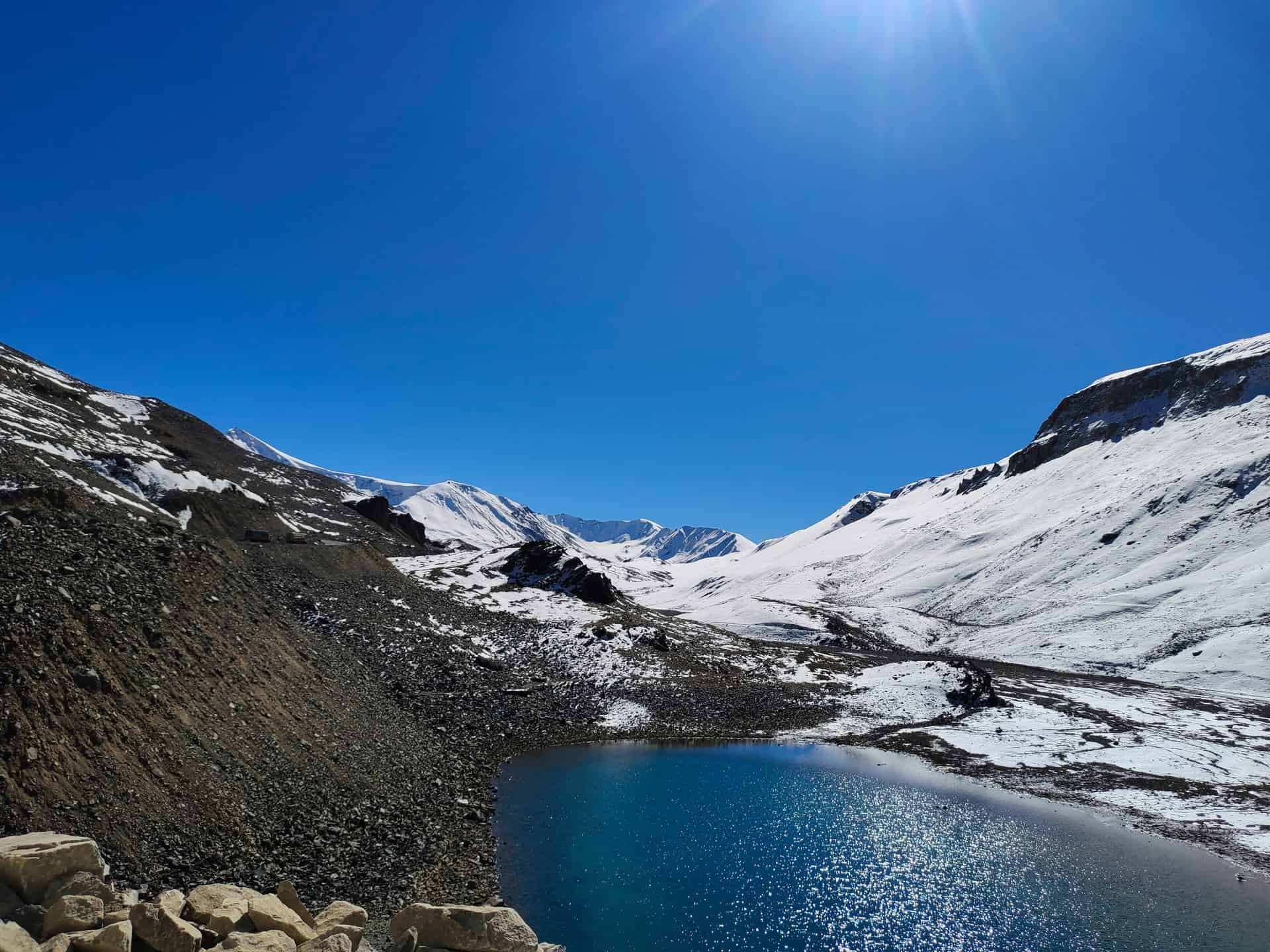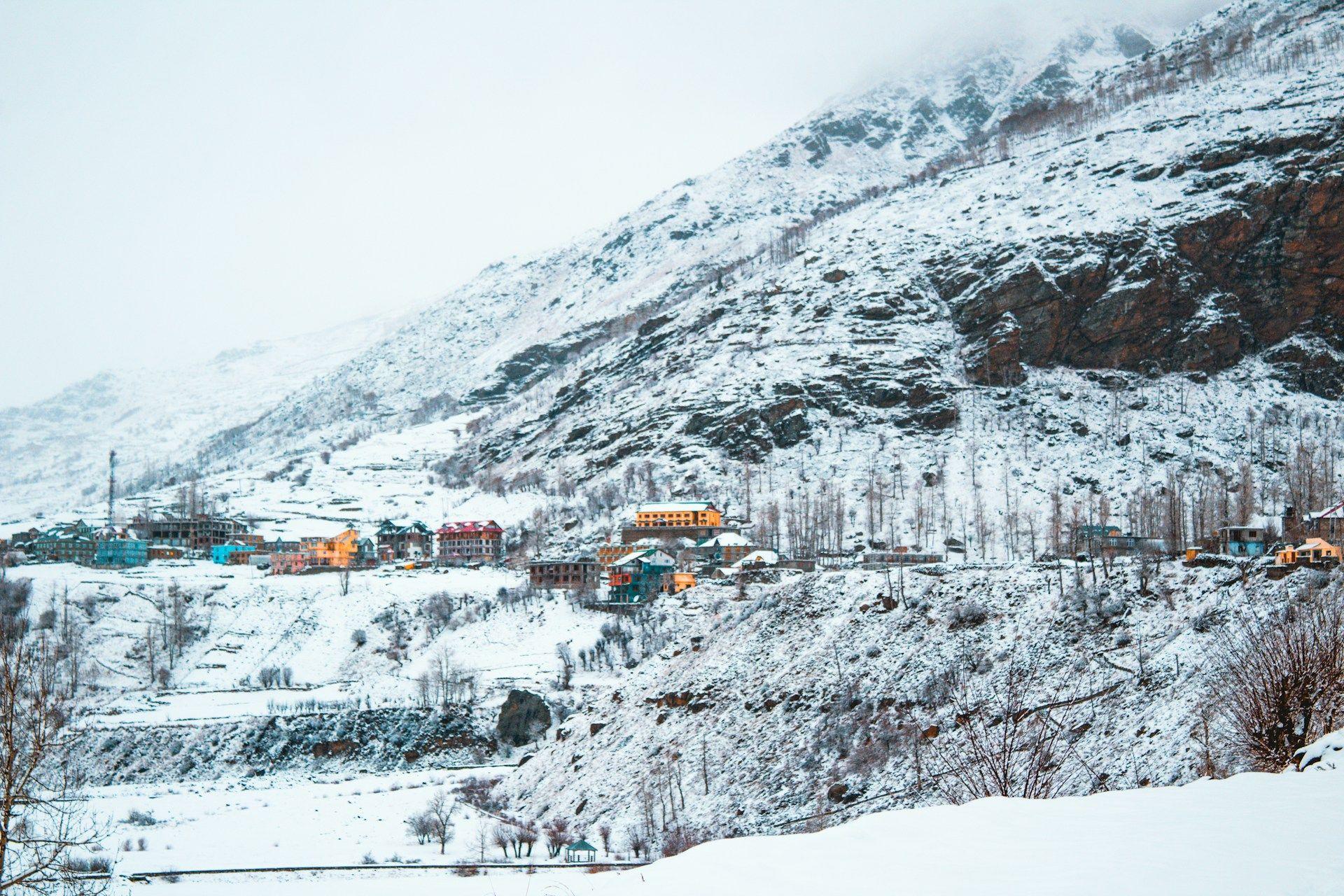
Beyond its rugged mountains, winding roads and ancient monasteries, Spiti Valley has another side worth exploring: its villages. Scattered across high-altitude plateaus, remote valleys and mountain slopes, these settlements offer a glimpse into the region's culture, traditions and everyday life.
Each village has its own identity. Komic is known for its high-altitude setting, Langza for its marine fossils and Hikkim for its famous post office. Demul offers a glimpse of community-based tourism, while Kibber, Lhalung and Mudh reveal different aspects of traditional mountain life.
From agriculture and livestock to traditional homes and Buddhist customs, village life in Spiti is closely shaped by the seasons and its challenging environment. Exploring these settlements lets you discover a side of the valley that goes beyond its popular tourist attractions.
Quick Comparison: 8 Villages in Spiti Valley
The villages of Spiti differ in their landscapes, cultural heritage and local experiences. Some are known for their high-altitude settings, others for their traditional livelihoods, geological surroundings or community-based tourism.
Village | Distinctive Identity | What to Experience |
| Komic | One of Spiti's highest villages connected by a motorable road; home to Tangyud Monastery | Traditional settlement and remote mountain landscapes |
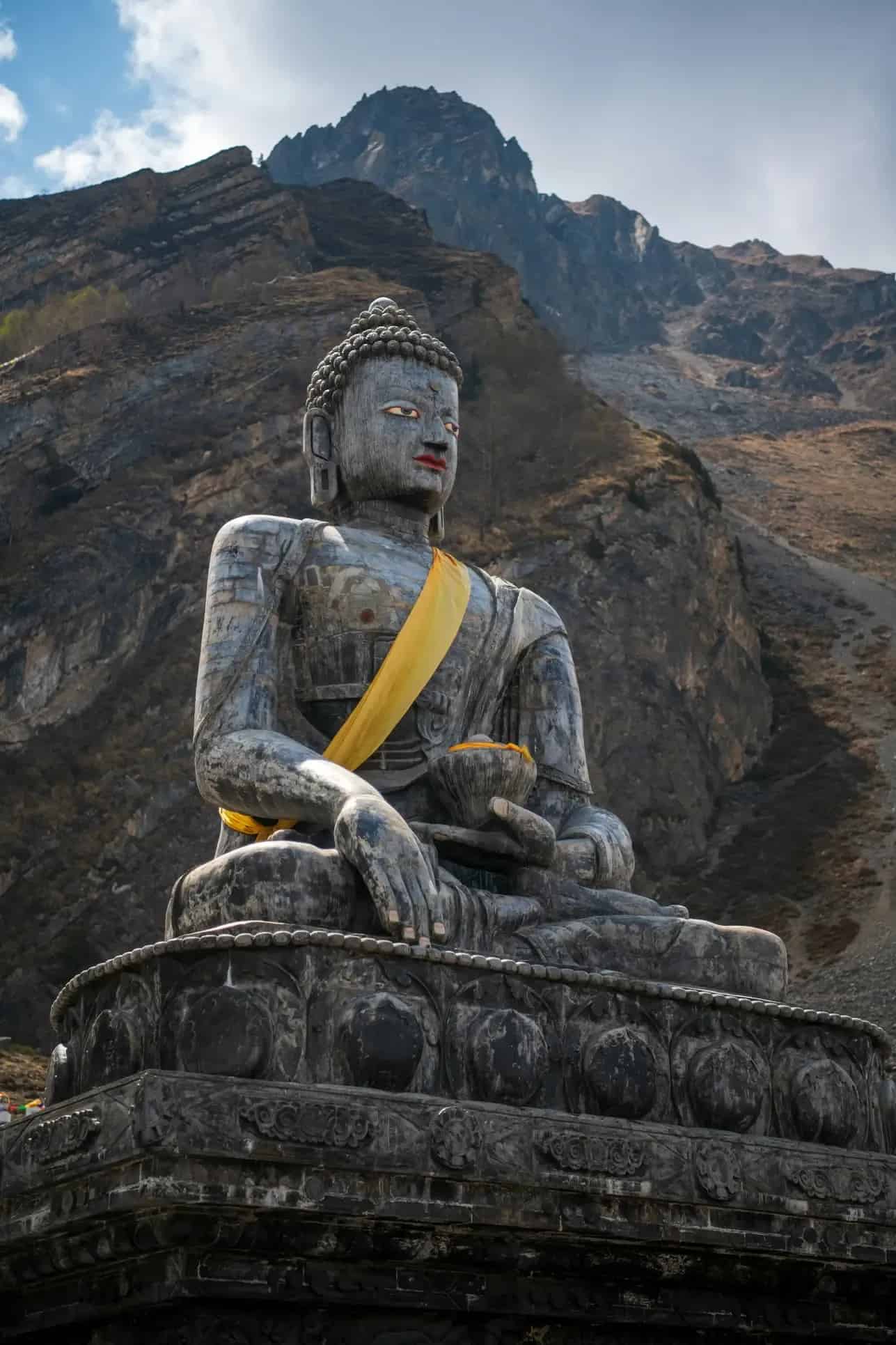
| Langza | Known for marine fossils and its large Buddha statue overlooking the valley | Geological heritage and traditional village life |
| Hikkim | Famous for its high-altitude post office, PIN code 172114 | Sending a postcard from the village |
| Kibber | Traditional high-altitude settlement | Local village life and agricultural surroundings |
| Demul | Known for community-based tourism and its rotational homestay tradition | Local hospitality and community stays |
| Lhalung | Traditional settlement in the Lingti Valley, known for its ancient Golden Temple | Buddhist heritage and cultural history |
| Dhankar | Historic hillside settlement and former administrative centre of Spiti | Traditional homes and historical surroundings |
| Mudh | Remote village in Pin Valley | Rural life and the distinctive landscape of Pin Valley |
Each village offers something different. Rather than treating them as interchangeable sightseeing stops, the following sections explore their individual identities, local character and what travellers can learn from spending time in each settlement.
Famous Villages in Spiti Valley You Should Explore
1. Komic: A Remote Village High Above the Spiti Valley
Situated at approximately 4,580 metres, Komic is widely known as one of the highest villages in the world connected by a motorable road. Located in the upper reaches of Spiti, it offers a glimpse into life in a remote high-altitude settlement surrounded by stark mountains and expansive cold-desert landscapes.
What makes Komic distinctive is its combination of remote village life, cultural heritage and dramatic mountain surroundings.
What makes Komic worth exploring?
- High-altitude village life: Experience the setting and traditional character of one of Spiti's highest inhabited settlements.
- Tangyud Monastery: Visit the prominent monastery that forms an important part of Komic's cultural landscape.
- Mountain scenery: Enjoy expansive views of the surrounding mountains and the stark terrain of the cold desert.
- Local way of life: Observe how residents adapt their daily routines to the short summers and long, harsh winters.
Komic is worth including for travellers who want to experience more than the popular sightseeing stops in Spiti. Its remote setting offers a closer look at the region's high-altitude village life.
2. Langza: The Fossil Village of Spiti Valley
Situated at approximately 4,400 metres, Langza is one of Spiti Valley's most fascinating villages, known for its marine fossils and striking mountain setting. These fossils are reminders of the ancient Tethys Ocean, which once covered parts of the region millions of years ago.
The village is also recognised for its large Buddha statue overlooking traditional houses and agricultural fields. Together, its geological heritage and rural surroundings give Langza a character unlike many other settlements in Spiti.
What makes Langza worth exploring?
- Marine fossils: Learn about the ancient marine life preserved in the surrounding rocks and the geological history of the Himalayas.
- Buddha statue: See the prominent statue overlooking the village, an important feature of Langza's cultural landscape.
- Traditional village life: Explore a small Himalayan settlement where agriculture and seasonal routines remain closely connected to the environment.
- Responsible fossil exploration: Observe fossils without removing, damaging or purchasing them, helping preserve the region's geological heritage.
Langza stands out for the unusual connection between its ancient marine history and present-day mountain village life.
3. Hikkim: The Village Famous for Its Post Office
Situated at approximately 4,440 metres, Hikkim is widely known for its high-altitude post office, which has become one of Spiti Valley's most recognisable village landmarks. With its PIN code 172114, the post office offers travellers a chance to send a postcard from this remote Himalayan settlement.
Beyond the post office, Hikkim is a traditional mountain village where everyday life continues against the backdrop of high-altitude terrain, seasonal farming and long winters.
What makes Hikkim worth exploring?
- Hikkim Post Office: Visit the village's famous post office and send a postcard to friends or family.
- A memorable travel souvenir: Get a postcard stamped from Hikkim, offering a more personal keepsake than a typical photograph.
- Traditional village life: Explore the settlement and observe how residents adapt to the challenges of living at high altitude.
- Remote Himalayan setting: Experience the quieter side of Spiti away from its more frequently visited attractions.
Hikkim is particularly worth including for travellers who enjoy unusual experiences and want to explore the everyday character of Spiti's remote villages.
4. Demul: A Village Known for Community-Based Tourism
Demul stands out among the villages of Spiti Valley for its community-based approach to tourism. Rather than concentrating visitor stays in a handful of establishments, the village is known for a rotational homestay tradition designed to distribute tourism opportunities among local households.
This approach makes Demul particularly interesting for travellers who want to experience village life while contributing directly to the local community.
What makes Demul worth exploring?
- Rotational homestay tradition: The village is known for sharing guest stays among participating households, helping distribute tourism-related income within the community.
- Local hospitality: Staying with a host family offers an opportunity to experience traditional Spitian food and everyday village routines.
- Community-led tourism: Understand how a small mountain community uses tourism to create livelihood opportunities while retaining its local character.
- A quieter village setting: Experience a less commercial side of Spiti, away from the busier sightseeing stops.
Demul is a good choice for travellers who value meaningful local interactions and want their visit to contribute to the communities they explore.
5. Kibber: A Traditional High-Altitude Village in Spiti
Located at approximately 4,200 metres, Kibber is one of the well-known traditional settlements of Spiti Valley. Its compact cluster of houses, cultivated fields and open mountain surroundings reflect how communities have adapted to life in this high-altitude cold desert.
Agriculture and livestock remain important parts of the village's traditional way of life. The short summer season is particularly significant, as families make the most of the warmer months for cultivation and other seasonal activities.
What makes Kibber worth exploring?
- Traditional village architecture: Notice the closely grouped houses and traditional building styles suited to the region's harsh climate.
- Agricultural landscape: See the cultivated fields that become an important part of village life during the summer months.
- Local livelihoods: Understand the role of farming and livestock in sustaining communities in this remote region.
- Everyday village life: Experience a traditional Spitian settlement beyond the usual sightseeing stops.
Kibber offers an opportunity to understand the relationship between the local community, its traditional livelihoods and the demanding environment of Spiti Valley.
6. Lhalung: Home to Spiti's Ancient Golden Temple
Located in the Lingti Valley, Lhalung is a traditional mountain village known for its historical Buddhist heritage. Its most distinctive landmark is Lhalung Serkhang, also known as the Golden Temple, an ancient monastery associated with the Buddhist translator Rinchen Zangpo and believed to date back to the late 10th century.
The monastery is particularly notable for its old Buddhist artwork, including clay sculptures, murals and intricate religious imagery. Its historical significance reflects Lhalung's importance as an early Buddhist centre in Spiti.
What makes Lhalung worth exploring?
- Lhalung Serkhang: Explore the historic Golden Temple, one of the village's most significant cultural landmarks.
- Ancient Buddhist artwork: Discover traditional clay sculptures, religious murals and artistic details preserved within the older temple.
- Lingti Valley setting: Experience a quieter part of Spiti, surrounded by mountain terrain and traditional settlements.
- Local cultural heritage: Understand the village's connection with the region's Buddhist history and longstanding traditions.
Lhalung is particularly worth exploring for travellers interested in Himalayan history, Buddhist heritage and the lesser-known cultural settlements of Spiti Valley.
7. Dhankar: The Historic Former Capital of Spiti
Dhankar holds an important place in Spiti Valley's history as its former traditional capital and administrative centre. Perched on a steep mountainside, the village is known for its distinctive settlement pattern, with traditional houses built along the rocky slopes.
Its historical importance and Buddhist heritage give Dhankar a different identity from villages primarily known for their altitude, fossils or local tourism experiences.
What makes Dhankar worth exploring?
- Former capital of Spiti: Discover the village's connection with the region's administrative and historical past.
- Hillside settlement: Observe how traditional homes are arranged along the steep mountain terrain.
- Cultural heritage: Explore the village's connection with Spiti's longstanding Buddhist traditions.
- Historic surroundings: Experience one of the region's most distinctive traditional settlements.
Dhankar is particularly worth exploring for travellers interested in Spiti's history, traditional settlements and Buddhist heritage.
8. Mudh: A Traditional Village in the Heart of Pin Valley
Located in Pin Valley, Mudh offers a different landscape and village experience from the high-altitude settlements around Kaza. Surrounded by rugged mountains and the distinctive terrain of the Pin River valley, this remote village provides a glimpse into the quieter rural side of Spiti.
Mudh is also closely associated with Pin Valley National Park, making it an interesting destination for travellers exploring this part of the region. Its location also connects it with trekking routes into the surrounding mountains.
What makes Mudh worth exploring?
- Pin Valley setting: Experience the rugged mountain landscapes and distinctive geography of this part of Spiti.
- Traditional village character: Explore a remote settlement and observe how local life is shaped by the surrounding environment.
- Connection with Pin Valley National Park: Discover the village's proximity to an important natural area of the region.
- Trekking connections: Use the village as a base for exploring trekking opportunities in the surrounding mountains, subject to local route conditions and arrangements.
Mudh is worth including for travellers who want to explore beyond the familiar villages around Kaza and experience the distinctive landscape and rural character of Pin Valley.
What Should You Know Before Visiting the Villages of Spiti Valley?
Exploring Spiti's villages requires a little preparation, particularly because many settlements are located at high altitudes and have limited facilities. Keep these points in mind before your visit:
- Allow time to acclimatise: Villages such as Langza, Hikkim and Komic are located above 4,400 metres. Allow time to adjust to the altitude before visiting these higher settlements, and avoid rushing your travel schedule.
- Respect local customs: Dress appropriately when visiting monasteries and religious spaces, follow local instructions and ask permission before photographing residents or their homes.
- Travel responsibly: Avoid littering, disturbing local communities or removing fossils and other natural objects. Support local businesses and respect the environment around each settlement.
If you plan to stay in a village homestay, check the available facilities and meal arrangements in advance. Read our Where to Stay in Spiti Valley guide for more information about accommodation options.
For broader route planning and travel information, explore our Spiti Valley Travel Guide and How to Reach Spiti Valley guide. You can also check our Best Time to Visit Spiti Valley guide before deciding when to explore these settlements.
Explore Spiti Valley with Desh Videsh Travels
From discovering ancient village traditions to experiencing the quieter landscapes of Pin Valley, exploring Spiti's villages offers a deeper understanding of the region and its people.
Planning your own journey through these mountain settlements? Explore our Spiti Valley tour packages and discover a trip that brings together the valley's landscapes, culture and local experiences.