Some Trips Are Planned Around Destinations. The Best Ones Are Planned Around Experiences.
The best journeys aren't always defined by the landmarks you visit, but by the time you choose to visit them. A city preparing for a centuries-old procession feels very different from the same city on an ordinary weekday. A mountain town celebrating a religious festival offers experiences you won't find in guidebooks. Even familiar destinations can feel completely transformed during their biggest celebrations.
Across Asia, festivals mark changing seasons, honour ancient traditions, celebrate faith and bring entire communities together. Planning your holiday around one of these events lets you experience local life beyond museums and sightseeing. Whether you're drawn to spring blossoms, cultural processions, lantern-filled skies or vibrant street celebrations, these festivals offer a deeper way to explore Asia.
Asia's Most Incredible Festivals at a Glance
Festival | Country | Usually Held | Best For |
| Cherry Blossom Season | Japan | March-April | Spring travel & photography |
| Jinhae Cherry Blossom Festival | South Korea | Late March-Early April | Scenic spring holidays |
| Gion Matsuri | Japan | July | Traditional culture |
| Paro Tshechu | Bhutan | March-April | Himalayan heritage |
| Yi Peng & Loy Krathong | Thailand | November | Night photography |
| Pingxi Sky Lantern Festival | Taiwan | February | Cultural experiences |
| Songkran | Thailand | April | Interactive celebrations |
| Boryeong Mud Festival | South Korea | July | Friends & adventure |
| Kandy Esala Perahera | Sri Lanka | July-August | Religious traditions |
| Vesak | Sri Lanka | May | Spiritual travel |
| Hornbill Festival | India | December | Tribal culture |
| Pushkar Camel Fair | India | October-November | Rajasthan heritage |
Nature's Most Beautiful Celebrations
Not every festival begins with music or fireworks. Every spring, millions of travellers head to Japan and South Korea for a celebration created by nature itself. For just a few weeks, cherry blossom trees transform city parks, riversides, castles and historic streets, encouraging locals and visitors alike to spend more time outdoors. While the blossoms are the main attraction, the traditions built around them make these seasonal celebrations worth planning a holiday around.
Cherry Blossom Season, Japan
Cherry blossom season, known as sakura, marks the arrival of spring across Japan. Parks become gathering places for hanami picnics, cafés introduce seasonal sakura-themed menus, and many temples, gardens and castles extend their opening hours for evening illuminations. Rather than taking place in one city, the bloom gradually moves from southern Japan to Hokkaido, allowing travellers to follow the season across different regions.
What makes sakura season unique is how closely it is woven into everyday life. Office workers, students and families all celebrate beneath the blossoms, making it feel less like a tourist event and more like a national tradition.
Travel Snapshot
Usually Held: Late March to Early April (varies by region)
Best For: First-time visitors, photographers, couples, and spring holidays
Don't Miss: Ueno Park in Tokyo, Kyoto's Philosopher's Path, Osaka Castle Park, and evening yozakura illuminations.
Book Ahead: Peak bloom is Japan's busiest travel period. Hotels in Tokyo, Kyoto, and Osaka are often booked 5-7 months in advance, especially for weekends.
Festival Reality Check: Popular parks become crowded from early morning, and public transport is noticeably busier during peak bloom. Visiting major attractions early in the day usually offers a better experience.
If you're planning to visit during spring, explore our Japan Travel Guide, Cherry Blossom in Japan Guide and Japan Tour Packages for the best viewing locations and itinerary ideas.
Jinhae Cherry Blossom Festival, South Korea
Each spring, the coastal city of Jinhae hosts South Korea's largest cherry blossom festival. Streets, canals, and parks are lined with thousands of flowering trees, while Yeojwacheon Stream and Gyeonghwa Station become two of the country's most photographed spring locations.
Unlike Japan's nationwide blossom season, Jinhae offers a compact festival experience where most highlights are within walking distance. Many travellers combine the festival with nearby Busan, making it an easy addition to a South Korea itinerary without needing extra domestic flights.
Travel Snapshot
Usually Held: Late March to Early April
Best For: Nature lovers, photographers, couples, and spring holidays
Don't Miss: Yeojwacheon Stream, Gyeonghwa Station, blossom-lined walking trails, and local street food stalls.
Book Ahead: Hotels in Busan and Jinhae begin filling 3-4 months before the festival, particularly for weekend travel.
Festival Reality Check: The famous photo spots are busiest between late morning and afternoon. Visiting shortly after sunrise usually means lighter crowds and better photography conditions.
Thinking about visiting South Korea in spring? Our South Korea Travel Guide includes seasonal itineraries, transport tips and the best places to experience cherry blossoms.
Celebrating Culture Through Timeless Traditions
Some festivals are more than annual celebrations. They preserve rituals, craftsmanship and customs that have shaped local communities for centuries. If you're interested in understanding a destination beyond its landmarks, these festivals offer a closer look at the traditions that continue to define everyday life across Asia.
Gion Matsuri, Japan
Every July, Kyoto celebrates Gion Matsuri, one of Japan's oldest festivals, with a history stretching back more than a thousand years. What began as a religious ceremony has grown into a month-long celebration centred around the famous Yamaboko Junko procession, where enormous handcrafted floats are pulled through Kyoto's historic streets.
Many of these floats are built using traditional techniques without the use of nails, and local neighbourhoods spend months preparing decorations, performances, and community events. Rather than watching a single parade, visitors experience an entire city celebrating its cultural heritage.
Travel Snapshot
Usually Held: Throughout July (major processions in mid and late July)
Best For: History enthusiasts, cultural travellers, photographers, and first-time visitors to Kyoto
Don't Miss: Yamaboko Junko procession, evening Yoiyama street celebrations, traditional yukata, and Nishiki Market nearby.
Book Ahead: July is one of Kyoto's busiest travel periods. Hotels close to central Kyoto often sell out 4-6 months before the festival.
Festival Reality Check: Kyoto is hot and humid in July, with daytime temperatures often exceeding 30°C. Comfortable footwear, lightweight clothing, and regular hydration make a significant difference during long walking days.
If Kyoto is on your itinerary, our Kyoto Travel Guide includes seasonal travel tips, suggested itineraries and the best cultural experiences across the country.
Paro Tshechu, Bhutan
Held within the impressive Paro Dzong, Paro Tshechu is Bhutan's best-known religious festival and one of the country's most important cultural events. Monks perform traditional Cham mask dances that represent Buddhist teachings, while local families gather in their finest traditional clothing to celebrate together.
For visitors, the festival offers a rare opportunity to witness living traditions rather than staged performances. The atmosphere remains deeply spiritual, with ceremonies taking place alongside community gatherings that have remained part of Bhutanese culture for generations.
Travel Snapshot
Usually Held: March or April (dates follow the Bhutanese lunar calendar)
Best For: Cultural explorers, photographers and travellers interested in Himalayan traditions
Don't Miss: Cham dances, Paro Dzong, traditional Bhutanese attire and the unveiling of the sacred Thongdrel on the festival's final morning.
Book Ahead: Bhutan limits tourist numbers through its regulated tourism policy, so it's advisable to confirm your trip 4-6 months in advance, especially during festival season.
Festival Etiquette: Dress modestly by covering your shoulders and knees, remain quiet during religious ceremonies and always ask before photographing monks or worshippers.
Discover more about visiting Bhutan with our Bhutan Travel Guide, including visa requirements, seasonal travel advice and suggested itineraries.
Hornbill Festival, Nagaland, India
Known as the Festival of Festivals, the Hornbill Festival brings together the traditions of Nagaland's many indigenous tribes in one celebration. Held at Kisama Heritage Village near Kohima every December, the event showcases tribal dance, music, crafts, cuisine, archery, storytelling and contemporary concerts.
What makes Hornbill unique is that visitors can experience the customs of multiple Naga tribes in one place without travelling across the state. It's one of India's best opportunities to explore living tribal heritage through performances, local food, artisan markets and cultural demonstrations.
Travel Snapshot
Usually Held: 1-10 December
Best For: Offbeat travellers, photographers, cultural enthusiasts, and festival lovers
Don't Miss: Traditional Morungs, tribal dance performances, indigenous cuisine, handicraft markets, and the Hornbill Music Festival.
Book Ahead: Accommodation around Kohima is limited during the festival. Booking your stay 3-5 months in advance is recommended.
Travel Requirements: Most Indian travellers from outside Nagaland need an Inner Line Permit (ILP) before visiting. International travellers should check the latest entry requirements before planning their trip.
Festival Reality Check: Temperatures are pleasant during the day but can become quite cold after sunset. Carrying warm layers is essential for evening events.
Planning to experience Nagaland's biggest cultural celebration? Our Hornbill Festival Guide explains permits, transport, accommodation, and everything you need before visiting.
Festivals That Light Up the Night
Some festivals are remembered long after they end because of what happens after sunset. Rivers glow with floating lanterns, thousands of lights rise into the night sky and temples remain busy well into the evening. While these celebrations are visually striking, they also carry centuries-old traditions that make them far more meaningful than the photographs they inspire.
Yi Peng & Loy Krathong, Thailand
Although they're often mentioned together, Yi Peng and Loy Krathong are two separate festivals celebrated at the same time in northern Thailand. During Yi Peng, paper lanterns are released into the sky as symbols of hope and new beginnings. Loy Krathong focuses on floating small decorated baskets (krathongs) on rivers and lakes to express gratitude and let go of past misfortunes.
Chiang Mai is the centre of both celebrations. Beyond the lanterns, the city hosts temple ceremonies, cultural performances, traditional markets and riverside gatherings that continue well into the night.
Travel Snapshot
Usually Held: November (dates follow the lunar calendar)
Best For: Couples, photographers, and cultural travellers
Don't Miss: Official lantern release events, Loy Krathong river ceremonies, illuminated temples and Chiang Mai's evening markets.
Book Ahead: November is one of Chiang Mai's busiest travel periods. Hotels and official lantern release tickets often sell out 4-6 months in advance.
Good to Know: Many of the iconic lantern releases seen online require paid tickets through authorised organisers. Free celebrations also take place around the city, but they are separate from the large organised release events. Be cautious of unofficial ticket sellers.
Travel Responsibly: Use eco-friendly lanterns and follow local guidance on where lanterns can be released to help reduce environmental impact.
Planning a trip to Thailand? Our Thailand Travel Guide includes festival dates, itinerary ideas, and practical travel tips for visiting Chiang Mai during festival season.
Pingxi Sky Lantern Festival, Taiwan
Held shortly after Lunar New Year, the Pingxi Sky Lantern Festival invites visitors to write wishes on colourful lanterns before releasing them into the night sky. The tradition dates back more than a century, when lanterns were used to signal that villages were safe after periods of conflict. Today, they symbolise hope, good fortune and new beginnings.
Unlike Yi Peng, Pingxi is centred around scheduled community lantern releases rather than city-wide celebrations. The smaller scale gives visitors more opportunities to participate while also exploring Pingxi's historic streets and local food stalls.
Travel Snapshot
Usually Held: February
Best For: Families, photographers, and cultural experiences
Don't Miss: Mass lantern release sessions, Pingxi Old Street, local street food and nearby Shifen Waterfall.
Book Ahead: Accommodation in Taipei usually remains available, but transport to Pingxi becomes extremely busy on festival day. Arriving early is strongly recommended.
Festival Reality Check: Expect long queues for trains returning to Taipei after the final lantern release. Many visitors choose to stay in the area longer or return later in the evening to avoid the largest crowds.
Travel Responsibly: Release lanterns only in designated areas and follow local instructions to support ongoing environmental clean-up efforts.
Taiwan offers much more than its capital city, and the Pingxi Sky Lantern Festival is one of the country's most distinctive cultural experiences for international visitors.
Festivals Where Everyone Joins the Celebration
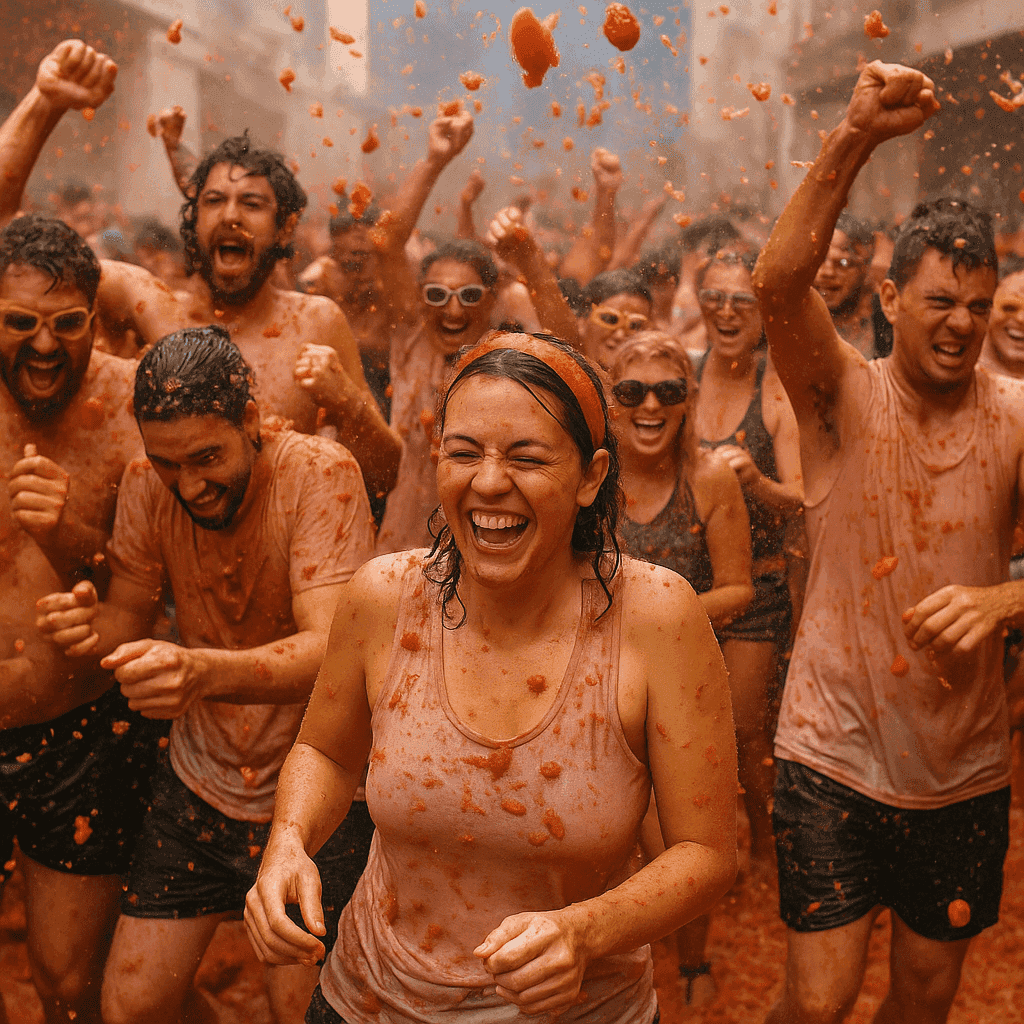
Some festivals are designed to be watched from the sidelines. Others invite everyone to participate. Whether it's joining Thailand's nationwide water fights or sliding through giant mud pools on South Korea's beaches, these celebrations are all about taking part rather than simply observing.
Songkran, Thailand
Songkran, Thailand's traditional New Year celebration, is one of the country's most energetic festivals. While it's famous for its large-scale water fights, the celebration begins with quieter traditions such as visiting temples, making merit and pouring scented water over the hands of elders as a gesture of respect.
As the day progresses, streets across Bangkok, Chiang Mai, Pattaya and other cities turn into giant community celebrations where locals and visitors join in with water guns, buckets and music.
Travel Snapshot
Usually Held: 13-15 April
Best For: Friends, solo travellers, and adventure seekers
Don't Miss: Chiang Mai's Old City celebrations, Bangkok's Silom Road, temple visits and traditional merit-making ceremonies.
Book Ahead: Songkran is one of Thailand's busiest domestic travel periods. Booking flights and accommodation 3-5 months in advance is recommended.
Festival Reality Check: Temperatures often exceed 35°C (95°F), roads may close during celebrations, and you'll almost certainly get soaked. Waterproof protection for phones, cameras, and travel documents is essential.
Festival Etiquette: Avoid splashing monks, elderly people, babies, or anyone participating in religious ceremonies. Respect local customs, even in the busiest celebration zones.
Boryeong Mud Festival, South Korea
What began as a campaign to promote Boryeong's mineral-rich mud has become one of South Korea's best-known summer festivals. Every July, Daecheon Beach transforms into a giant outdoor playground featuring mud slides, obstacle courses, mud wrestling, live music, beach games and evening entertainment.
While the atmosphere is playful, the mud itself has helped make Boryeong famous. Rich in minerals and widely used in Korean skincare products, it's one of the reasons the festival continues to attract visitors from around the world.
Travel Snapshot
Usually Held: July
Best For: Friends, families, beach holidays and active travellers
Don't Miss: Giant mud pools, mud slides, beach concerts, fireworks and local seafood.
Book Ahead: Hotels around Daecheon Beach become increasingly limited 2-3 months before the festival, especially for weekend stays.
Festival Reality Check: You'll spend most of the day outdoors under the summer sun. Bring a change of clothes, waterproof storage for valuables, and footwear suitable for wet, muddy conditions.
Spiritual Celebrations That Leave a Lasting Impression
Some festivals are celebrated with music and performances, while others are rooted in faith and centuries-old traditions. Attending these events isn't just about watching a procession or ceremony. It's an opportunity to observe how local communities continue to preserve customs that remain an important part of everyday life.
Kandy Esala Perahera, Sri Lanka
Every year, the hill city of Kandy hosts Esala Perahera, one of Asia's most significant Buddhist festivals. The celebration honours the Sacred Tooth Relic of Buddha through a series of evening processions featuring traditional drummers, dancers, whip crackers, and beautifully decorated ceremonial elephants.
Rather than taking place on a single day, the festival builds over several nights, with each procession becoming larger and more elaborate. This gives travellers flexibility to choose a quieter evening or attend the grand finale when the celebrations reach their peak.
Travel Snapshot
Usually Held: July or August (dates vary each year)
Best For: History lovers, cultural travellers, photographers, and religious heritage
Don't Miss: Kandyan dance performances, traditional drumming, the evening procession, and the Temple of the Sacred Tooth Relic.
Book Ahead: Hotels in Kandy often reach capacity 3-5 months before the festival, especially for the final procession.
Festival Etiquette: Dress modestly when visiting temples, avoid blocking the procession route, and always follow instructions from local authorities.
Traveller Note: Esala Perahera includes ceremonial elephants, and discussions around animal welfare have become increasingly important. Travellers interested in ethical tourism may wish to learn more about the festival's current practices before visiting.
Vesak, Sri Lanka
Celebrated on the full moon in May, Vesak marks the birth, enlightenment, and passing of Gautama Buddha. Across Sri Lanka, homes, temples and public spaces are decorated with colourful lanterns, while communities organise religious ceremonies and free food stalls known as dansalas, where meals and refreshments are offered to everyone.
Unlike many festivals built around entertainment, Vesak focuses on reflection, generosity and community participation. Visitors are welcome to observe celebrations respectfully and often find it to be one of the country's most meaningful cultural experiences.
Travel Snapshot
Usually Held: May (Full Moon Day)
Best For: Cultural travel, spiritual experiences, and families
Don't Miss: Lantern displays, temple visits, illuminated streets, and community dansalas.
Book Ahead: Vesak attracts domestic travellers across Sri Lanka, so accommodation in major cities is best booked 2-3 months in advance.
Festival Etiquette: Wear clothing that covers your shoulders and knees, remove footwear before entering temples, and avoid loud conversations during religious ceremonies.
Extraordinary Festivals Found Only in India
India celebrates thousands of festivals every year, but a few have become destinations in their own right. These events combine local traditions, regional culture and unique landscapes, giving travellers experiences that simply can't be replicated elsewhere in Asia.
Pushkar Camel Fair, Rajasthan
Every autumn, the desert town of Pushkar welcomes traders, pilgrims, photographers and travellers for one of the world's largest camel fairs. While camel trading remains part of the event, today's Pushkar Camel Fair also features folk performances, traditional sports, handicraft markets, cultural competitions and vibrant celebrations across the town.
The combination of Rajasthan's desert landscape, colourful attire and centuries-old traditions makes Pushkar one of India's most distinctive cultural festivals.
Travel Snapshot
Usually Held: October or November
Best For: Photography, Rajasthan culture and heritage travel
Don't Miss: Camel trading grounds, folk performances, handicraft markets, Pushkar Lake and sunrise over the sand dunes.
Book Ahead: Accommodation often fills 3-4 months before the fair, particularly properties close to Pushkar Lake.
Festival Reality Check: Expect long walking distances, dusty conditions, and large crowds throughout the main festival days. Comfortable footwear, sun protection, and reusable water bottles make the experience much easier.
Rann Utsav, Gujarat
Held on the vast white salt desert of the Great Rann of Kutch, Rann Utsav showcases Gujarat's crafts, folk music, cuisine, and cultural traditions over several months each winter. Visitors can stay in the famous Tent City, explore artisan villages, enjoy cultural performances, and experience the remarkable landscape at sunrise, sunset, or under a full moon.
Unlike most festivals, the destination itself is just as memorable as the celebrations, making it ideal for travellers looking to combine culture with one of India's most unusual natural landscapes.
Travel Snapshot
Usually Held: November to February
Best For: Winter holidays, families, photographers, and cultural experiences
Don't Miss: White Rann at sunrise or full moon, Tent City, local handicrafts, and Gujarati folk performances.
Book Ahead: Premium accommodation inside Tent City is often reserved 3-6 months in advance, particularly during weekends and public holidays.
Travel Requirements: Entry to the White Rann requires a White Rann Permit, which can be obtained online or at authorised permit centres before entering the restricted area.
Festival Reality Check: Winter evenings in the Rann can become surprisingly cold despite warm daytime temperatures, so carrying a light jacket is recommended.
Planning Your Festival Trip in Asia
A little planning can make a significant difference to your festival experience.
- Confirm festival dates before booking. Many festivals follow lunar or regional calendars, so dates can change each year.
- Reserve flights and hotels early. Major festivals often coincide with domestic holidays, leading to limited availability and higher demand.
- Learn local customs. Simple gestures, such as dressing appropriately at religious festivals or following local traditions, help create a more respectful experience.
- Prepare for seasonal conditions. Spring festivals may bring crowds, while summer celebrations can involve high temperatures, humidity or heavy rain depending on the destination.
- Check permits and ticket requirements. Some festivals require advance tickets, while destinations such as Nagaland and the White Rann have entry permits that should be arranged before travelling.
Good planning allows you to spend less time worrying about logistics and more time enjoying the celebration itself.
Your Festival Calendar Starts Here
Asia's biggest festivals aren't confined to one season. Spring brings cherry blossoms to Japan and South Korea, summer fills Kyoto and Kandy with historic processions, autumn welcomes Rajasthan's famous camel fair and winter celebrates tribal culture in Nagaland and the white salt desert of Kutch.
The best approach isn't to choose a destination first and hope a festival happens during your visit. Instead, decide which celebration you want to experience, then plan your trip around those dates. You'll not only witness the festival itself but also experience the destination when its traditions, communities and local culture are at their most vibrant.
Whether you're travelling for photography, history, spirituality, or adventure, timing your holiday around a festival often turns an ordinary trip into one you'll remember for years.
Ready to Experience Asia's Biggest Festivals?
Planning a festival trip involves more than booking flights. Popular celebrations often require early hotel reservations, festival tickets, permits or carefully planned itineraries to make the most of your visit.
Whether you're hoping to experience Japan's Cherry Blossom Season, Thailand's Yi Peng Lantern Festival, Bhutan's Paro Tshechu or India's Hornbill Festival, Desh Videsh Travels can help you plan a journey around the experiences that matter most.
Explore our destination guides for travel inspiration or browse our international tour packages to start planning your next festival adventure.