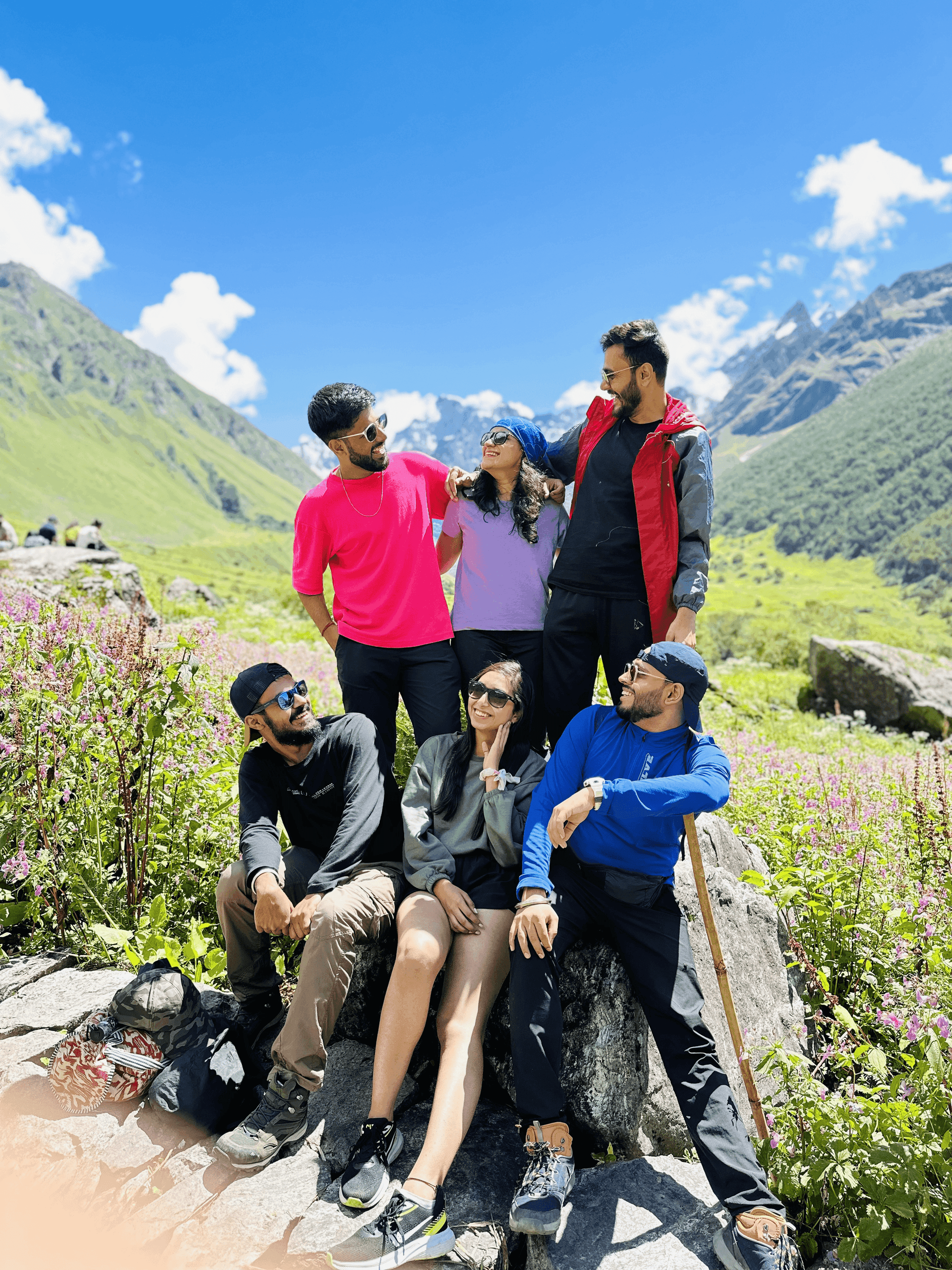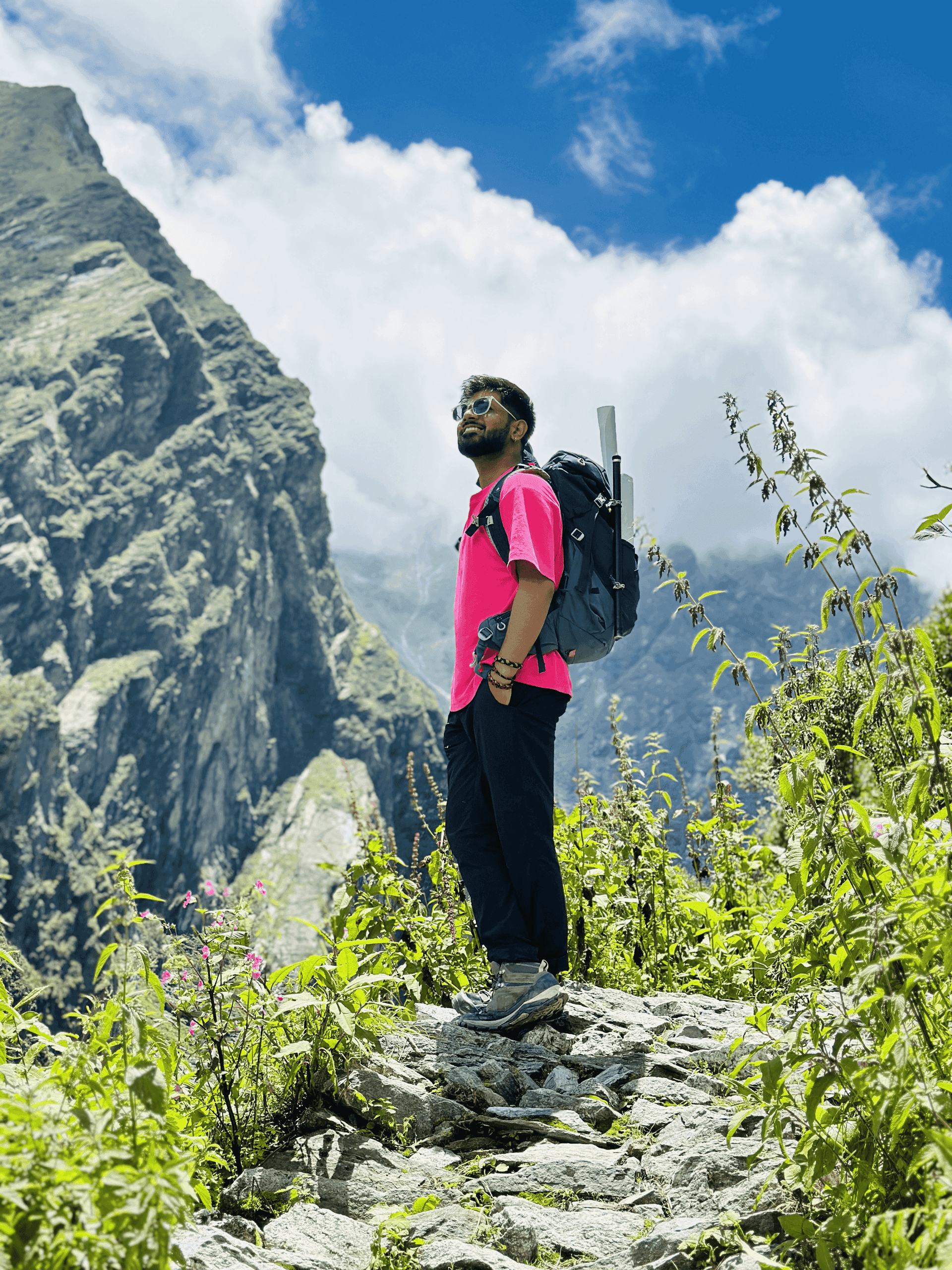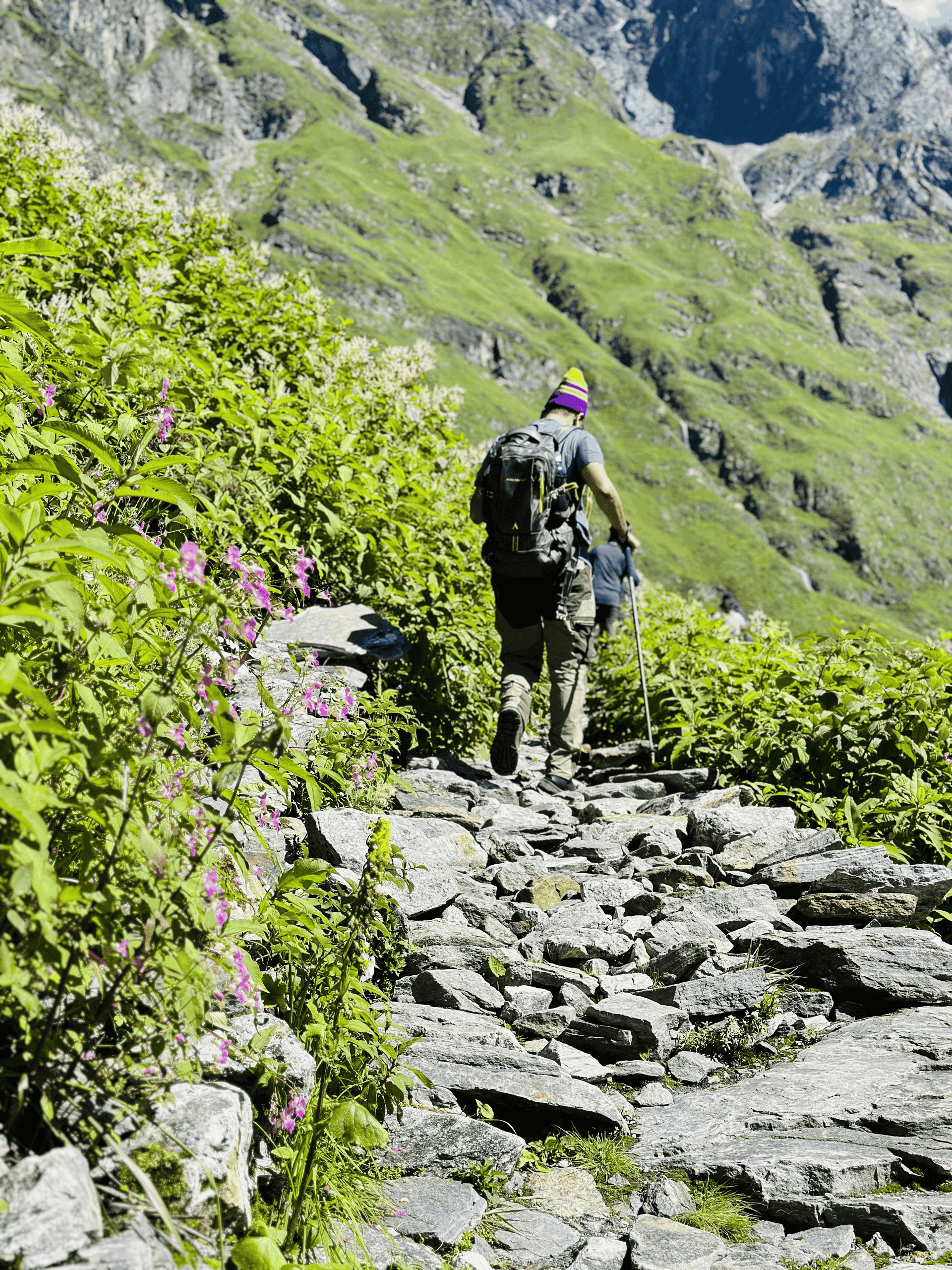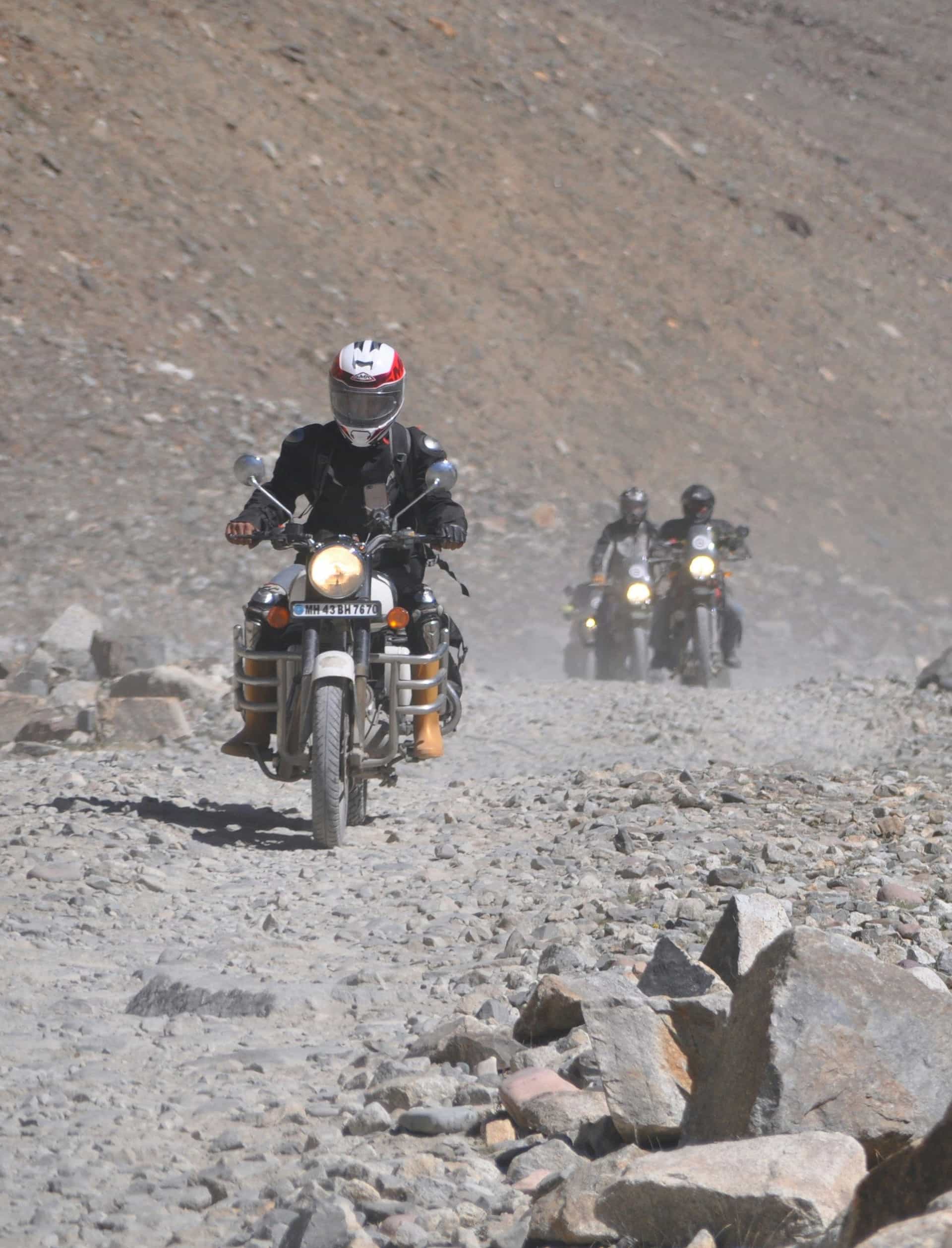
Some destinations are beautiful. But some journeys become the destination itself.
That’s what makes road trips in India feel different.
One moment you’re driving through mist-covered forests in the Western Ghats.
A few days later, you’re crossing cold deserts in Spiti, mountain passes in Ladakh or empty highways cutting through Rajasthan’s golden landscapes.
The scenery changes constantly.
So does the pace of travel.
Road trips in India are not just about reaching a place quickly.
They’re about slowing down enough to notice:
- roadside cafés
- changing landscapes
- hidden villages
- mountain sunsets
- chai stops
- riverside roads
- conversations with locals
- unexpected detours
From Himalayan expeditions and monsoon drives to desert highways and coastal escapes, India offers some of the most diverse road-trip experiences in the world.
Why India is Perfect for Road Trips
One of the biggest reasons road trips in India feel so rewarding is because of the country’s geographic diversity.
Travelers can experience:
- Himalayan mountain roads
- coastal highways
- rainforest routes
- desert landscapes
- tea plantations
- cold deserts
- valley roads
- remote village circuits
often within completely different parts of the country.
And unlike fast-paced flights or train journeys, road trips allow travelers to experience:
- slower movement
- spontaneous detours
- hidden cafés
- local food stops
- scenic pauses
- offbeat places
which often become the most memorable parts of the journey.
Himalayan Highways in India: Ladakh, Spiti & Mountain Expeditions
The Himalayas are home to some of the most iconic road trips in India.
These journeys are known for:
- dramatic mountain landscapes
- changing terrain
- high-altitude passes
- remote valleys
- glacier-fed rivers
- unforgettable driving experiences
Modern Himalayan road trips also increasingly require:
- weather flexibility
- permit awareness
- fuel planning
- acclimatization
- seasonal route understanding
especially across high-altitude regions.
Manali to Leh Road Trip
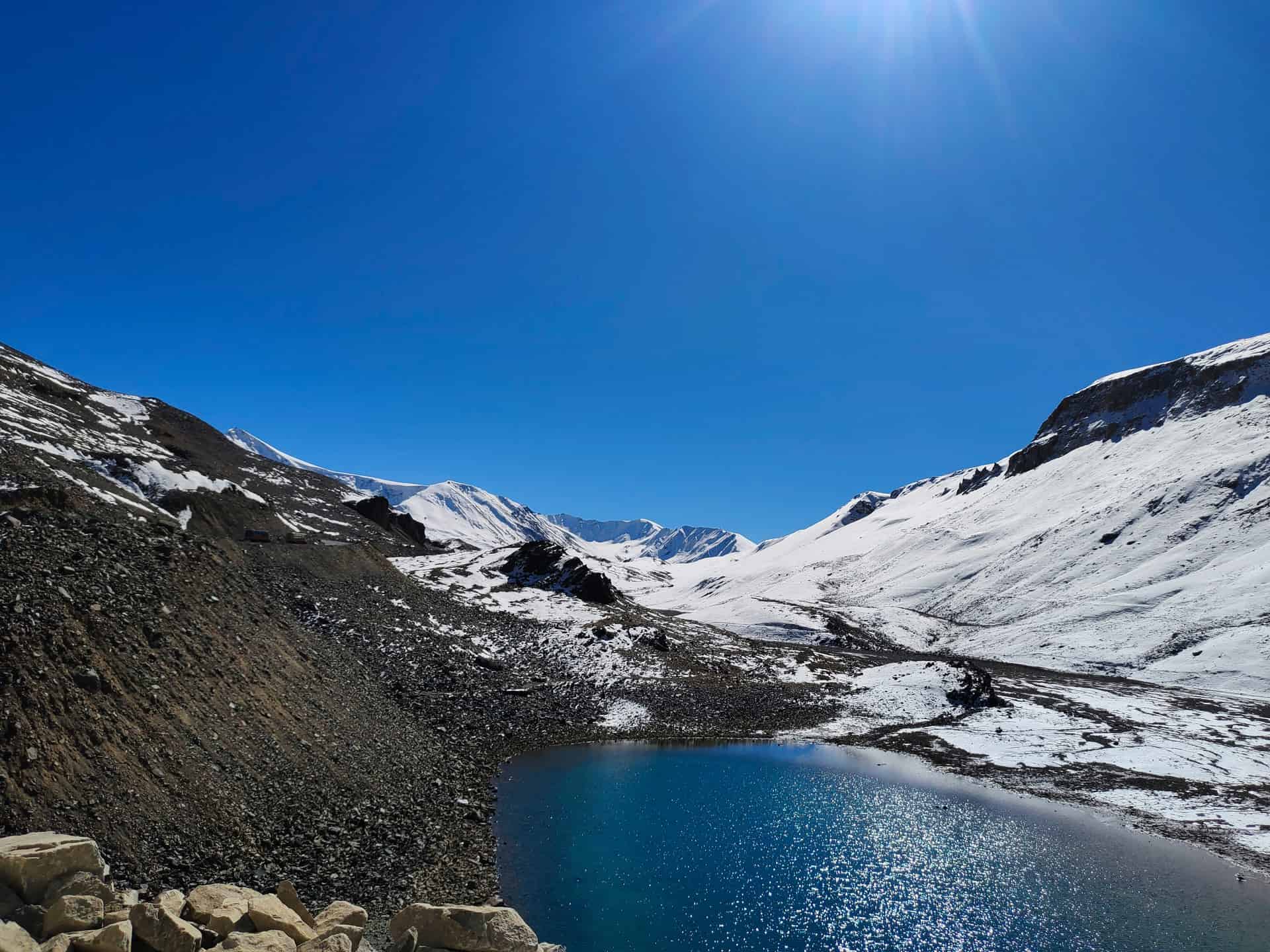
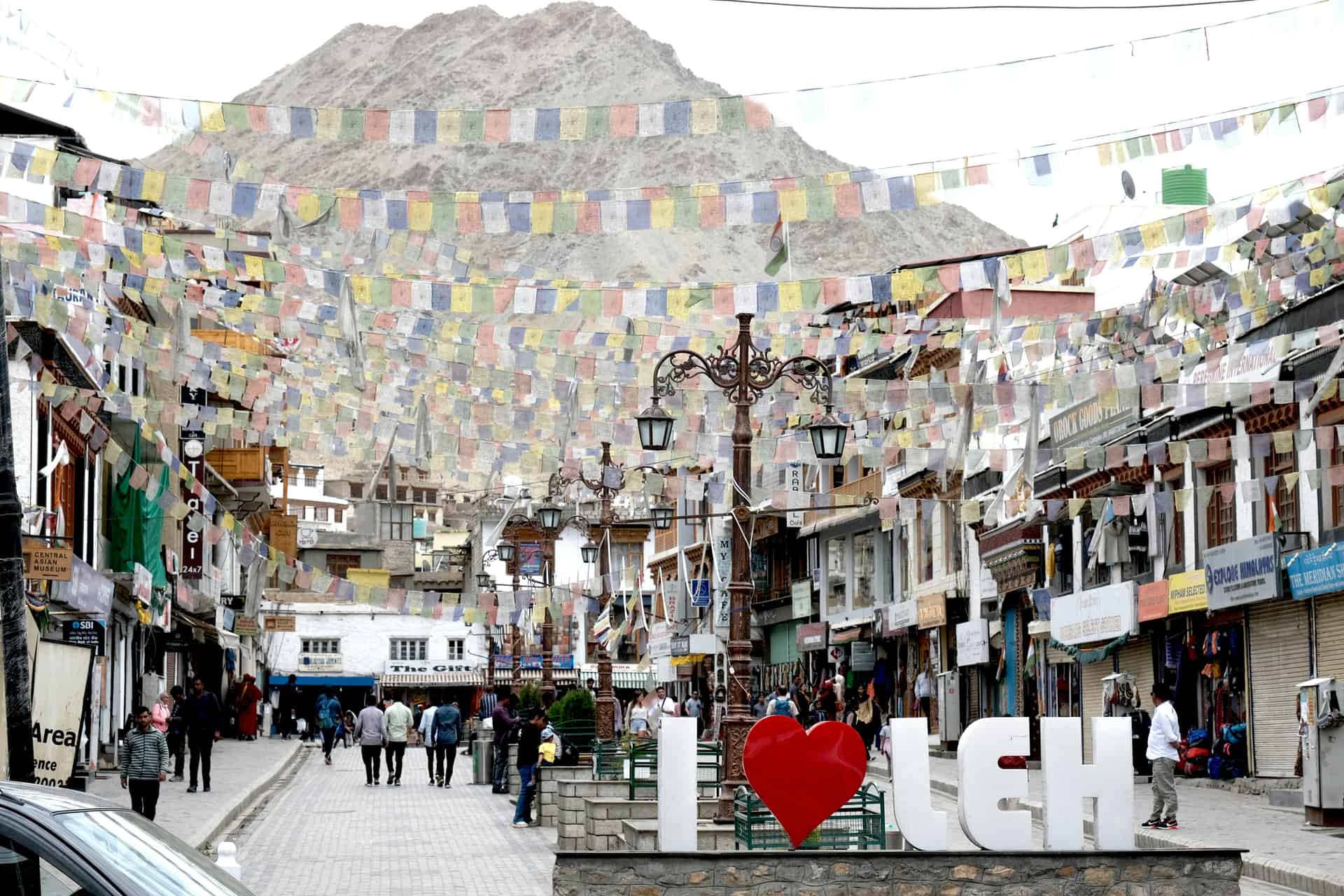
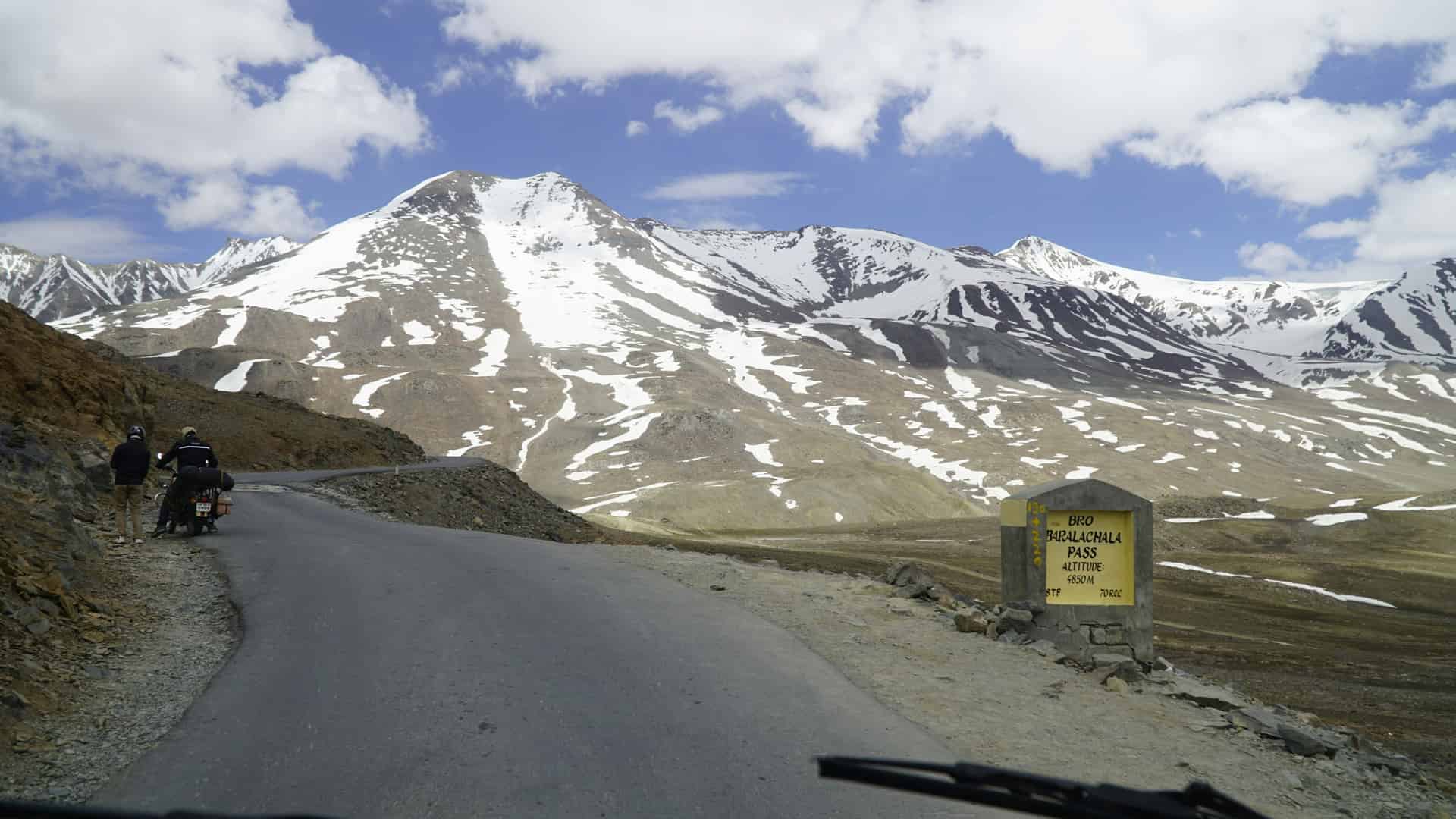
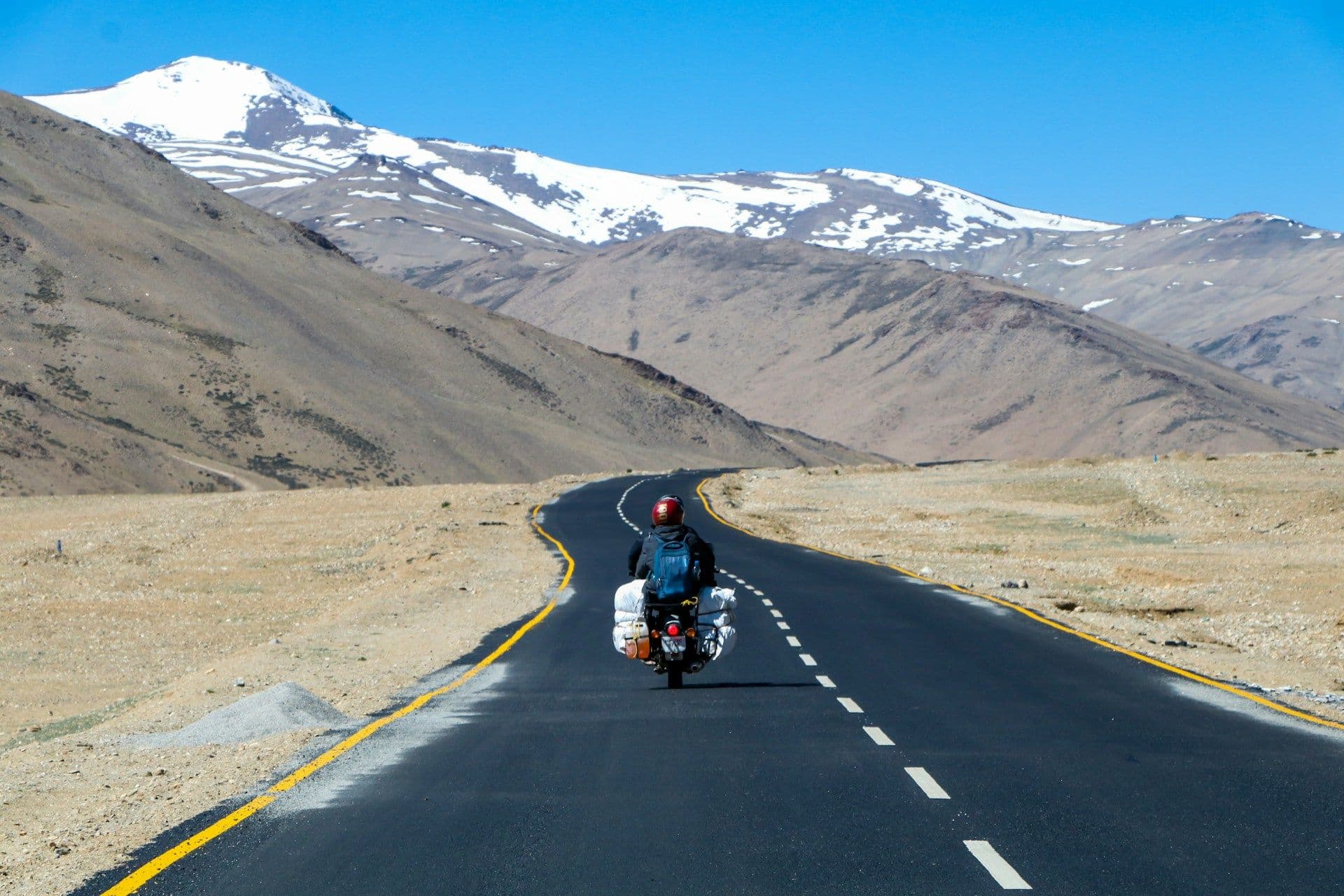
The Manali to Leh Highway remains one of the most legendary road trips in India.
The route passes through:
- high mountain passes
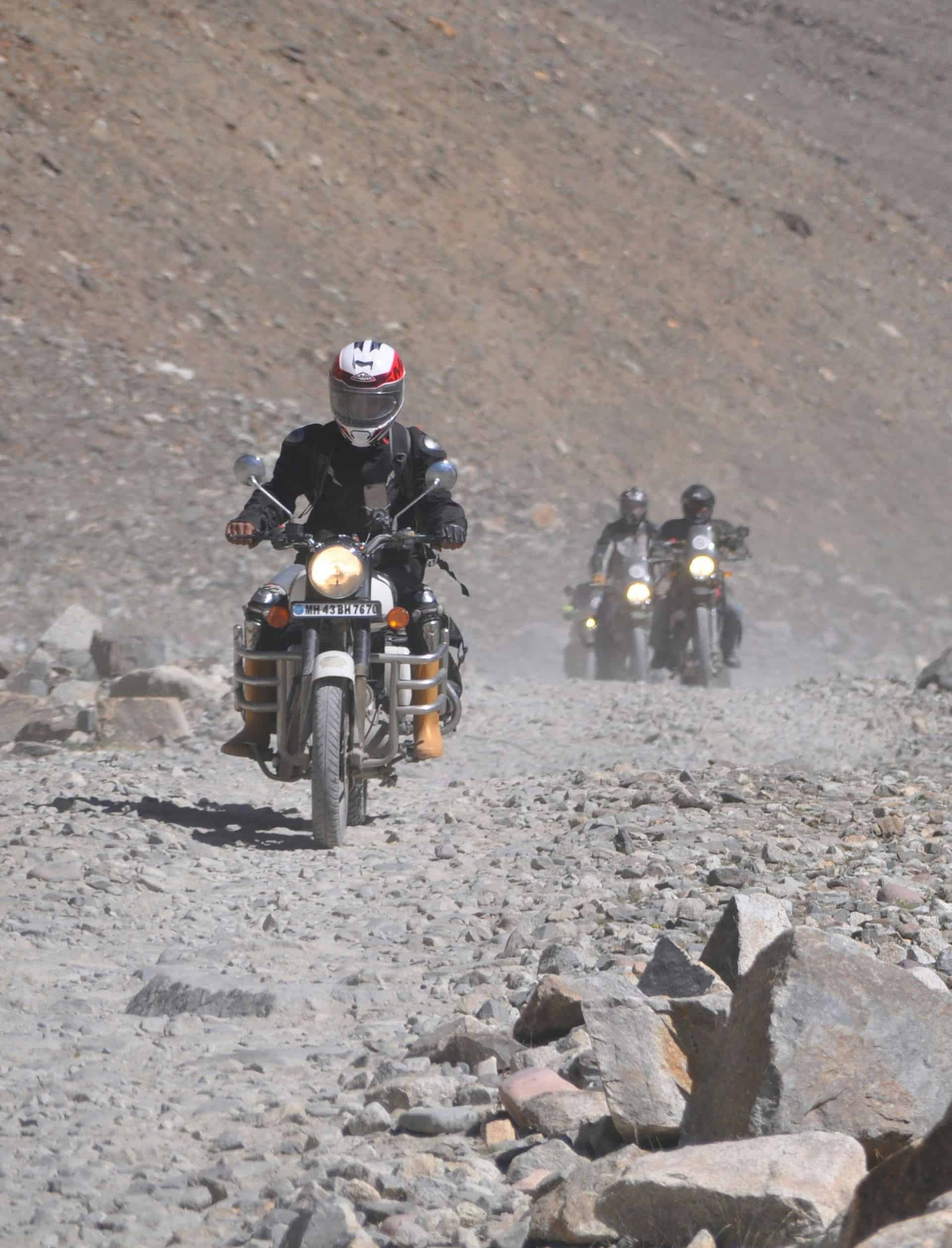
- barren cold deserts
- riverside landscapes
- remote Himalayan settlements
making it one of the most visually dramatic drives in the country.
The journey usually includes:
- Atal Tunnel
- Jispa
- Sarchu
- Pang
- More Plains
- Tanglang La
Because of altitude and unpredictable mountain conditions, acclimatization and slower travel pacing become extremely important.
During early summer reopening periods, authorities may sometimes implement controlled or alternate-day traffic systems across sensitive stretches like Darcha–Sarchu, depending on snow clearance and road conditions.
Fuel planning also becomes critical here. The Tandi petrol pump near Keylong remains one of the last major fuel stops before long remote stretches toward Leh.
Travelers exploring this circuit can also explore:
for broader Himalayan planning.
Spiti Valley Road Trip, Himachal Pradesh
The Spiti Valley circuit is one of the most popular Himalayan road trips in India.
The route combines:
- mountain villages
- monasteries
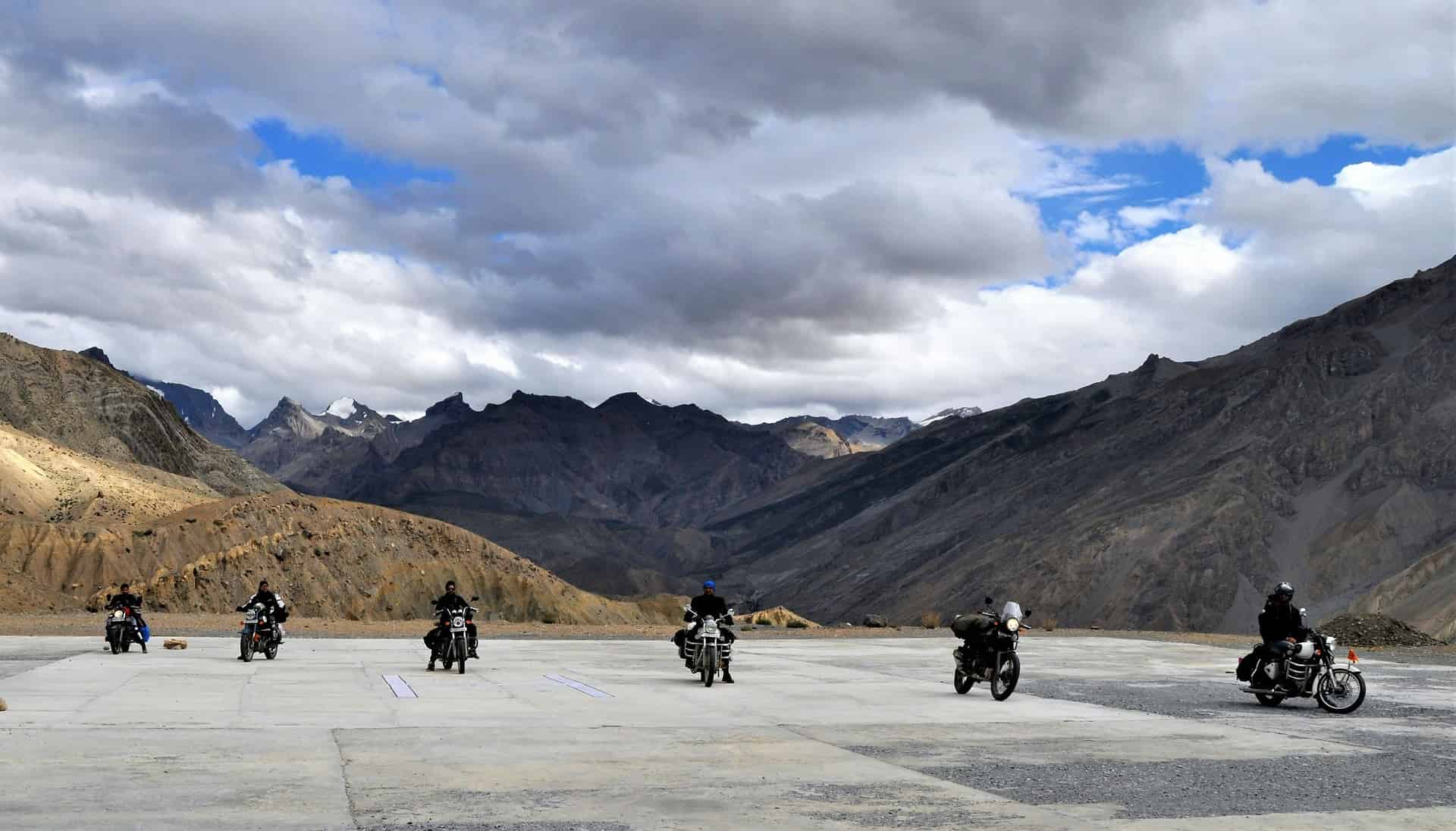
- high-altitude desert landscapes
- dramatic valley roads
- remote Himalayan culture
Unlike greener Himalayan regions, Spiti feels raw, stark, and almost otherworldly.
The full circuit usually includes:
- Shimla
- Kalpa
- Nako
- Tabo
- Kaza
- Chandratal
- Manali
Road conditions can change quickly because of weather and landslides, especially during the shoulder seasons.
Travelers should also understand that the full Spiti circuit usually becomes accessible only after Kunzum Pass officially reopens for the season.
The beauty of this journey is not just the destination itself, but the constant transition between landscapes from pine forests in Kinnaur to barren mountain deserts deep inside Spiti.
Travelers planning this region can also explore:
Srinagar to Leh Road Trip
Compared to the Manali-Leh route, the Srinagar-Leh Highway feels slightly greener and more gradual in terms of altitude gain.
The journey includes:
- Kashmir Valley landscapes
- Zoji La Pass
- Kargil
- Lamayuru
- Ladakh mountain scenery
This route works especially well for travelers wanting a slower acclimatization experience.
Traffic movement and weather conditions near Zoji La can still create delays during heavy snowfall or road-clearing periods.
Travelers exploring this region can also explore:
for broader Himalayan journeys.
Tawang Road Trip, Arunachal Pradesh
The Tawang route is one of the most scenic road trips in Northeast India.
The drive passes through:
- mountain monasteries
- cloud-covered valleys
- high-altitude roads
- forest landscapes
- remote Himalayan villages
The newer Sela Tunnel route has significantly improved connectivity and made the journey safer during foggy and snowfall-prone conditions.
Long stretches of this road trip feel incredibly peaceful, especially once the larger towns disappear and the Himalayan landscapes begin to dominate the horizon.
Because of weather unpredictability and permits, flexible planning is still important for this circuit.
Travelers planning this route can also explore:
for broader Northeast experiences.
Best Monsoon Road Trips in India
Monsoon road trips feel completely different from Himalayan expeditions.
These drives are known for:
- mist-covered roads
- waterfalls
- forest landscapes
- greener scenery
- slower travel experiences
Mumbai to Goa Road Trip
The Mumbai to Goa drive remains one of the most iconic coastal road trips in India.
The route becomes especially beautiful during the monsoon because of:
- lush greenery
- waterfalls
- Konkan roads
- sea views
- coastal villages
Travelers often prefer slower detours through:
- Ganpatipule
- Tarkarli
- Ratnagiri
- smaller Konkan towns
instead of rushing directly toward Goa.
The improved highway infrastructure has made this route significantly smoother over the past few years, especially for self-driving travelers.
This route is also becoming increasingly EV-friendly because of the improving fast-charging infrastructure along major highway stretches.
Bangalore to Coorg Road Trip
This is one of the most relaxing road trips in South India.
The drive includes:
- coffee plantations
- forest roads
- hill landscapes
- monsoon scenery
making it ideal for slower weekend travel.
The experience feels less like a highway journey and more like a gradual transition into quieter landscapes filled with rain, greenery and plantation-covered hills.
Meghalaya Road Trip
Road trips through Meghalaya feel atmospheric throughout the year, especially during the monsoon and post-monsoon seasons.
The journey includes:
- waterfalls
- rainforest roads
- living root bridges
- mist-covered valleys
- cloud-filled landscapes
Shillong, Cherrapunji, Dawki and Mawlynnong are among the most popular stops.
Some stretches feel almost unreal during monsoon, especially when clouds begin drifting across roads and waterfalls appear around nearly every turn.
Travelers planning this region can also explore:
for broader Northeast travel experiences.
Best Desert Road Trips in India
India’s desert highways offer a completely different kind of road-trip atmosphere.
The landscapes feel slower, emptier, warmer and more cinematic.
Rajasthan Road Trip
A Rajasthan road trip combines:
- desert highways
- forts
- heritage towns
- local food
- colorful markets
- slower cultural travel
Popular road-trip circuits often include:
- Jaipur
- Jodhpur
- Jaisalmer
- Udaipur
- Pushkar
Winter remains the best season for exploring Rajasthan by road.
Unlike Himalayan drives, Rajasthan road trips feel less about dramatic terrain and more about long open highways, heritage architecture, desert sunsets and slower cultural exploration.
Travelers planning longer cultural journeys can also explore Rajasthan tour packages.
Best Coastal Road Trips in India
Coastal road trips in India are less about speed and more about atmosphere.
These journeys usually involve:
- sea-facing roads
- beach towns
- cafés
- seafood stops
- slower travel experiences
Goa to Gokarna Road Trip
The Goa to Gokarna drive is one of the most scenic short coastal road trips in India.
The route includes:
- beach landscapes
- cliffside roads
- cafés
- hidden beaches
- coastal sunsets
The slower pace of this journey makes it especially popular among backpackers and long-stay travelers.
Chennai to Pondicherry Road Trip
The East Coast Road between Chennai and Pondicherry remains one of the smoothest coastal drives in India.
The route combines:
- ocean views
- cafés
- beach stops
- slower coastal movement
making it ideal for shorter weekend escapes.
Early morning drives on this route feel especially peaceful, with long ocean stretches, quieter roads and sea-facing cafés slowly opening along the coastline.
The Chennai–Pondicherry route is also becoming increasingly popular among EV travelers because of the growing highway charging infrastructure.
Best Offbeat Road Trips in India
Some of the best road trips are not necessarily the most famous ones.
Offbeat journeys often feel:
- quieter
- less commercialized
- more immersive
- slower
- more personal
Ziro Valley Road Trip, Arunachal Pradesh
The drive toward Ziro Valley feels incredibly scenic because of:
- forest roads
- rice fields
- mountain villages
- slower Northeast landscapes
The region feels significantly calmer compared to heavily commercialized hill stations.
Travelers planning slower Northeast journeys can also explore Arunachal Pradesh tour packages.
Kinnaur Road Trip, Himachal Pradesh
Kinnaur remains one of the most underrated Himalayan road-trip regions in India.
The journey combines:
- cliffside roads
- apple orchards
- mountain villages
- monasteries
- dramatic Himalayan scenery
Some sections of the drive feel both beautiful and intimidating at the same time, especially where narrow mountain roads cut directly through steep rocky cliffs.
The Modern Reality of Road Trips in India
Road trips in India have changed significantly over the past few years.
Several popular routes now experience:
- overtourism
- permit systems
- eco-fees
- seasonal closures
- traffic bottlenecks
- weather-based restrictions
especially in sensitive Himalayan regions.
Digital Permits, FASTag & Road Registrations
Several mountain regions now increasingly require:
- digital registrations
- eco-zone permits
- vehicle entry systems
- environmental fees
especially across:
- Ladakh
- Spiti
- Arunachal Pradesh
- protected Northeast regions
Travelers should also carry:
- physical ID proof
- offline hotel bookings
- downloaded route maps
because mobile networks remain inconsistent in remote regions.
Most major highways in India are now heavily FASTag-dependent, so travelers should verify FASTag activation and KYC updates before starting longer road trips.
EV Charging & Fuel Planning
Electric vehicle infrastructure is improving rapidly across India.
Several major highways and expressways now offer significantly better fast-charging networks for long-distance travel.
However, remote Himalayan regions still have limited charging infrastructure.
Fuel and charging planning remain especially important across:
- Ladakh
- Spiti
- remote Arunachal routes
where long fuel gaps are common.
Weather Alerts & Road Safety
Mountain and monsoon road conditions can change rapidly.
Travelers should always stay aware of:
- landslide zones
- flash-flood risks
- snowfall conditions
- fog-heavy roads
- black ice during winter
especially in the Himalayan and Western Ghats regions.
Severe rainfall or weather alerts can also temporarily restrict highway movement in sensitive mountain and monsoon-prone regions.
Responsible Road Travel Matters
Road-trip culture in India is growing rapidly.
But many scenic regions are also facing:
- littering
- overcrowding
- traffic pressure
- environmental stress
Travelers should avoid:
- leaving waste behind
- loud music in quieter villages
- unsafe off-roading
- damaging forest or mountain ecosystems
because slow and respectful travel helps preserve these landscapes for future journeys.
Quick Road Trip Comparison Guide
Road Trip | Best Season | Experience Type |
| Manali to Leh | Summer | High-altitude Himalayan expedition |
| Spiti Valley Circuit | Summer & Autumn | Cold desert road trip |
| Mumbai to Goa | Monsoon & Winter | Coastal drive |
| Rajasthan Circuit | Winter | Desert & heritage journey |
| Meghalaya Road Trip | Monsoon & Post-Monsoon | Waterfalls & rainforest landscapes |
| Goa to Gokarna | Winter | Slow coastal escape |
| Tawang Road Trip | Spring & Autumn | Northeast Himalayan journey |
Best Time for Road Trips in India
Different seasons create completely different driving experiences across India.
Summer (April to June)
Best for:
- Ladakh
- Spiti
- Himalayan circuits
- high-altitude road trips
because mountain roads gradually reopen during this period.
Monsoon (July to September)
Best for:
- Western Ghats
- Meghalaya
- coastal drives
- rainforest routes
However, travelers should also expect:
- landslides
- slippery roads
- low visibility
- slower travel conditions
during heavy rainfall periods.
Autumn (September to November)
Autumn is considered one of the best seasons for road trips because of:
- clearer skies
- stable weather
- greener post-monsoon landscapes
- better mountain visibility
This season works especially well for:
- Himalayan photography
- long-distance drives
- Northeast road trips
Winter (November to February)
Winter is ideal for:
- Rajasthan
- coastal drives
- South India road trips
while several high-altitude Himalayan routes may partially close because of snowfall.
Are Road Trips in India Worth Experiencing?
Absolutely. Road trips in India are not just about driving between destinations.
They’re about slowly watching landscapes change —
from forests to deserts,
from coastlines to mountains,
from crowded cities to quiet villages hidden deep inside valleys.
And often,
The moments travelers remember most are not the destinations themselves.
But the roads that connected them.