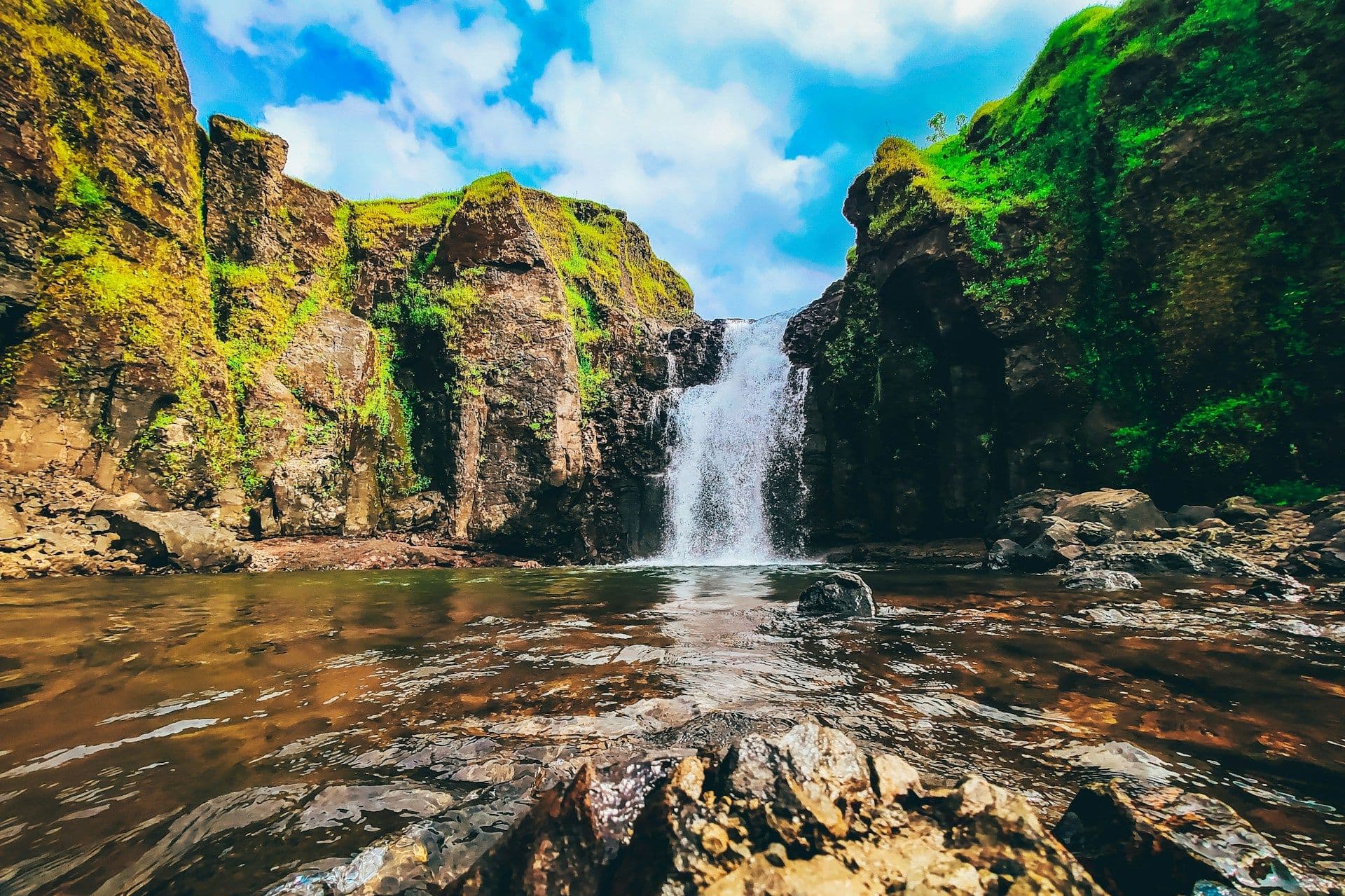
Some waterfalls are loud and dramatic. Others are hidden deep inside forests where the only sound is water hitting rocks and trees moving slowly in the wind.
That’s what makes chasing waterfalls in India feel so special.
One journey may take you through mist-covered cliffs in Meghalaya.
Another through dense monsoon forests in Karnataka.
And somewhere in Himachal or Kerala, a narrow trail may suddenly open into a waterfall hidden between mountains, pine trees or rainforest valleys.
But the best waterfalls in India are not just about the height of the fall itself.
They’re about:
- the journey to reach them
- the changing weather
- the forest atmosphere
- the sound of flowing water
- the landscapes around them
From Himalayan waterfalls and rainforest cascades to monsoon-hidden forest falls, India offers some of the most beautiful waterfall experiences in the world.
Why India Has Some of the Most Beautiful Waterfalls in the World
India’s geographic diversity creates completely different waterfall landscapes across the country.
Travelers can experience:
- rainforest waterfalls
- cliffside cascades
- Himalayan glacier-fed falls
- jungle streams
- monsoon waterfalls
- hidden forest pools
- valley waterfalls
across entirely different ecosystems.
And unlike many tourist attractions, waterfalls often feel deeply connected with:
- weather
- seasonality
- forests
- mountain terrain
- monsoon landscapes
which makes every visit feel slightly different depending on the time of year.
Quick Waterfall Comparison Guide
Waterfall | Region | Best Season | Experience Type |
| Nohkalikai Falls | Meghalaya | Monsoon & Post-Monsoon | Cliffside waterfall |
| Jogini Falls | Himachal Pradesh | Summer & Monsoon | Himalayan trek waterfall |
| Athirappilly Falls | Kerala | Monsoon | Rainforest waterfall |
| Dudhsagar Falls | Goa | Monsoon | Western Ghats waterfall |
| Jog Falls | Karnataka | Monsoon | Massive plunge waterfall |
| Krang Suri | Meghalaya | Summer & Monsoon | Swimming-friendly waterfall |
Best Waterfalls in Meghalaya
Meghalaya is often considered the waterfall capital of India.
During monsoon and post-monsoon seasons, nearly every valley, cliff and forest road in the state begins overflowing with waterfalls.
Nohkalikai Falls
Nohkalikai Falls is one of the tallest and most famous waterfalls in India.
Located near Cherrapunji, the waterfall is known for:
- dramatic cliff drops
- cloud-covered landscapes
- turquoise water pools
- monsoon scenery
The surrounding viewpoints become especially atmospheric during foggy weather when clouds slowly move across the valley.
Travelers exploring this region can also explore:
for broader Northeast travel planning.
Seven Sisters Falls
Seven Sisters Falls becomes most powerful during the monsoon when multiple streams begin flowing simultaneously across the cliffs.
The waterfall is especially popular for:
- panoramic valley views
- monsoon photography
- cloud-covered landscapes
The surrounding roads and viewpoints often feel cinematic during heavy rainfall.
Wei Sawdong Waterfall
Wei Sawdong has become one of the most visually recognizable waterfalls in Meghalaya.
The waterfall is known for:
- multi-tiered cascades
- emerald water pools
- hidden forest setting
The final descent toward the waterfall can become slippery during the monsoon, so slower movement and proper footwear become important.
Unlike more accessible tourist waterfalls, Wei Sawdong feels more adventurous and less commercialized.
Travelers should also note that mobile connectivity around the waterfall remains extremely limited, making it feel more like a digital detox experience.
Krang Suri Waterfall
Krang Suri is famous for its:
- bright blue water
- forest landscapes
- swimming-friendly pools
- peaceful atmosphere
Compared to larger waterfalls, Krang Suri feels calmer and more immersive.
Several waterfall regions in Meghalaya are also gradually introducing QR-based ticket systems and visitor management to reduce overcrowding during peak travel periods.
Travelers planning this region can also explore:
Best Waterfalls in Himachal Pradesh
Himachal Pradesh offers a completely different waterfall experience compared to Meghalaya.
Here, waterfalls often appear between:
- pine forests
- mountain roads
- glacier-fed valleys
- hidden Himalayan villages
Jogini Falls, Manali
Jogini Falls remains one of the most popular waterfalls near Manali.
The short trek toward the waterfall passes through:
- apple orchards
- cafés
- mountain trails
- forest sections
The upper sections of the waterfall feel significantly quieter compared to the crowded lower viewpoint areas.
Travelers planning this region can also explore:
The waterfall area also remains one of the more connected Himalayan spots with relatively stable mobile and 5G coverage near the café zones and lower trail sections.
Bhagsu Waterfall, McLeod Ganj
Bhagsu Falls is one of the most visited waterfalls near Dharamshala and McLeod Ganj.
The waterfall combines:
- café culture
- mountain scenery
- forest trails
- shorter hikes
Travelers often continue slightly beyond the main waterfall area where the atmosphere becomes quieter and less crowded.
Travelers exploring this region can also explore:
Rahala Falls
Located on the Manali-Leh route, Rahala Falls feels more like a mountain roadside pause than a traditional tourist stop.
The waterfall becomes especially beautiful during:
- snowmelt season
- summer reopening months
- greener Himalayan periods
because of the glacier-fed water flow.
Chhoie Waterfall, Tirthan Valley
Chhoie Waterfall remains one of the quieter waterfall experiences in Himachal Pradesh.
The trail passes through:
- forest paths
- riverside sections
- village landscapes
creating a slower and more immersive experience compared to commercial tourist spots.
Locals also consider the surrounding region spiritually important, so respectful behavior near the area is appreciated.
Unlike heavily connected tourist destinations, this region often has weak or unstable network coverage, making it feel quieter and far more disconnected from crowded city life.
Travelers exploring this ecosystem can also explore:
Best Waterfalls in South India
South India offers some of the most dramatic monsoon and rainforest waterfall experiences in the country.
These waterfalls are often surrounded by:
- tropical forests
- tea plantations
- wildlife regions
- greener landscapes
Athirappilly Waterfalls, Kerala
Athirappilly is often called the “Niagara Falls of India.”
The waterfall becomes especially powerful during the monsoon when massive water flow transforms the surrounding rainforest landscape.
The region is known for:
- dense forest atmosphere
- cinematic scenery
- monsoon photography
- wildlife ecosystems
Because of increasing tourist flow, several eco-sensitive waterfall regions in Kerala now actively regulate visitor movement and parking during peak monsoon periods.
Soochipara Waterfalls, Wayanad
Soochipara Waterfalls combines:
- rainforest trekking
- rocky pools
- cliffside scenery
- forest landscapes
The route toward the waterfall feels especially atmospheric during the monsoon.
The moss-covered rocks around the waterfall can become extremely slippery, making anti-skid sandals or strong-grip trekking footwear far more useful than regular sneakers.
Abbey Falls, Coorg
Abbey Falls remains one of the most accessible waterfalls in Karnataka.
The surrounding region is famous for:
- coffee plantations
- mist-covered roads
- monsoon landscapes
- slower hill-station travel
Travelers exploring this region can also explore:
- Coorg road trip routes
- South India monsoon journeys
- Best road trips in India
The waterfall also remains relatively well connected with stable network availability compared to more remote forest waterfall locations.
Jog Falls, Karnataka
Jog Falls is one of the tallest plunge waterfalls in India.
The waterfall becomes most dramatic during the monsoon when the Sharavathi River reaches peak flow.
The surrounding viewpoints offer:
- deep valley scenery
- heavy mist
- massive water volume
- dramatic monsoon landscapes
Monsoon Waterfalls in India: Western Ghats & Rainforest Cascades
Monsoon completely transforms waterfall travel in India.
Several waterfalls that appear smaller during summer become dramatically larger during peak rainfall months.
However, monsoon travel also requires:
- weather awareness
- slower movement
- flexible planning
- trail caution
especially across forest and mountain regions.
Dudhsagar Falls, Goa
Dudhsagar remains one of the most famous monsoon waterfalls in India.
Surrounded by:
- forests
- railway bridges
- monsoon greenery
- Western Ghats landscapes
the waterfall becomes especially cinematic during rainy months.
Walking directly along the railway tracks toward Dudhsagar is now heavily restricted and unsafe. Travelers usually access the waterfall through regulated jeep safari routes and designated entry systems.
Access routes can occasionally close during severe monsoon conditions, so weather flexibility becomes important.
Travelers exploring broader monsoon circuits can also explore:
Thoseghar Waterfalls, Maharashtra
Thoseghar is one of Maharashtra’s most scenic monsoon waterfall regions.
The area becomes covered with:
- fog
- waterfalls
- green valleys
- cloud-filled viewpoints
during the peak rainfall season.
During severe rainfall alerts, authorities may temporarily restrict access to waterfall regions across Maharashtra and the Western Ghats for safety reasons.
Best Hidden & Offbeat Waterfalls in India
Some of the most memorable waterfalls are often the least crowded ones.
These places usually require:
- short hikes
- forest walks
- rougher roads
- slower exploration
but feel significantly more peaceful in return.
Bahu Waterfall, Himachal Pradesh
Bahu Waterfall remains one of the lesser-known waterfall experiences near the Jibhi region.
The route involves:
- forest trails
- rocky terrain
- quieter landscapes
making it feel far more offbeat compared to mainstream Himachal tourist spots.
Hidden Waterfalls Near Mawlynnong
Several hidden waterfalls around Meghalaya’s village regions remain relatively unexplored compared to the more famous Cherrapunji circuit.
These waterfalls often feel:
- quieter
- more natural
- less commercialized
- deeply connected with forest landscapes
The slower village atmosphere around these regions creates a very different experience compared to heavily crowded tourist waterfall destinations.
Travelers exploring these regions can also explore:
The Modern Reality of Waterfall Travel in India
Waterfall tourism in India has changed significantly over the past few years.
Several popular waterfall regions now experience:
- overtourism
- littering
- traffic congestion
- seasonal restrictions
- eco-fees
- trail maintenance systems
especially during the monsoon.
Monsoon Safety, Flash Floods & Weather Alerts
Waterfall landscapes can become unpredictable during heavy rainfall.
Travelers should always remain aware of:
- slippery rocks
- sudden water-flow increases
- landslide zones
- flash-flood risks
- restricted access areas
especially during peak monsoon periods.
Several waterfall regions now temporarily restrict access during severe rainfall alerts or flash-flood warnings, especially during intense monsoon conditions.
Checking local weather forecasts and rainfall alerts before visiting waterfall regions has become increasingly important during monsoon travel.
Responsible Waterfall Travel Matters
Many waterfall ecosystems in India are environmentally fragile.
Travelers should avoid:
- littering
- plastic waste
- loud music
- entering dangerous water zones
- damaging forest trails
because these regions are often closely connected with sensitive forest ecosystems and local communities.
Best Time to Visit Waterfalls in India
Different seasons create completely different waterfall experiences across India.
Monsoon (June to September)
Best for:
- Meghalaya waterfalls
- Western Ghats waterfalls
- rainforest cascades
- larger water flow
However, travelers should also expect:
- slippery trails
- heavy rainfall
- lower visibility
- occasional access restrictions
during peak monsoon periods.
Post-Monsoon (September to November)
Post-monsoon is often considered the best balance between:
- strong waterfall flow
- safer weather
- greener landscapes
- better accessibility
This season works especially well for photography and slower nature travel.
Summer (March to June)
Summer works best for:
- Himalayan waterfalls
- glacier-fed waterfalls
- road-access waterfalls
especially across the Himachal Pradesh and Ladakh routes.
Are Waterfalls in India Worth Exploring?
Absolutely.
Waterfalls in India are not just sightseeing spots.
Their experiences are shaped by:
- weather
- forests
- mountains
- monsoon seasons
- hidden trails
- slower travel
And often,
The most memorable part is not just the waterfall itself.
But the feeling of reaching it through rain, forests, mountain roads or quiet trails hidden deep inside nature.