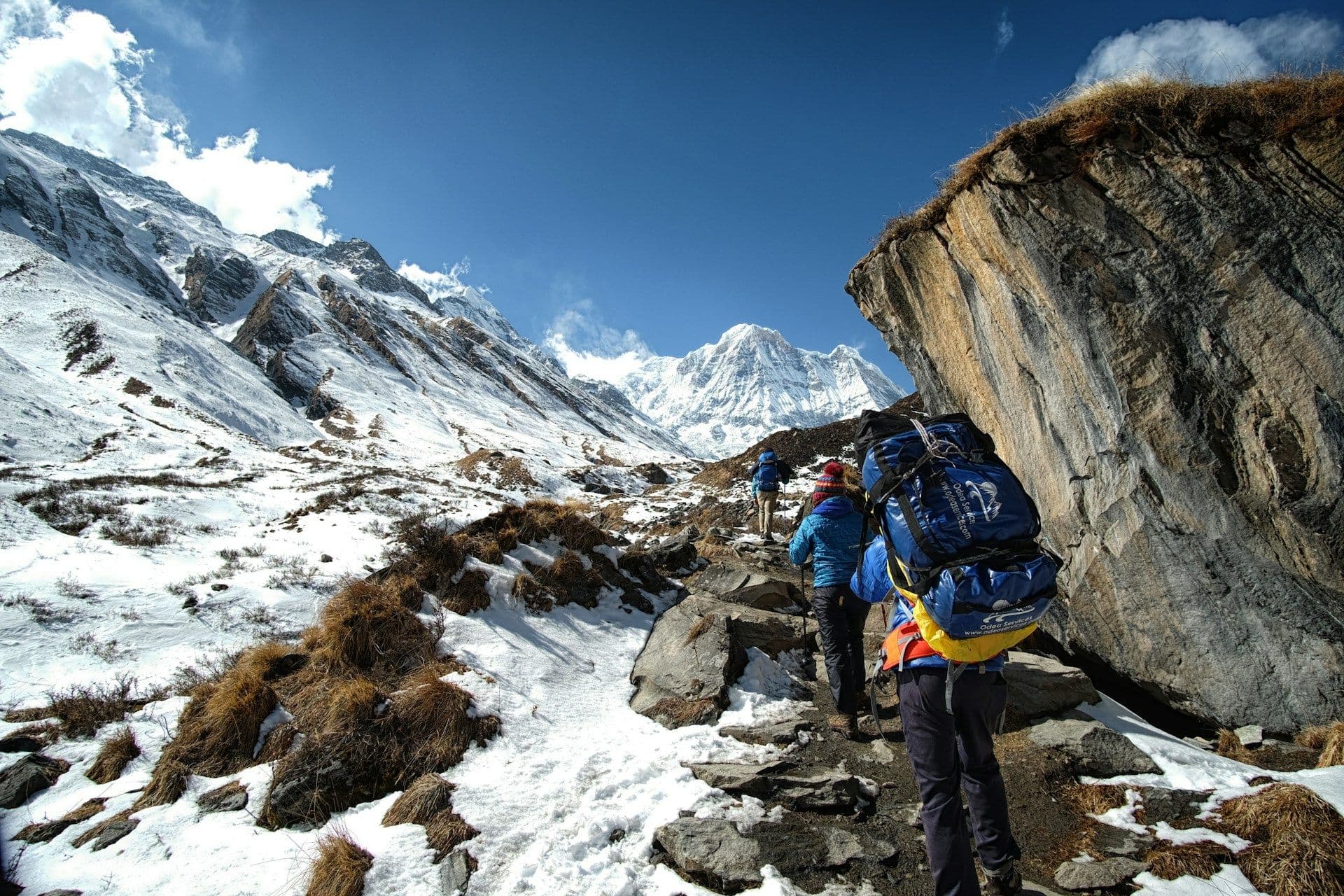
Nepal is home to some of the world's most rewarding trekking adventures. From the iconic Everest Base Camp Trek to the stunning Annapurna region, the Himalayas offer unforgettable landscapes, rich mountain cultures, and a genuine sense of achievement.
However, many first-time trekkers make avoidable mistakes that can turn an exciting adventure into a stressful or disappointing experience.
The good news is that most of these mistakes are easy to avoid with the right preparation and expectations.
Whether you're planning your first trek to Annapurna Base Camp, Annapurna Circuit or Everest Base Camp, here's how to avoid the mistakes that catch many beginners off guard.
Mistake #1: Choosing the Wrong Trek for Your Experience Level
One of the biggest trekking mistakes happens before you even arrive in Nepal.
Many travelers choose a trek based purely on popularity, social media photos or bucket-list appeal without considering:
- Fitness level
- Available time
- Budget
- Trekking experience
- Personal travel goals
For example:
- Annapurna Base Camp is often ideal for beginners looking for a shorter Himalayan experience.
- Annapurna Circuit suits travelers seeking a longer and more varied journey.
- Everest Base Camp appeals to those who want to experience the Everest region and don't mind a longer itinerary.
Choosing the right trek dramatically increases your chances of having an enjoyable experience.
Related Reading:
- Everest Base Camp vs Annapurna
- Annapurna Base Camp Trek Guide
- Annapurna Circuit Trek Guide
- Everest Base Camp Trek Guide for Beginners
Mistake #2: Not Checking Current Trekking Requirements
Many travelers spend weeks researching routes and gear but forget to verify current trekking requirements.
Permit processes, trekking regulations, and guide requirements can change over time.
Before finalizing your plans:
- Check current trekking requirements
- Verify permit procedures
- Confirm any guide-related requirements for your chosen trek
A few minutes of research can prevent unnecessary surprises after arriving in Nepal.
Mistake #3: Underestimating Altitude
Many first-time trekkers assume that being physically fit automatically protects them from altitude sickness.
It doesn't.
Altitude affects everyone differently.
Even experienced athletes can experience symptoms at higher elevations.
Common symptoms include:
- Headaches
- Fatigue
- Dizziness
- Loss of appetite
- Difficulty sleeping
Treks such as Everest Base Camp and the Annapurna Circuit reach elevations where altitude becomes one of the biggest challenges.
The best approach is to respect the altitude and follow your itinerary carefully.
Mistake #4: Skipping Acclimatization Days
Many trekkers try to save time by removing acclimatization days from their itinerary.
This is often one of the most costly mistakes of the entire trip.
Acclimatization days help your body adjust to decreasing oxygen levels and improve your chances of completing the trek comfortably.
Places such as:
- Namche Bazaar
- Manang
They are included in itineraries for a reason.
The mountains aren't going anywhere.
Don't rush them.
Mistake #5: Packing Too Much
A surprising number of first-time trekkers arrive carrying far more than they actually need.
Common packing mistakes include:
- Excess clothing
- Duplicate gear
- Multiple heavy jackets
- Unnecessary electronics
- Large toiletries
Every extra kilogram becomes noticeable after several days on the trail.
Experienced trekkers almost always reach the same conclusion:
Pack lighter.
Related Reading:
Mistake #6: Assuming ATMs and Card Payments Will Always Be Available
One of the most overlooked Nepal trekking mistakes involves money.
Many trekkers assume they can rely entirely on:
- Credit cards
- Debit cards
- ATMs along the route
While some trekking hubs offer these services, availability can be inconsistent.
As you gain altitude, costs often increase because supplies must be transported into remote mountain regions.
You'll also spend money on things such as:
- Charging devices
- Wi-Fi
- Hot showers
- Snacks
- Drinks
Carrying sufficient Nepalese Rupees before starting your trek can prevent unnecessary stress.
Mistake #7: Wearing New Boots on the Trek
This mistake ruins more treks than many people realize.
The trail is not the place to break in a new pair of trekking boots.
New footwear can cause:
- Blisters
- Hot spots
- Foot pain
- Reduced walking comfort
Ideally, your boots should already be comfortable before you arrive in Nepal.
Wear them during:
- Training walks
- Day hikes
- Stair workouts
Your feet will thank you later.
Mistake #8: Not Training Before Arrival
Many first-time trekkers underestimate how physically demanding Nepal's trails can be.
The challenge is usually not technical climbing.
It's:
- Consecutive trekking days
- Long uphill sections
- Stone staircases
- High altitude
- Recovery between days
You don't need to become an endurance athlete, but basic preparation makes a huge difference.
Useful activities include:
- Walking
- Hiking
- Stair climbing
- Light strength training
- Cardiovascular exercise
Related Reading:
Mistake #9: Ignoring Trekking Seasons and Weather
Nepal's weather can dramatically influence your trekking experience.
The two most popular trekking seasons are:
Spring (March–May)
Known for:
- Pleasant temperatures
- Rhododendron blooms
- Good visibility
Autumn (September–November)
Known for:
- Stable weather
- Clear mountain views
- Excellent trekking conditions
Choosing the wrong season can result in:
- Poor visibility
- Challenging weather
- Trail disruptions
Related Reading:
Mistake #10: Ignoring Travel Insurance
Many first-time trekkers view travel insurance as an optional expense.
For Himalayan trekking, that can be a costly assumption.
Weather disruptions, illness, injuries, and itinerary changes can occur even on popular trekking routes.
Before purchasing a policy, confirm that it covers:
- Trekking activities
- Your planned altitude
- Emergency medical assistance
- Evacuation if required
Understanding your coverage before arriving in Nepal can save significant stress later.
Mistake #11: Starting Too Fast
One of the easiest ways to ruin a trek is to treat the first few days like a race.
Many beginners start with too much enthusiasm and quickly burn through their energy reserves.
The best trekkers are rarely the fastest.
They are the most consistent.
A steady pace helps:
- Conserve energy
- Improve acclimatization
- Reduce fatigue
- Make the trek more enjoyable
Remember:
The goal isn't to reach camp first.
The goal is to finish strong.
Mistake #12: Having Unrealistic Expectations About Life on the Trail
Many first-time trekkers arrive expecting hotel-style comfort throughout the journey.
While Nepal's tea-house trekking system is excellent, facilities become simpler as altitude increases.
Depending on your route, you may encounter:
- Basic rooms
- Shared bathrooms
- Limited electricity
- Paid charging facilities
- Intermittent Wi-Fi
Cold weather can also affect electronics, causing batteries to drain faster than expected.
Approaching the trek with realistic expectations helps prevent unnecessary frustration.
Most travelers quickly discover that the mountain scenery, local hospitality and overall experience matter far more than luxury amenities.
Quick Nepal Trekking Checklist
Before your trek, ask yourself:
Have I chosen the right trek?
Have I checked the current trekking requirements?
Have I prepared physically?
Do I understand altitude risks?
Am I allowing enough acclimatization time?
Have I packed only essential gear?
Are my trekking boots already broken in?
Am I carrying sufficient cash?
Have I checked seasonal conditions?
Do I have appropriate travel insurance?
Am I prepared for simple mountain accommodation?
Am I ready to enjoy the journey rather than just the destination?
If you answered "yes" to most of these questions, you're already ahead of many first-time trekkers.
Final Thoughts
Most trekking problems in Nepal aren't caused by bad luck. They're caused by avoidable mistakes made before or during the journey.
By choosing the right trek, preparing properly, respecting altitude, carrying the right gear and maintaining realistic expectations, you'll dramatically improve your chances of having a safe, comfortable and memorable Himalayan adventure.
Whether you're planning the Annapurna Base Camp Trek, Annapurna Circuit or Everest Base Camp, preparation is one of the best investments you can make.
The Himalayas are challenging, but they're also incredibly rewarding for those who approach them with patience, preparation and respect.