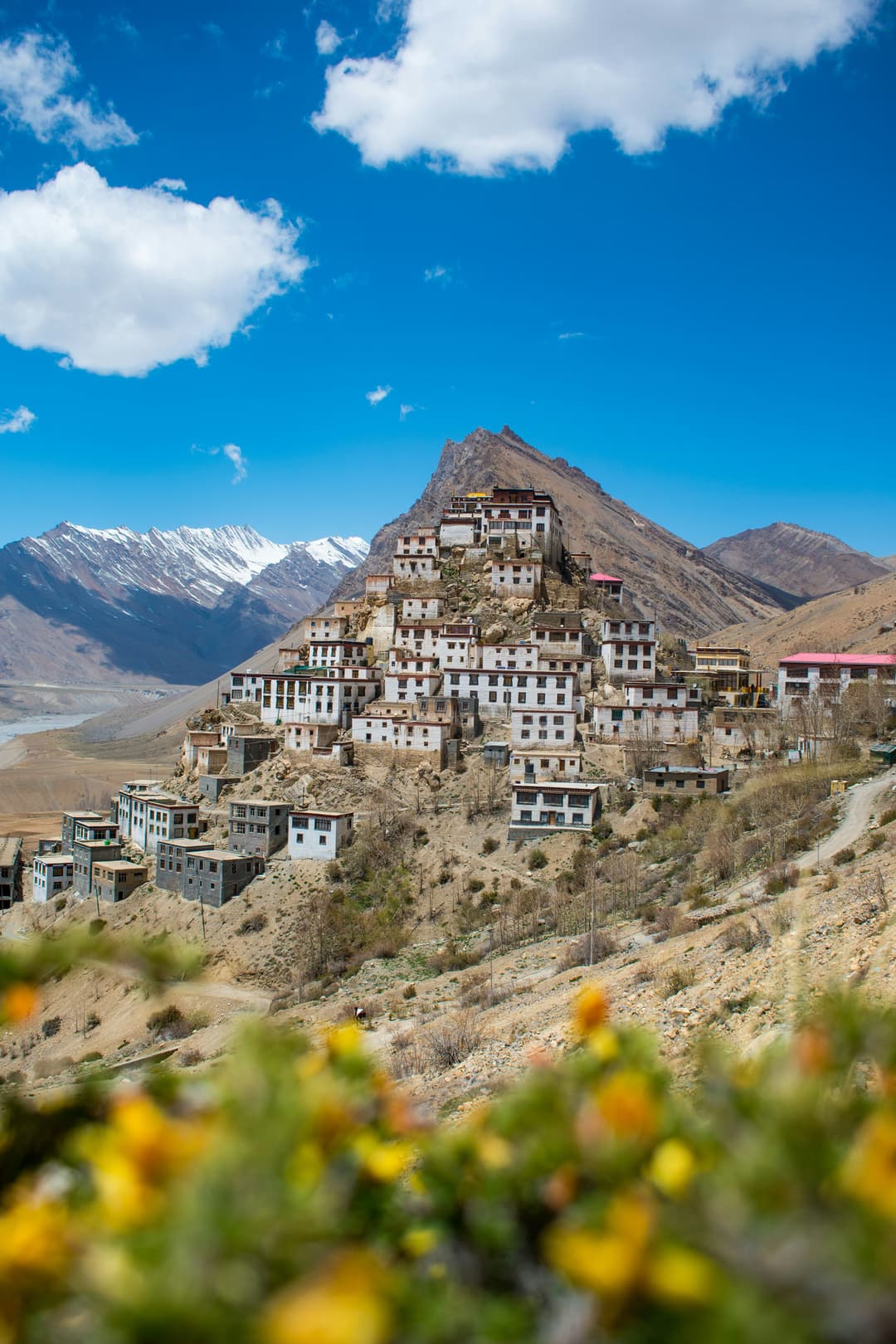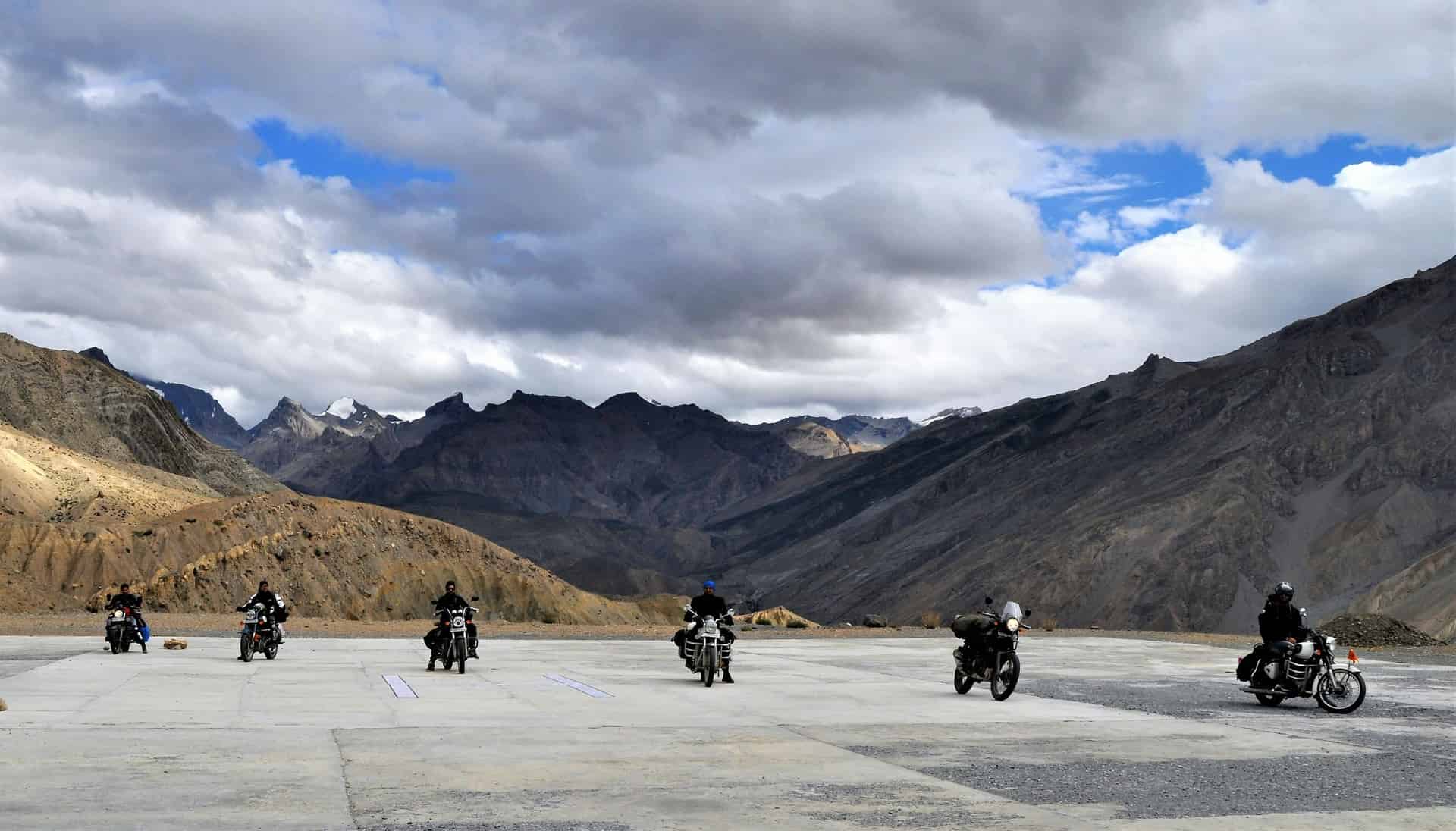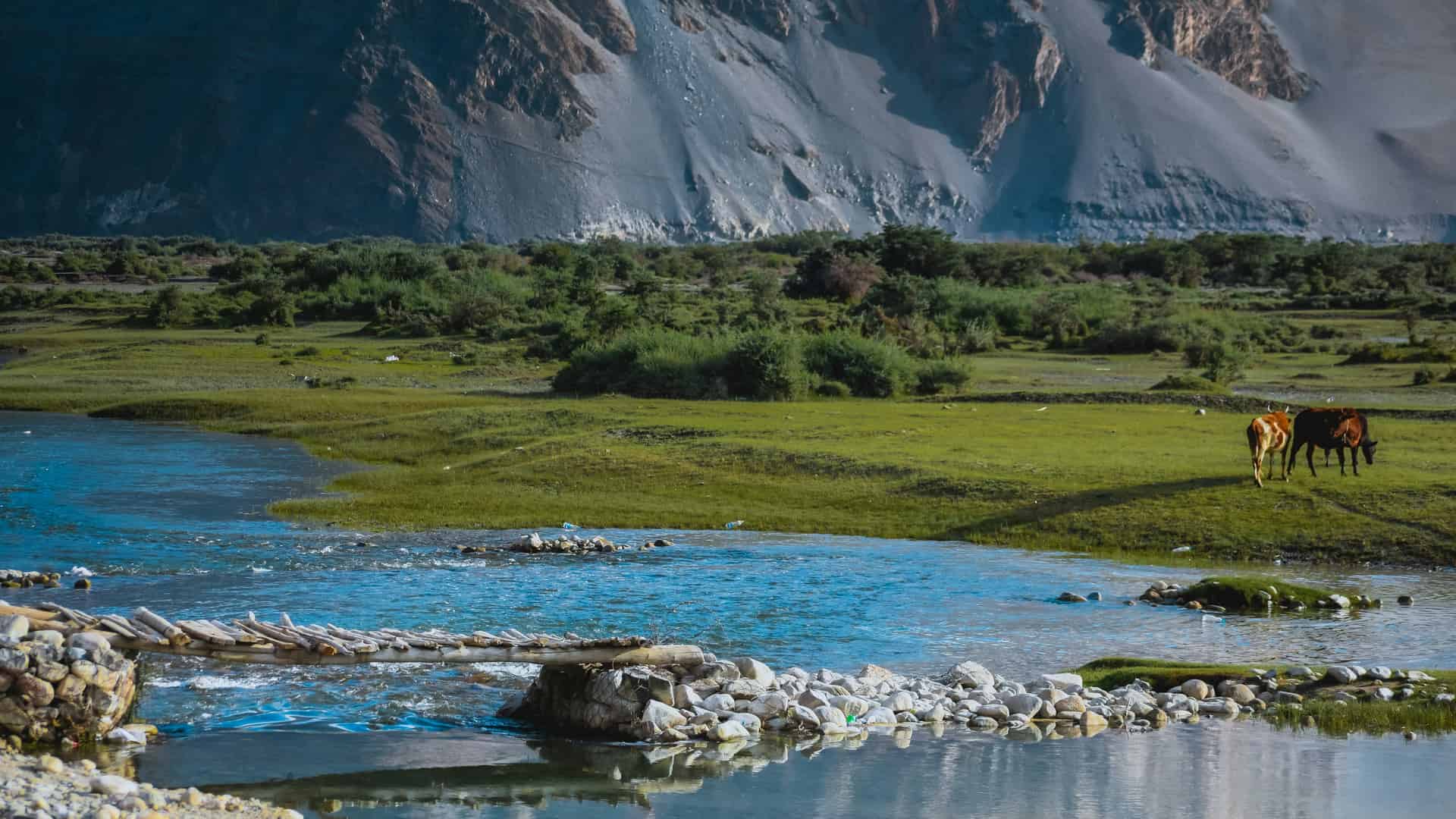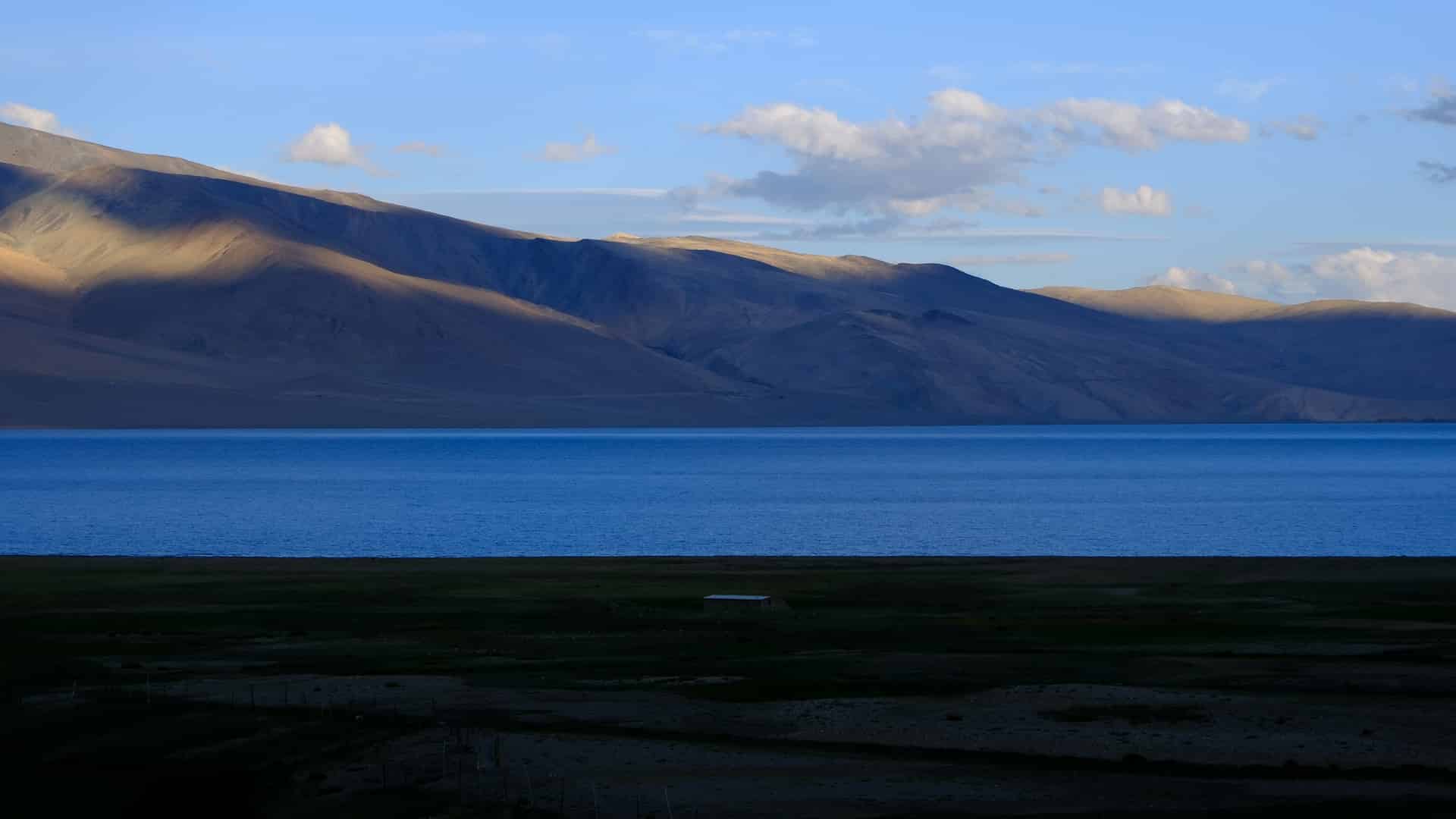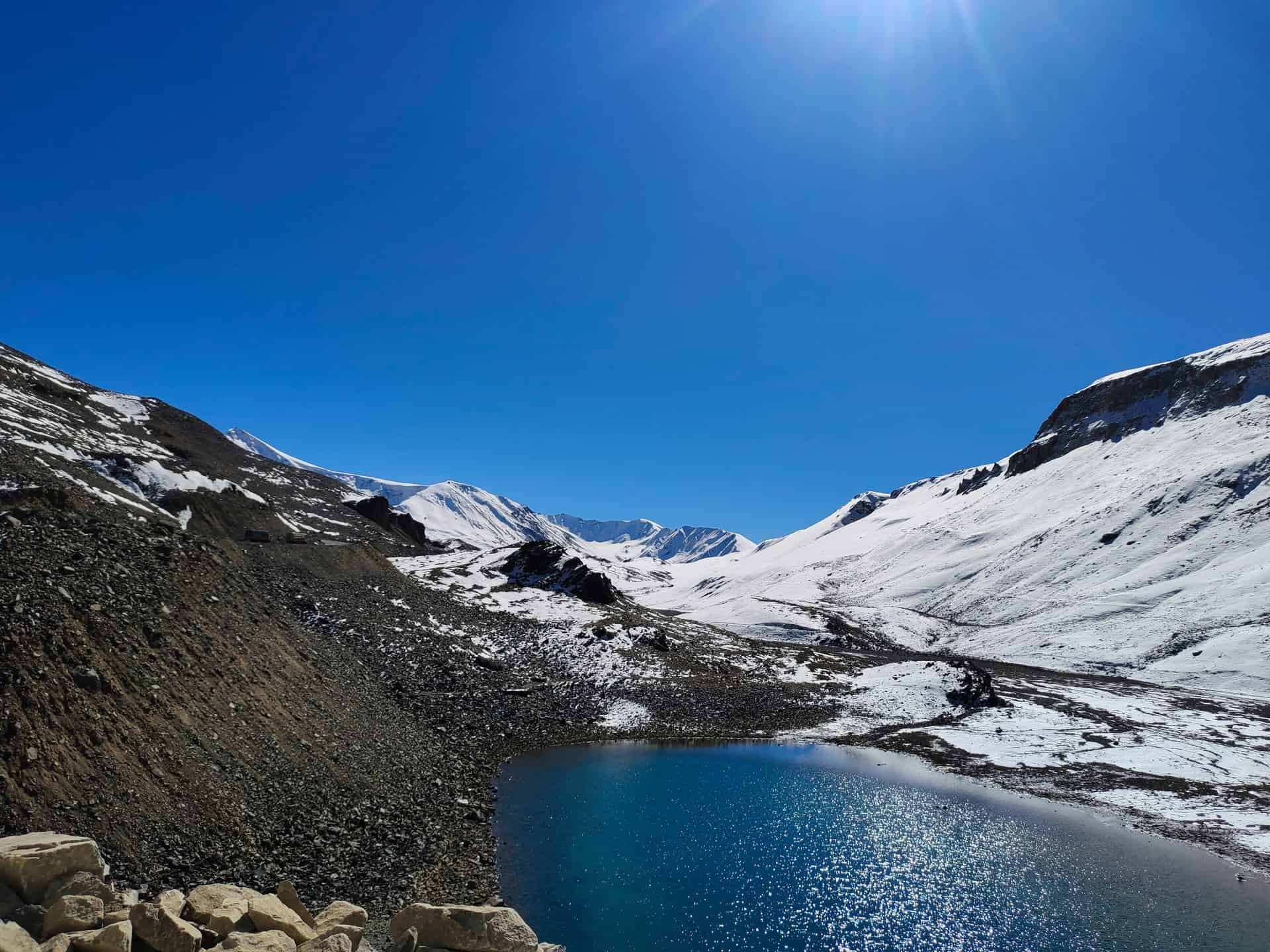
Some of Spiti's most remarkable landscapes lie beyond its popular monasteries and villages. Pin Valley National Park is one such destination, where rugged mountains, a stark cold-desert landscape, and rare Himalayan wildlife meet. As an important habitat for the elusive snow leopard, the park offers a closer look at the region's unique ecosystem and remote mountain surroundings.
Whether you are interested in wildlife, curious about snow leopard tracking or planning a visit to Mudh village, there is more to discover here than just dramatic scenery. This guide covers the park's wildlife, best time to visit, how to reach it from Kaza, trekking opportunities, nearby villages and practical tips to help you plan your journey.
For a broader introduction to the region, explore our Spiti Valley Travel Guide.
Pin Valley National Park: Quick Facts
Detail | Information |
| Location | Spiti Valley, Himachal Pradesh |
| Established | 1987 |
| Nearest major town | Kaza |
| Nearby settlement | Mudh Village |
| Known for | Snow leopard habitat and high-altitude wildlife |
| Popular activities | Wildlife exploration and trekking |
Where Is Pin Valley National Park Located?
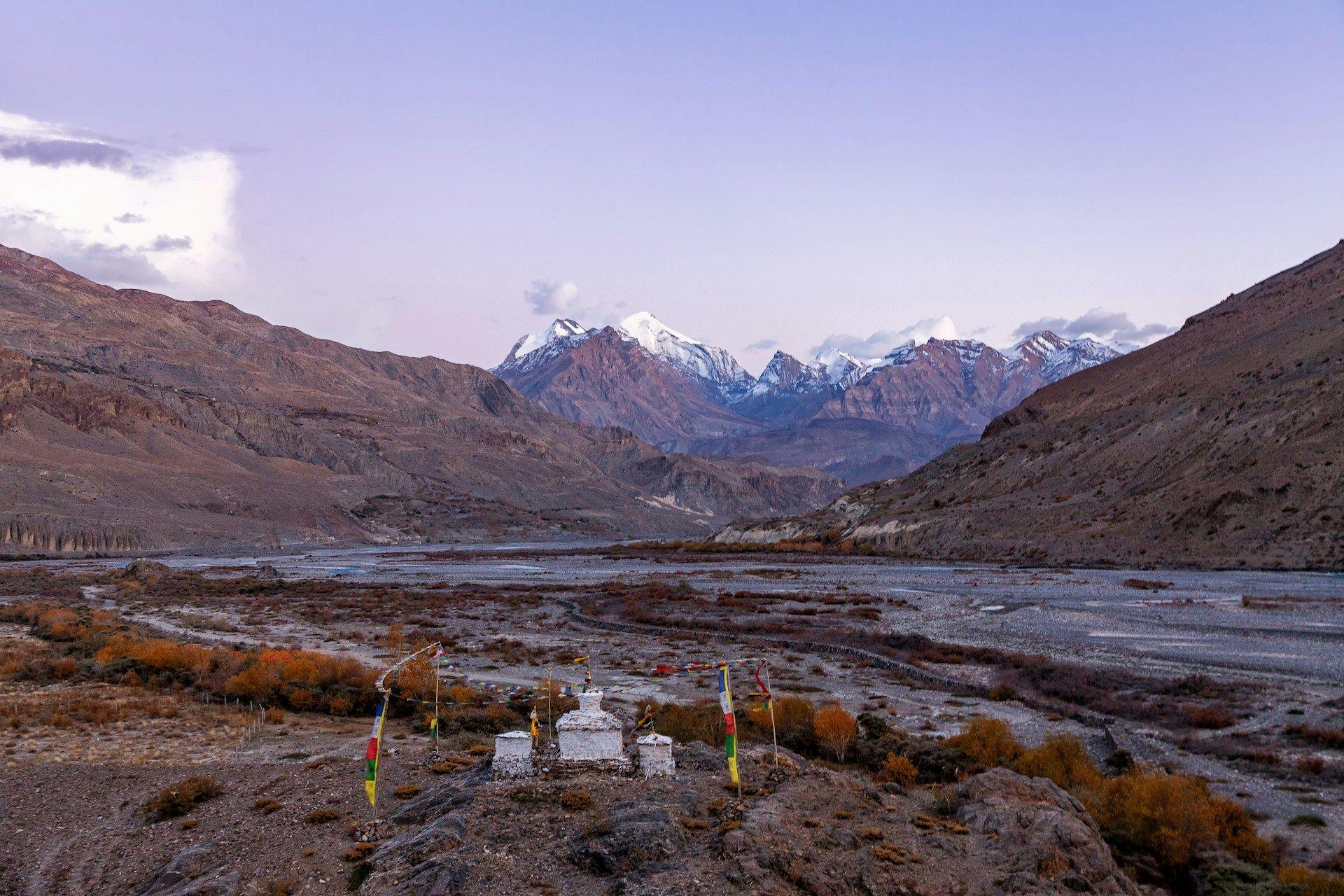
Pin Valley National Park is located in the Lahaul and Spiti district of Himachal Pradesh, within the cold-desert region of the Trans-Himalayas. It lies around the Pin River basin, surrounded by rugged mountain slopes, deep valleys and high-altitude terrain that form part of Spiti's distinctive landscape.
The national park is part of the larger Pin Valley region, which includes settlements such as Sagnam, Gulling and Mudh. These villages offer a glimpse into life in one of the more remote parts of Spiti, where communities have adapted to the region's harsh climate and challenging geography.
Kaza, the main town of Spiti, serves as the nearest major base for visitors planning to explore Pin Valley National Park.
What Wildlife Can You Find in Pin Valley National Park?
Pin Valley National Park is known for wildlife adapted to the cold, dry conditions of the Trans-Himalayan region. Its rocky mountain slopes, open valleys and sparse vegetation provide habitat for several high-altitude mammals and birds.
Some of the notable wildlife associated with the park and surrounding region includes:
- Snow Leopard: One of the most elusive animals in the Himalayas, the snow leopard is a flagship species of Pin Valley. Its ability to blend into rocky mountain terrain makes spotting one a rare experience.
- Himalayan Ibex: Known for its long, curved horns, the ibex is adapted to steep mountain slopes and rocky terrain.
- Bharal (Blue Sheep): These agile mountain animals inhabit rocky slopes and open grasslands. They are also an important prey species for snow leopards.
- Red Fox: An adaptable predator found across the wider Spiti region, the red fox survives in the harsh conditions of the cold desert.
- Himalayan Marmots and Pikas: These smaller mammals are adapted to high-altitude environments and form part of the region's wildlife ecosystem.
Pin Valley and the surrounding Spiti region also support high-altitude birdlife, including the Himalayan snowcock, chukar and golden eagle.
Among these species, the snow leopard attracts particular interest from wildlife enthusiasts. However, sightings are never guaranteed. Exploring the park is as much about understanding its fragile ecosystem as it is about spotting individual animals.
What Makes the Landscape of Pin Valley National Park Unique?
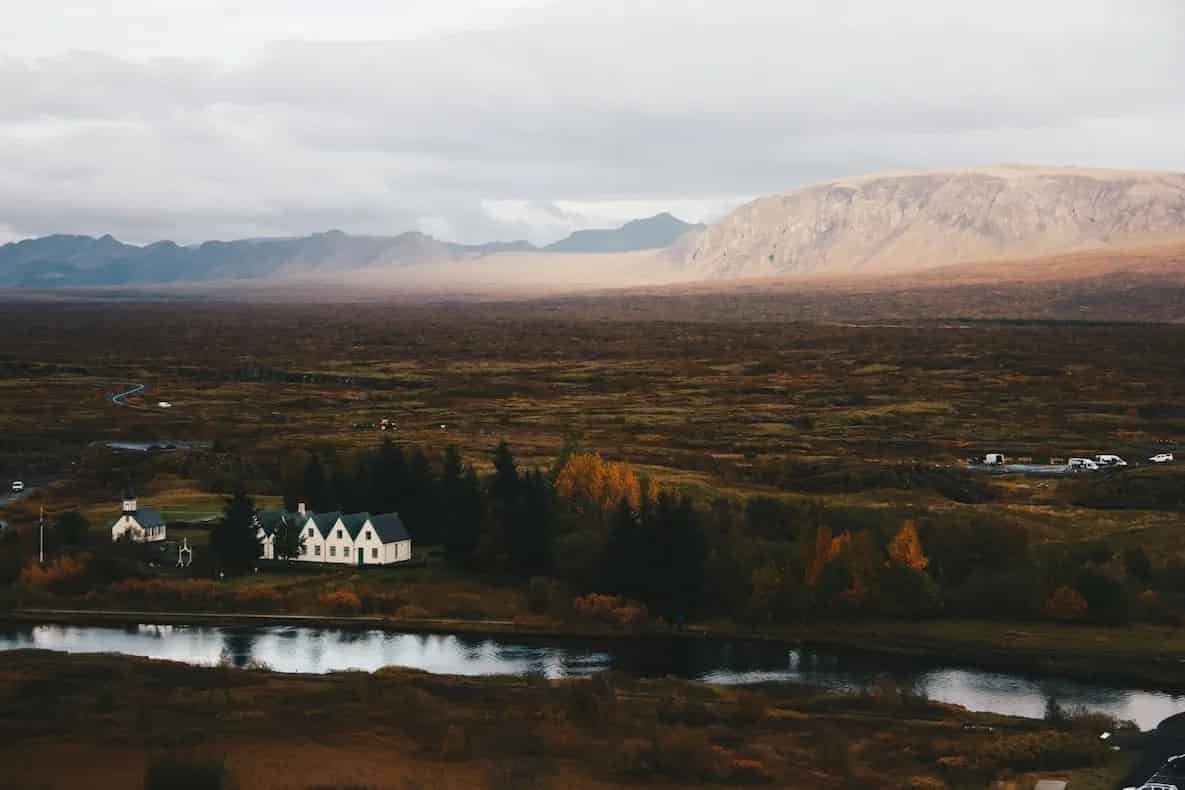
Pin Valley National Park is part of the Trans-Himalayan cold-desert ecosystem, characterised by dry mountain slopes, rocky valleys and sparse high-altitude vegetation. The Pin River runs through the valley, creating pockets of greener land near settlements amid the otherwise barren terrain.
Unlike forest-rich national parks, Pin Valley's ecosystem is shaped by limited rainfall, extreme temperatures and a short growing season. Its hardy vegetation and rugged terrain support wildlife adapted to these demanding conditions, making the landscape an important part of the park's ecological identity.
What Is the Best Time to Visit Pin Valley National Park?
The best time to visit Pin Valley National Park depends on what you want to experience. June to September is generally more suitable for sightseeing and exploring the valley, while winter attracts wildlife enthusiasts interested in snow leopard tracking.
Season | What to Expect | Best For |
| June to September | Relatively favourable weather and generally better road accessibility | Sightseeing, village visits and outdoor exploration |
| October | Colder temperatures, fewer visitors and changing weather conditions | Quieter visits and landscape exploration |
| November to March | Freezing temperatures, snowfall and challenging travel conditions | Specialist snow leopard tracking expeditions |
April and May are transition months when winter conditions gradually ease, but weather and road accessibility can remain unpredictable.
Our recommendation: Plan your general visit between June and September. If snow leopard tracking is your priority, consider a guided winter expedition with experienced local trackers. Always check local road and weather conditions before travelling.
For a broader seasonal breakdown covering the entire region, read our Best Time to Visit Spiti Valley guide.
How to Reach Pin Valley National Park?
Kaza is the main starting point for visiting Pin Valley National Park. From here, the route passes through Attargo Bridge, Gulling and Sagnam before reaching Mudh, approximately 50 km away. The drive generally takes around 2 to 2.5 hours, depending on road conditions.
Mudh is a convenient base for exploring the valley, although reaching the park's interior may require trekking. Travellers coming from outside Spiti can refer to our How to Reach Spiti Valley guide for details about the longer routes.
Local taxis from Kaza are a practical option for visitors who do not want to drive on remote mountain roads. If travelling by private vehicle, check road conditions before departure and refuel in Kaza.
Things to Do in Pin Valley National Park
Pin Valley offers more than just wildlife spotting. From exploring remote mountain trails to discovering villages tucked into its cold-desert landscape, there are several ways to experience this less-explored part of Spiti.
- Explore the Valley's Natural Surroundings: Spend time observing the rocky mountain landscape, river stretches and high-altitude environment.
- Discover Remote Villages: Visit settlements such as Sagnam and Mudh to experience the local culture and quieter side of Spiti.
- Take on a High-Altitude Trek: The Pin-Bhaba Pass and Pin-Parvati Pass treks offer challenging routes through dramatic mountain terrain. These routes connect the wider Pin Valley region with neighbouring valleys and are better suited to experienced trekkers.
- Explore the Winter Wilderness: Winter offers opportunities to join specialist snow leopard tracking experiences across Spiti with experienced local trackers.
If you are planning a wider adventure, our Things to Do in Spiti Valley guide covers more experiences across the region.
Snow Leopard Tracking in Pin Valley During Winter
Winter is a popular season for snow leopard enthusiasts visiting Spiti. Snow-covered slopes can make pugmarks and other signs of animal movement easier to identify, helping local trackers locate areas where these elusive cats may be active.
What should you know before planning a winter tracking expedition?
- Best season: January to March is a popular period for snow leopard tracking in Spiti.
- Local wildlife trackers: Experienced trackers use their knowledge of the terrain, animal behaviour and prey movement to identify promising observation areas.
- What to expect: Tracking can involve several hours of scanning rocky ridges and mountain slopes. Sightings may take days or may not happen at all.
- Preparation: Carry suitable winter clothing and footwear, and be prepared for freezing temperatures, long outdoor hours and basic accommodation in remote villages.
Important: Snow leopard expeditions may cover different parts of Spiti, not just Pin Valley National Park. Confirm the actual tracking locations before booking if visiting Pin Valley is your main objective.
Exploring Mudh Village and Nearby Settlements
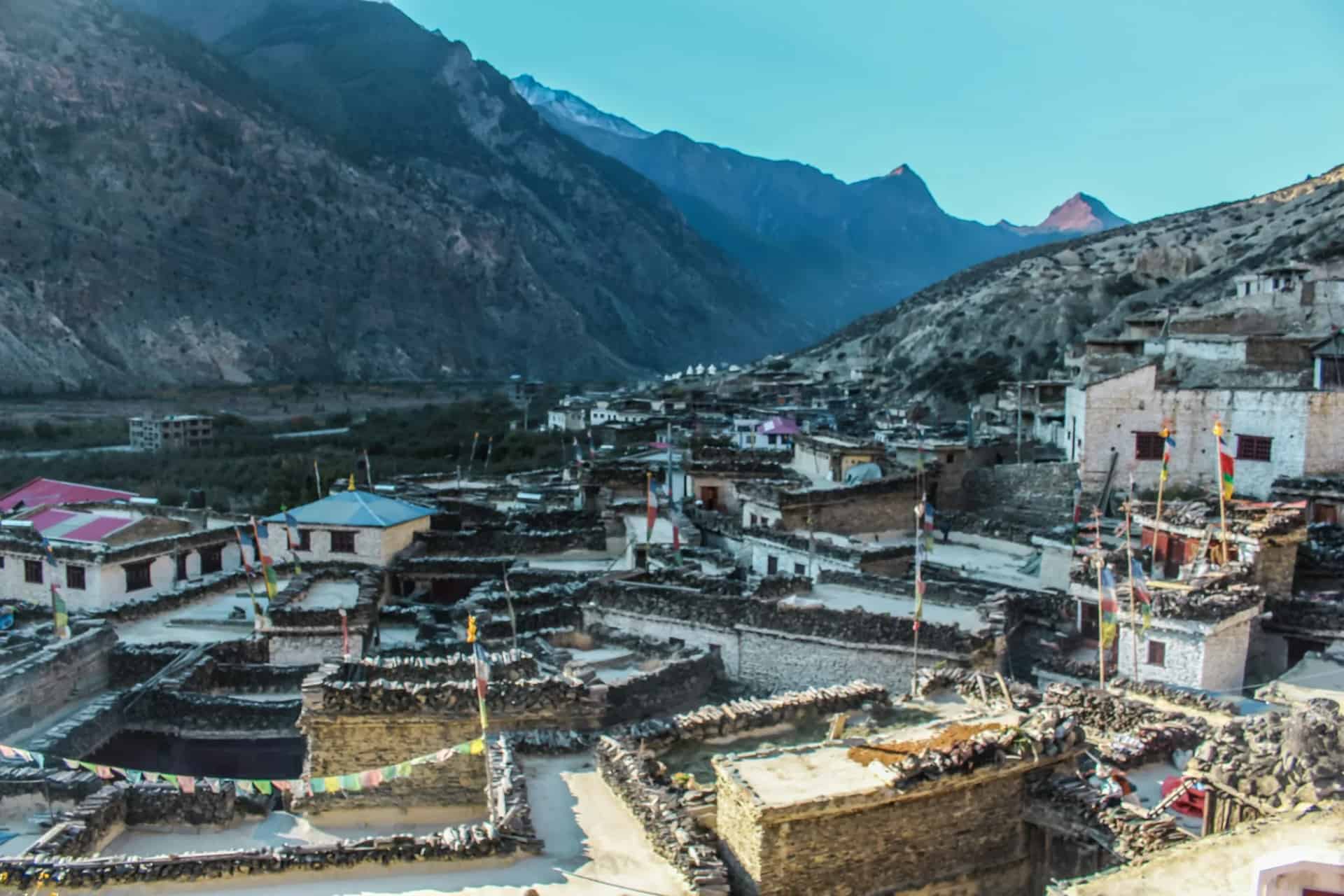
Mudh is one of the best-known villages in Pin Valley and a worthwhile stop for travellers exploring this remote part of Spiti. Set against rugged mountain slopes and open valley landscapes, it offers a closer look at life in one of the region's quieter settlements.
Nearby villages such as Sagnam and Gulling add to the experience of exploring Pin Valley, with traditional homes, small farms and local communities shaped by the region's harsh climate and short growing season.
A few ways to experience village life in Pin Valley:
- Stay in a local homestay: Experience local hospitality and get a glimpse of everyday life in the valley. Facilities and availability can vary by season.
- Explore the village: Walk through Mudh, observe traditional homes and enjoy the surrounding mountain scenery.
- Experience local hospitality: Interact with residents and learn how communities adapt to the long winters and remote location.
If you are planning an overnight stay, our Where to Stay in Spiti Valley guide can help you understand the different accommodation options across the region.
Essential Travel Tips for Visiting Pin Valley National Park
Pin Valley is a remote, high-altitude region, so a little preparation can make your visit safer and more comfortable.
- Acclimatise in Kaza: Allow time to adjust to the altitude before exploring the valley, and avoid rushing your journey.
- Plan Basic Supplies: Refuel in Kaza, carry enough cash and avoid depending entirely on mobile connectivity or digital payments.
- Pack for the Weather: Carry warm layers even in summer. Winter visits require proper cold-weather clothing and suitable footwear.
- Travel Responsibly: Maintain a safe distance from wildlife, avoid disturbing animals and carry your waste back with you.
Explore Spiti Valley with Desh Videsh Travels
From the remote villages of Pin Valley to Spiti's dramatic mountain landscapes and ancient monasteries, there is plenty to discover beyond the usual tourist routes. If you are planning to explore this region, check out our Spiti Valley Tour Packages and find a trip that suits your travel plans.