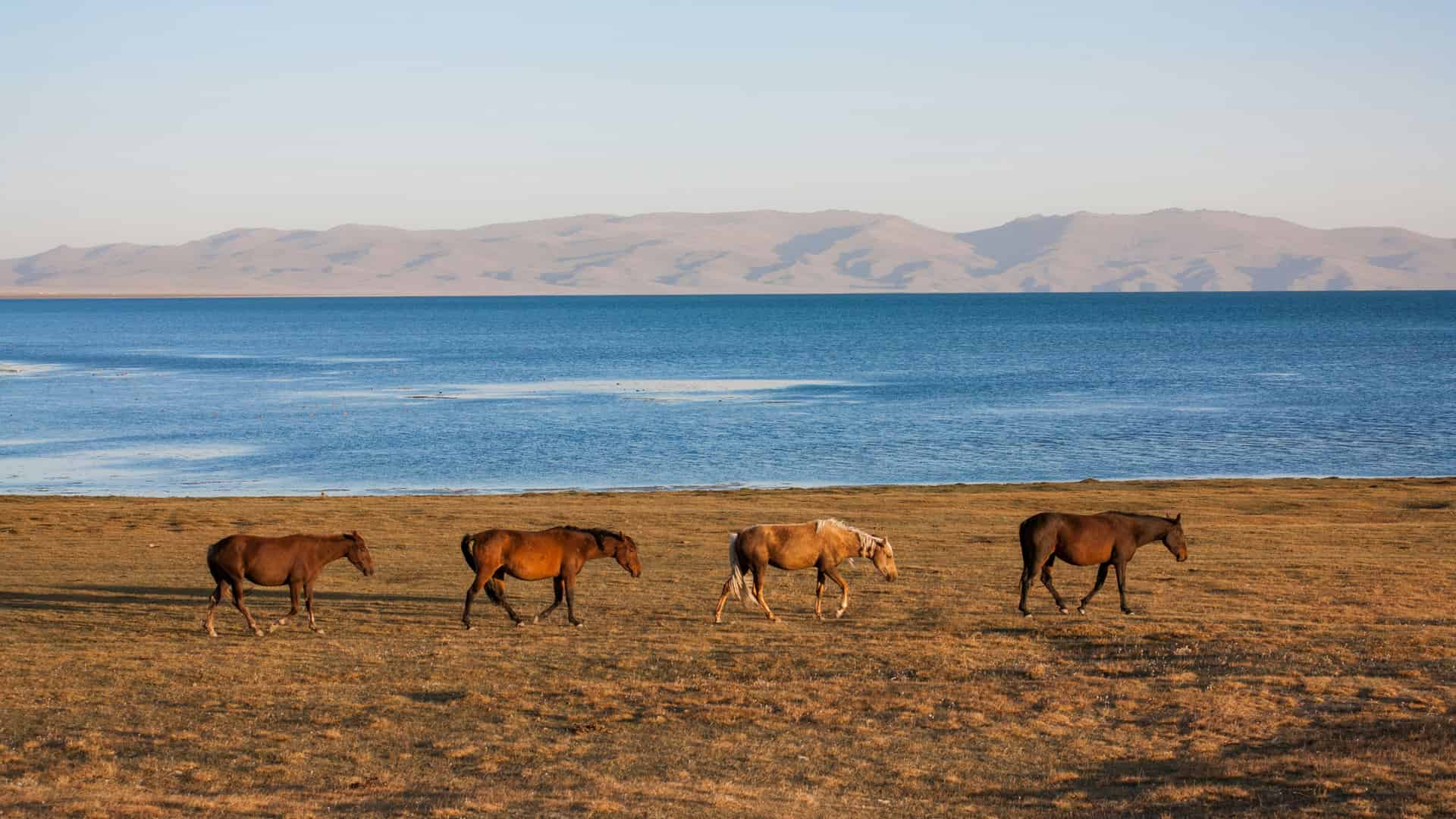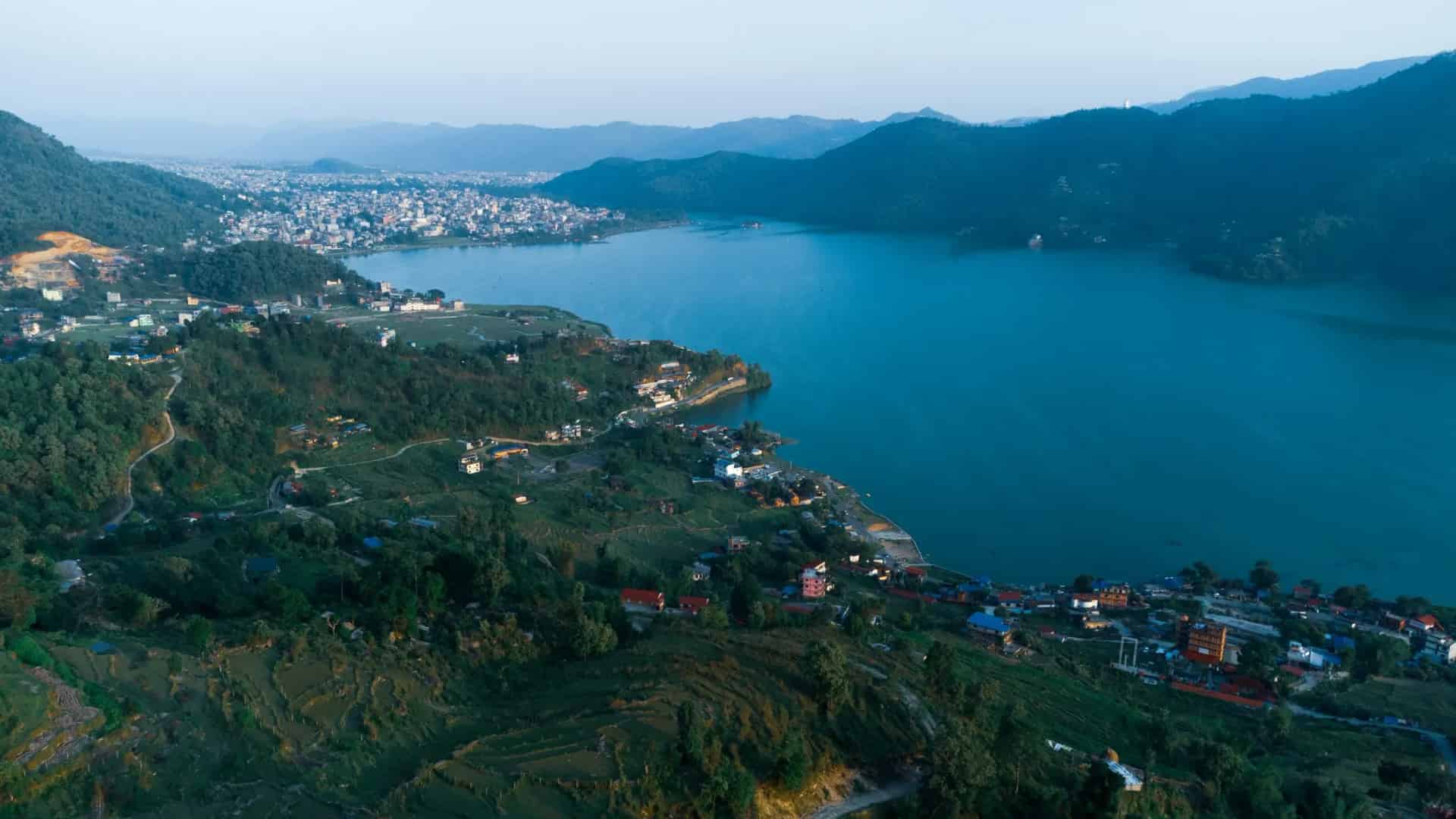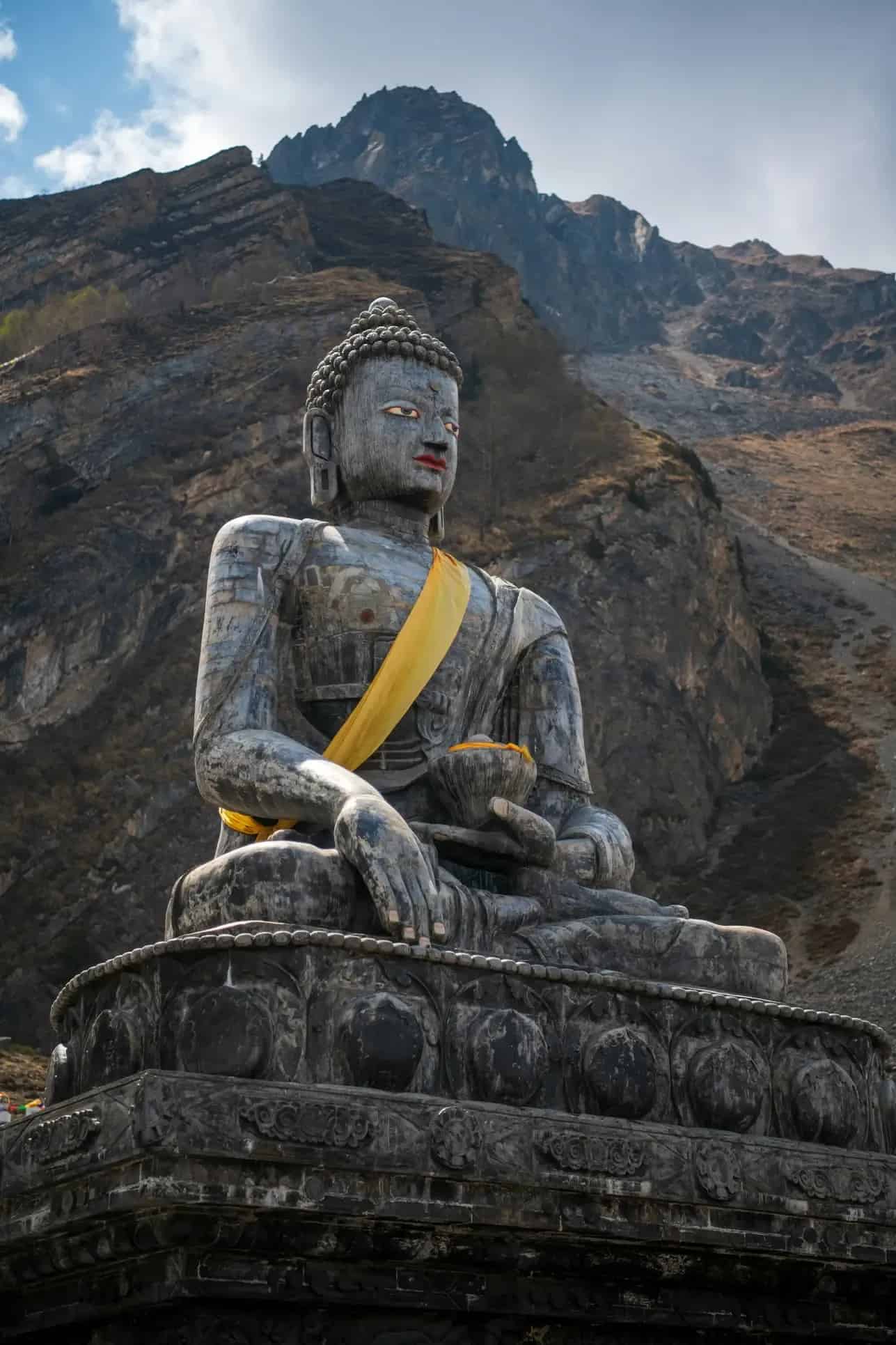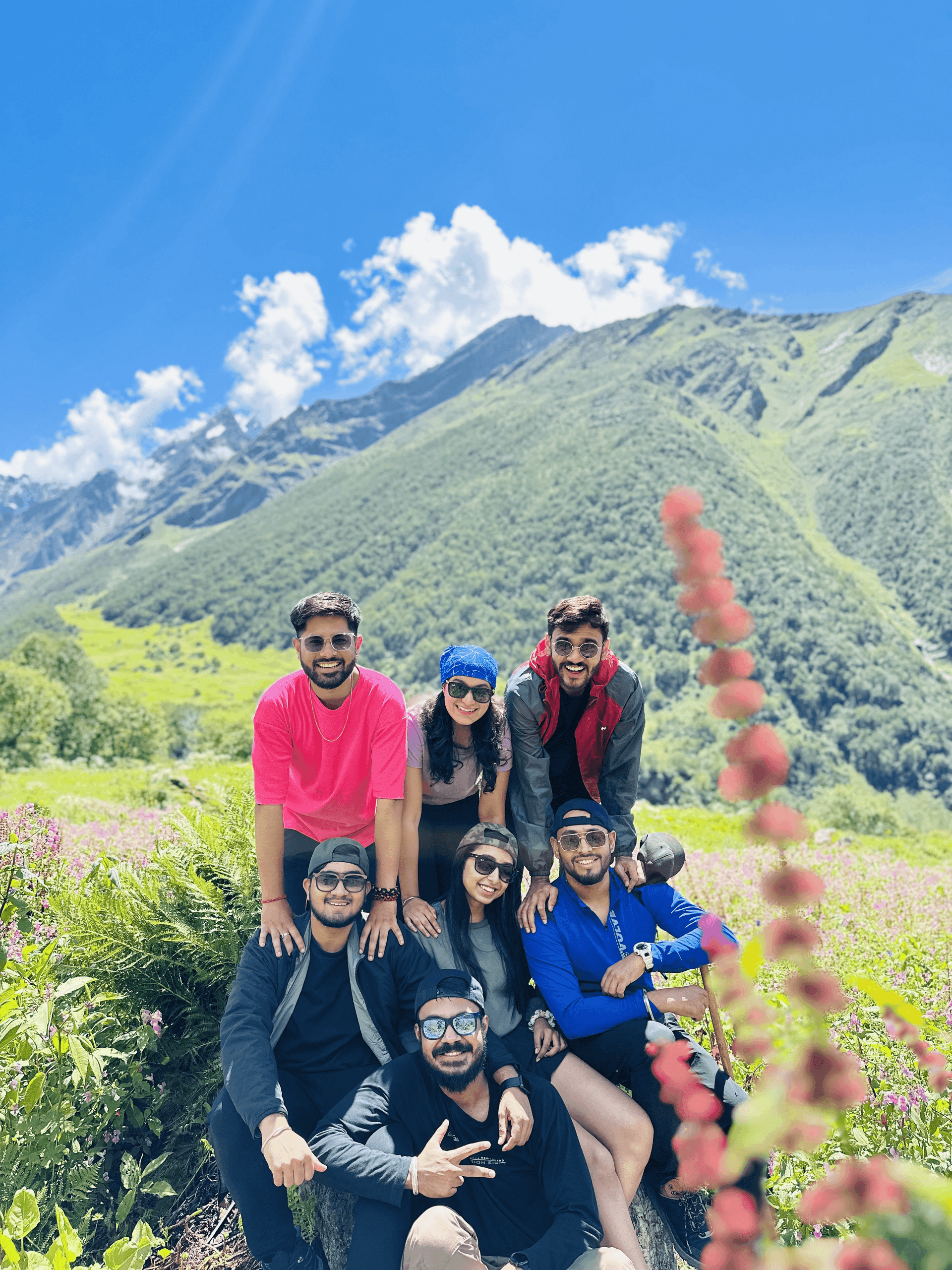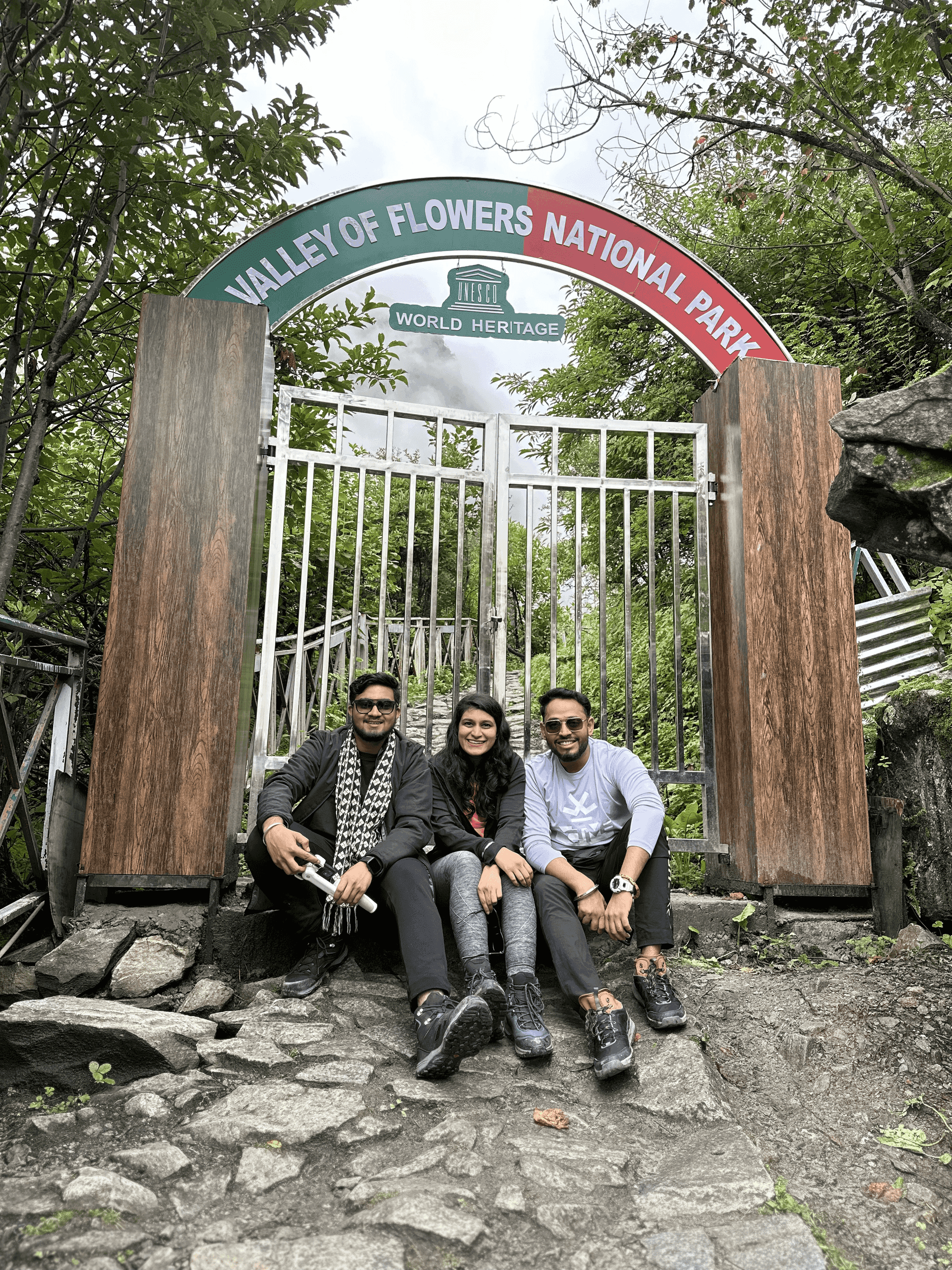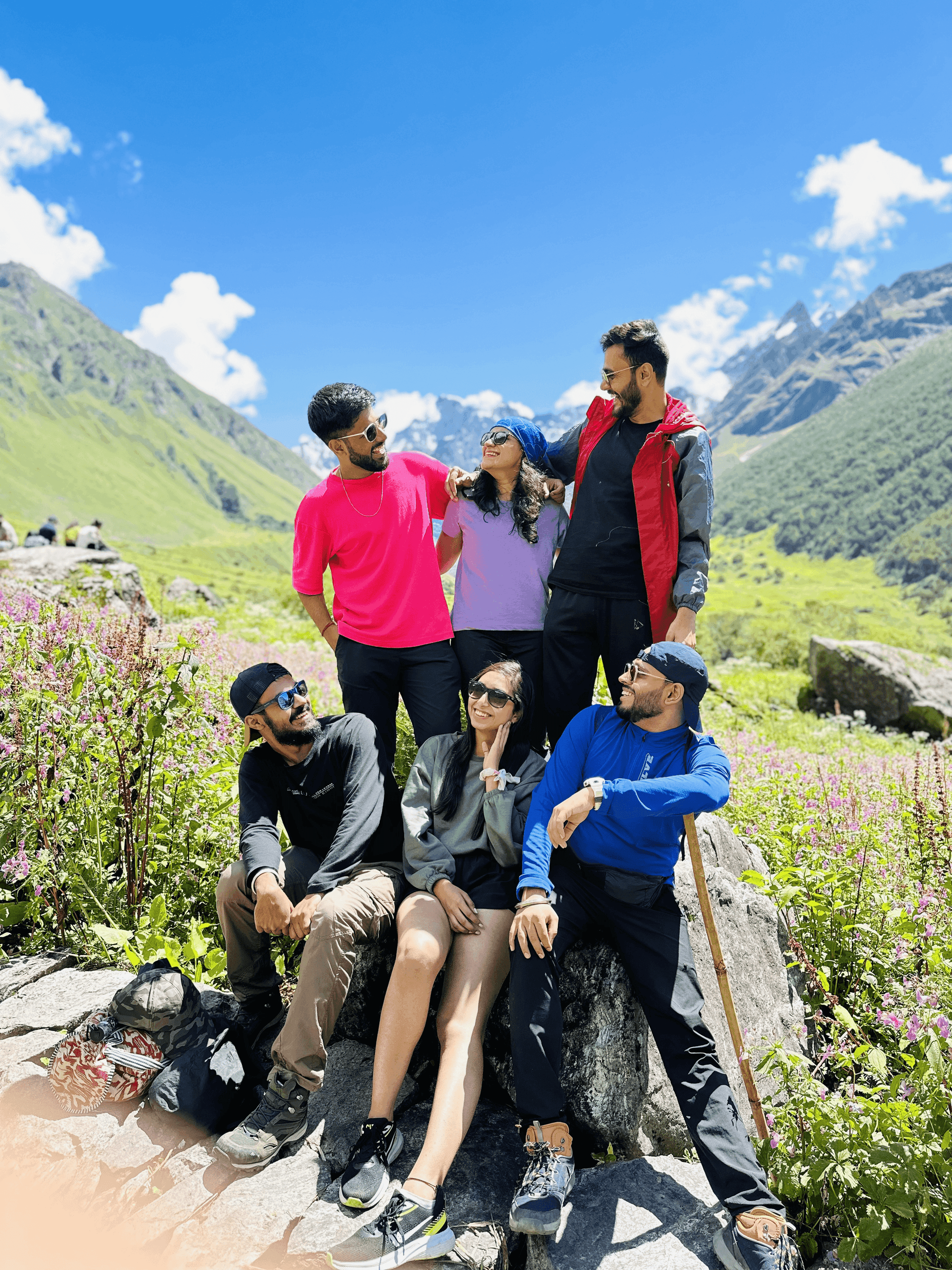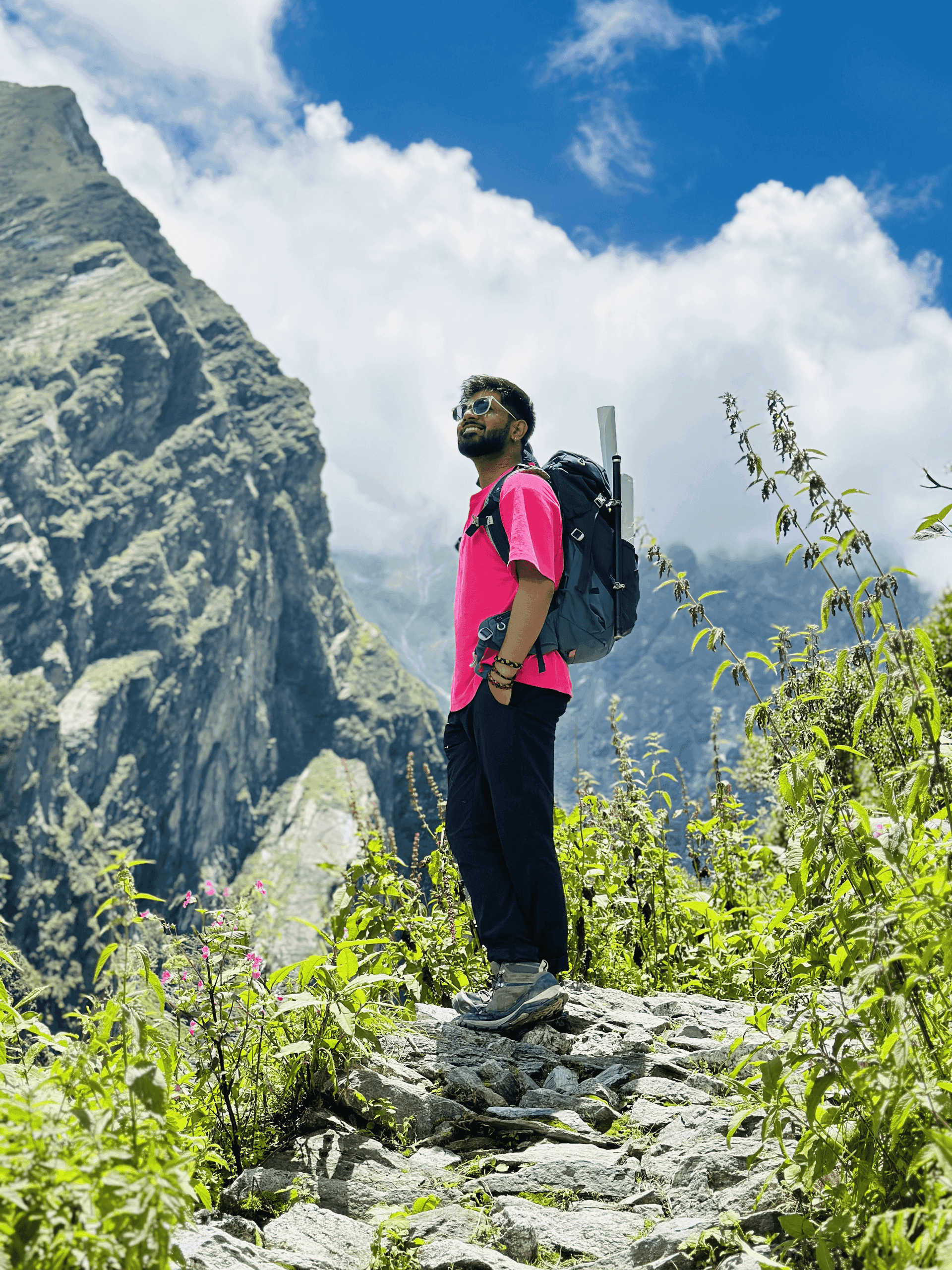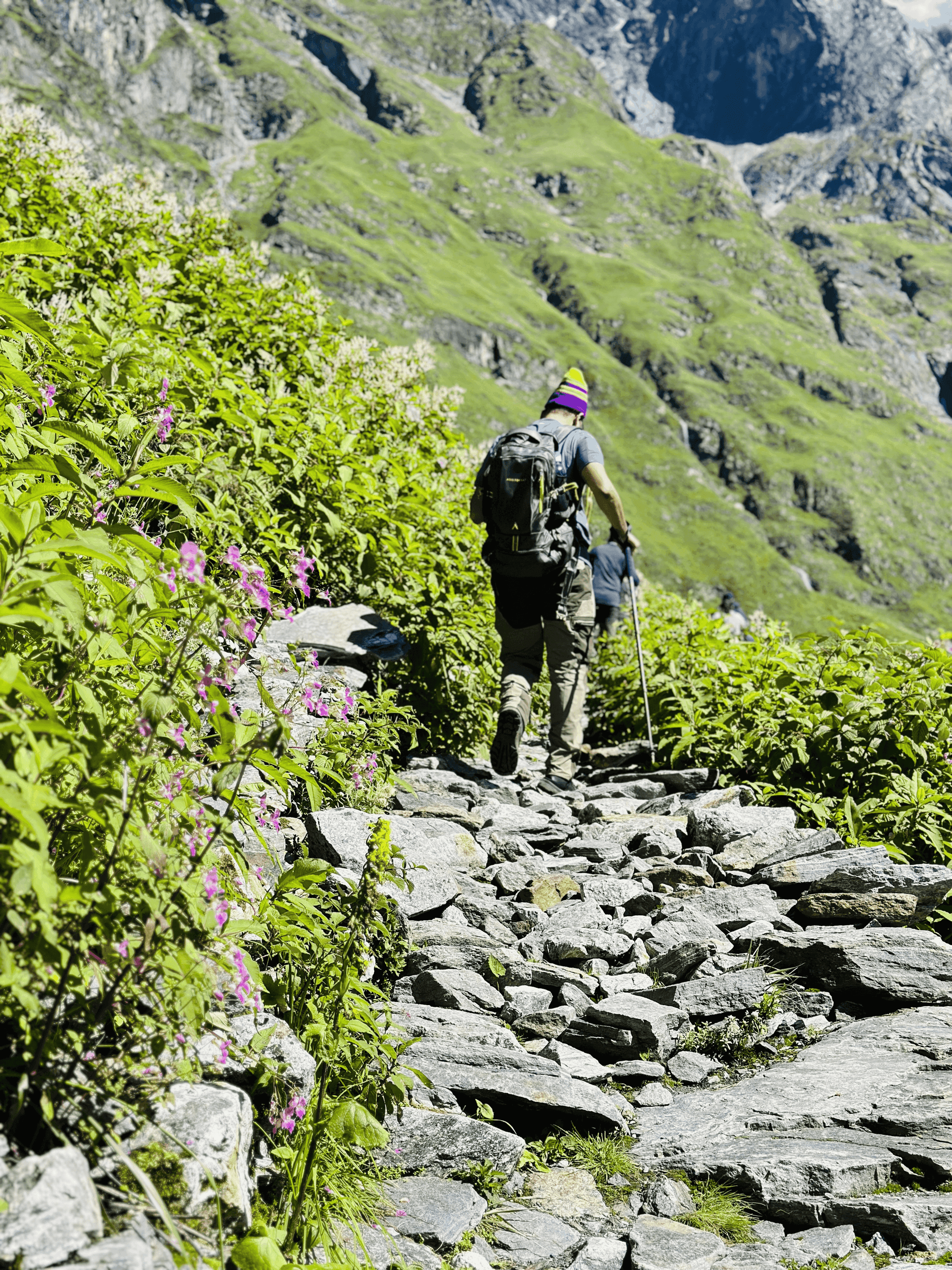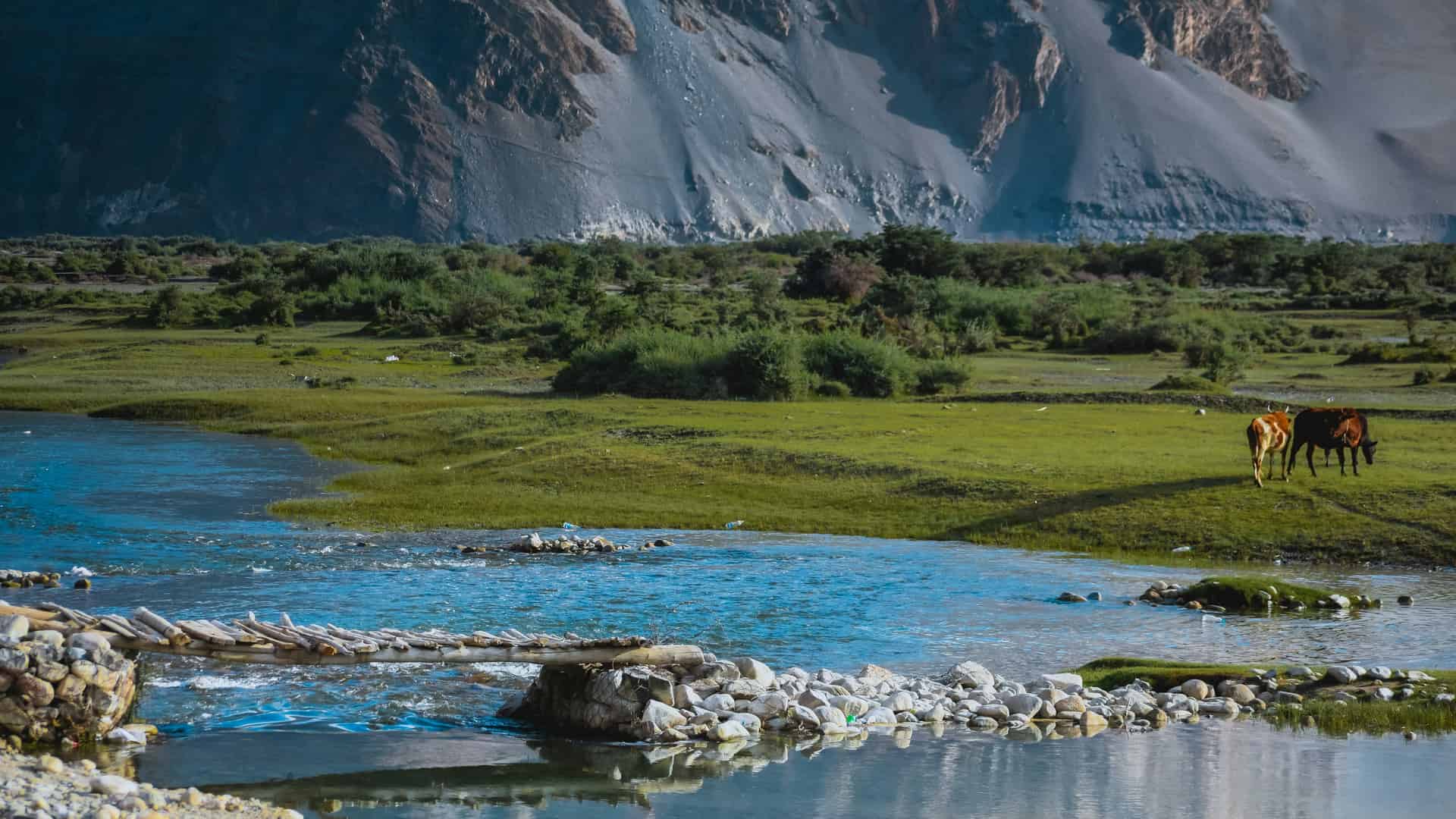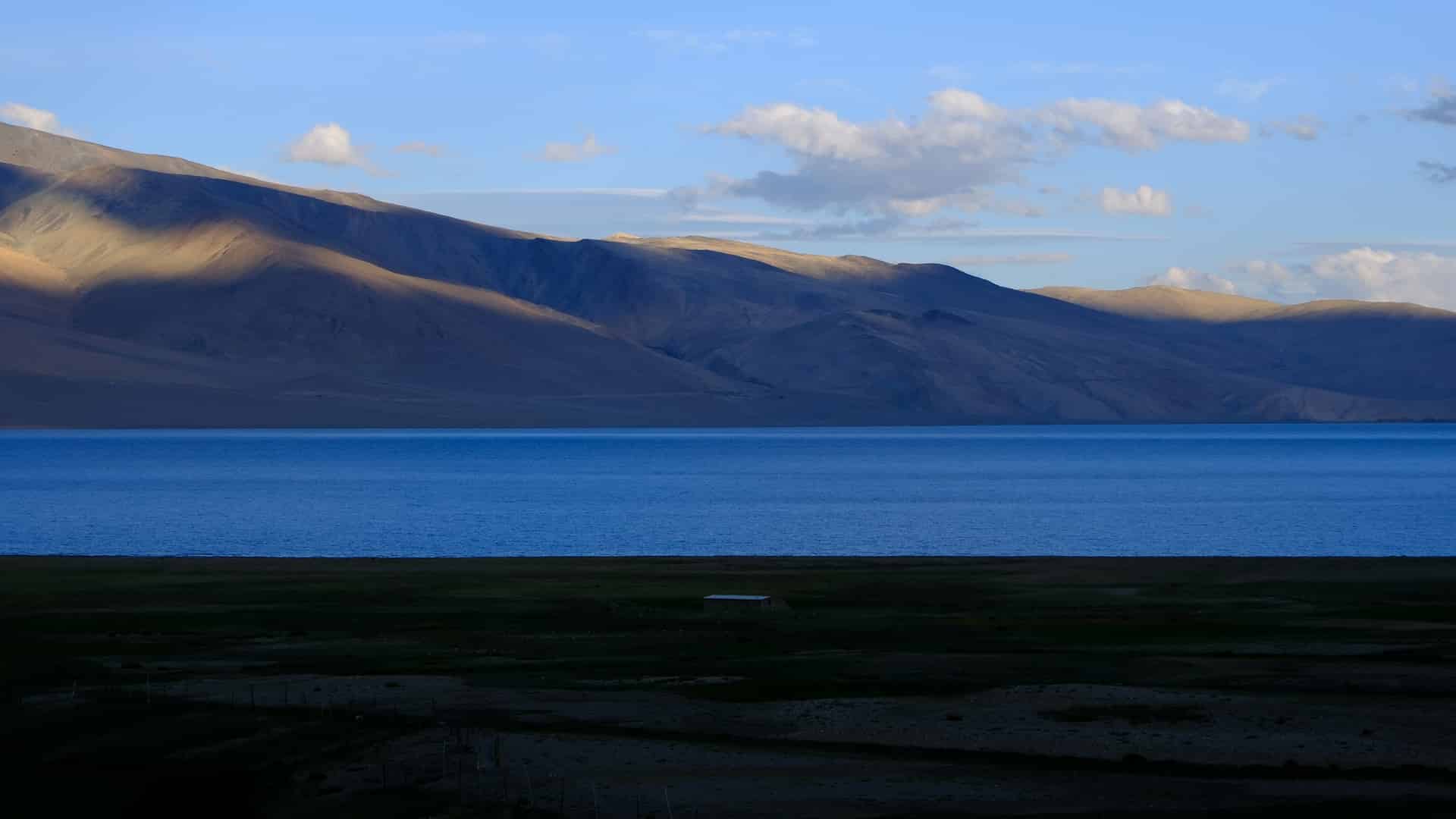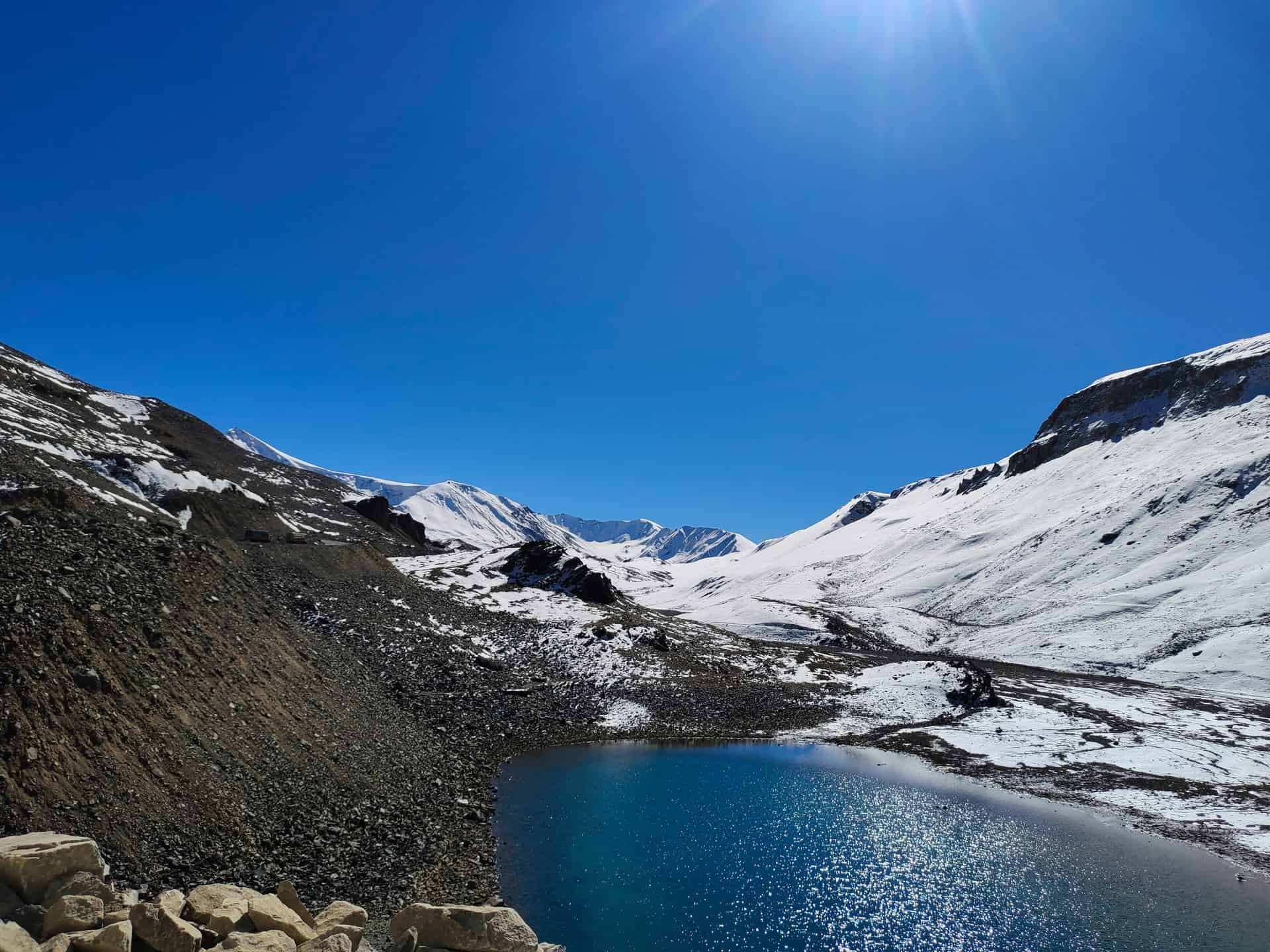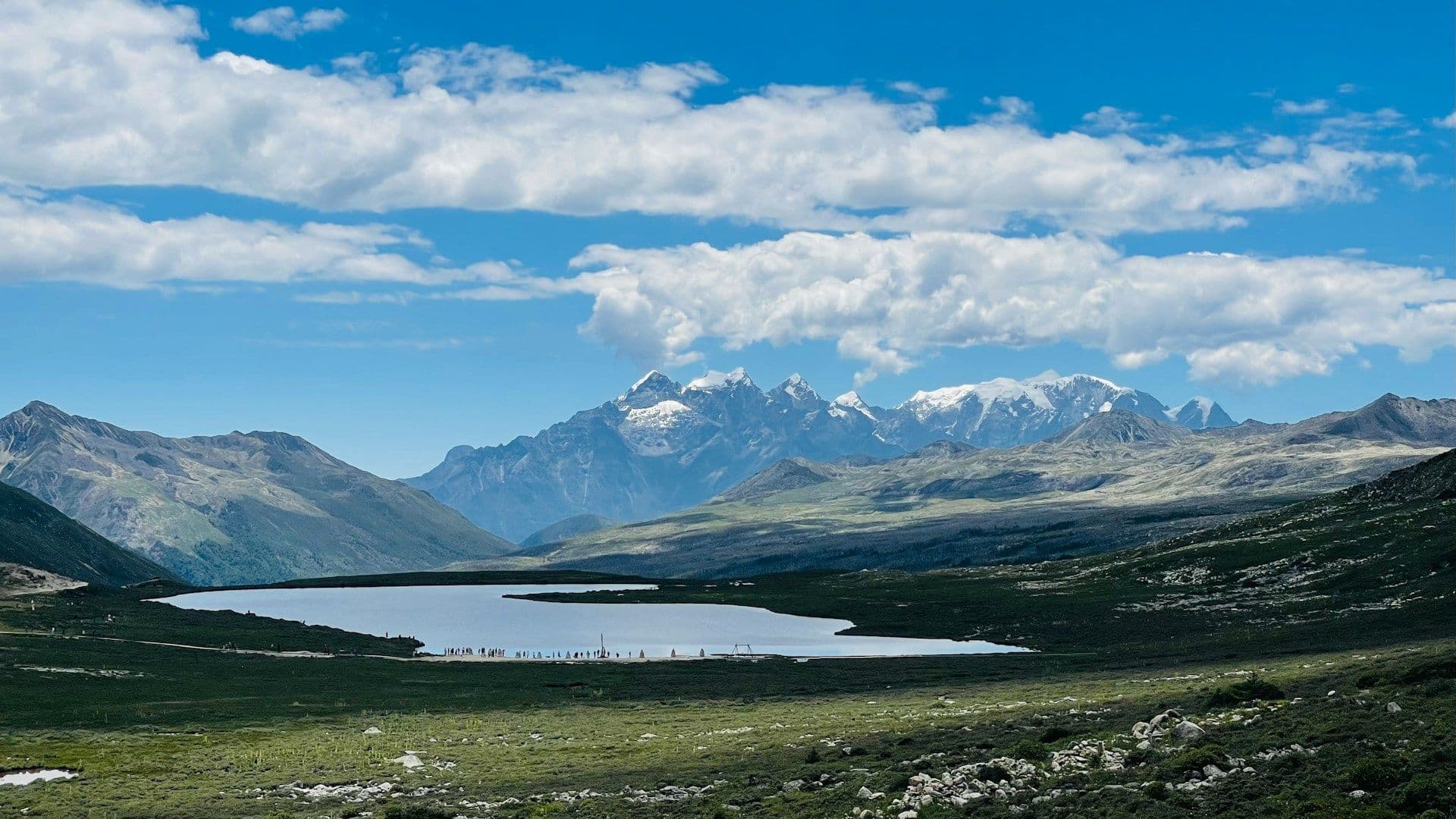
Imagine reaching a quiet Himalayan valley where the mountains open up to reveal a crescent-shaped lake, its blue waters reflecting the rugged peaks around it. This is Chandratal Lake, popularly known as the Moon Lake, one of the most beautiful stops in the Lahaul and Spiti region of Himachal Pradesh.
But Chandratal is more than just a scenic viewpoint. The journey through remote mountain roads, the walk towards the lakeshore and the stillness of the landscape make visiting the lake an experience in itself.
Planning a visit? This Chandratal Lake travel guide covers the best time to visit, routes from Manali and Kaza, road conditions, accommodation, camping rules and everything you should know before making the journey.
Chandratal Lake: Quick Facts and Travel Information
Before planning your visit to Chandratal Lake, it helps to understand its location, altitude, accessibility and the facilities available around it. Located in a remote high-altitude region, the lake has a short tourist season and limited infrastructure.
Travel Detail | Information |
| Location | Lahaul and Spiti, Himachal Pradesh |
| Also known as | Moon Lake |
| Altitude | Approximately 4,300 m (14,100 ft) |
| Nearest route junction | Batal |
| Distance from Manali | Approximately 130 km |
| Distance from Kaza | Approximately 101 km |
| Distance from Batal | Approximately 14 km to the sanctuary access area |
| Kunzum Pass altitude | 4,551 m (14,931 ft) |
| Typical access season | July to mid-October |
| Best time to visit | July to September |
| Accommodation | Seasonal authorised tented camps |
| Mobile connectivity | No reliable network coverage near the lake |
| Nearby major towns | Manali and Kaza |
Where Is Chandratal Lake Located?
Chandratal Lake is located in the Lahaul region of Himachal Pradesh, near Kunzum Pass, at an altitude of approximately 4,300 metres. Surrounded by the rugged mountains of the upper Chandra Valley, this crescent-shaped lake is one of the region's most recognisable natural landmarks.
Also known as Moon Lake, Chandratal is part of the Chandratal Wildlife Sanctuary. It was designated a Ramsar wetland in 2005 because of its ecological importance.
Unlike popular mountain destinations such as Manali and Kaza, there are no permanent settlements around the lake. Its remote location, seasonal accessibility and fragile ecosystem are important parts of what make Chandratal a unique Himalayan destination.
For a broader understanding of the surrounding region, explore our Spiti Valley Travel Guide.
What Is the Best Time to Visit Chandratal Lake?
The best time to visit Chandratal Lake is generally July to September, when the connecting mountain roads are more likely to be accessible and seasonal camps are operational. The wider access season typically runs from July to mid-October, although actual opening dates depend on snowfall, road clearance and local conditions.
Period | Travel Conditions | What to Expect |
| June | Early-season access can be unpredictable | Snow may still block parts of the route, and Kunzum Pass may not be open |
| July to August | Generally the most practical visiting period | Better chances of road access and operational seasonal camps |
| September | Suitable for quieter visits, subject to weather | Fewer visitors and colder nights |
| October to May | Generally inaccessible by road | Heavy snowfall, closed routes and non-operational seasonal camps |
Which months should you choose?
- For easier travel planning: July and August are generally better choices.
- For fewer visitors: September can be a good option, although nights are colder.
- For early-season travel: June requires extra flexibility because road access may not be established.
- For winter travel: Chandratal is not suitable for a regular tourist visit once the connecting routes close.
The lake's opening dates are not fixed every year. Before finalising your trip, check the latest road status for Kunzum Pass and the Batal approach.
For a broader seasonal comparison, read our Best Time to Visit Spiti Valley guide.
How to Reach Chandratal Lake?
Chandratal Lake can be reached from Manali via Batal or from Kaza via Losar and Kunzum Pass. Both routes connect at Batal, which is the main junction for the final approach towards the sanctuary.
Starting Point | Route | Approx. Distance |
| Manali | Atal Tunnel → Gramphu → Chhatru → Batal → Chandratal | 130 km |
| Kaza | Losar → Kunzum Pass → Batal → Chandratal | 101 km |
The final stretch from Batal: The sanctuary access area is approximately 14 km from Batal. The final approach involves a rough mountain track, and visitors may need to walk from the designated parking area towards the lakeshore. The exact access and walking conditions can vary, so confirm the current arrangements locally before setting out.
There is no dependable public transport directly to the lakeshore. A private vehicle, local taxi or organised tour is generally more practical. Seasonal road access and vehicle restrictions can change, so check local conditions before travelling.
For details about reaching the wider region, read our How to Reach Spiti Valley guide.
What Are the Road Conditions Like on the Chandratal Route?
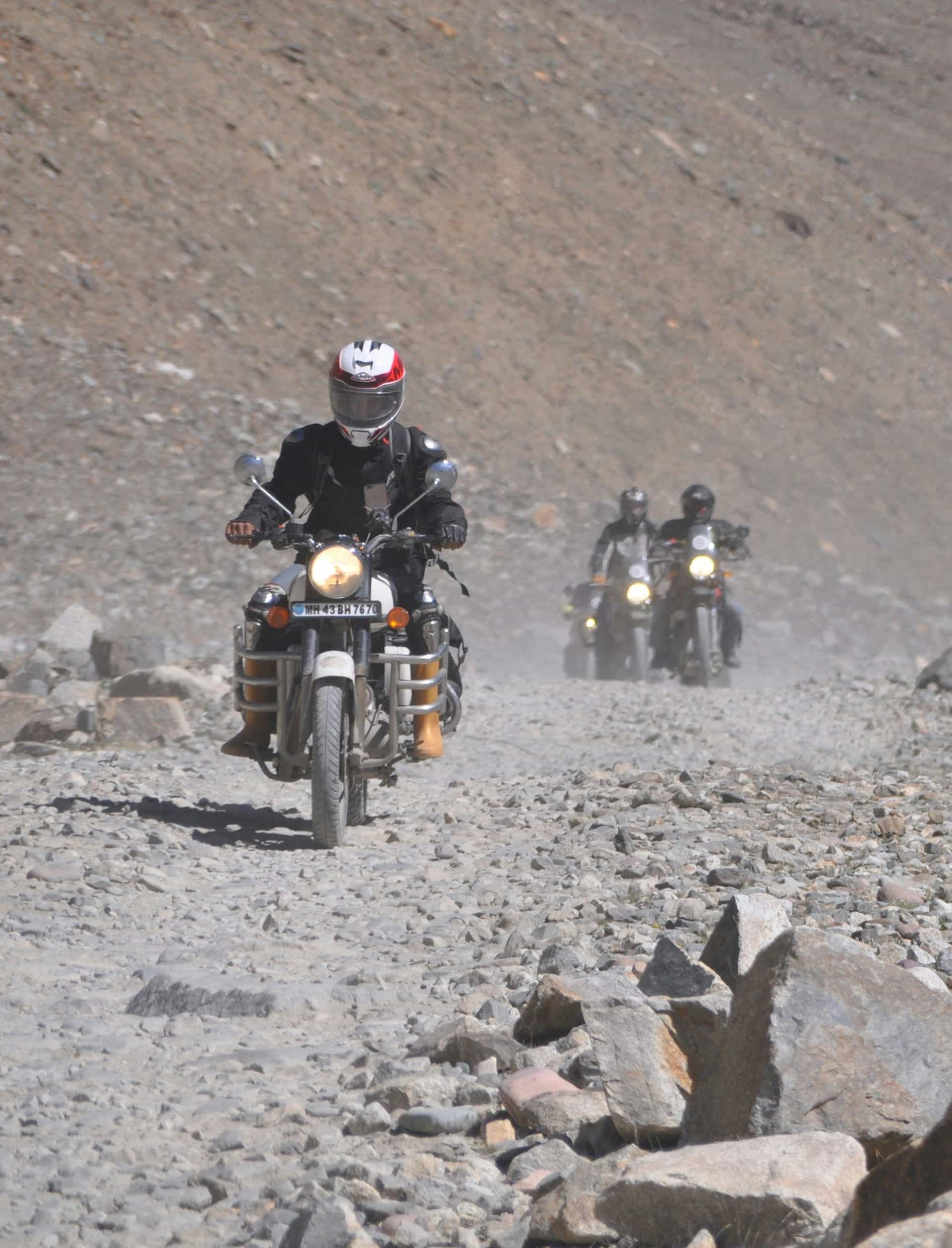
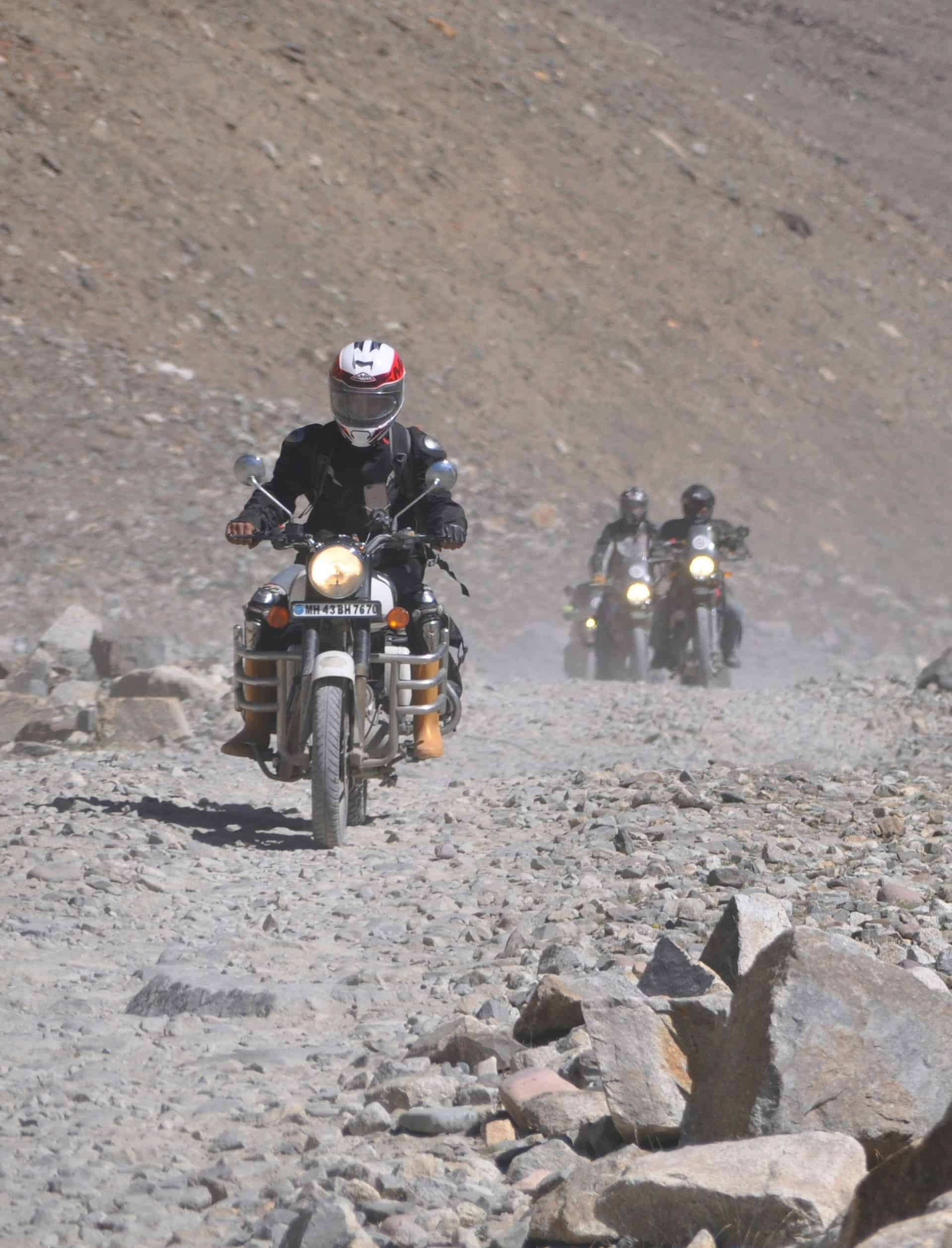
The road to Chandratal Lake is largely rough and unpaved, particularly along the Gramphu–Chhatru–Batal stretch. Travellers should expect loose stones, uneven surfaces and seasonal water crossings.
The stretches around Chhatru and Chhota Dhara can become particularly challenging when melting snow increases water flow. Road conditions can change quickly with weather, so the time of day and recent rainfall or snowfall can affect the journey.
Can a hatchback or sedan reach Chandratal?
Low-clearance hatchbacks and sedans are not recommended for the rough Batal-to-Chandratal approach. A vehicle with good ground clearance is more suitable, while a capable 4x4 can help in difficult conditions. However, even a 4x4 does not guarantee access when road conditions are poor.
If you are planning a longer drive through the region, read our Spiti Valley Road Trip Guide for more information about mountain driving and route preparation.
Where to Stay Near Chandratal Lake?
There are no permanent hotels or resorts beside Chandratal Lake. Seasonal tented camps are the main accommodation option, operating during the accessible summer months in designated areas away from the lakeshore.
What Facilities Are Available at Chandratal Camps?
Seasonal camps generally offer basic facilities, which may include:
- Tented accommodation with bedding and blankets.
- Shared toilet facilities, often dry toilets.
- Simple meals such as dal, rice and roti.
- Limited electricity and charging facilities.
- Basic arrangements for warm water.
Facilities vary between operators, so do not expect hotel-like comfort. Nights can also become very cold, even during the summer season.
There are no medical facilities at the campsites, and visitors should not depend on nearby ATMs or mobile connectivity. Carry essential medication, sufficient cash and other supplies before leaving the main towns.
If you prefer more established accommodation, Kaza and Manali offer additional hotels, guesthouses and dining options, depending on your travel route.
Before booking, confirm the campsite's location, its Forest Department authorisation, facilities, meal arrangements and availability. For more accommodation choices across the region, explore our Where to Stay in Spiti Valley guide.
What Are the Camping Rules and Restrictions at Chandratal Lake?
Chandratal Lake lies within a protected wildlife sanctuary and is an ecologically sensitive Ramsar wetland. Visitors must follow local regulations and avoid activities that could damage the lake or its surrounding landscape.
Keep these guidelines in mind during your visit:
- Use authorised campsites: Stay only at designated seasonal camps with the required permissions. Do not pitch tents beside the lakeshore.
- Do not litter: Carry back plastic bottles, food wrappers and other waste. Use the waste-disposal arrangements provided at your campsite.
- Protect the water: Do not use soap, wash clothes or dispose of waste in the lake.
- Respect wildlife: Avoid loud music, disturbing animals or damaging vegetation.
- Follow local instructions: Comply with Forest Department check-post requirements and any temporary visitor restrictions.
Do not assume that every campsite advertised online is authorised. Confirm its location and permissions with the operator or the local Forest Department before booking. Follow the current instructions issued by local authorities rather than relying on unverified claims about fixed camping-distance restrictions.
What Should You Know Before Visiting Chandratal Lake?
Chandratal is a remote, high-altitude destination with limited facilities. A little preparation can make your visit safer and more comfortable.
- Acclimatise before visiting: At approximately 4,300 metres, Chandratal carries a risk of altitude sickness. Avoid rapid altitude gain, allow time to acclimatise and watch for symptoms such as headaches, nausea, dizziness and unusual fatigue. If symptoms worsen, descend and seek medical assistance.
- Pack warm clothing: Even during summer, temperatures can drop considerably after sunset. Carry an insulated jacket, thermal layers, gloves and comfortable walking shoes.
- Prepare for limited connectivity: Mobile coverage around the lake is unavailable or unreliable. Download offline maps, save important contact details and inform someone about your travel plans before entering the remote area.
- Carry cash and essential supplies: Do not depend on ATMs or digital payments. Carry enough cash, personal medication, basic first-aid supplies, drinking water and toiletries, as shops and medical facilities are limited.
- Check road and weather conditions: Mountain weather can change quickly. Confirm the latest road status and local travel advice before leaving Manali or Kaza.
Planning for these conditions beforehand will help you enjoy Chandratal without unnecessary last-minute difficulties.
How Much Does a Chandratal Lake Trip Cost?
The cost of visiting Chandratal Lake depends mainly on your starting point, transport, group size and choice of seasonal camp. Travelling in a shared vehicle or as part of an organised Spiti circuit can help manage transportation expenses.
Before booking, check whether your campsite price includes meals, bedding and other facilities. Taxi costs can also vary depending on the route, vehicle type, travel dates and road conditions.
For a broader breakdown of transportation, accommodation and other expenses, read our Spiti Valley Trip Cost Guide.
How Can You Include Chandratal Lake in Your Spiti Valley Itinerary?
Chandratal Lake can be included in a Spiti Valley circuit while travelling between Manali and Kaza. Its location near Kunzum Pass makes it a convenient addition to either direction of the journey, provided the connecting roads are open.
You can include Chandratal in your itinerary in two ways:
- While travelling from Manali to Kaza: Visit Chandratal after reaching Batal, then continue towards Kunzum Pass, Losar and Kaza.
- While travelling from Kaza to Manali: Cross Kunzum Pass, visit Chandratal from Batal and continue towards Gramphu and Manali.
Should you stay overnight?
Keeping one night near Chandratal is a practical option if you want to explore the lake without rushing your journey. It also gives you more flexibility to enjoy the surroundings during daylight. Remember that seasonal camps offer basic facilities, so plan your stay accordingly.
For detailed route ideas and suggested trip durations, explore our Spiti Valley Itinerary.
Plan Your Chandratal Lake Trip with Desh Videsh Travels
Chandratal Lake is best experienced as part of a well-planned Spiti Valley journey. From navigating remote mountain roads to arranging suitable stays and managing high-altitude travel, having the right itinerary can make the experience smoother.
Planning to explore Chandratal and the surrounding Himalayan landscapes? Explore our Spiti Valley Tour Packages and find a trip that fits your travel plans.